The Detection of Circulating Antigen Glutathione S-Transferase in Sheep Infected with Fasciola hepatica with Double-Antibody Sandwich Signal Amplification Enzyme-Linked Immunosorbent Assay
Jiahui Duan, Nan Zhang, Shaoxiong Liu, Jianhua Li, Pengtao Gong, Xiaocen Wang, Xin Li, Xu Zhang, Bo Tang, Xichen Zhang

TL;DR
A new ELISA method detects Fasciola hepatica infection in sheep by identifying circulating glutathione S-transferase antigens, enabling early diagnosis.
Contribution
A novel biotin–streptavidin signal amplification ELISA method for early detection of F. hepatica using circulating GST antigens.
Findings
The SA-ELISA method detected GST antigens in sheep serum with no cross-reaction to other parasites.
The SA-ELISA showed a 17.5% positive rate in tested sheep serum samples from Nong’an County.
The detection results matched 100% with commercial ELISA kits.
Abstract
As a global zoonotic parasitic disease, fasciolosis can cause serious economic losses to animal husbandry. The timely detection of Fasciola hepatica (F. hepatica)-infected animals and the adoption of epidemic prevention measures are of great significance. This manuscript provides a new technical method, a biotin–streptavidin signal amplification ELISA (SA-ELISA), based on anti-rFhGST monoclonal and polyclonal antibodies, which can detect circulating antigens in the serum of sheep infected with F. hepatica and achieve early detection. This study explores its application value in immune diagnosis, laying the foundation for the development of serum detection preparations for F. hepatica infection. Fasciolosis is a global zoonotic parasitic disease caused by F. hepatica infection that is particularly harmful to cattle and sheep. A biotin–streptavidin signal amplification ELISA…
Genes, proteins, chemicals, diseases, species, mutations and cell lines named across the full text — each resolved to its canonical identifier and authoritative record.
Click any figure to enlarge with its caption.
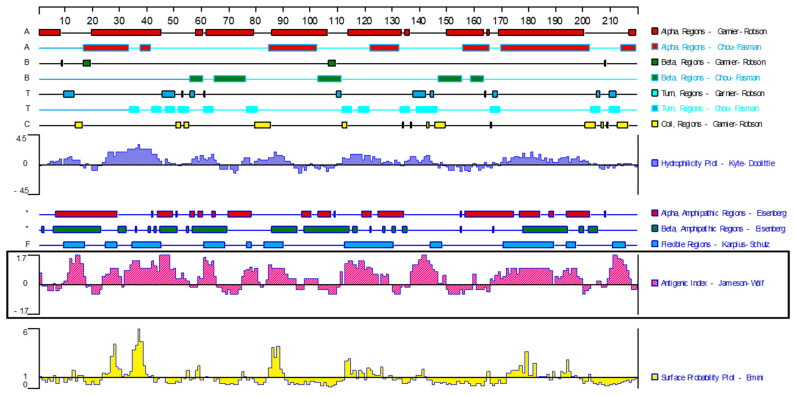 Figure 1
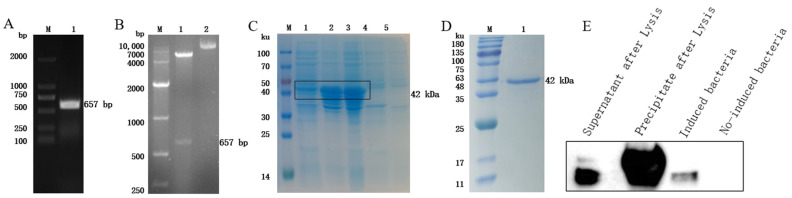 Figure 2
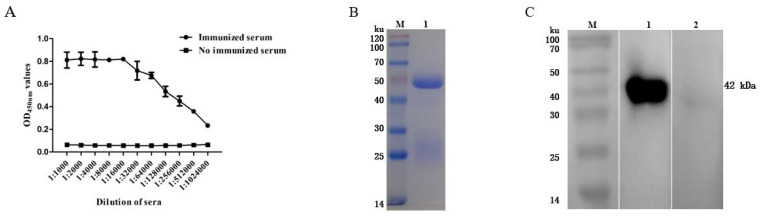 Figure 3
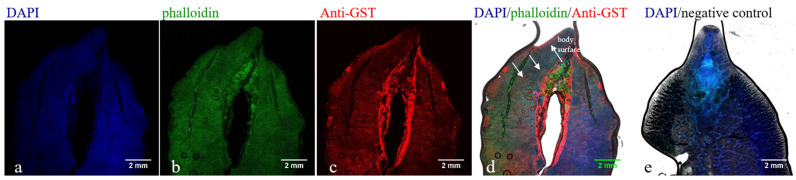 Figure 4
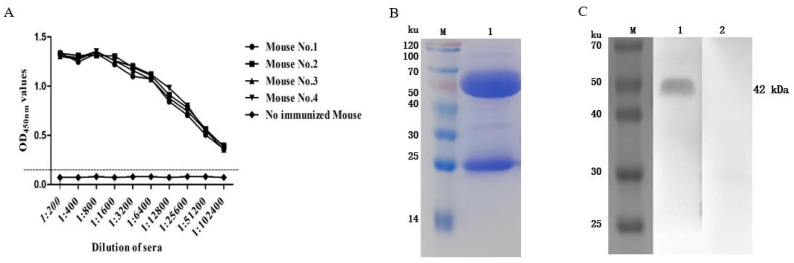 Figure 5
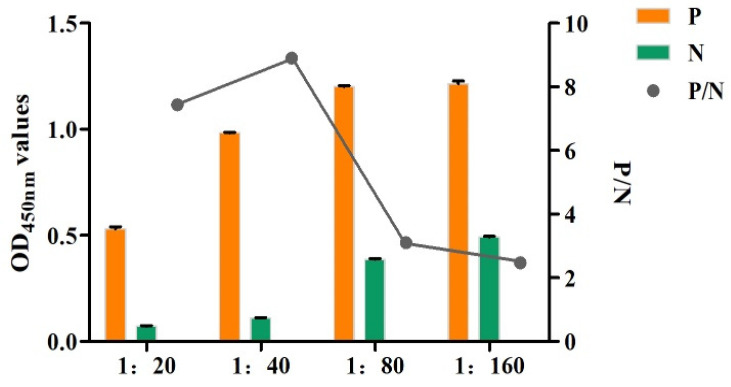 Figure 6
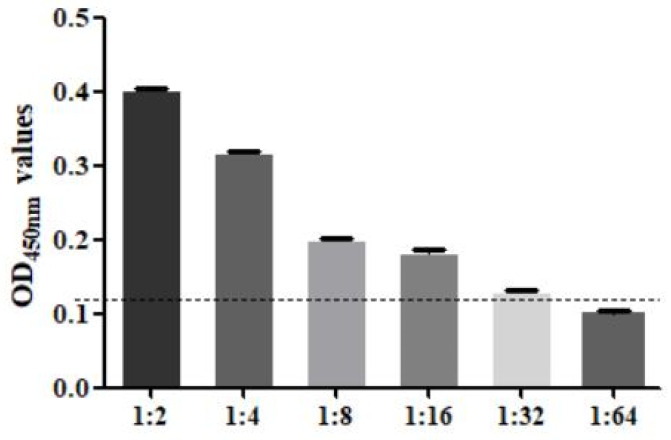 Figure 7
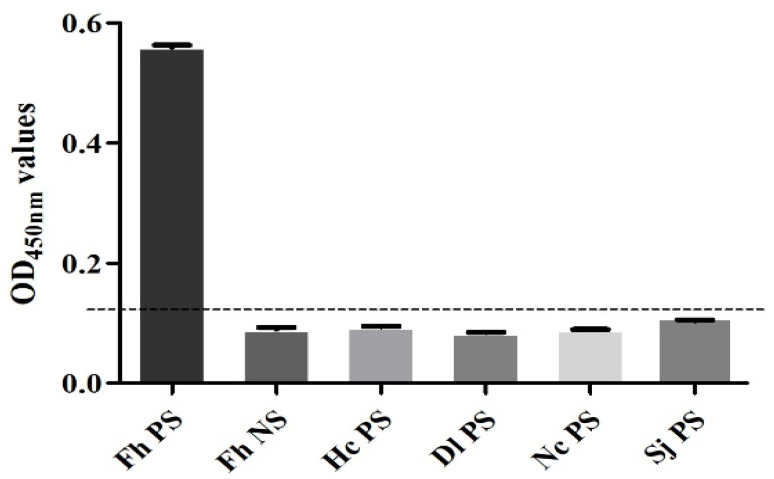 Figure 8
Peer Reviews
No public reviews on file for this paper yet. If you reviewed it on a platform where reviews are public (OpenReview, ICLR, NeurIPS, ICML), you can paste yours below so the community can read it here.
Videos
No videos yet. Explain this paper in a talk, walkthrough, or lecture? Add one.
Taxonomy
TopicsHelminth infection and control · Coccidia and coccidiosis research · Parasitic Infections and Diagnostics