Suggesting Dictyostelium as a Model for Disease-Related Protein Studies through Myosin II Polymerization Pathway
Xiong Liu, Shi Shu

TL;DR
This paper explores how Dictyostelium myosin II polymerizes, suggesting it could be a useful model for studying disease-related proteins.
Contribution
The study reveals a detailed polymerization pathway of Dictyostelium myosin II and its similarity to muscle myosin.
Findings
Dictyostelium myosin II forms folded monomers, dimers, and tetramers during polymerization.
ATP reduces filament size and increases critical polymerization concentrations.
Fully matured Dictyostelium myosin II filaments were characterized for the first time.
Abstract
Dictyostelium myosin II displays remarkable dynamism within the cell, continually undergoing polymerization and depolymerization processes. Under low-ion conditions, it assumes a folded structure like muscle myosins and forms thick filaments through polymerization. In our study, we presented intermediate structures observed during the early stages of polymerization of purified myosin via negative staining electron microscopy, immediately crosslinked with glutaraldehyde at the onset of polymerization. We identified folded monomers, dimers, and tetramers in the process. Our findings suggest that Dictyostelium myosin II follows a polymerization pathway in vitro akin to muscle myosin, with folded monomers forming folded parallel and antiparallel dimers that subsequently associate to create folded tetramers. These folded tetramers eventually unfold and associate with other tetramers to…
Genes, proteins, chemicals, diseases, species, mutations and cell lines named across the full text — each resolved to its canonical identifier and authoritative record.
Click any figure to enlarge with its caption.
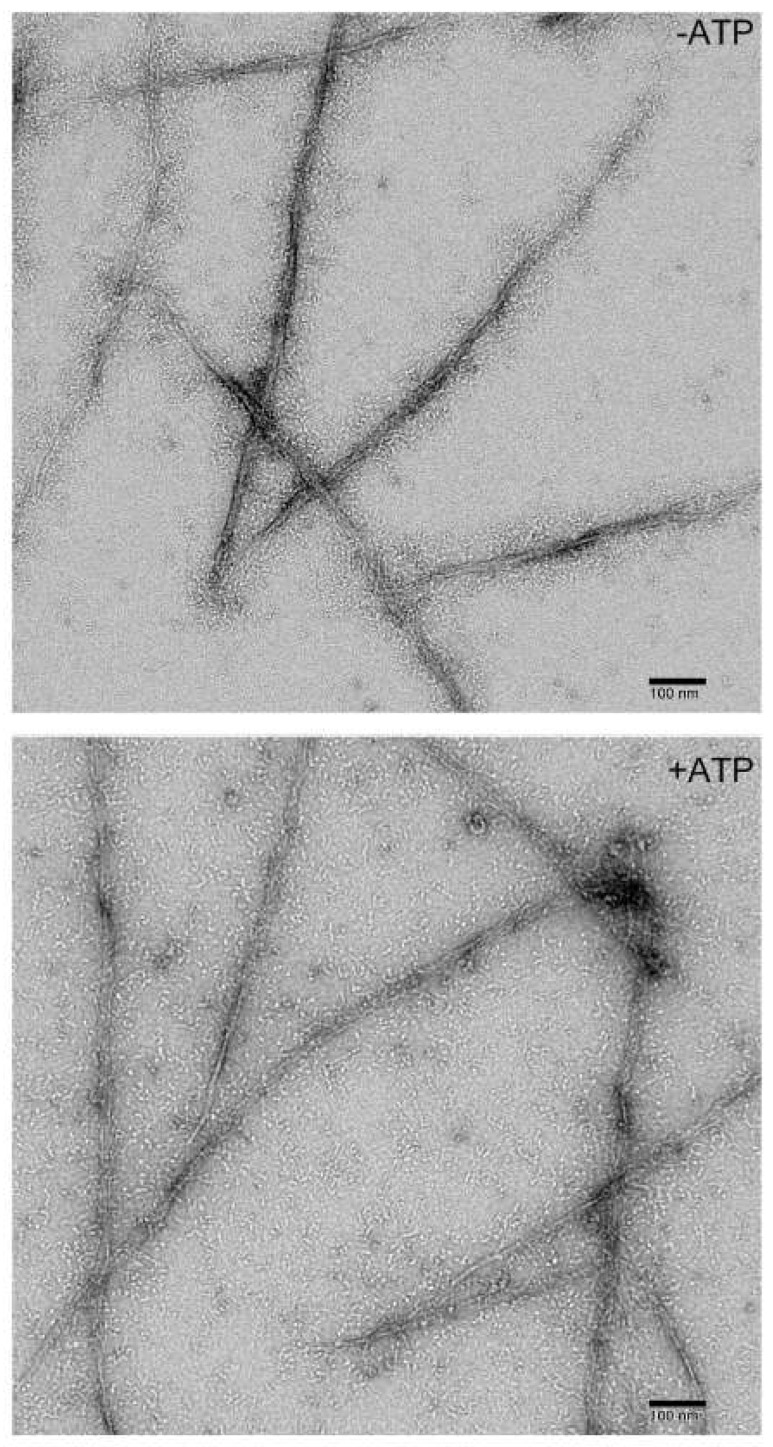 Figure 1
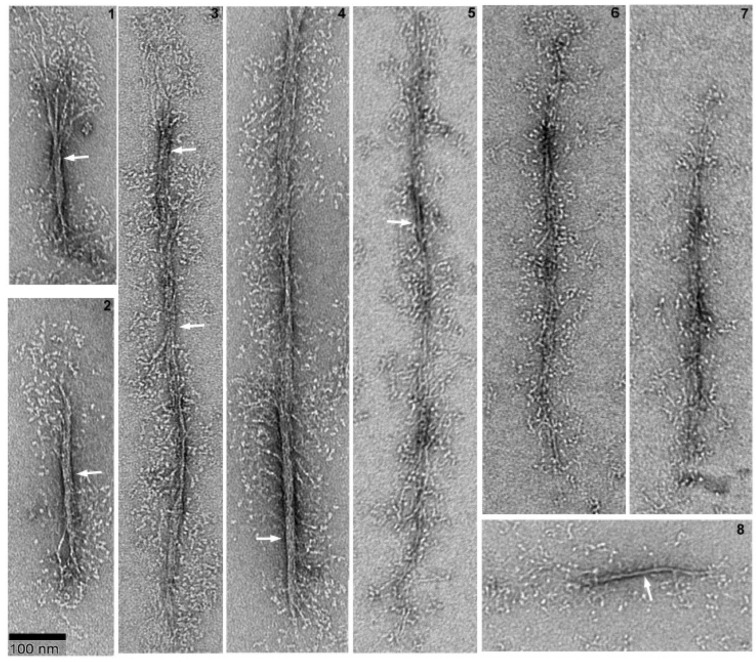 Figure 2
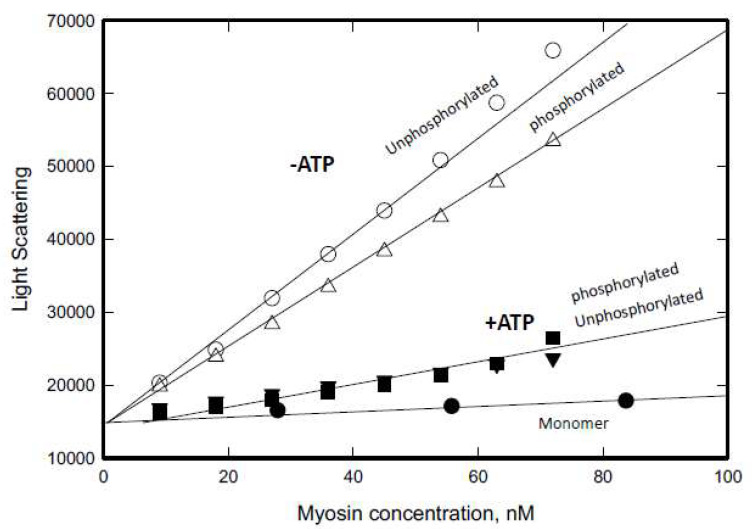 Figure 3
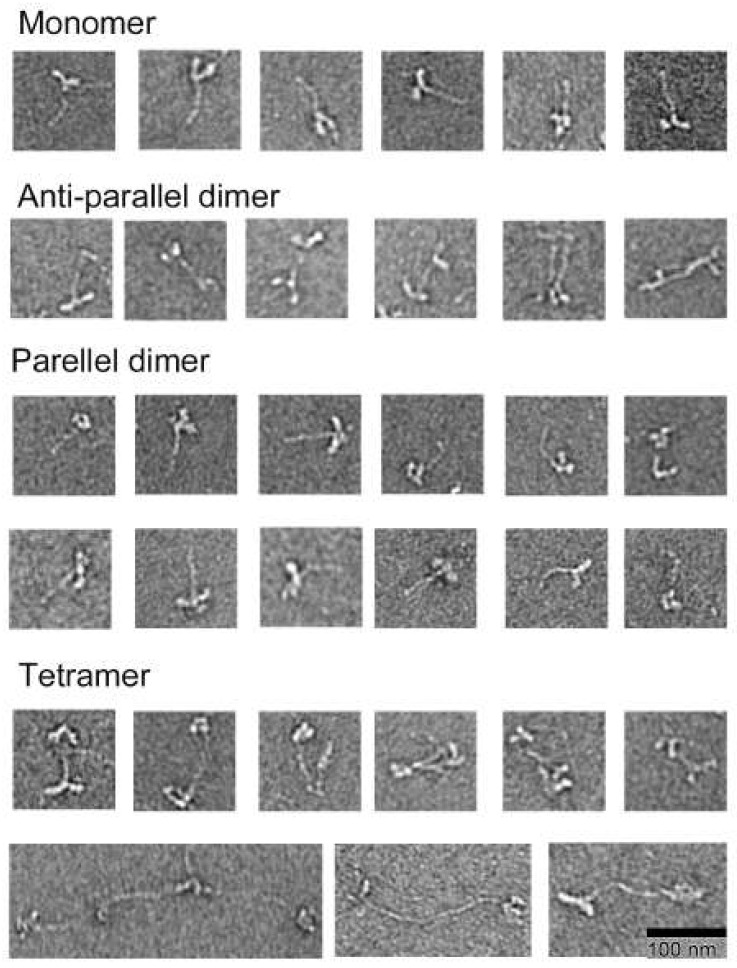 Figure 4
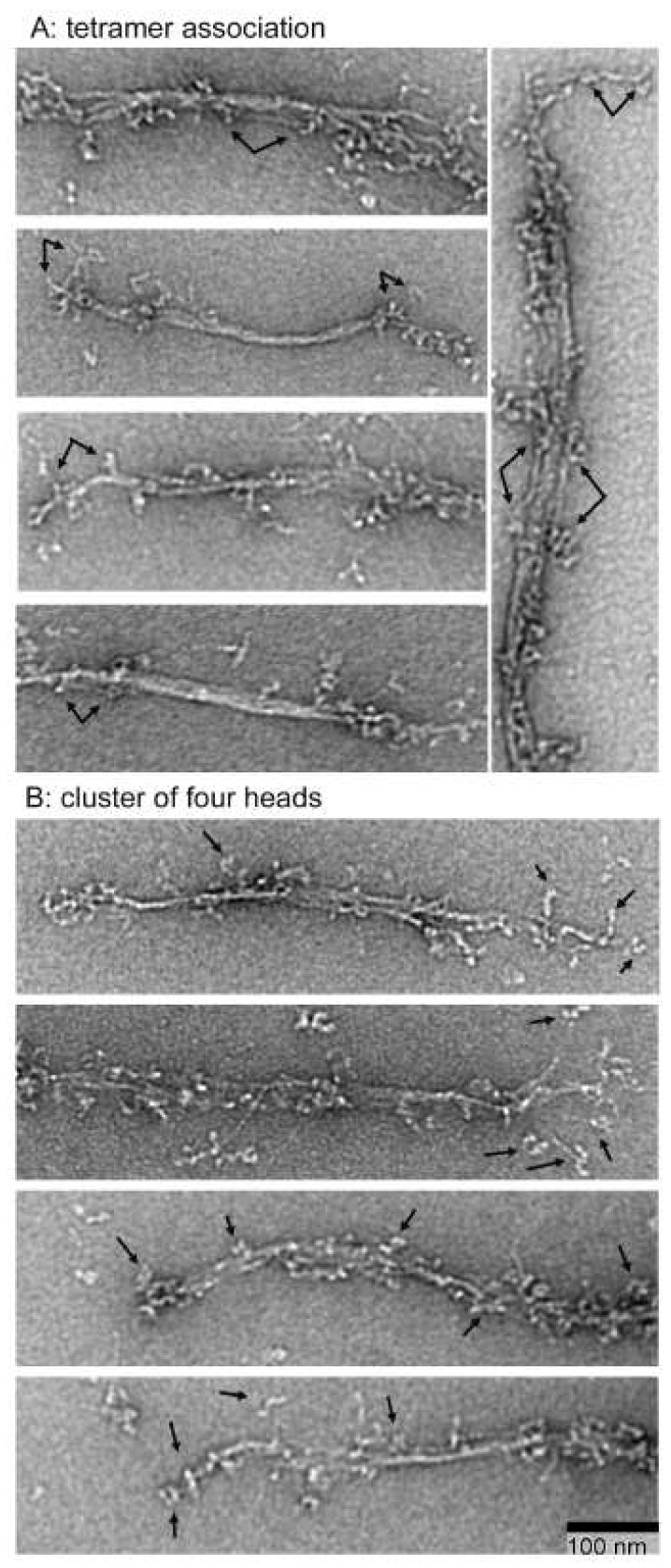 Figure 5
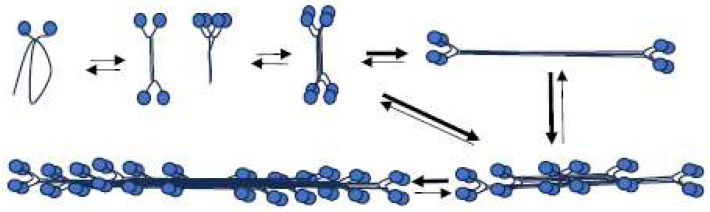 Figure 6
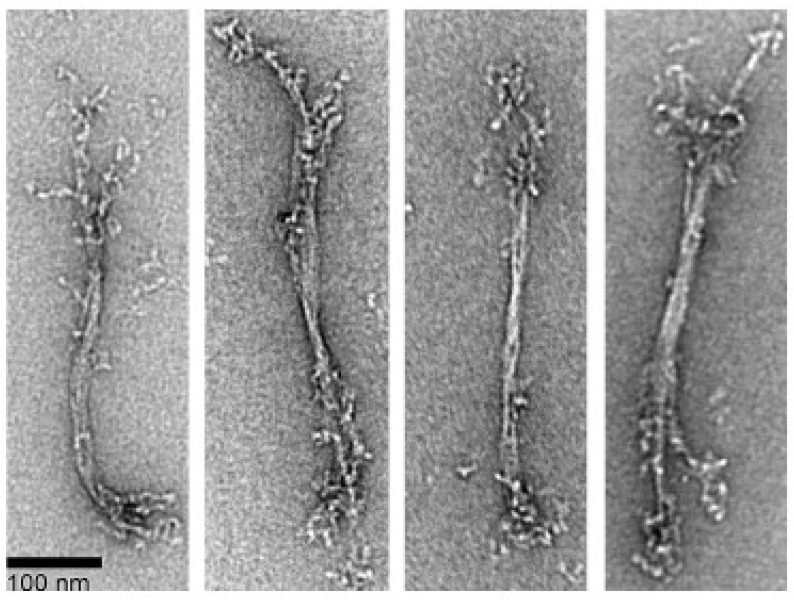 Figure 7
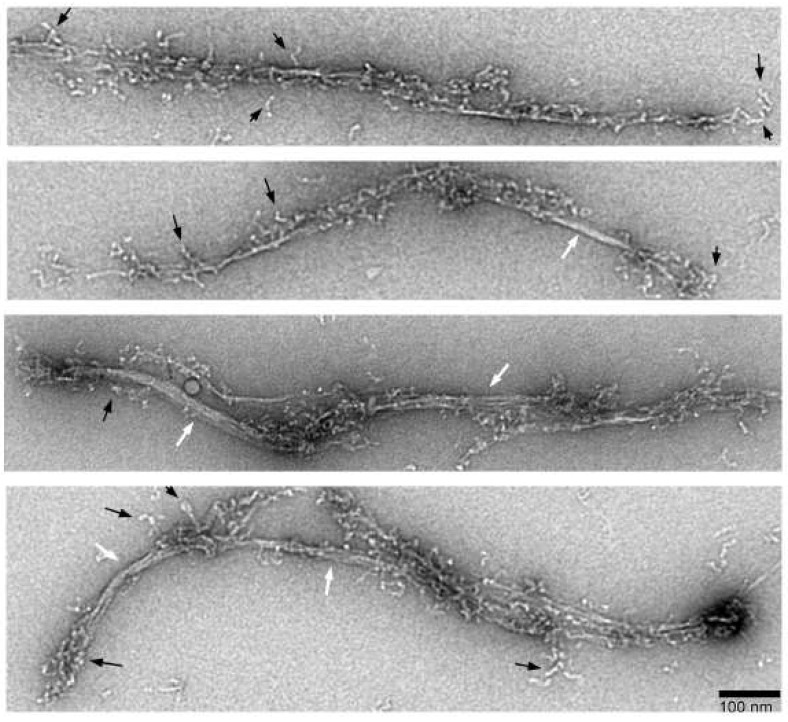 Figure 8
Peer Reviews
No public reviews on file for this paper yet. If you reviewed it on a platform where reviews are public (OpenReview, ICLR, NeurIPS, ICML), you can paste yours below so the community can read it here.
Videos
No videos yet. Explain this paper in a talk, walkthrough, or lecture? Add one.
Taxonomy
TopicsCardiomyopathy and Myosin Studies · Cellular Mechanics and Interactions · Muscle Physiology and Disorders