Because We Love You (BeWeL): A protocol for a randomized controlled trial of two brief interventions focused on social and cultural connectedness to reduce risk for suicide and substance misuse in young Alaska Native people
Stacy Rasmus, Elizabeth J. D’Amico, James Allen, Cynthia Nation, Simeon John, Victor Joseph, Anthony Rodriguez, Gaby Alvarado, Allyson D. Gittens, Alina I. Palimaru, Ryan A. Brown, David P. Kennedy, Michael J. Woodward, Jennifer Parker, Keisha McDonald

TL;DR
This study tests two culturally focused interventions to reduce suicide and substance misuse risks among young Alaska Native people through social and cultural connectedness.
Contribution
The study introduces Indigenous-led, culturally tailored interventions for suicide prevention in Alaska Native youth.
Findings
The interventions focus on increasing protective factors through cultural and social connectedness.
The study will evaluate effects on suicide-intent risk, depression, anxiety, and alcohol use.
Findings may improve suicide prevention services by linking clinical care with community-based networks.
Abstract
Suicide among young people in Alaska Native (AN) communities was nearly unheard of through the establishment of statehood in 1959, but in the 1970s, AN suicide rates began to double every five years, with most of the increase due to suicide among 15 to 25-year-olds. From 1960–1995, the suicide rate increased by approximately 500% during this period of rapid, imposed social transition. For example, families were forced to live in settlements and children were sent to boarding schools. These disruptions increased conditions associated with suicide risk (e.g., substance use disorders, cultural disconnection), and challenged the community-level social safety net of youth protective factors that might have moderated effects of these traumas. The present study addresses the significant gap in culturally appropriate evidence-based programming to address suicide prevention among AN young people…
Genes, proteins, chemicals, diseases, species, mutations and cell lines named across the full text — each resolved to its canonical identifier and authoritative record.
Click any figure to enlarge with its caption.
 Figure 1
 Figure 2
 Figure 3
 Figure 4
 Figure 5
 Figure 6
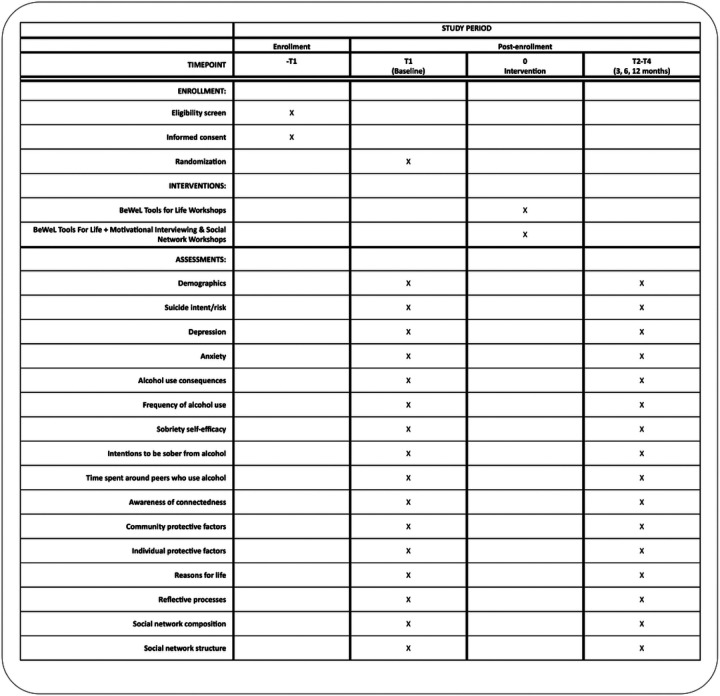 Figure 7
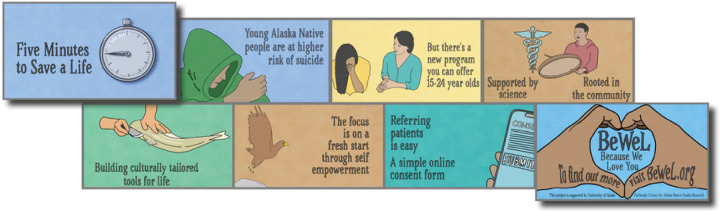 Figure 8
 Figure 9
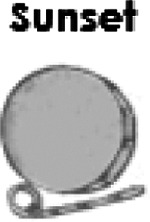 Figure 10
 Figure 11
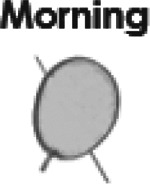 Figure 12
 Figure 13
 Figure 14
Peer Reviews
No public reviews on file for this paper yet. If you reviewed it on a platform where reviews are public (OpenReview, ICLR, NeurIPS, ICML), you can paste yours below so the community can read it here.
Videos
No videos yet. Explain this paper in a talk, walkthrough, or lecture? Add one.
Taxonomy
TopicsIndigenous Health, Education, and Rights · Maternal Mental Health During Pregnancy and Postpartum · Suicide and Self-Harm Studies