Is It Possible to Predict False-Positive Exercise Stress Echocardiography Results by Measuring the Left Atrial Antero-Posterior Diameter?
Andrea Sonaglioni, Gian Luigi Nicolosi, Michele Lombardo

TL;DR
This study shows that measuring the left atrial antero-posterior diameter adjusted for chest wall size can help identify patients with a low risk of coronary artery disease who may have falsely positive stress echocardiography results.
Contribution
The study introduces the use of left atrial antero-posterior diameter adjusted for thoracic diameter as a novel predictor of false-positive stress echocardiography results.
Findings
A left atrial antero-posterior diameter/thoracic diameter ratio ≤0.25 predicted false-positive stress echocardiography with 100% sensitivity and 85% specificity.
The ratio had a strong inverse correlation with false-positive results (odds ratio 0.42).
Left atrial antero-posterior diameter showed a strong linear correlation with thoracic diameter (r = 0.85).
Abstract
Background: Left atrial (LA) size is a well-known prognostic determinant in the setting of coronary artery disease (CAD). No previous study has evaluated LA antero-posterior (A-P) diameter as a potential screening method for identifying individuals with a low probability of CAD. We aimed to assess the influence of LA A-P diameter adjusted for chest wall conformation (A-P thoracic diameter) on the occurrence of false-positive (FP) results on exercise stress echocardiography (ESE) in patients with suspected CAD. Methods: All consecutive patients who had undergone coronary angiography at MultiMedica IRCCS (via San vittore 12, 20123, Milan, Italy) within two months from a positive ESE over a seven-year period were retrospectively analyzed. All patients underwent LA A-P diameter/A-P thoracic diameter ratio assessment, resting transthoracic echocardiography, and subsequent ESE. The primary…
Genes, proteins, chemicals, diseases, species, mutations and cell lines named across the full text — each resolved to its canonical identifier and authoritative record.
Click any figure to enlarge with its caption.
 Figure 1
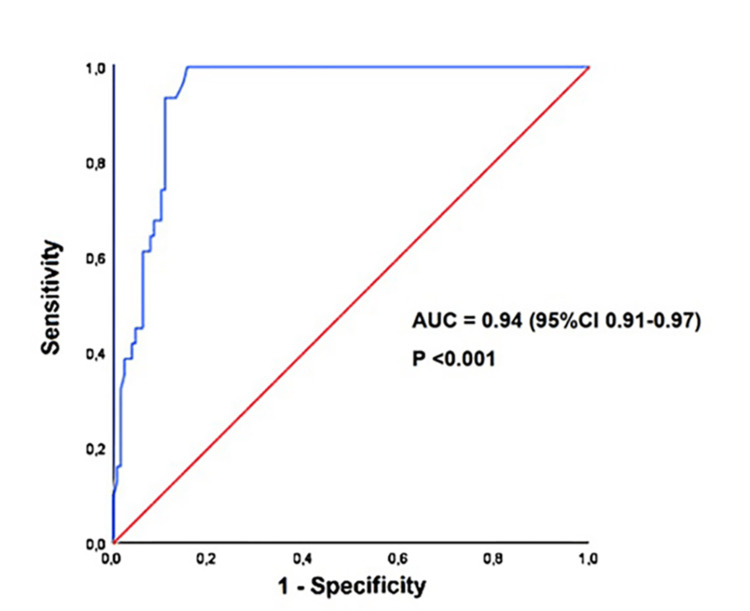 Figure 2
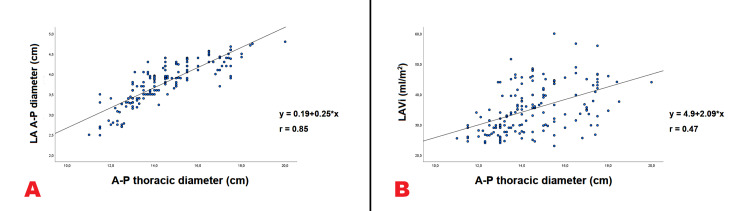 Figure 3
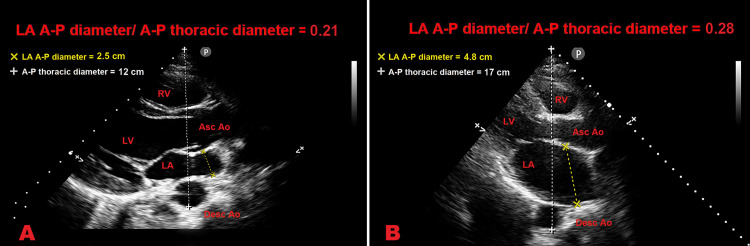 Figure 4
Peer Reviews
No public reviews on file for this paper yet. If you reviewed it on a platform where reviews are public (OpenReview, ICLR, NeurIPS, ICML), you can paste yours below so the community can read it here.
Videos
No videos yet. Explain this paper in a talk, walkthrough, or lecture? Add one.
Taxonomy
TopicsCardiovascular Function and Risk Factors · Cardiac Imaging and Diagnostics · Cardiovascular Effects of Exercise