Identification of self-incompatibility alleles in Quince (Cydonia oblonga Mill.)
Sara Sadeghnejad, Hamid Abdollahi, Daryoush Davoodi, Maryam Tatari, Mahmoud Khosroshahli

TL;DR
This study identifies new self-incompatibility alleles in quince, revealing genetic diversity that affects self-pollination and could improve breeding strategies.
Contribution
The discovery of two novel self-incompatibility alleles (S4 and S5) in quince expands our understanding of its reproductive genetics.
Findings
Two new S alleles, S4 and S5, were identified in quince genotypes.
S4 was the most prevalent allele among the tested genotypes.
Behta showed self-incompatibility, while Ardabil2 showed self-compatibility.
Abstract
The Quince (Cydonia oblonga Mill.), typically known for its self-compatibility, surprisingly presents a degree of self-incompatibility. This research focused on exploring the diversity within the self-incompatibility gene locus (S) in various C. oblonga genotypes. Through meticulous DNA sequencing, the study sought to unearth potential novel S alleles. In the process of genotyping the S gene across multiple quince genotypes, not only were the previously documented S1 and S2 alleles identified, but this investigation also uncovered two previously unrecognized alleles, termed S4 and S5. These alleles, particularly S4, emerged as the most prevalent among the tested genotypes. To corroborate the findings derived from DNA sequencing, the study employed pollen tube growth germination assays. These assays elucidated a higher pollen germination rate in the Ardabil2 genotype in contrast to…
Genes, proteins, chemicals, diseases, species, mutations and cell lines named across the full text — each resolved to its canonical identifier and authoritative record.
Click any figure to enlarge with its caption.
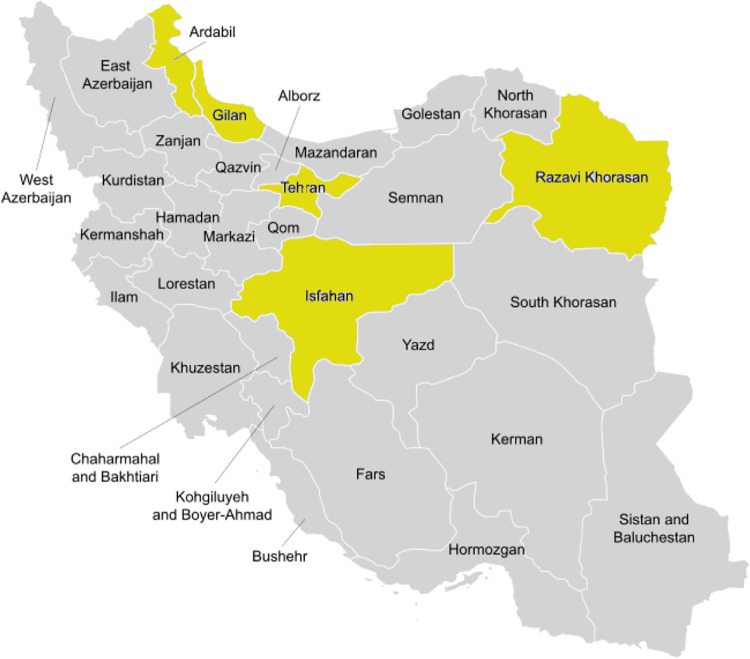 Figure 1
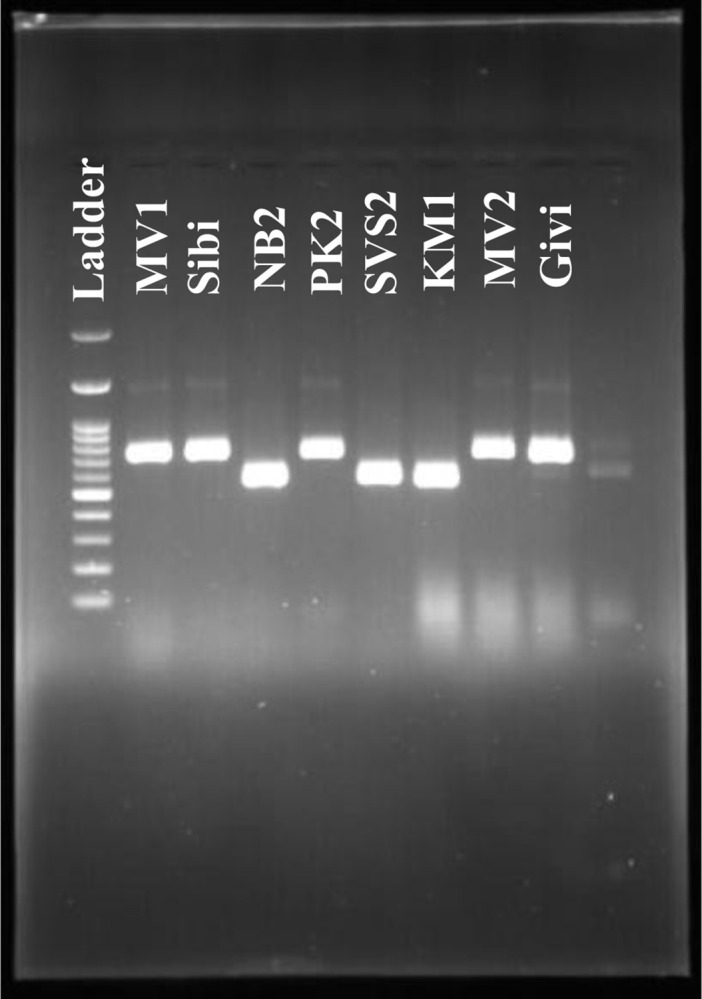 Figure 2
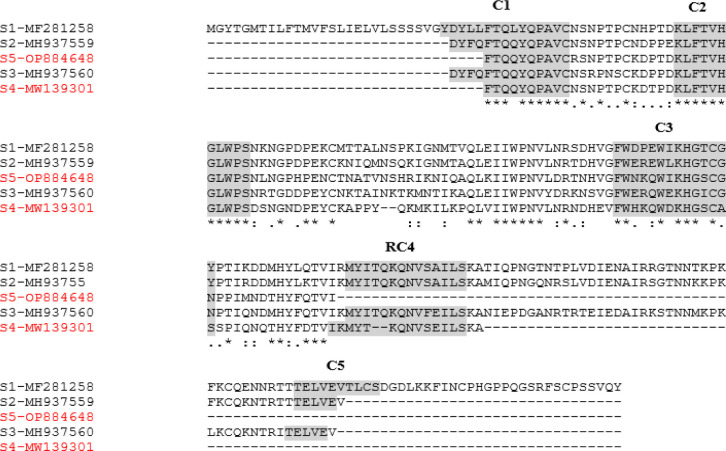 Figure 3
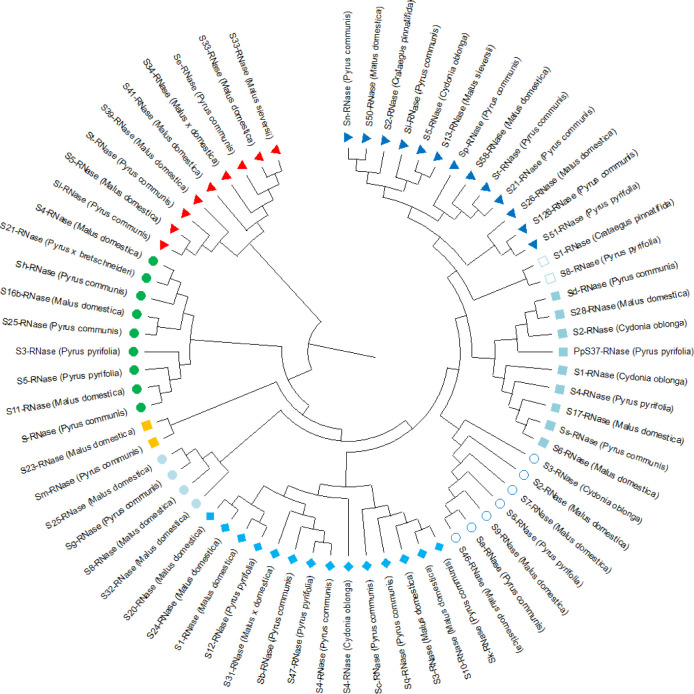 Figure 4
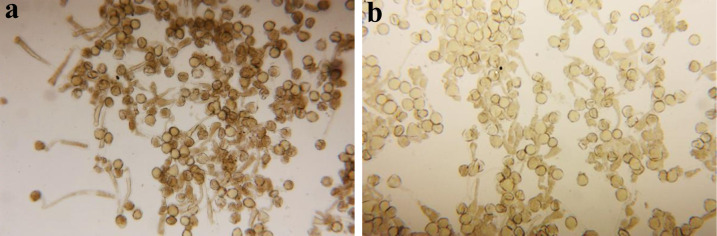 Figure 5
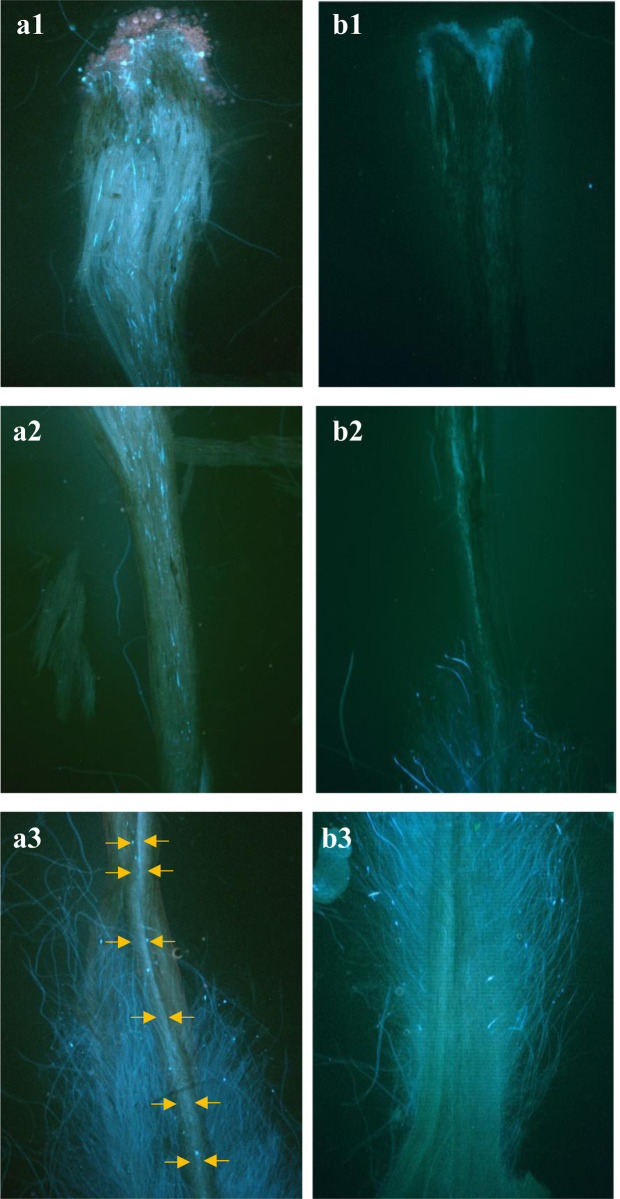 Figure 6
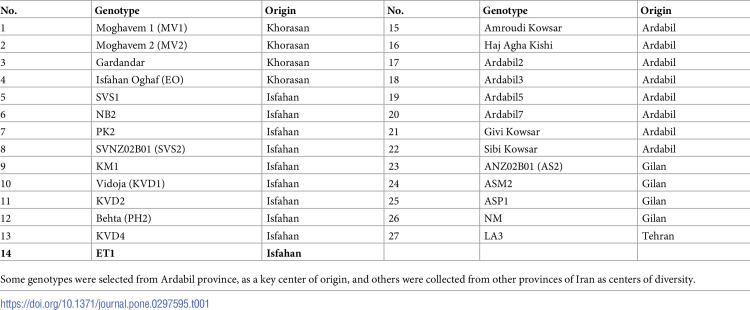 Figure 7
 Figure 8
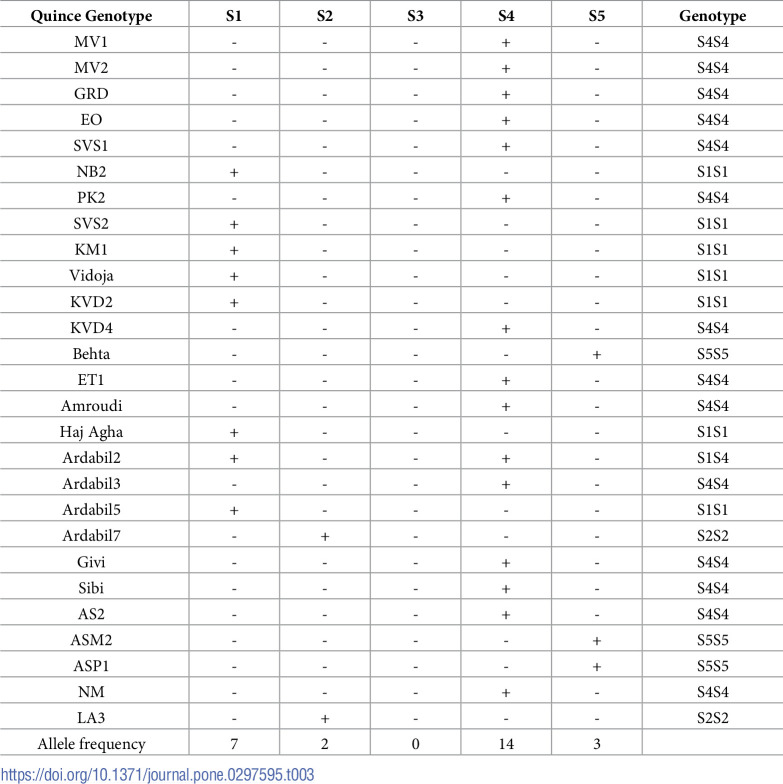 Figure 9
 Figure 10
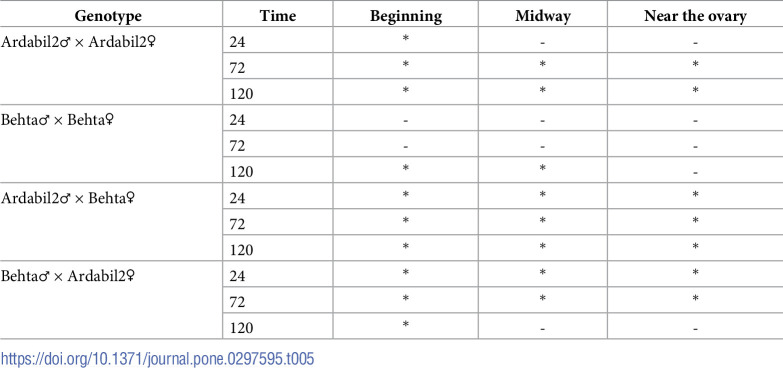 Figure 11
Peer Reviews
No public reviews on file for this paper yet. If you reviewed it on a platform where reviews are public (OpenReview, ICLR, NeurIPS, ICML), you can paste yours below so the community can read it here.
Videos
No videos yet. Explain this paper in a talk, walkthrough, or lecture? Add one.
Taxonomy
TopicsPlant Reproductive Biology · Plant and animal studies · Plant pathogens and resistance mechanisms