Training for endovascular therapy of acute arterial disease and procedure-related complication: An extracorporeally-perfused human cadaver model study
Viktor Hartung, Anne Marie Augustin, Jan-Peter Grunz, Henner Huflage, Jan-Lucca Hennes, Florian Kleefeldt, Süleyman Ergün, Dominik Peter, Sven Lichthardt, Thorsten Alexander Bley, Philipp Gruschwitz, Ezio Lanza, Ezio Lanza, Ezio Lanza

TL;DR
This study tested a realistic cadaver model for training endovascular procedures to treat acute arterial diseases and manage complications.
Contribution
A novel extracorporeally-perfused cadaver model was developed for training endovascular therapy and complication management.
Findings
Stable extracorporeal perfusion allowed realistic artery depiction and repeatable training of endovascular procedures.
The model provided tactile feedback and enabled practice of complex angiographic devices and interventions.
Thrombectomy procedures were not feasible due to the lack of inherent coagulation in the model.
Abstract
The aim of this study was to evaluate the usability of a recently developed extracorporeally-perfused cadaver model for training the angiographic management of acute arterial diseases and periprocedural complications that may occur during endovascular therapy of the lower extremity arterial runoff. Continuous extracorporeal perfusion was established in three fresh-frozen body donors via inguinal and infragenicular access. Using digital subtraction angiography for guidance, both arterial embolization (e.g., embolization using coils, vascular plugs, particles, and liquid embolic agents) and endovascular recanalization procedures (e.g., manual aspiration or balloon-assisted embolectomy) as well as various embolism protection devices were tested. Furthermore, the management of complications during percutaneous transluminal angioplasty, such as vessel dissection and rupture, were exercised…
Genes, proteins, chemicals, diseases, species, mutations and cell lines named across the full text — each resolved to its canonical identifier and authoritative record.
Click any figure to enlarge with its caption.
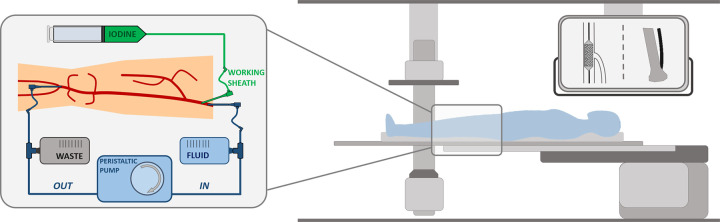 Figure 1
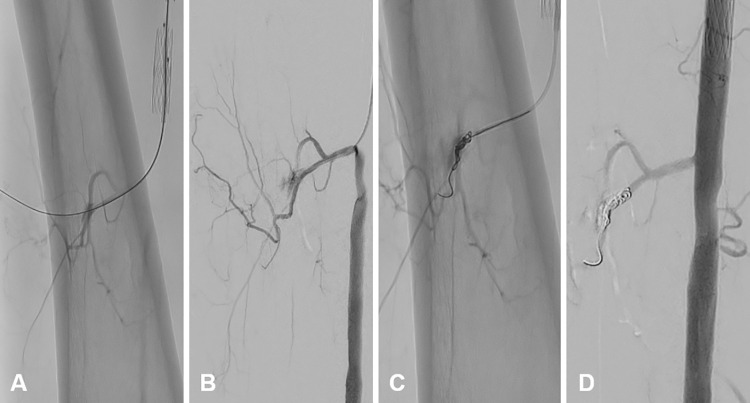 Figure 2
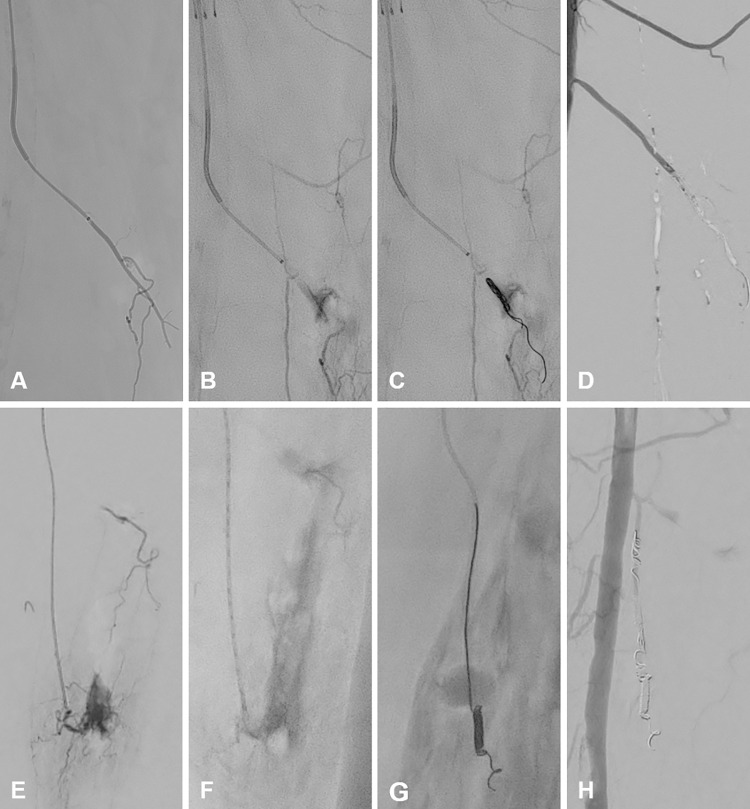 Figure 3
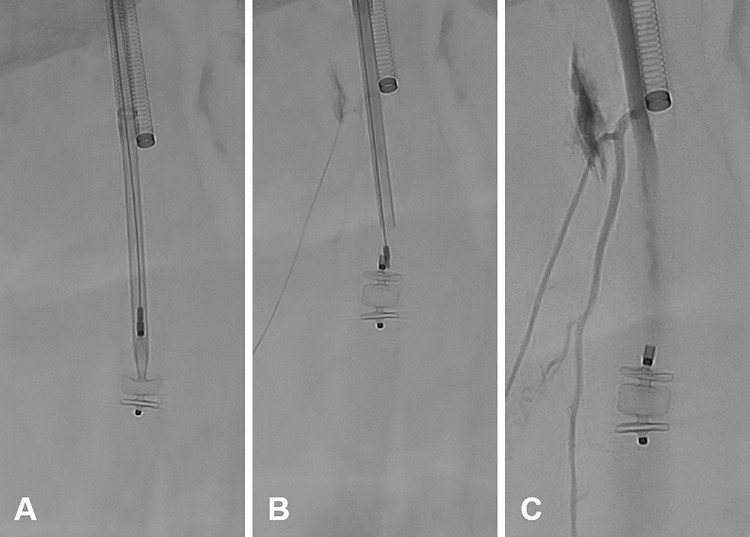 Figure 4
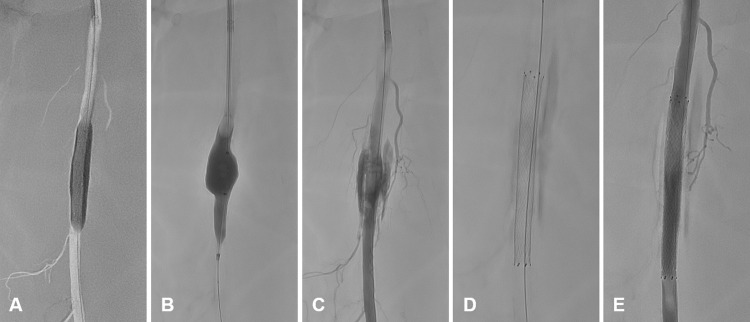 Figure 5
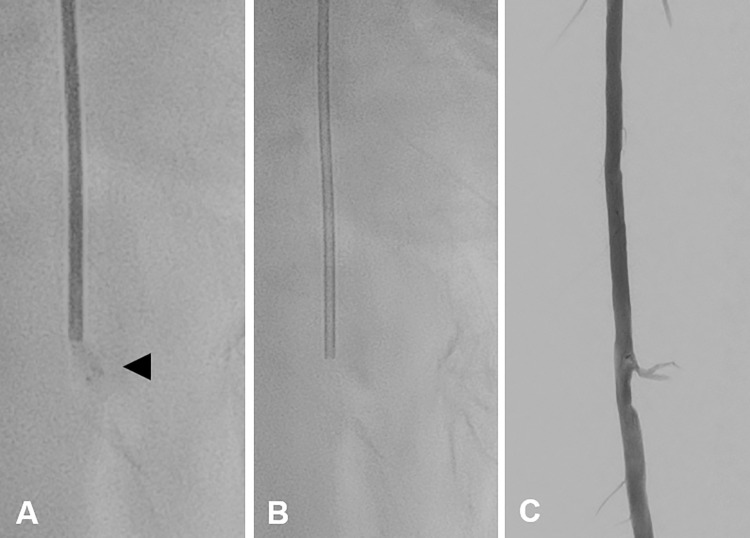 Figure 6
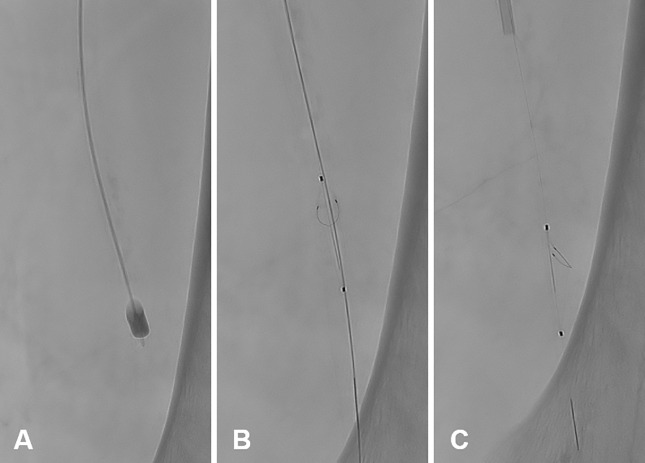 Figure 7
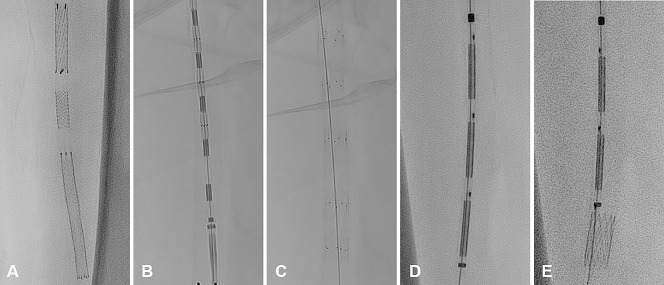 Figure 8
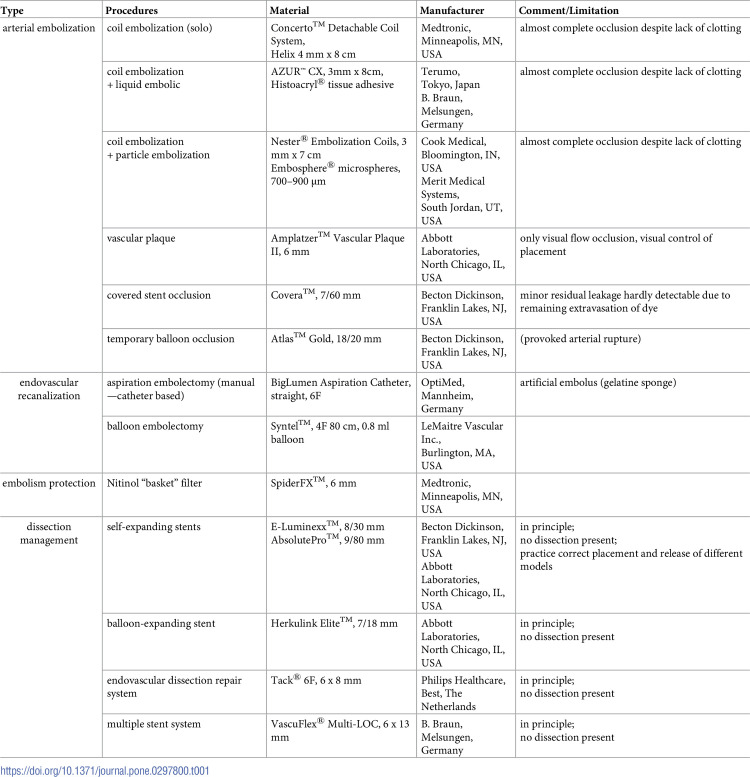 Figure 9
Peer Reviews
No public reviews on file for this paper yet. If you reviewed it on a platform where reviews are public (OpenReview, ICLR, NeurIPS, ICML), you can paste yours below so the community can read it here.
Videos
No videos yet. Explain this paper in a talk, walkthrough, or lecture? Add one.
Taxonomy
TopicsSurgical Simulation and Training · Cardiac, Anesthesia and Surgical Outcomes · Anatomy and Medical Technology