An Unusual Case of Vasospastic Angina Resulting in Multiple Episodes of Cardiac Arrest
Francisco d'Orey, Joao Nuno Patricio, Maria Inês Ribeiro, Hugo Côrte-Real

TL;DR
A rare case of vasospastic angina led to multiple cardiac arrests, which were successfully managed with specific medications.
Contribution
This case highlights an uncommon cause of cardiac arrest and effective treatment with calcium channel blockers and nitroglycerin.
Findings
Coronary vasospasm caused multiple episodes of pulseless electrical activity cardiac arrest.
Treatment with dihydropyridine calcium channel blocker and nitroglycerin patch prevented further episodes.
Telemetry confirmed ST-segment elevation preceding cardiac arrest events.
Abstract
Coronary vasospasm is a well-recognized cause of angina (also known as Prinzmetal angina) and a common cause of admissions to the emergency department and coronary intensive care units. It is however an uncommon cause of cardiac arrest. We describe a patient with multiple episodes of chest pain followed by cardiac arrest in pulseless electrical activity (PEA) due to coronary vasospasm. Telemetry and electrocardiography showed ST-segment elevation followed by PEA. Each event was short-lived and resolved after a maximum of six minutes of advanced life support measures. The patient was started on treatment with a dihydropyridine calcium channel blocker (CCB) and nitroglycerin patch with no further episodes recorded to date.
Genes, proteins, chemicals, diseases, species, mutations and cell lines named across the full text — each resolved to its canonical identifier and authoritative record.
Click any figure to enlarge with its caption.
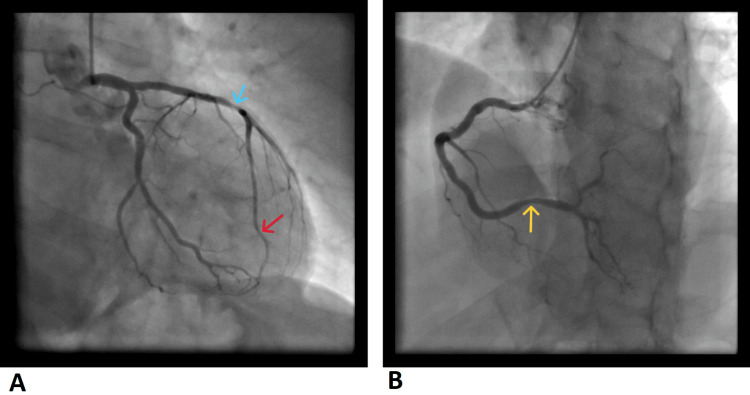 Figure 1
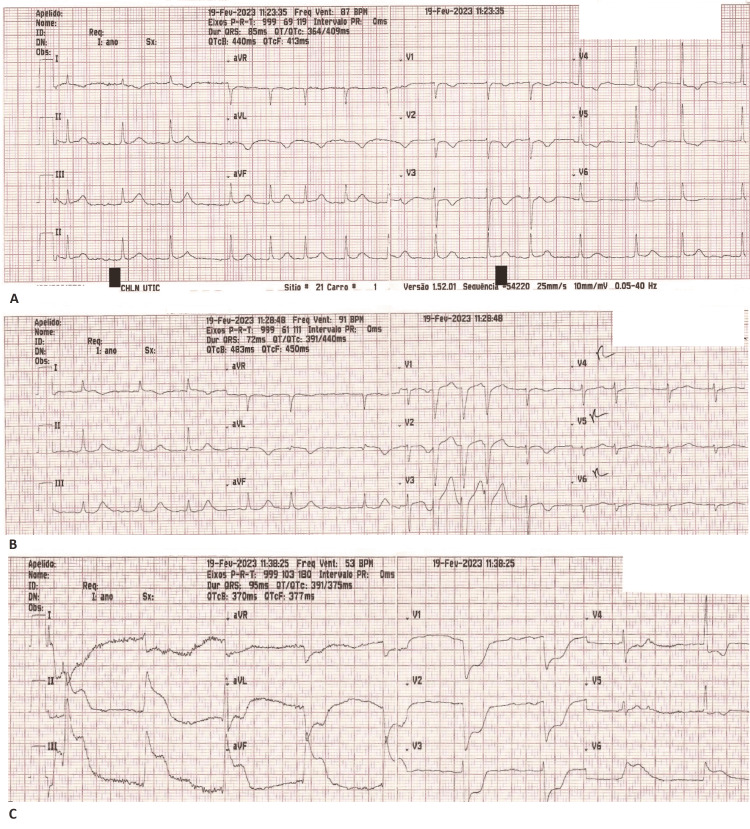 Figure 2
Peer Reviews
No public reviews on file for this paper yet. If you reviewed it on a platform where reviews are public (OpenReview, ICLR, NeurIPS, ICML), you can paste yours below so the community can read it here.
Videos
No videos yet. Explain this paper in a talk, walkthrough, or lecture? Add one.
Taxonomy
TopicsCardiac Imaging and Diagnostics · Cardiac Arrhythmias and Treatments · Cardiac electrophysiology and arrhythmias