Evaluation of Extracellular Matrix Remodeling in Full-thickness Skin Grafts in Mice
Anton Erik Tjust, Urban Hellman, Antonios Giannopoulos, Annika Winsnes, Karin Strigård, Ulf Gunnarsson

TL;DR
This study examines how full-thickness skin grafts remodel in mice, focusing on cell activity and tissue changes over time.
Contribution
The study provides new insights into the cellular and structural remodeling of full-thickness skin grafts in different surgical positions.
Findings
Fibroblast presence, indicated by vimentin and S100A4 staining, was significant in graft remodeling.
Collagen hybridizing peptide staining intensity correlated with S100A4-positive cells in the graft tissue.
Variations in remodeling extent were observed among animals, affecting dense connective tissue formation.
Abstract
Abdominal hernia is a protruding weakness in the abdominal wall. It affects abdominal strength and life quality and can lead to complications due to intestinal entrapment. Autologous full-thickness skin graft (FTSG) has recently become an alternative material for reinforcement in the surgical repair of large abdominal hernias instead of synthetic mesh. FTSG eventually integrates with the abdominal wall, but the long-term fate of the graft itself is not fully understood. This has implications as to how these grafts should be optimally used and handled intraoperatively. This study investigates the remodeling of FTSG in either the onlay or the intraperitoneal position 8 weeks after FTSG transplantation in an experimental mouse model. There was a significant presence of fibroblasts, indicated by vimentin and S100A4 staining, but there were significant variations among animals as to how much…
Genes, proteins, chemicals, diseases, species, mutations and cell lines named across the full text — each resolved to its canonical identifier and authoritative record.
Click any figure to enlarge with its caption.
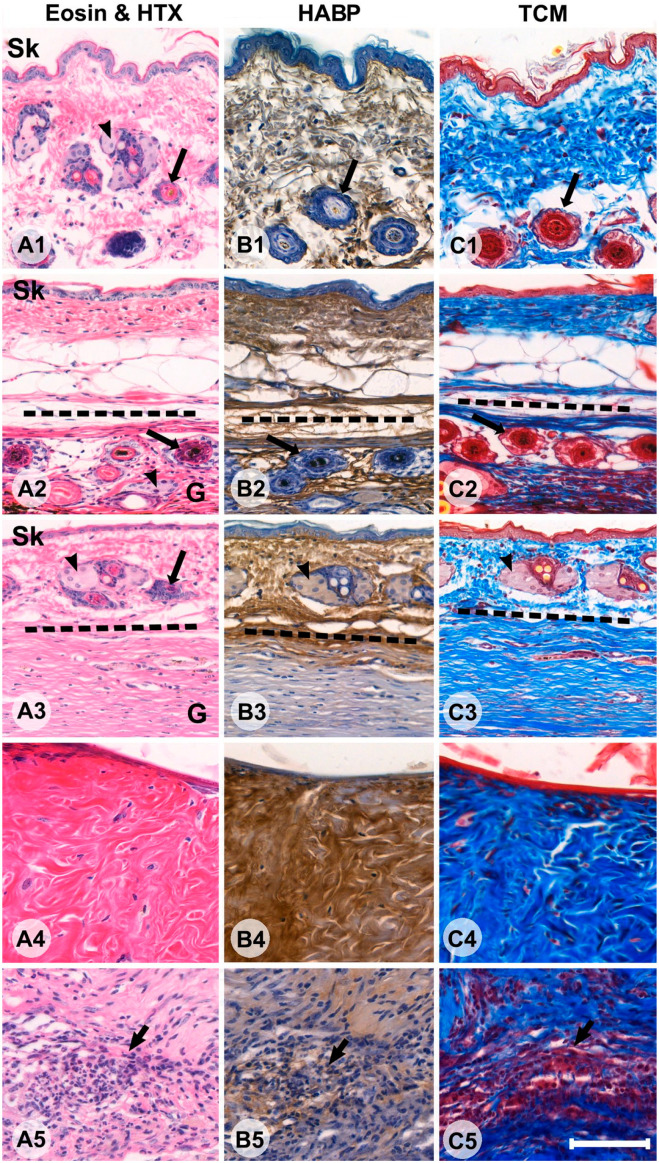 Figure 1
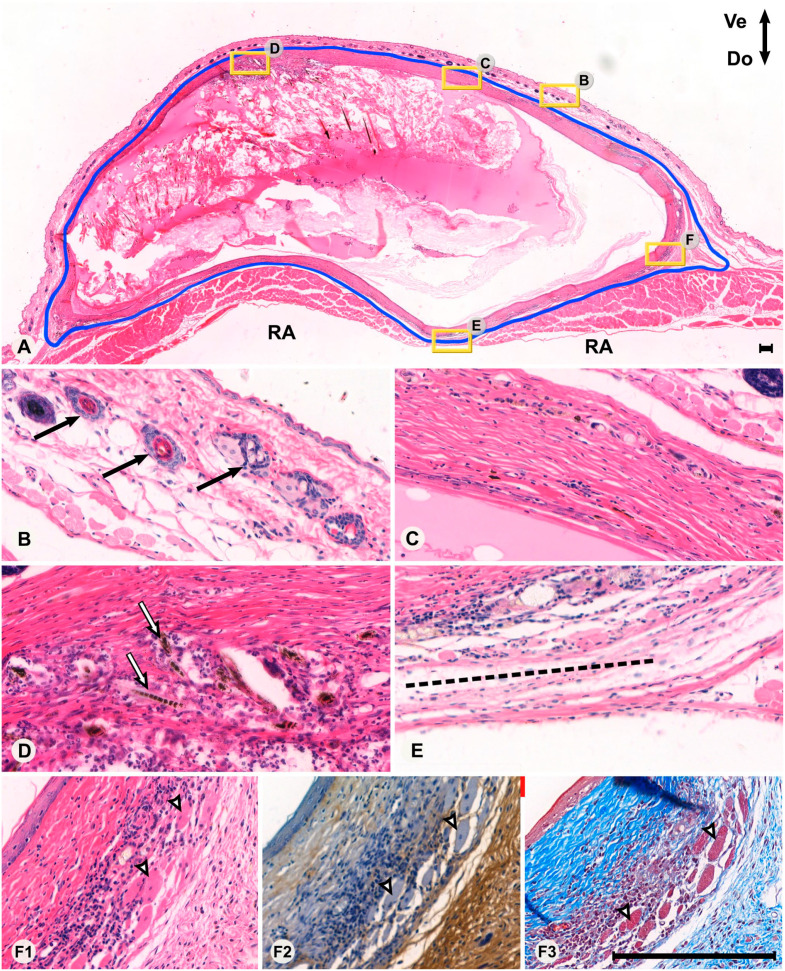 Figure 2
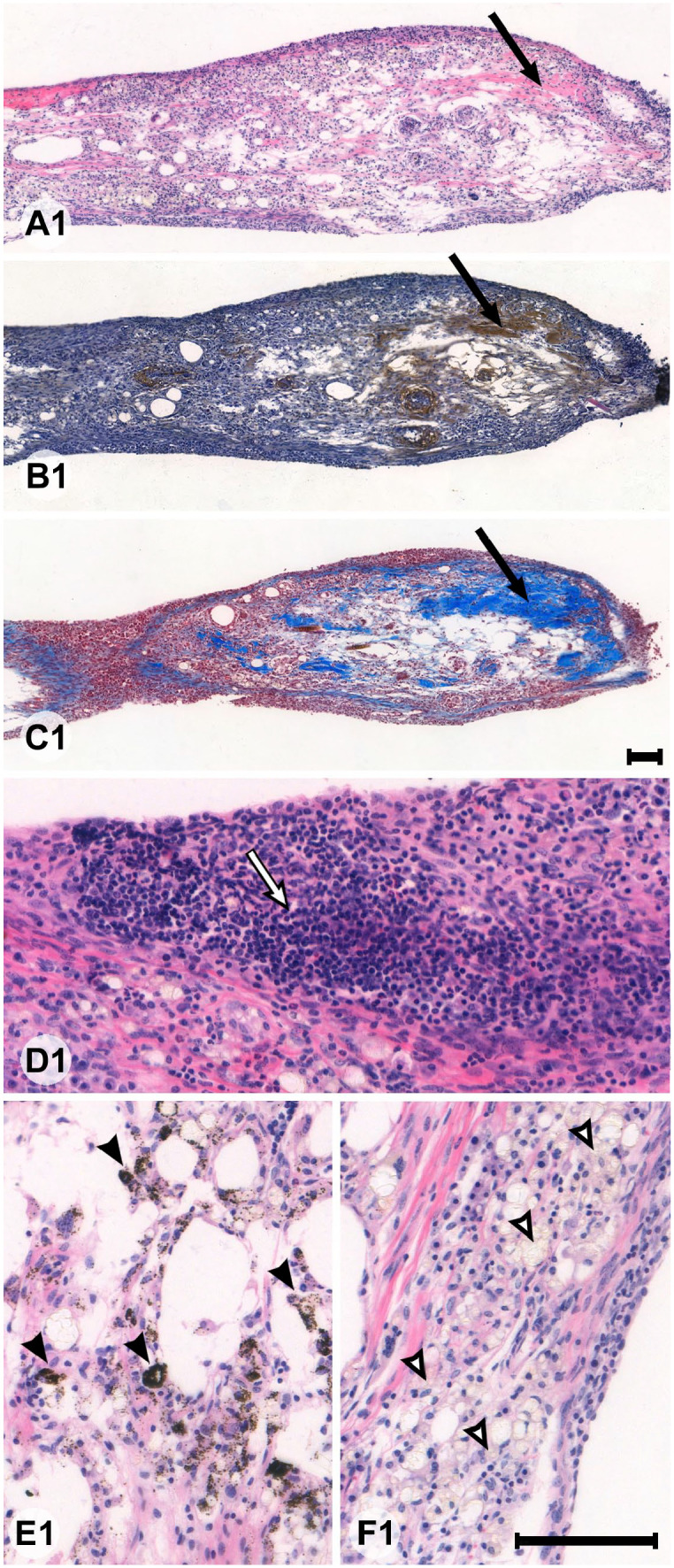 Figure 3
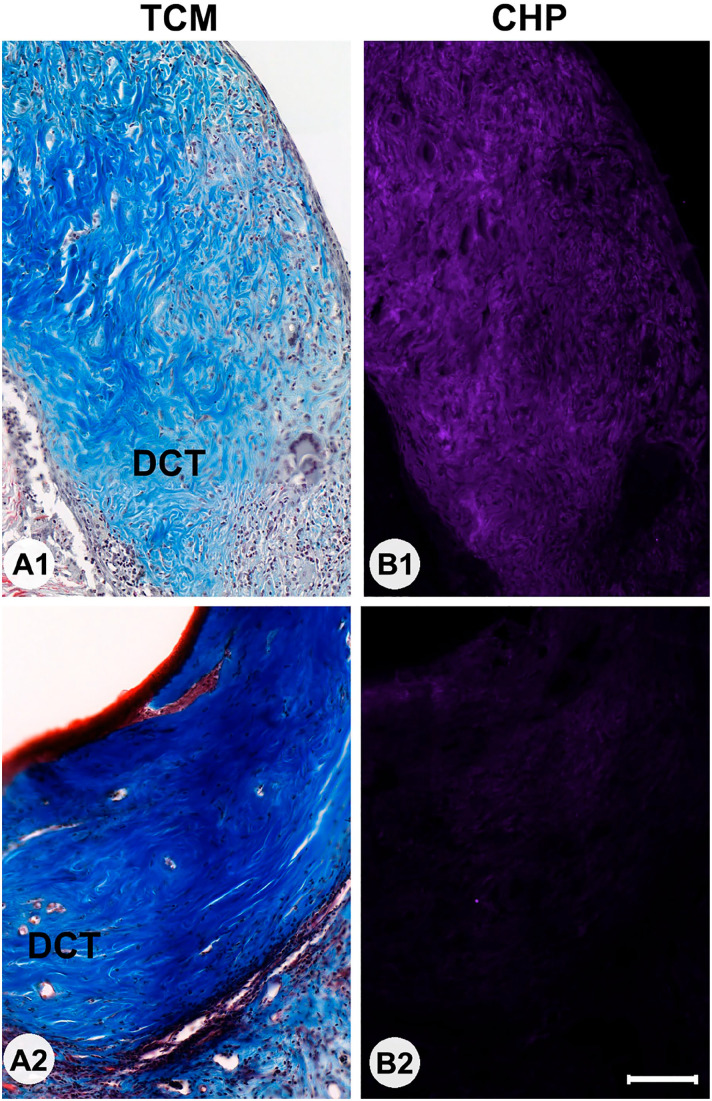 Figure 4
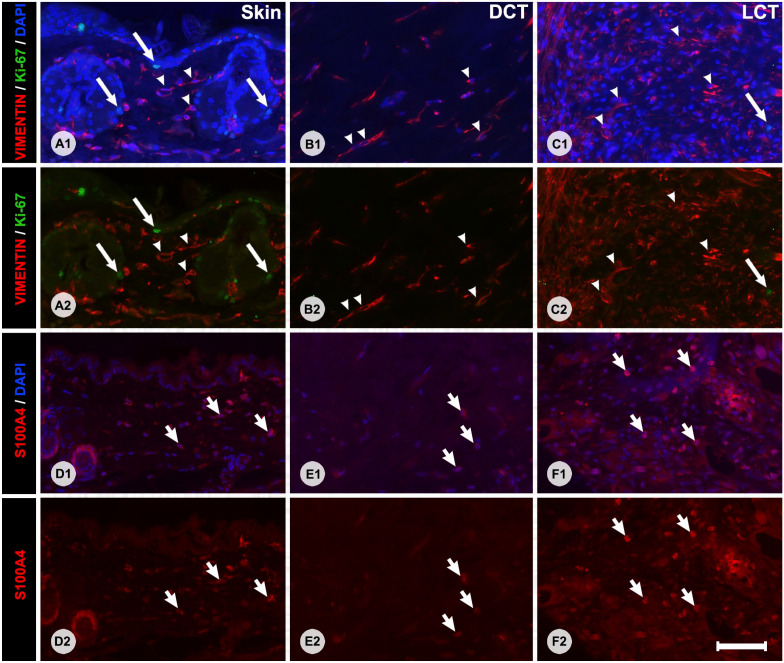 Figure 5
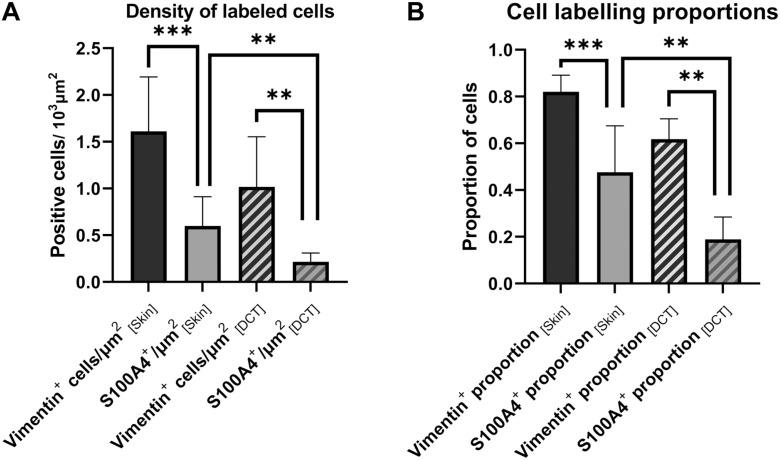 Figure 6
 Figure 7
 Figure 8
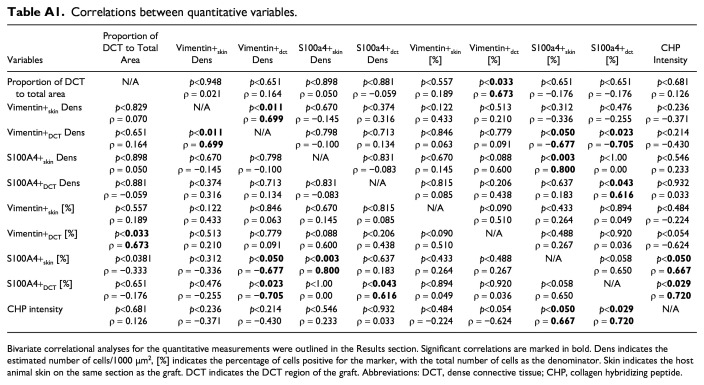 Figure 9
Peer Reviews
No public reviews on file for this paper yet. If you reviewed it on a platform where reviews are public (OpenReview, ICLR, NeurIPS, ICML), you can paste yours below so the community can read it here.
Videos
No videos yet. Explain this paper in a talk, walkthrough, or lecture? Add one.
Taxonomy
TopicsWound Healing and Treatments · Tissue Engineering and Regenerative Medicine · Electrospun Nanofibers in Biomedical Applications