Cancer testis antigen burden (CTAB): a novel biomarker of tumor-associated antigens in lung cancer
R. J. Seager, Maria-Fernanda Senosain, Erik Van Roey, Shuang Gao, Paul DePietro, Mary K. Nesline, Durga Prasad Dash, Shengle Zhang, Heidi Ko, Stephanie B. Hastings, Kyle C. Strickland, Rebecca A. Previs, Taylor J. Jensen, Marcia Eisenberg, Brian J. Caveney, Eric A. Severson

TL;DR
This study introduces CTAB, a new biomarker for lung cancer immunotherapy response based on co-expressed cancer-testis antigens.
Contribution
CTAB is a novel biomarker that measures CTA co-expression and correlates with improved survival and response to immunotherapy.
Findings
CTAs are highly co-expressed in lung cancer and can be reliably measured using CGIP.
High CTAB scores correlate with better survival and response to pembrolizumab monotherapy.
CTAB is independent of PD-L1 expression, indicating it captures unique tumor immunogenicity aspects.
Abstract
Cancer-testis antigens (CTAs) are tumor antigens that are normally expressed in the testes but are aberrantly expressed in several cancers. CTA overexpression drives the metastasis and progression of lung cancer, and is associated with poor prognosis. To improve lung cancer diagnosis, prognostic prediction, and drug discovery, robust CTA identification and quantitation is needed. In this study, we examined and quantified the co-expression of CTAs in lung cancer to derive cancer testis antigen burden (CTAB), a novel biomarker of immunotherapy response. Formalin fixed paraffin embedded (FFPE) tumor samples in discovery cohort (n = 5250) and immunotherapy and combination therapy treated non-small cell lung cancer (NSCLC) retrospective (n = 250) cohorts were tested by comprehensive genomic and immune profiling (CGIP), including tumor mutational burden (TMB) and the mRNA expression of 17…
Genes, proteins, chemicals, diseases, species, mutations and cell lines named across the full text — each resolved to its canonical identifier and authoritative record.
Click any figure to enlarge with its caption.
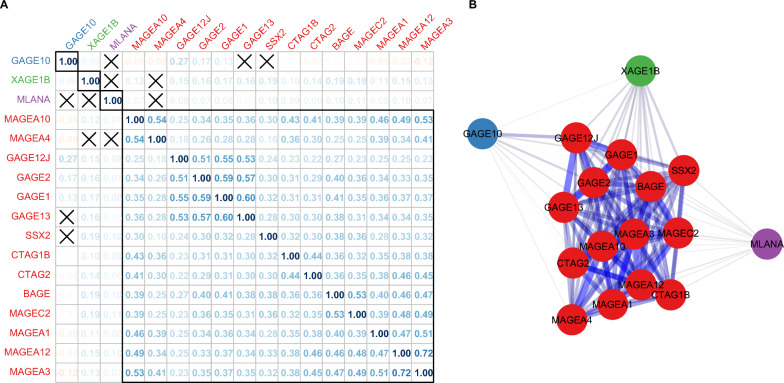 Figure 1
 Figure 2
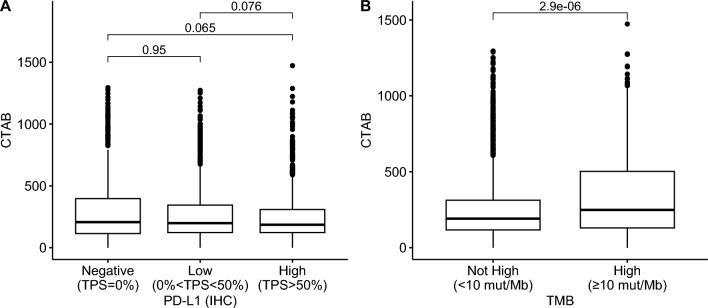 Figure 3
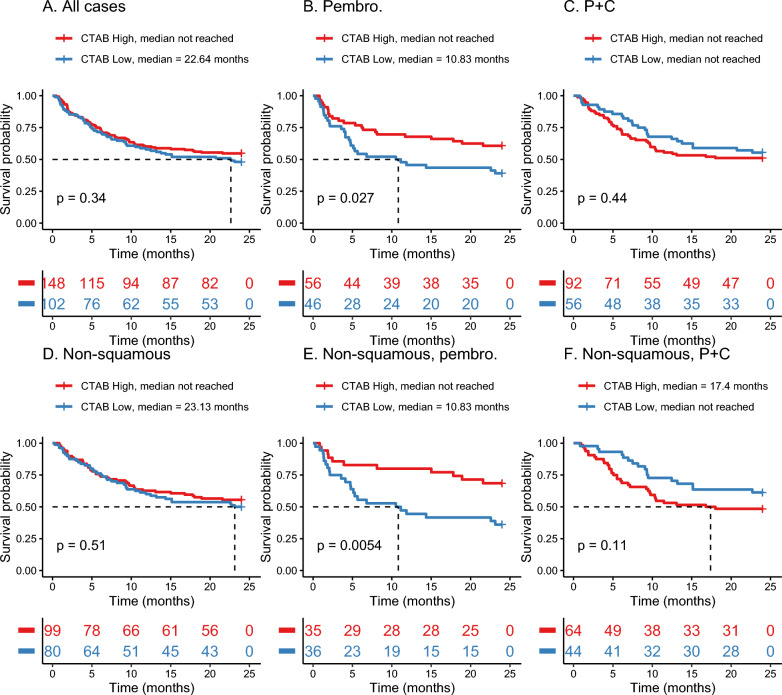 Figure 4
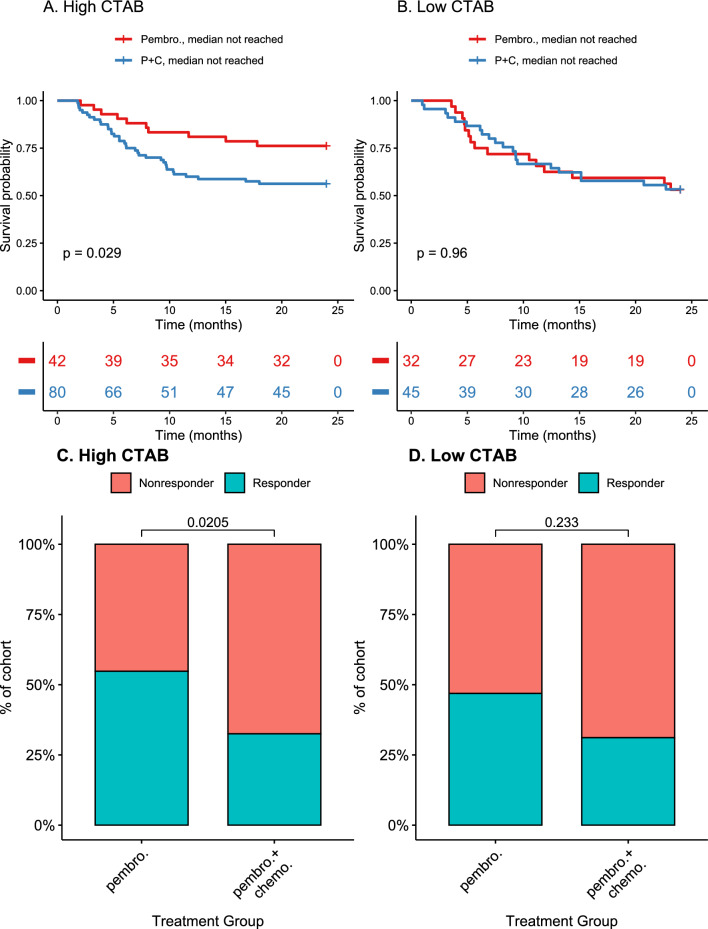 Figure 5
Peer Reviews
No public reviews on file for this paper yet. If you reviewed it on a platform where reviews are public (OpenReview, ICLR, NeurIPS, ICML), you can paste yours below so the community can read it here.
Videos
No videos yet. Explain this paper in a talk, walkthrough, or lecture? Add one.
Taxonomy
TopicsNuclear and radioactivity studies · Graphite, nuclear technology, radiation studies