Modified blade: an interventional option in rigid bronchoscopy for non-resectable benign tracheal stenosis
Gaetana Messina, Vincenzo Di Filippo, Francesca Capasso, Maria Antonietta Puca, Beatrice Leonardi, Mario Grande, Anna Rainone, Francesco Leone, Giuseppe Vicario, Simona De Gregorio, Giuseppe Cerullo, Antonio Ponticiello, Mario Pirozzi, Stefano Farese, Alessia Zotta

TL;DR
A modified blade used in bronchoscopy effectively treats non-resectable benign tracheal stenosis, offering better long-term outcomes than laser treatment.
Contribution
The study introduces a bronchoscopic blade technique for treating tracheal stenosis with reduced recurrence rates compared to laser therapy.
Findings
99% of patients with simple stenosis had successful long-term outcomes using the blade.
Blade treatment showed lower recurrence rates compared to laser therapy in the first and third months.
No complications were observed during the blade-based bronchoscopic procedure.
Abstract
Benign tracheobronchial stenosis is a abnormal tracheal lumen narrowing that may incur progressive dyspnea and life-threatening hypoxemia. There is no consensus on which patients should be treated with endoscopic or surgical method. This study investigates the outcomes of bronchoscopic dilatation in the treatment of benign tracheal stenosis using a device equipped with a blade to cut the stenotic lesions with dense fibrosis. The procedure was carried out in an operating room under general anesthesia. All patients were intubated with a Rigid Bronchoscope (RB) placed just above the stenosis. Through Rigid Bronchoscopy combined modalities were used as needed: radial incisions of the mucosal stenosis with blade at the levels of 4, 8 and 12 o’clock, with back and forth movements, then the stenotic area was dilated more easily with a rigid bronchoscope. Dilatation was performed by passing…
Genes, proteins, chemicals, diseases, species, mutations and cell lines named across the full text — each resolved to its canonical identifier and authoritative record.
Click any figure to enlarge with its caption.
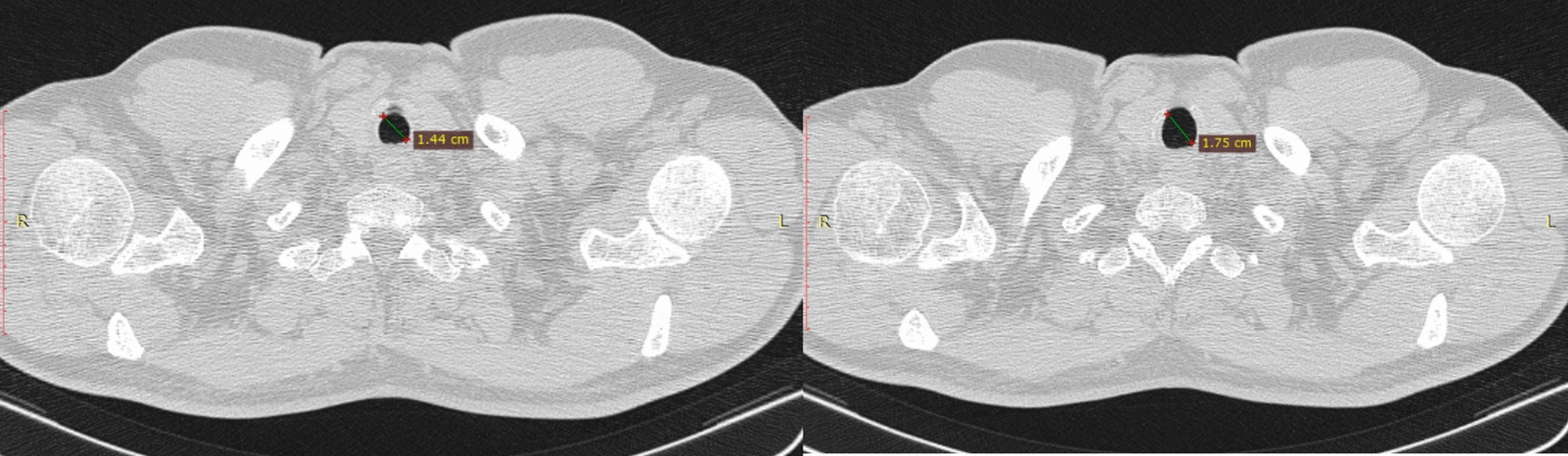 Figure 1
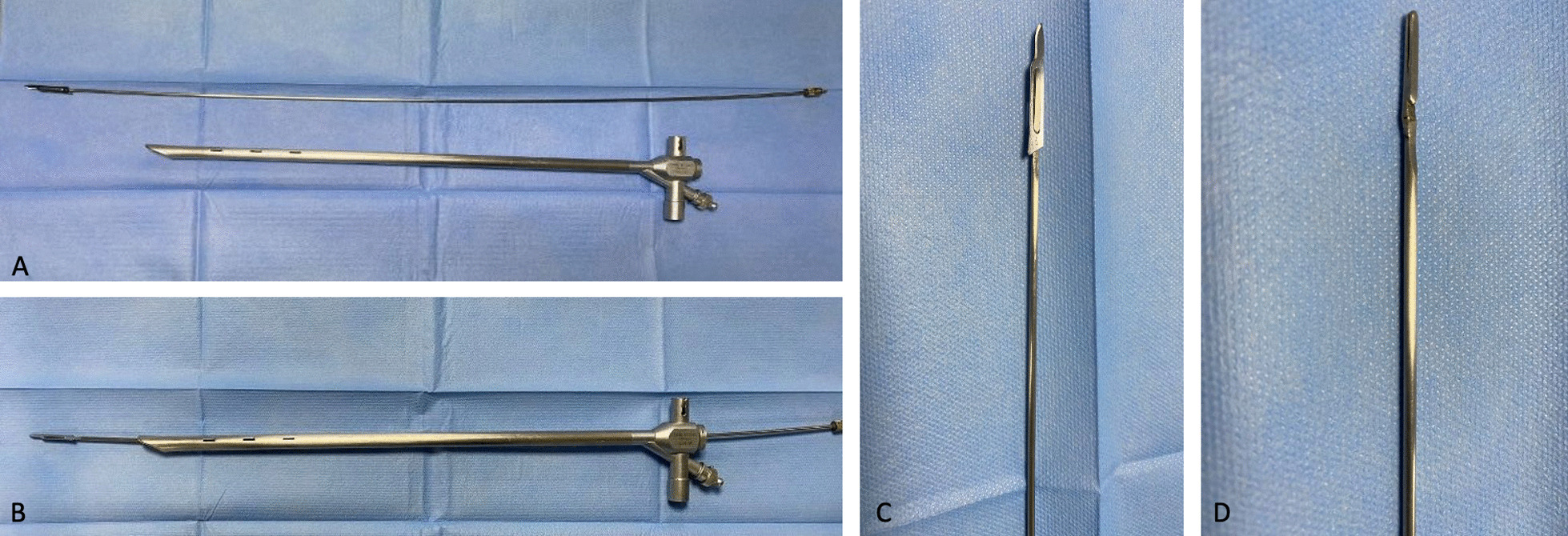 Figure 2
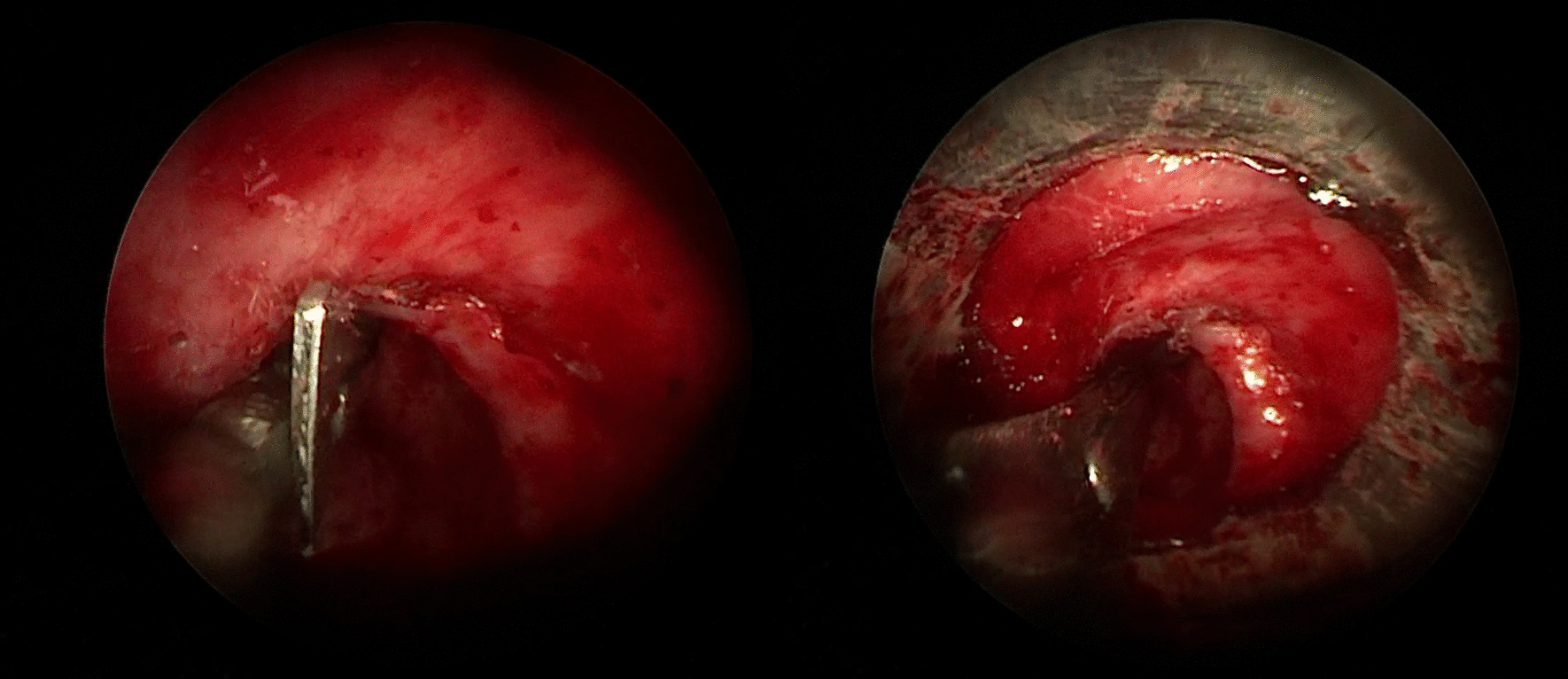 Figure 3
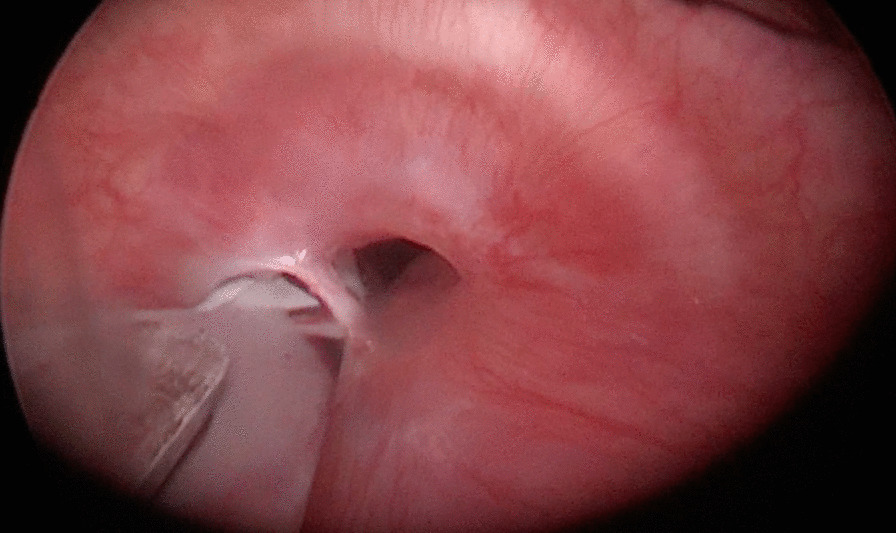 Figure 4
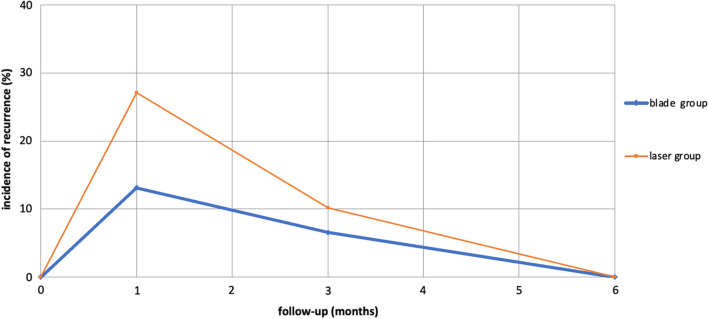 Figure 5
Peer Reviews
No public reviews on file for this paper yet. If you reviewed it on a platform where reviews are public (OpenReview, ICLR, NeurIPS, ICML), you can paste yours below so the community can read it here.
Videos
No videos yet. Explain this paper in a talk, walkthrough, or lecture? Add one.
Taxonomy
TopicsTracheal and airway disorders · Airway Management and Intubation Techniques · Esophageal and GI Pathology