Paraovarian cyst with associated ovarian torsion: The importance of early diagnosis
Deborah Desiree Coelho Marra, Bruna Suda Rodrigues, Gabriel Miura, Élcio Roberto Duarte, Márcio Luís Duarte

TL;DR
This paper discusses the challenges of diagnosing paraovarian cysts with ovarian torsion and highlights the importance of early detection using imaging tests.
Contribution
The paper emphasizes the role of imaging tests in improving early diagnosis of adnexal torsion.
Findings
Paraovarian cysts are located in the broad ligament between the ovary and fallopian tube.
Imaging tests like ultrasound are useful in diagnosing adnexal torsion.
Symptoms such as abdominal pain, nausea, and vomiting are common in affected patients.
Abstract
The paraovarian or paratubarian cysts are both situated in the broad ligament between the ovary and fallopian tube. The diagnosis of adnexal torsion is challenging since both symptoms and physical examination are nonspecific. In most cases, the patient presents abdominal pain, followed by nausea and vomiting. Imaging tests, such as ultrasound, are very useful to elucidate the cause of the symptoms in those patients.
Genes, proteins, chemicals, diseases, species, mutations and cell lines named across the full text — each resolved to its canonical identifier and authoritative record.
Click any figure to enlarge with its caption.
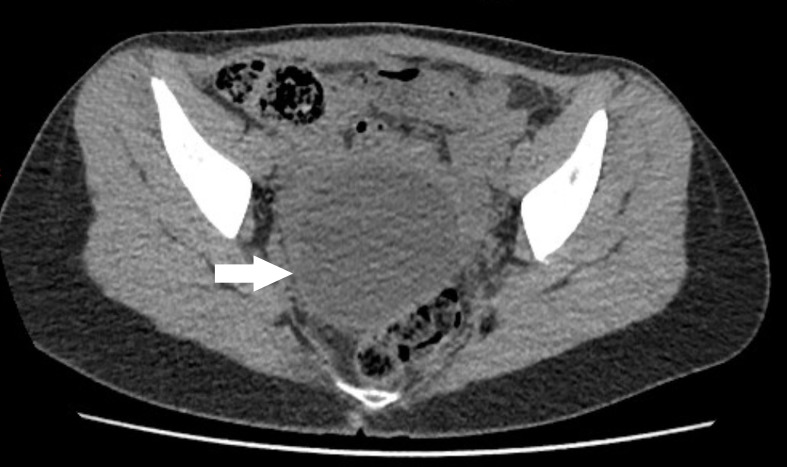 Figure 1
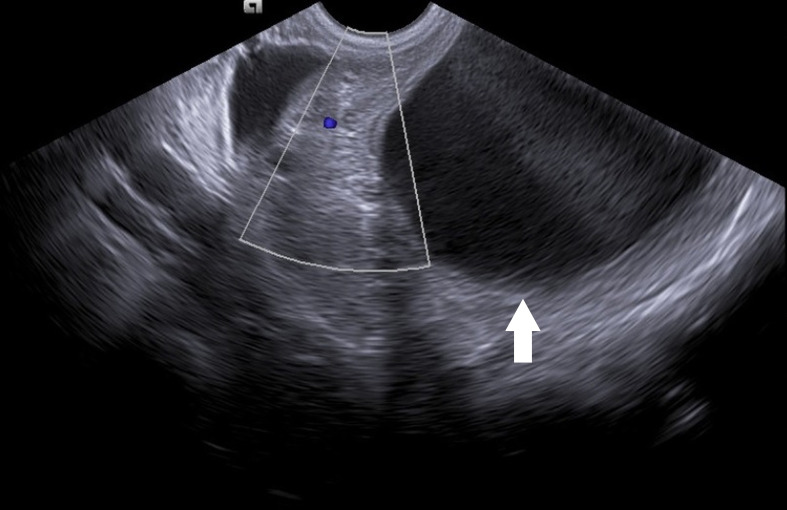 Figure 2
Peer Reviews
No public reviews on file for this paper yet. If you reviewed it on a platform where reviews are public (OpenReview, ICLR, NeurIPS, ICML), you can paste yours below so the community can read it here.
Videos
No videos yet. Explain this paper in a talk, walkthrough, or lecture? Add one.
Taxonomy
TopicsOvarian cancer diagnosis and treatment · Ovarian function and disorders