13C-Metabolic flux analysis detected a hyperoxemia-induced reduction of tricarboxylic acid cycle metabolism in granulocytes during two models of porcine acute subdural hematoma and hemorrhagic shock
Eva-Maria Wolfschmitt, Josef Albert Vogt, Melanie Hogg, Ulrich Wachter, Nicole Stadler, Thomas Kapapa, Thomas Datzmann, David Alexander Christian Messerer, Andrea Hoffmann, Michael Gröger, Franziska Münz, René Mathieu, Simon Mayer, Tamara Merz, Pierre Asfar, Enrico Calzia

TL;DR
This study found that high oxygen levels during treatment of brain injury and blood loss in pigs reduced the metabolic activity of granulocytes, a type of immune cell.
Contribution
The study is the first to use 13C-metabolic flux analysis to show hyperoxemia reduces TCA cycle activity in granulocytes during acute subdural hematoma and hemorrhagic shock.
Findings
Hyperoxemia reduced tricarboxylic acid (TCA) cycle activity in granulocytes during resuscitation.
Glutamine uptake and oxaloacetate/aspartate supply for biosynthesis were affected in granulocytes.
Hypercholesterolemic swine showed elevated superoxide levels, but hyperoxia did not impact mitochondrial respiration in PBMCs or granulocytes.
Abstract
Supplementation with increased inspired oxygen fractions has been suggested to alleviate the harmful effects of tissue hypoxia during hemorrhagic shock (HS) and traumatic brain injury. However, the utility of therapeutic hyperoxia in critical care is disputed to this day as controversial evidence is available regarding its efficacy. Furthermore, in contrast to its hypoxic counterpart, the effect of hyperoxia on the metabolism of circulating immune cells remains ambiguous. Both stimulating and detrimental effects are possible; the former by providing necessary oxygen supply, the latter by generation of excessive amounts of reactive oxygen species (ROS). To uncover the potential impact of increased oxygen fractions on circulating immune cells during intensive care, we have performed a 13C-metabolic flux analysis (MFA) on PBMCs and granulocytes isolated from two long-term, resuscitated…
Genes, proteins, chemicals, diseases, species, mutations and cell lines named across the full text — each resolved to its canonical identifier and authoritative record.
Click any figure to enlarge with its caption.
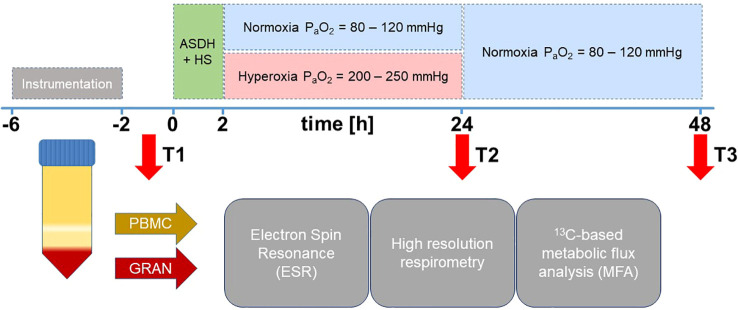 Figure 1
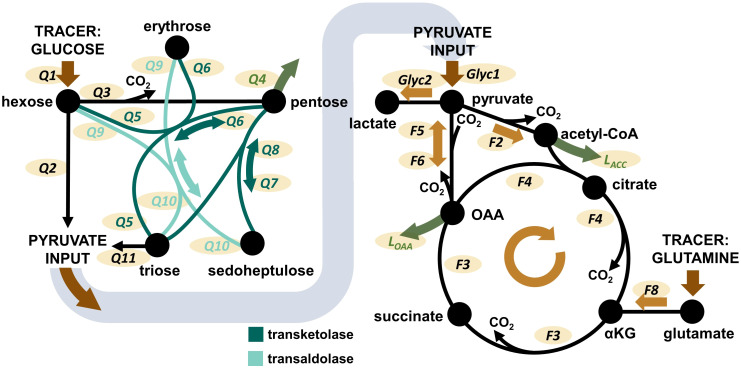 Figure 2
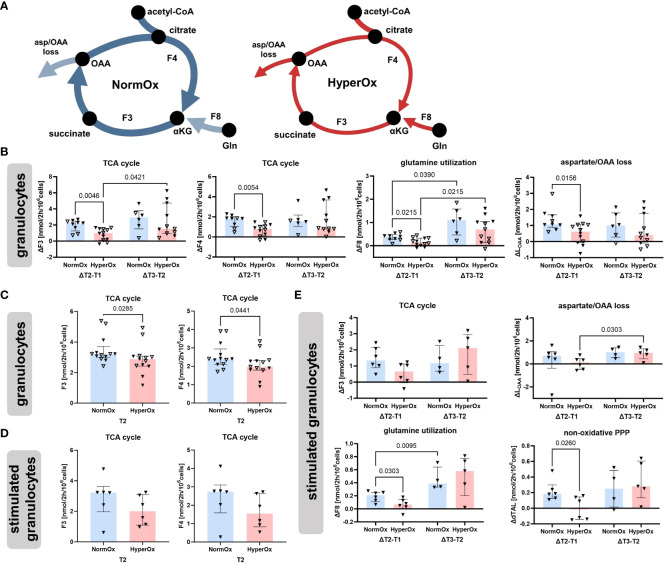 Figure 3
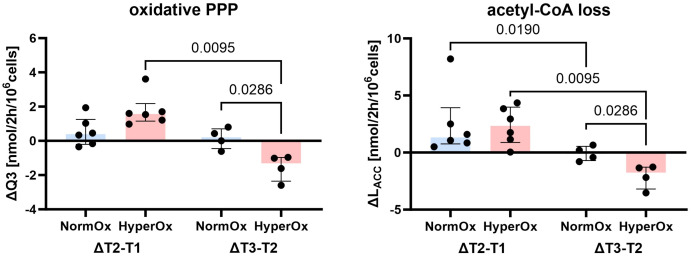 Figure 4
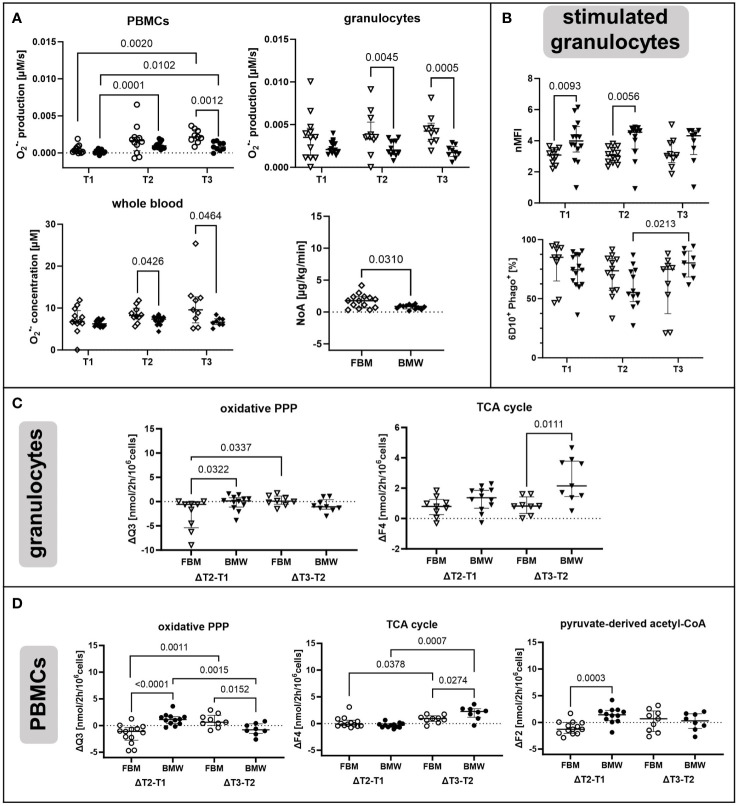 Figure 5
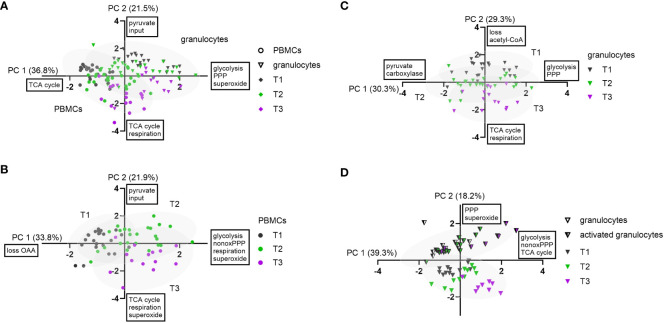 Figure 6
Peer Reviews
No public reviews on file for this paper yet. If you reviewed it on a platform where reviews are public (OpenReview, ICLR, NeurIPS, ICML), you can paste yours below so the community can read it here.
Videos
No videos yet. Explain this paper in a talk, walkthrough, or lecture? Add one.
Taxonomy
TopicsTraumatic Brain Injury and Neurovascular Disturbances · Sepsis Diagnosis and Treatment · Cardiac Arrest and Resuscitation