Cerebrospinal fluid level of proNGF as potential diagnostic biomarker in patients with frontotemporal dementia
Francesca Malerba, Rita Florio, Ivan Arisi, Chiara Zecca, Maria Teresa Dell’Abate, Giancarlo Logroscino, Antonino Cattaneo

TL;DR
This study explores proNGF levels in cerebrospinal fluid as a potential biomarker to improve the diagnosis of frontotemporal dementia.
Contribution
The study introduces proNGF as a novel potential biomarker for diagnosing frontotemporal dementia.
Findings
ProNGF levels in cerebrospinal fluid significantly differ between frontotemporal dementia patients and Alzheimer’s disease, memory complaint, and control groups.
Adding proNGF to existing biomarkers improves diagnostic accuracy for frontotemporal dementia.
The findings suggest proNGF could be part of a biomarker panel for better FTD diagnosis.
Abstract
Frontotemporal dementia (FTD) is an extremely heterogeneous and complex neurodegenerative disease, exhibiting different phenotypes, genetic backgrounds, and pathological states. Due to these characteristics, and to the fact that clinical symptoms overlap with those of other neurodegenerative diseases or psychiatric disorders, the diagnosis based only on the clinical evaluation is very difficult. The currently used biomarkers help in the clinical diagnosis, but are insufficient and do not cover all the clinical needs. By the means of a new immunoassay, we have measured and analyzed the proNGF levels in 43 cerebrospinal fluids (CSF) from FTD patients, and compared the results to those obtained in CSF from 84 Alzheimer’s disease (AD), 15 subjective memory complaints (SMC) and 13 control subjects. A statistically significant difference between proNGF levels in FTD compared to AD, SMC and…
Genes, proteins, chemicals, diseases, species, mutations and cell lines named across the full text — each resolved to its canonical identifier and authoritative record.
Click any figure to enlarge with its caption.
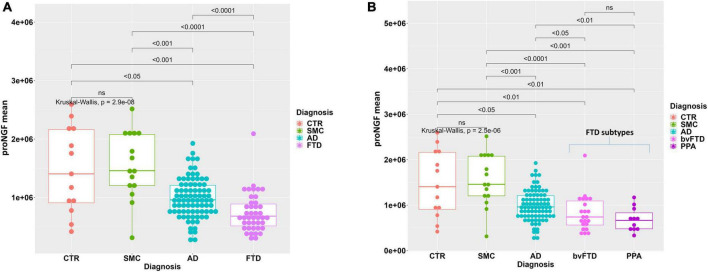 Figure 1
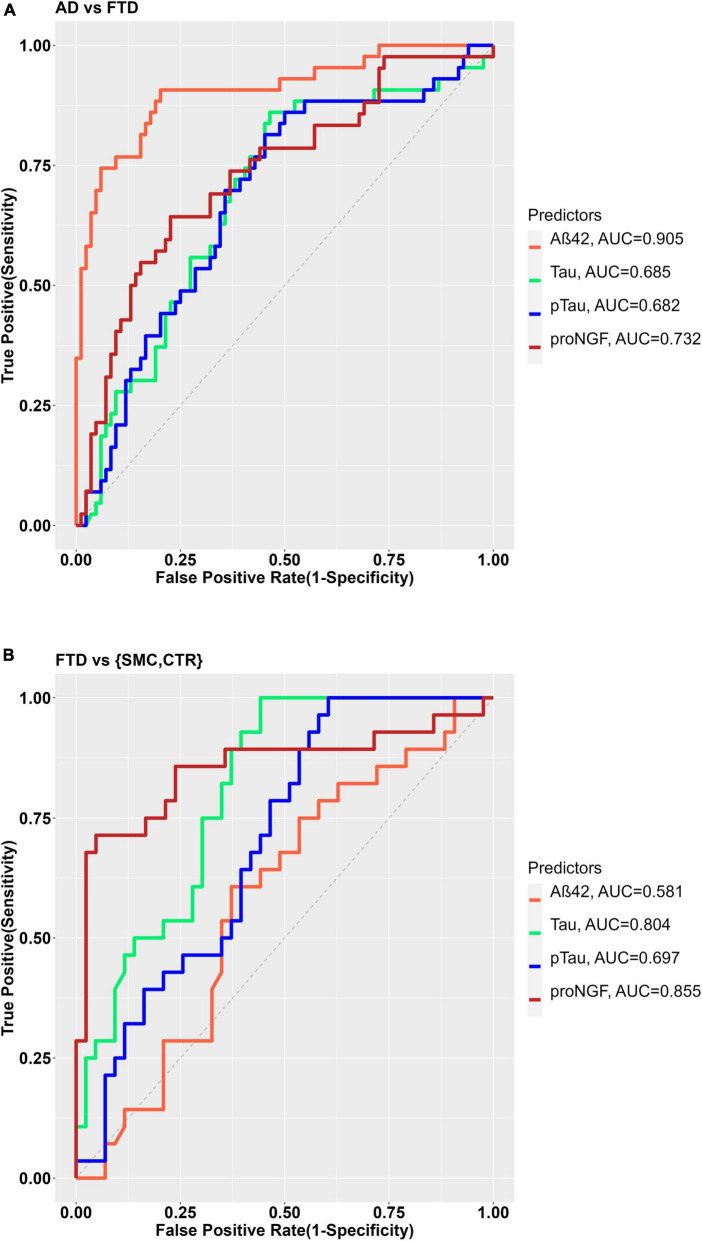 Figure 2
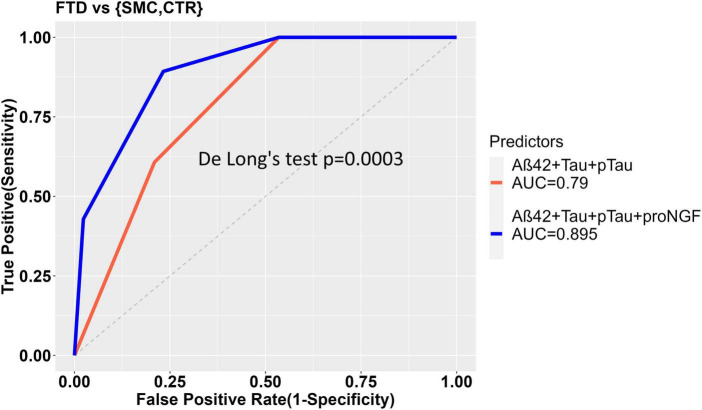 Figure 3
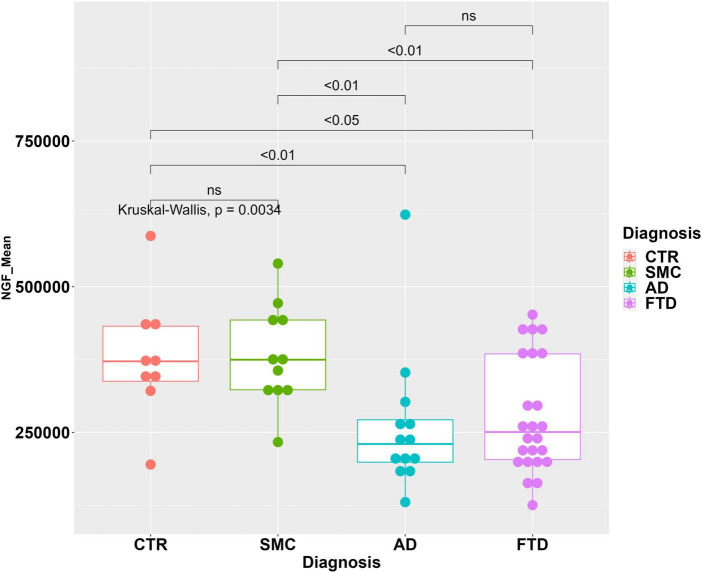 Figure 4
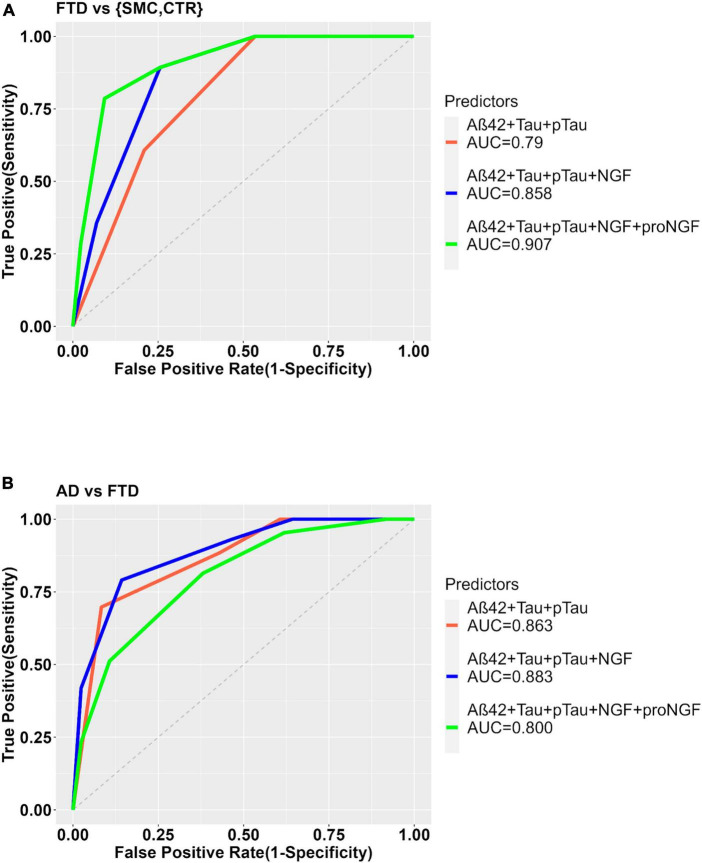 Figure 5
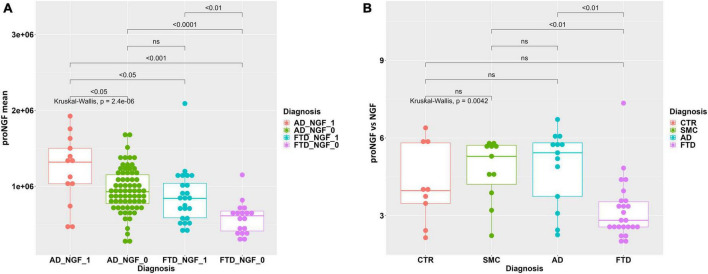 Figure 6
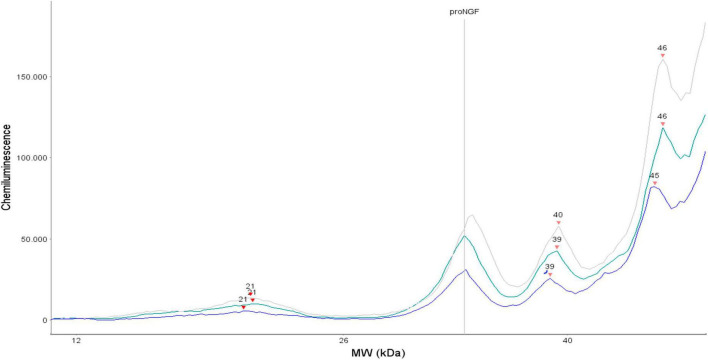 Figure 7
Peer Reviews
No public reviews on file for this paper yet. If you reviewed it on a platform where reviews are public (OpenReview, ICLR, NeurIPS, ICML), you can paste yours below so the community can read it here.
Videos
No videos yet. Explain this paper in a talk, walkthrough, or lecture? Add one.
Taxonomy
TopicsDementia and Cognitive Impairment Research · Alzheimer's disease research and treatments · Cerebrovascular and genetic disorders