Application of electrocoagulation process for the disposal of COD, NH3-N and turbidity from the intermediate sanitary landfill leachate
Aysenur Ogedey, Ensar Oguz

TL;DR
This study shows that electrocoagulation effectively removes pollutants like COD, NH3-N, and turbidity from landfill leachate, with high efficiency and pseudo-first-order reaction kinetics.
Contribution
The study evaluates electrocoagulation performance for intermediate landfill leachate treatment with detailed kinetic and cost analysis.
Findings
Electrocoagulation achieved 87% COD and 62% turbidity removal at pH 5 after 40 minutes.
NH3-N removal reached 33% at 10 mM NaCl concentration.
Reaction kinetics followed pseudo-first-order with high R2 values (0.93–0.99).
Abstract
This study aims to determine the COD, NH3-N and turbidity disposal efficiencies from leachate in the Bingöl landfill and highlight the electrocoagulation (EC) process’s performance in removing these pollutants. After establishing that landfill leachate was intermediate aged, its characteristics were identified using physical, chemical and elemental analyses. Six parallel-connected electrode plates with stainless steel as the cathode and aluminium as the anode were used to construct an electrocoagulation cell. After a 40-min treatment interval, the optimal disposal efficiencies for COD and turbidity from the leachate were determined to be 87% and 62%, respectively, at pH 5. Following a 40-min reaction, BOD5 concentration and BOD5/COD ratio were determined to be 85.75 mg O2/L and 0.64, respectively, at pH 5. At a NaCl concentration of 10 mM, the optimum disposal efficiency for NH3-N was…
Genes, proteins, chemicals, diseases, species, mutations and cell lines named across the full text — each resolved to its canonical identifier and authoritative record.
Click any figure to enlarge with its caption.
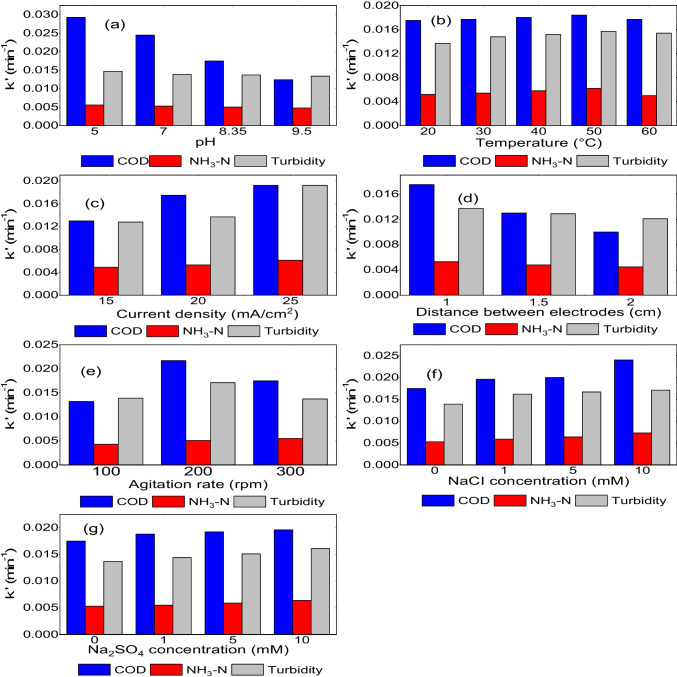 Figure 10
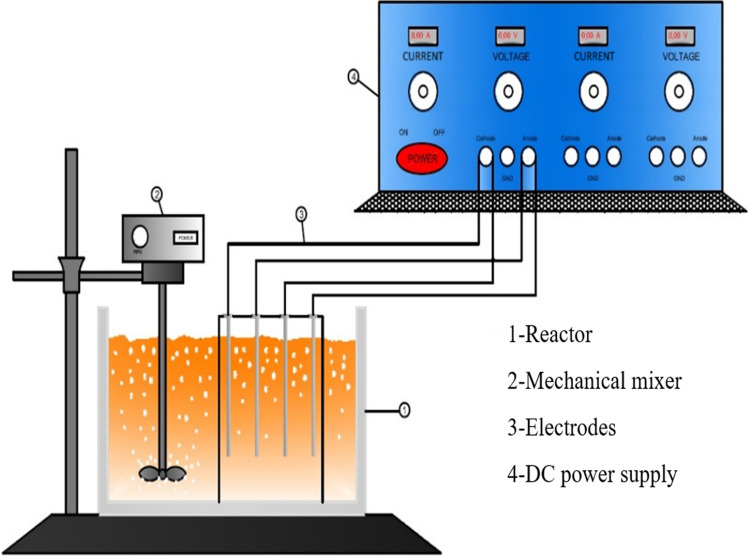 Figure 1
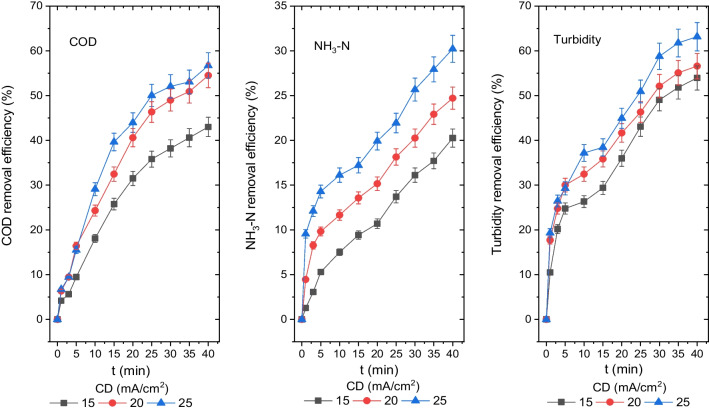 Figure 2
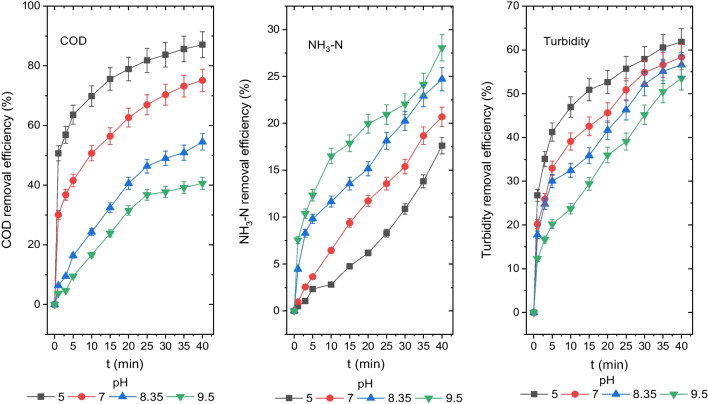 Figure 3
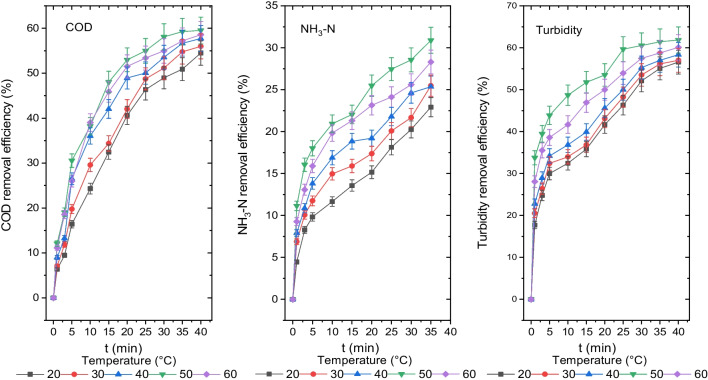 Figure 4
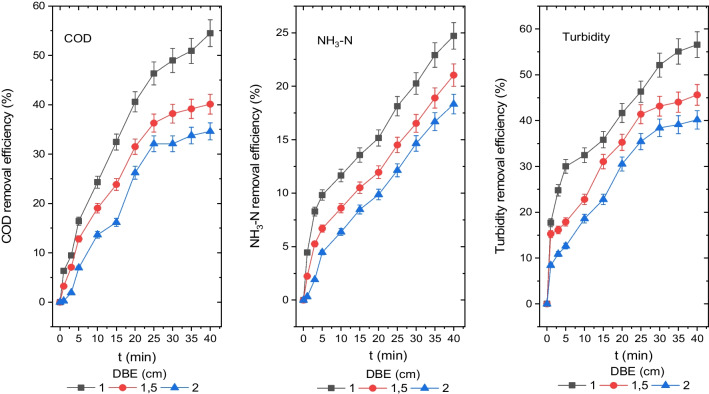 Figure 5
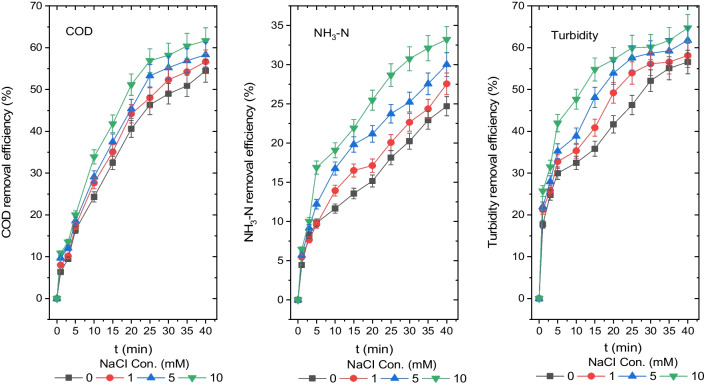 Figure 6
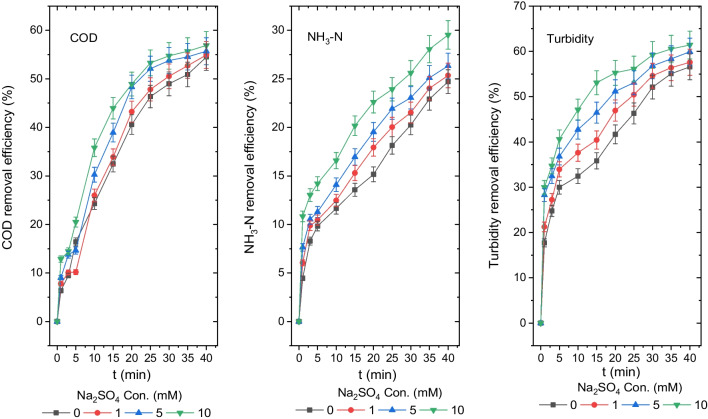 Figure 7
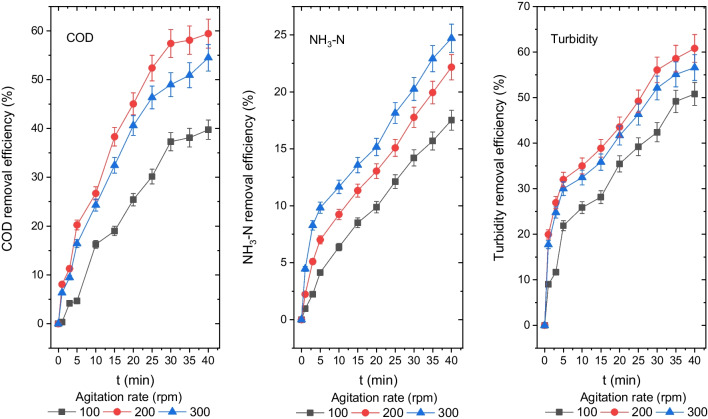 Figure 8
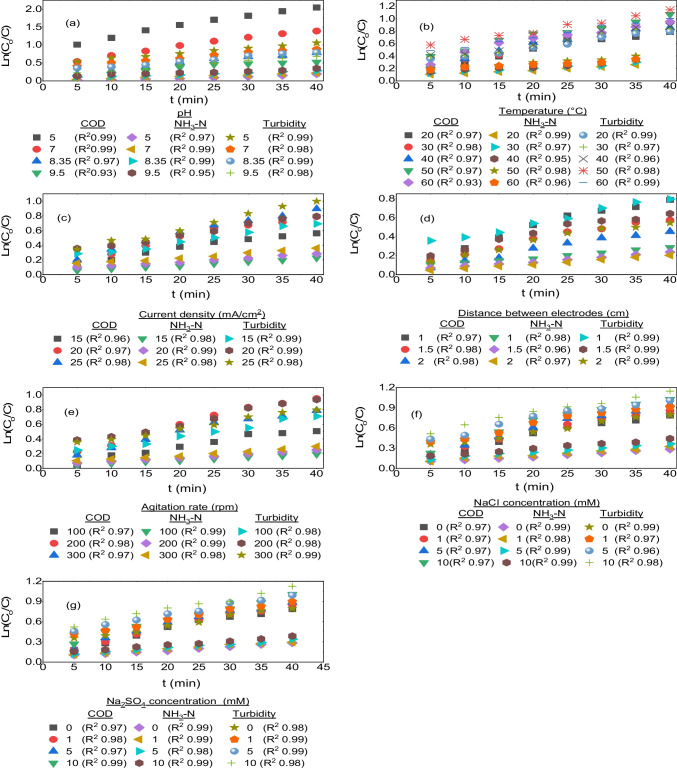 Figure 9
Peer Reviews
No public reviews on file for this paper yet. If you reviewed it on a platform where reviews are public (OpenReview, ICLR, NeurIPS, ICML), you can paste yours below so the community can read it here.
Videos
No videos yet. Explain this paper in a talk, walkthrough, or lecture? Add one.
Taxonomy
TopicsAdvanced Database Systems and Queries · Logic, Reasoning, and Knowledge