Transcriptomic analysis reveals the molecular basis of photoperiod-regulated sex differentiation in tropical pumpkins (Cucurbita moschata Duch.)
Shudan Xue, Hexun Huang, Yingchao Xu, Ling Liu, Qitao Meng, Jitong Zhu, Meijiang Zhou, Hu Du, Chunpeng Yao, Qingmin Jin, Chengrong Nie, Yujuan Zhong

TL;DR
This study identifies genes involved in how day length affects sex differentiation in pumpkins, offering insights to improve crop adaptability.
Contribution
The study provides a transcriptomic analysis linking photoperiod sensitivity to specific genes regulating female flower differentiation in pumpkins.
Findings
Photoperiod-sensitive pumpkins show inhibited female flower differentiation under long days.
Genes related to photoreception and circadian rhythms are upregulated in photoperiod-sensitive pumpkins.
Genes involved in ethylene synthesis and gibberellic acid signaling are differentially regulated in response to day length.
Abstract
Photoperiod, or the length of the day, has a significant impact on the flowering and sex differentiation of photoperiod-sensitive crops. The “miben” pumpkin (the main type of Cucurbita moschata Duch.) is well-known for its high yield and strong disease resistance. However, its cultivation has been limited due to its sensitivity to photoperiod. This sensitivity imposes challenges on its widespread cultivation and may result in suboptimal yields in regions with specific daylength conditions. As a consequence, efforts are being made to explore potential strategies or breeding techniques to enhance its adaptability to a broader range of photoperiods, thus unlocking its full cultivation potential and further promoting its valuable traits in agriculture. This study aimed to identify photoperiod-insensitive germplasm exhibiting no difference in sex differentiation under different day-length…
Genes, proteins, chemicals, diseases, species, mutations and cell lines named across the full text — each resolved to its canonical identifier and authoritative record.
Click any figure to enlarge with its caption.
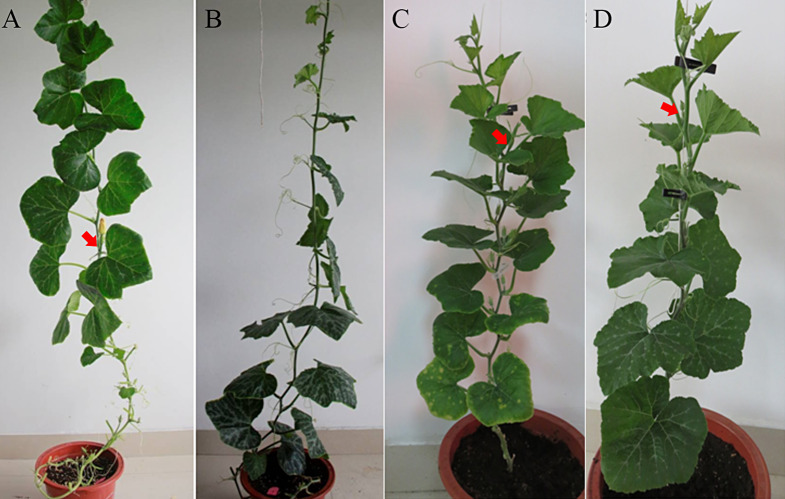 Figure 1
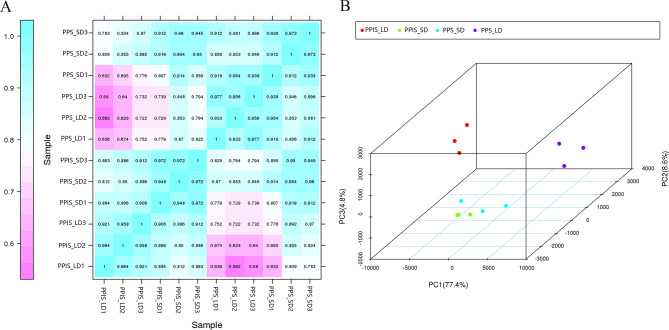 Figure 2
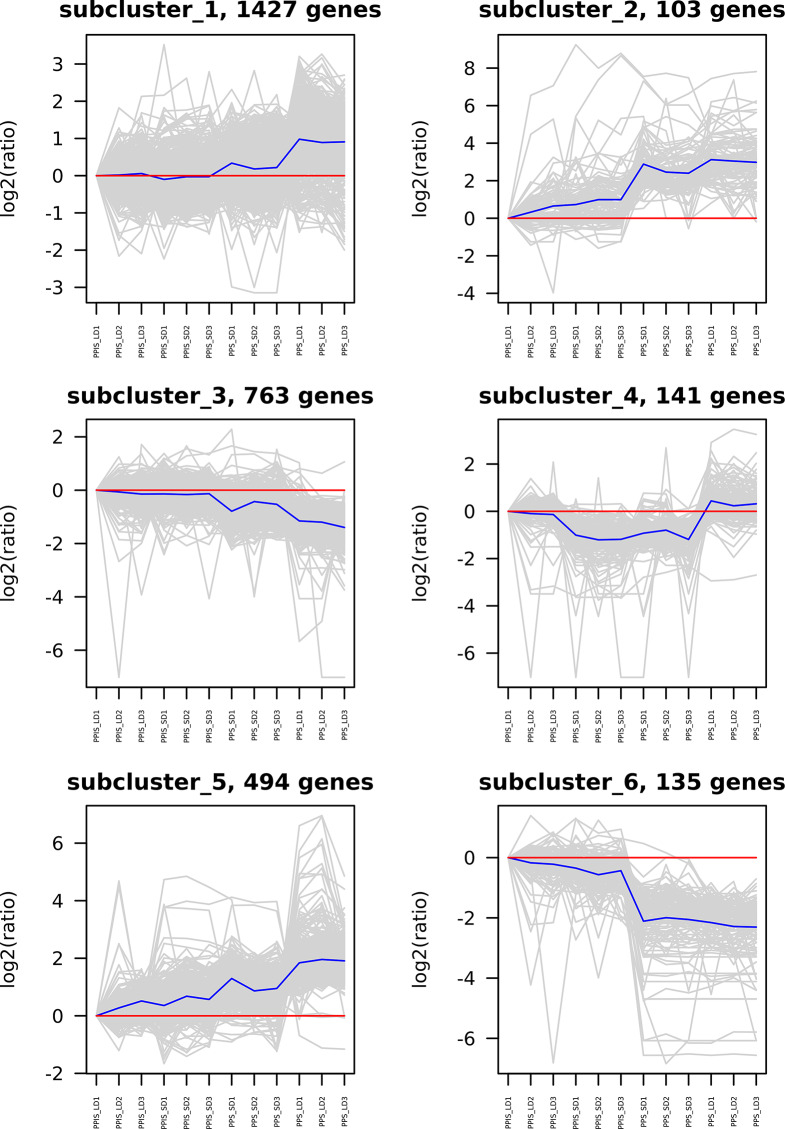 Figure 3
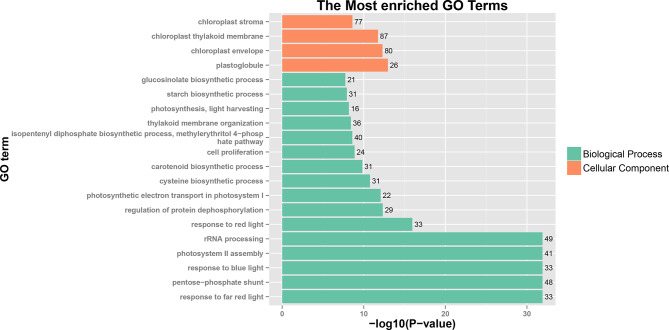 Figure 4
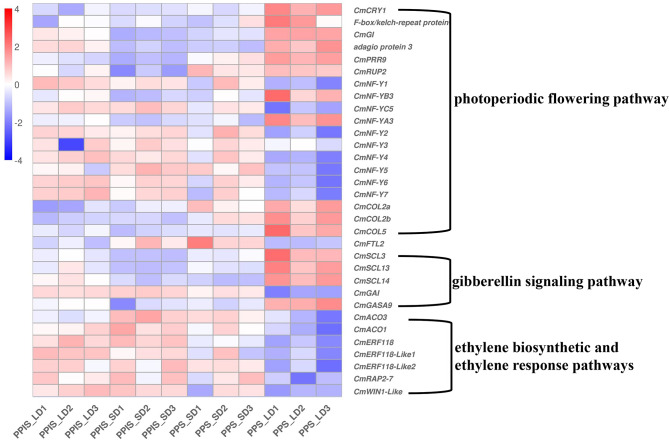 Figure 5
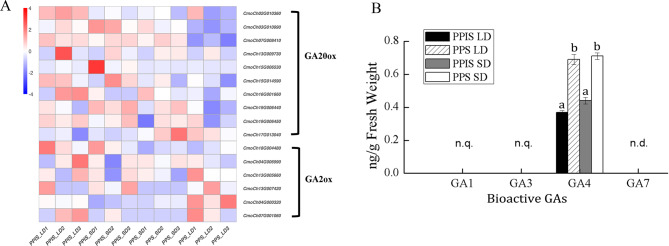 Figure 6
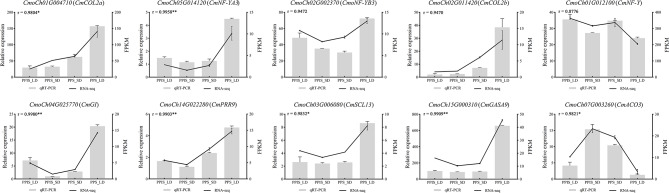 Figure 7
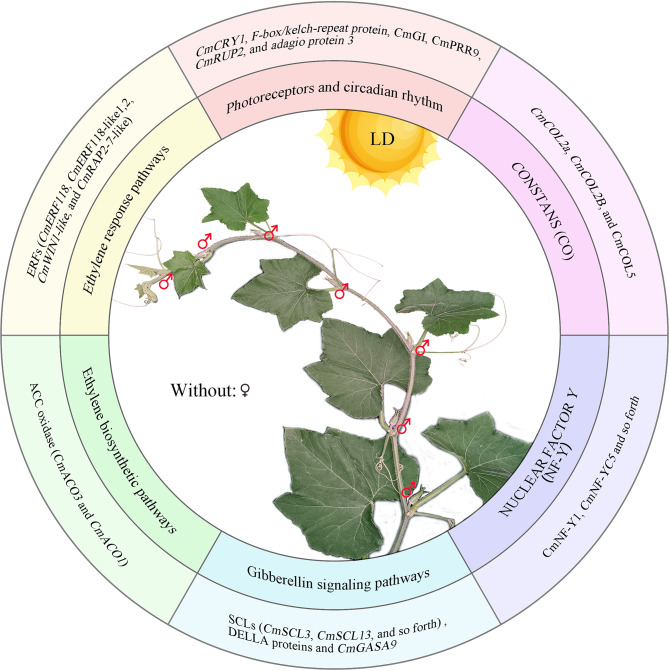 Figure 8
Peer Reviews
No public reviews on file for this paper yet. If you reviewed it on a platform where reviews are public (OpenReview, ICLR, NeurIPS, ICML), you can paste yours below so the community can read it here.
Videos
No videos yet. Explain this paper in a talk, walkthrough, or lecture? Add one.
Taxonomy
TopicsPlant Molecular Biology Research · Plant Reproductive Biology · Advances in Cucurbitaceae Research