Molecular circuit for exponentiation based on the domain coding strategy
Chun Huang, Xiaoqiang Duan, Yifei Guo, Panlong Li, Junwei Sun, Jiaying Shao, Yanfeng Wang

TL;DR
This paper introduces a new DNA domain coding strategy to build faster and more efficient molecular circuits for complex computations.
Contribution
A novel domain coding method for DNA circuits that enables scalable and parallel logic computation with improved speed and simplicity.
Findings
The domain coding strategy allows for the implementation of 2^n logic functions with n inputs.
Molecular circuits using this method show faster response times and better scalability than dual-track circuits.
The approach simplifies circuit design and enhances parallelism for complex computations like exponentiation.
Abstract
DNA strand displacement (DSD) is an efficient technology for constructing molecular circuits. However, system computing speed and the scale of logical gate circuits remain a huge challenge. In this paper, a new method of coding DNA domains is proposed to carry out logic computation. The structure of DNA strands is designed regularly, and the rules of domain coding are described. Based on this, multiple-input and one-output logic computing modules are built, which are the basic components forming digital circuits. If the module has n inputs, it can implement 2 n logic functions, which reduces the difficulty of designing and simplifies the structure of molecular logic circuits. In order to verify the superiority of this method for developing large-scale complex circuits, the square root and exponentiation molecular circuits are built. Under the same experimental conditions, compared with…
Genes, proteins, chemicals, diseases, species, mutations and cell lines named across the full text — each resolved to its canonical identifier and authoritative record.
Click any figure to enlarge with its caption.
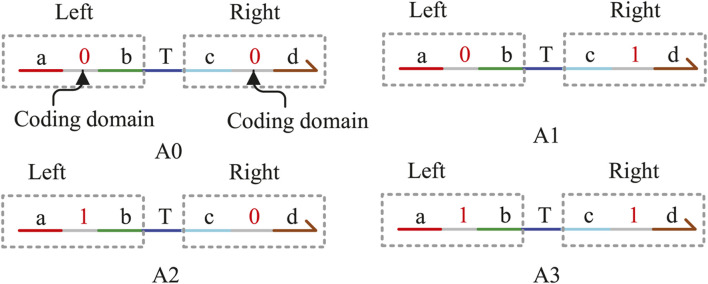 Figure 1
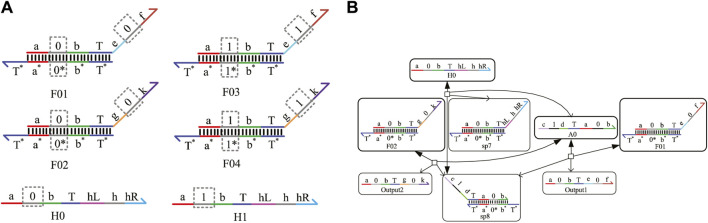 Figure 2
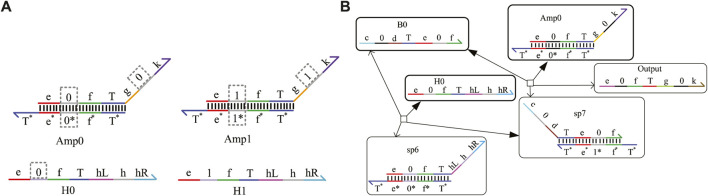 Figure 3
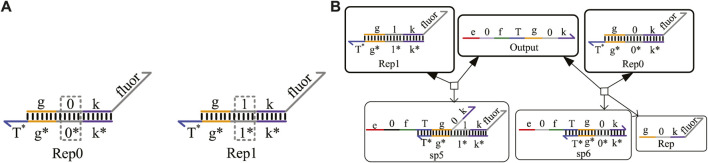 Figure 4
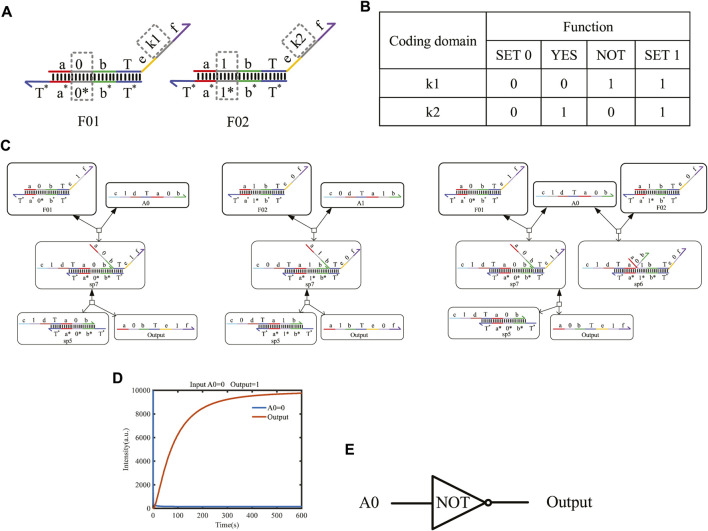 Figure 5
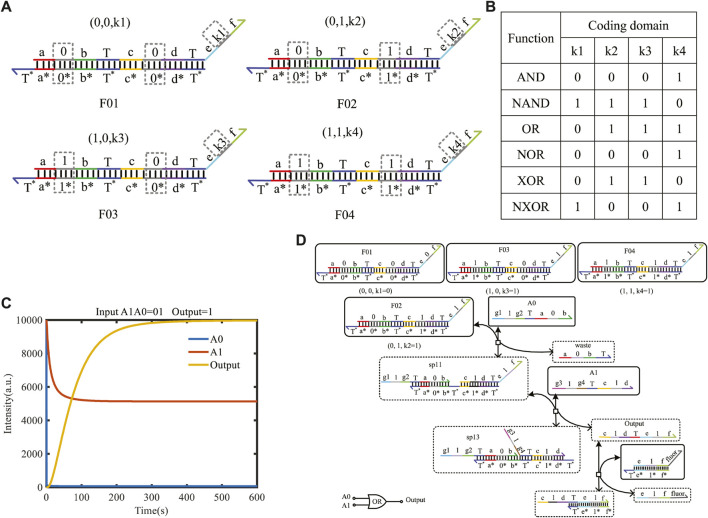 Figure 6
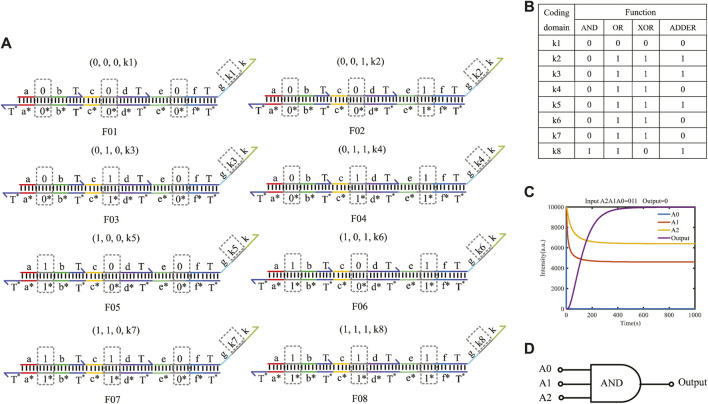 Figure 7
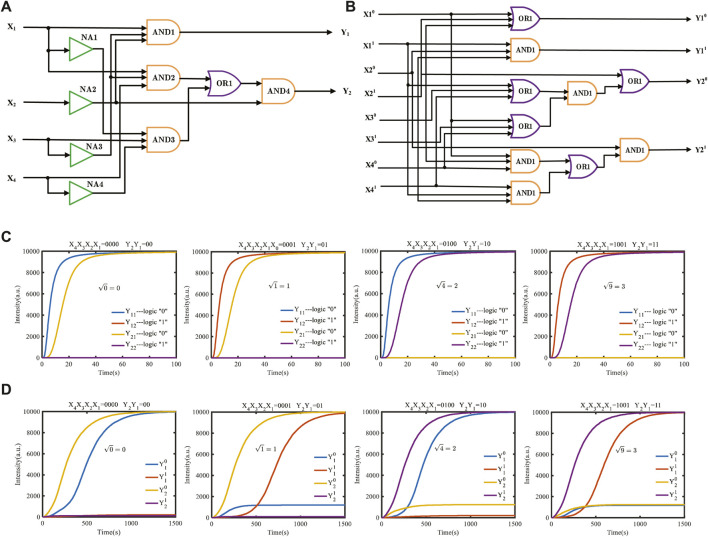 Figure 8
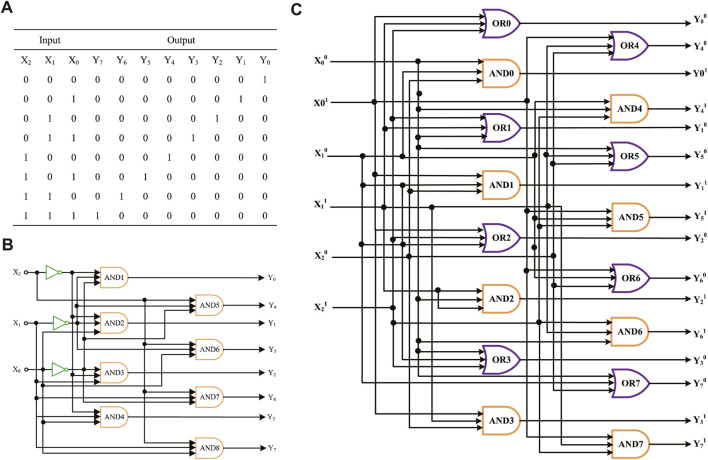 Figure 9
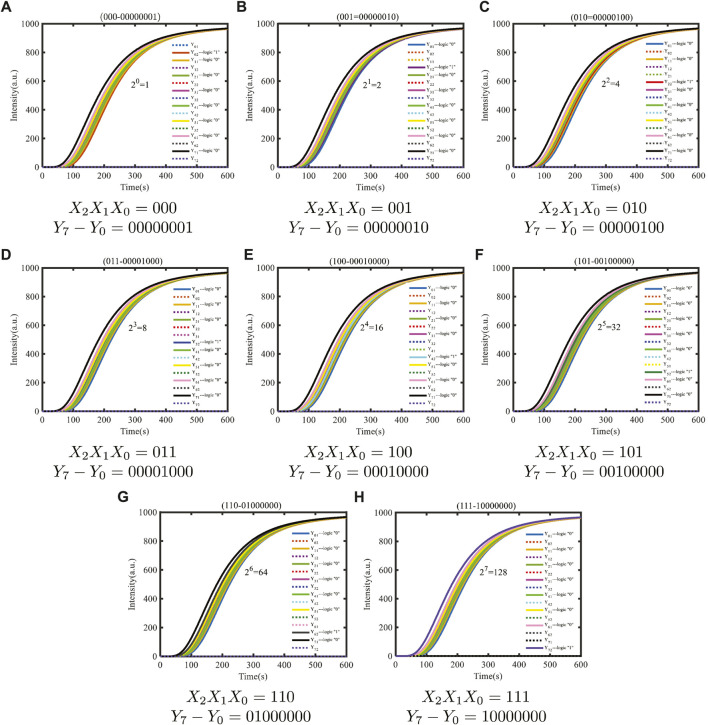 Figure 10
Peer Reviews
No public reviews on file for this paper yet. If you reviewed it on a platform where reviews are public (OpenReview, ICLR, NeurIPS, ICML), you can paste yours below so the community can read it here.
Videos
No videos yet. Explain this paper in a talk, walkthrough, or lecture? Add one.
Taxonomy
TopicsAdvanced biosensing and bioanalysis techniques · DNA and Biological Computing · Advanced Memory and Neural Computing