Amelioration effect of 18β-Glycyrrhetinic acid on methylation inhibitors in hepatocarcinogenesis -induced by diethylnitrosamine
Hany Khalil, Alaa H. Nada, Hoda Mahrous, Amr Hassan, Patricia Rijo, Ibrahim A. Ibrahim, Dalia D. Mohamed, Fawziah A. AL-Salmi, Doaa D. Mohamed, Ahmed I. Abd Elmaksoud

TL;DR
This study shows that glycyrrhetinic acid reduces gene methylation linked to liver cancer, improving treatment when combined with other agents.
Contribution
The study introduces glycyrrhetinic acid as a novel agent to ameliorate methylation inhibitors in liver cancer.
Findings
GA reduced methylation activity in TET-1 and DLC-1 genes by 33.6% and 78%, respectively.
Combining GA with doxorubicin suppressed methylation by 88% and 91% for TET-1 and DLC-1.
GA with probiotics reduced methylation in TET-1 and DLC-1 by 75% and 81%.
Abstract
suppression of methylation inhibitors (epigenetic genes) in hepatocarcinogenesis induced by diethylnitrosamine using glycyrrhetinic acid. In the current work, we investigated the effect of sole GA combined with different agents such as doxorubicin (DOX) or probiotic bacteria (Lactobacillus rhamanosus) against hepatocarcinogenesis induced by diethylnitrosamine to improve efficiency. The genomic DNA was isolated from rats’ liver tissues to evaluate either methylation-sensitive or methylation-dependent resection enzymes. The methylation activity of the targeting genes DLC-1, TET-1, NF-kB, and STAT-3 was examined using specific primers and cleaved DNA products. Furthermore, flow cytometry was used to determine the protein expression profiles of DLC-1 and TET-1 in treated rats’ liver tissue. Our results demonstrated the activity of GA to reduce the methylation activity in TET-1 and DLC-1…
Genes, proteins, chemicals, diseases, species, mutations and cell lines named across the full text — each resolved to its canonical identifier and authoritative record.
Click any figure to enlarge with its caption.
 Figure 1
 Figure 2
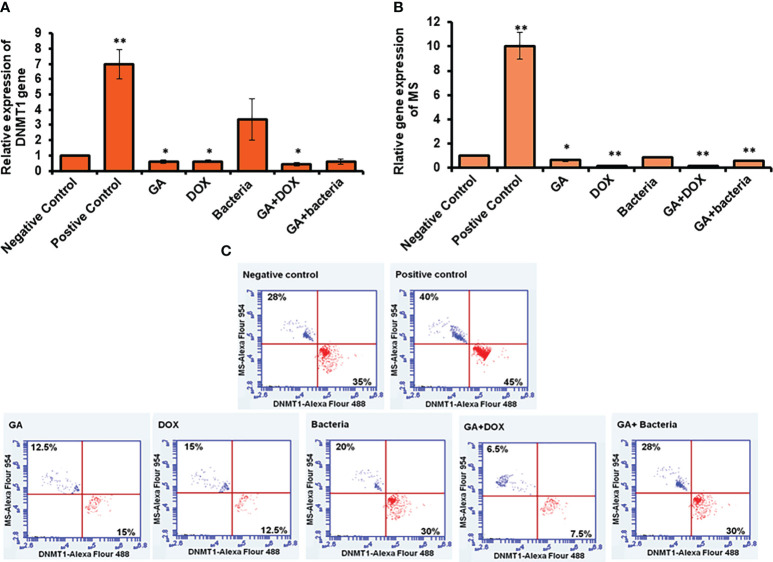 Figure 3
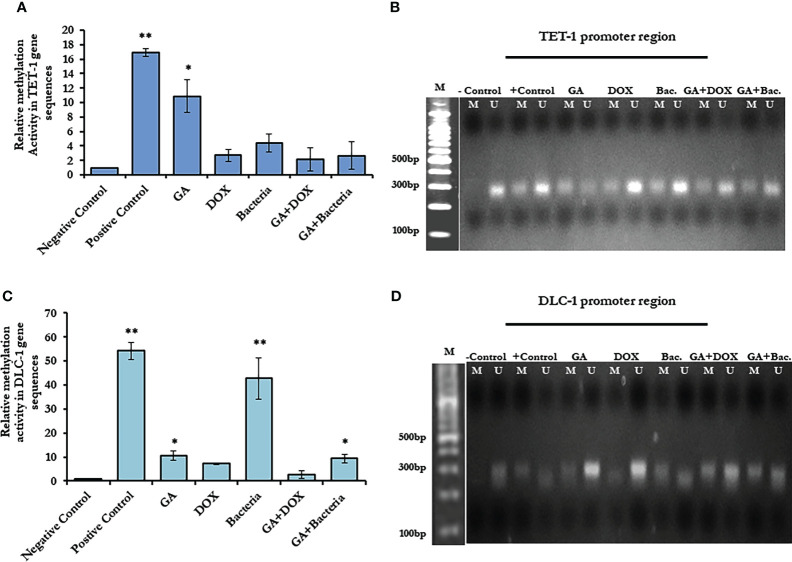 Figure 4
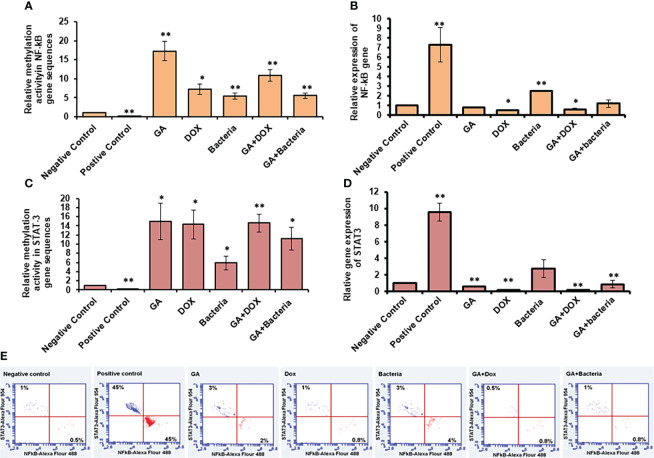 Figure 5
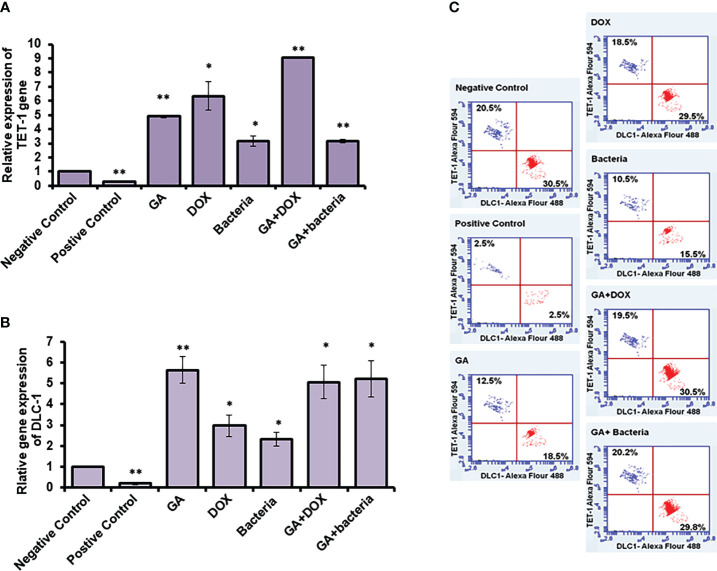 Figure 6
Peer Reviews
No public reviews on file for this paper yet. If you reviewed it on a platform where reviews are public (OpenReview, ICLR, NeurIPS, ICML), you can paste yours below so the community can read it here.
Videos
No videos yet. Explain this paper in a talk, walkthrough, or lecture? Add one.
Taxonomy
TopicsBirth, Development, and Health