C‐X‐C chemokine receptor type 4 promotes tubular cell senescence and renal fibrosis through β‐catenin‐inhibited fatty acid oxidation
Qinyu Wu, Qiurong Chen, Dan Xu, Xiaoxu Wang, Huiyun Ye, Xiaolong Li, Yabing Xiong, Jiemei Li, Shan Zhou, Jinhua Miao, Weiwei Shen, Youhua Liu, Hongxin Niu, Ying Tang, Lili Zhou

TL;DR
This study shows that CXCR4 contributes to kidney disease by causing cell aging and blocking fat metabolism, offering new insights into chronic kidney disease.
Contribution
The study reveals a novel role of CXCR4 in promoting tubular cell senescence and renal fibrosis via β-catenin inhibition of fatty acid oxidation.
Findings
CXCR4 is expressed in tubular epithelial cells and co-localizes with senescence markers.
CXCR4 activates β-catenin and inhibits fatty acid oxidation, leading to lipid accumulation.
Blocking β-catenin with ICG-001 reverses CXCR4's effects on fatty acid metabolism.
Abstract
The prevalence of chronic kidney disease (CKD) is highly increasing. Renal fibrosis is a common pathological feature in various CKD. Previous studies showed tubular cell senescence is highly involved in the pathogenesis of renal fibrosis. However, the inducers of tubular senescence and the underlying mechanisms have not been fully investigated. C‐X‐C motif chemokine receptor 4 (CXCR4), a G‐protein‐coupled seven‐span transmembrane receptor, increases renal fibrosis and plays an important role in tubular cell injury. Whereas, whether CXCR4 could induce tubular cell senescence and the detailed mechanisms have not studied yet. In this study, we adopted adriamycin nephropathy and 5/6 nephrectomy models, and cultured tubular cell line. Overexpression or knockdown of CXCR4 was obtained by injection of related plasmids. We identified CXCR4 increased in injury tubular cells. CXCR4 was expressed…
Genes, proteins, chemicals, diseases, species, mutations and cell lines named across the full text — each resolved to its canonical identifier and authoritative record.
Click any figure to enlarge with its caption.
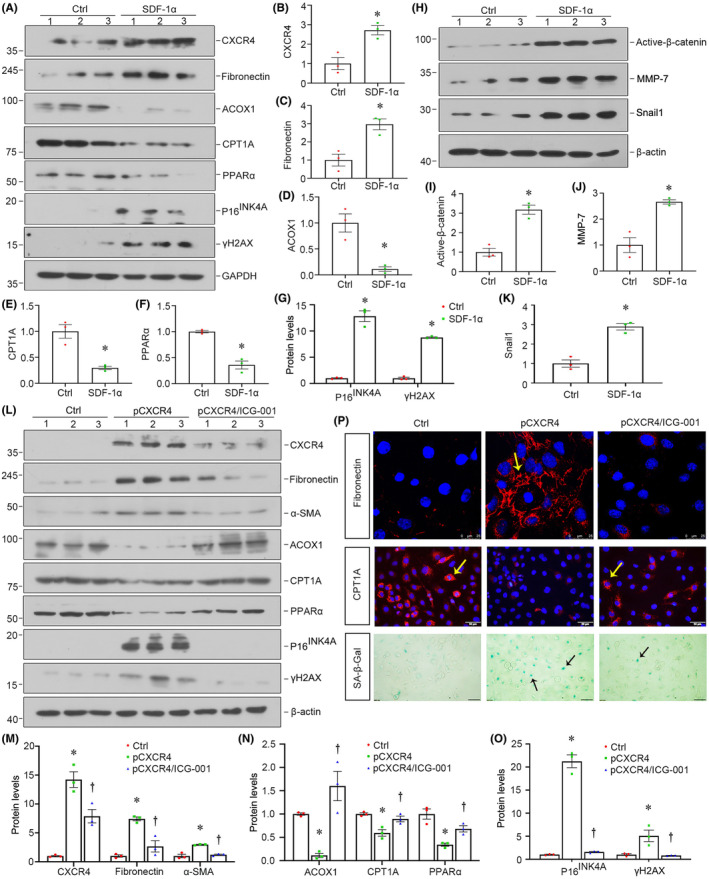 Figure 1
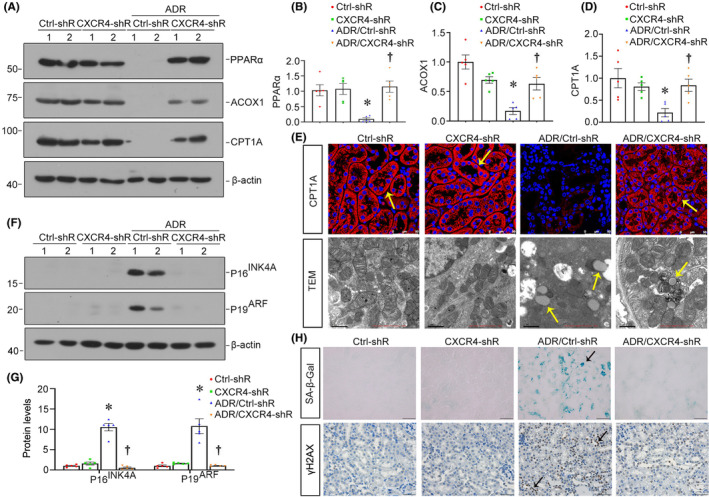 Figure 2
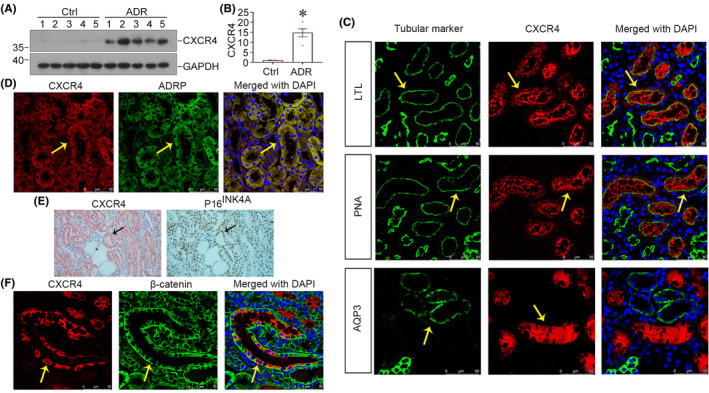 Figure 3
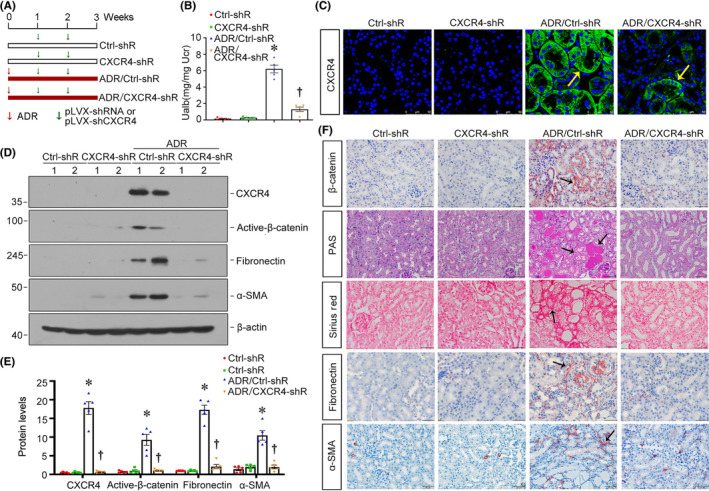 Figure 4
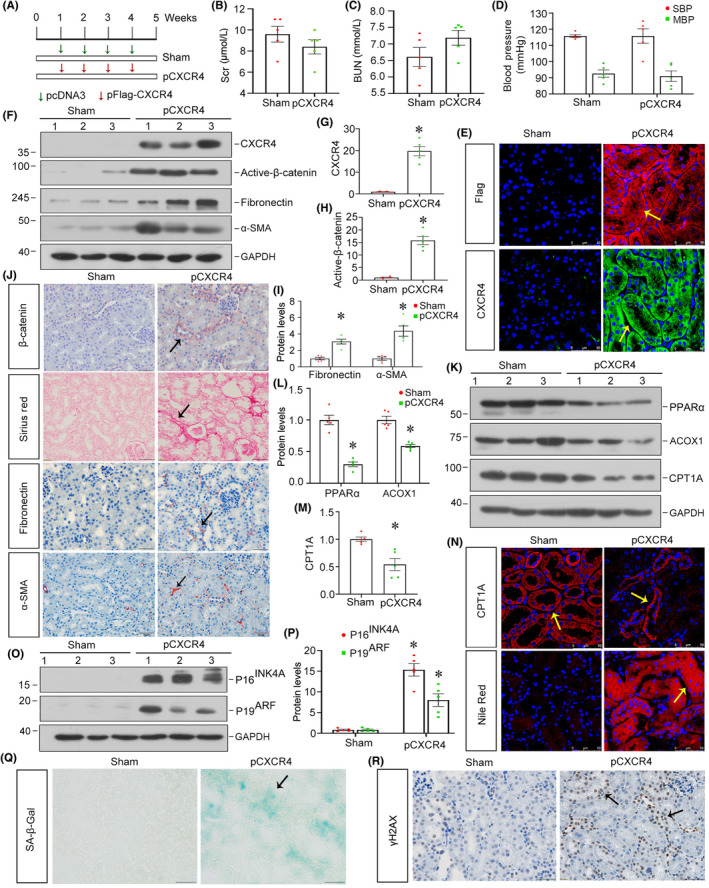 Figure 5
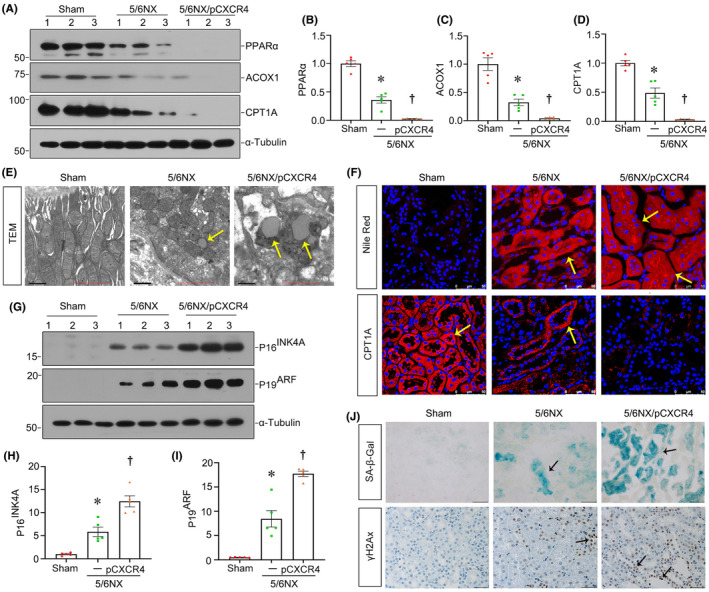 Figure 6
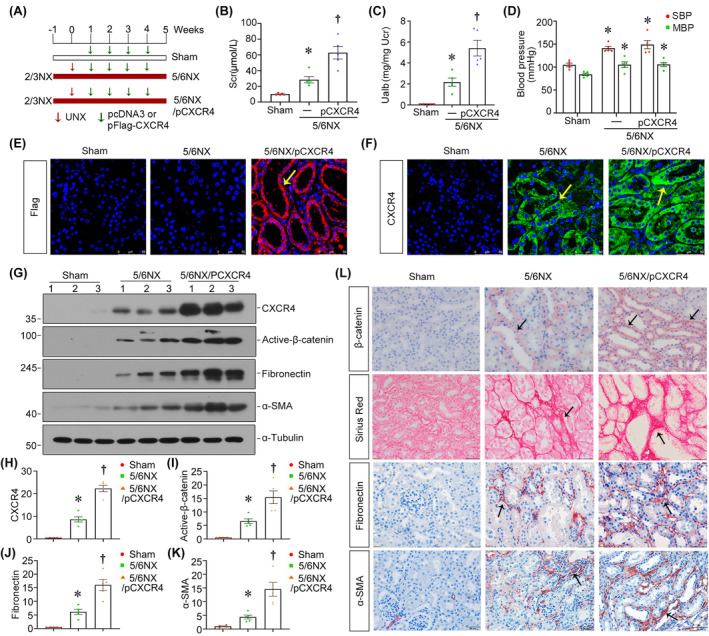 Figure 7
Peer Reviews
No public reviews on file for this paper yet. If you reviewed it on a platform where reviews are public (OpenReview, ICLR, NeurIPS, ICML), you can paste yours below so the community can read it here.
Videos
No videos yet. Explain this paper in a talk, walkthrough, or lecture? Add one.
Taxonomy
TopicsChronic Kidney Disease and Diabetes · Acute Kidney Injury Research · Chemokine receptors and signaling