Low expression of TGF‐β2 and matrilin2 in human aqueous humour with acute primary angle closure
Liming Wang, Zhao Xu, Yaru Hong, Yan Liu, Xiaomin Zhang, Qiang Feng, Dandan Zhang, Kexi Chen, Guli Humaer Yiming, Xiaorong Li, Aihua Liu, Lijie Dong

TL;DR
This study identifies TGF-β2 and matrilin2 as proteins with lower expression in the eye fluid of patients with acute primary angle closure, potentially offering new biomarkers for diagnosing this form of glaucoma.
Contribution
The study discovers novel downregulated proteins in acute primary angle closure eye fluid, suggesting their role in disease mechanisms.
Findings
Transforming growth factor-β2 and matrilin2 are downregulated in acute primary angle closure aqueous humour.
Differentially expressed proteins are linked to inflammation, fibrosis, and extracellular matrix formation.
Over 400 proteins were identified, with 91 showing significant differences between the groups.
Abstract
Primary angle‐closure glaucoma (PACG) is the leading cause of irreversible blindness in the world. Angle closure induced by pupil block and secondary iris synechia is the fundamental pathology of the PACG. The molecular mechanisms of angle closure have not yet been clearly illustrated. This study was designed to investigate the protein difference in the aqueous humour and explore new biomarker of the PACG. Aqueous humour (AH) was collected from patients with acute primary angle closure (APAC) and cataract (n = 10 in APAC group) and patients with cataract only (n = 10 in control group). Samples were pooled and measured using label‐free proteome technology. Then, the differentially expressed proteins (DEPs) were verified by ELISA using independent AH samples (n = 20 each group). More than 400 proteins were revealed in both groups through proteomics. Comparing the two groups, there were…
Genes, proteins, chemicals, diseases, species, mutations and cell lines named across the full text — each resolved to its canonical identifier and authoritative record.
Click any figure to enlarge with its caption.
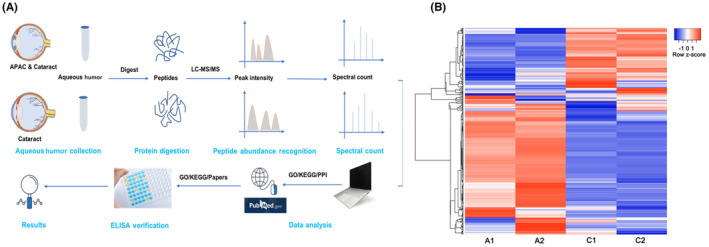 Figure 1
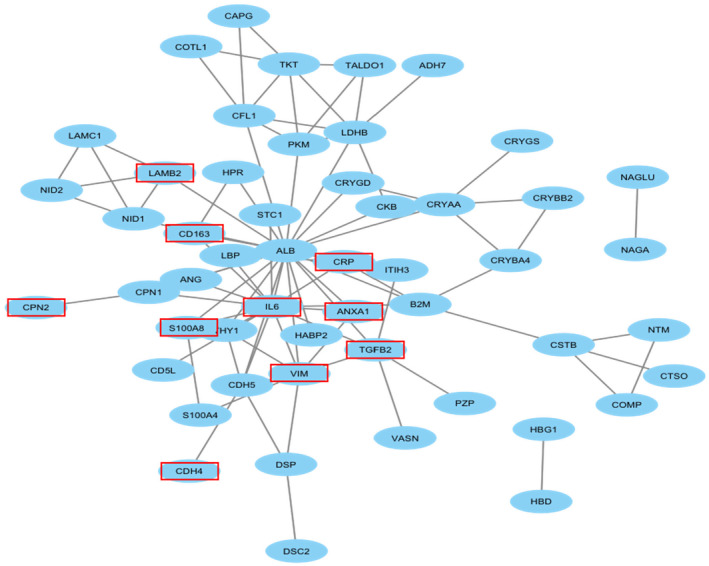 Figure 2
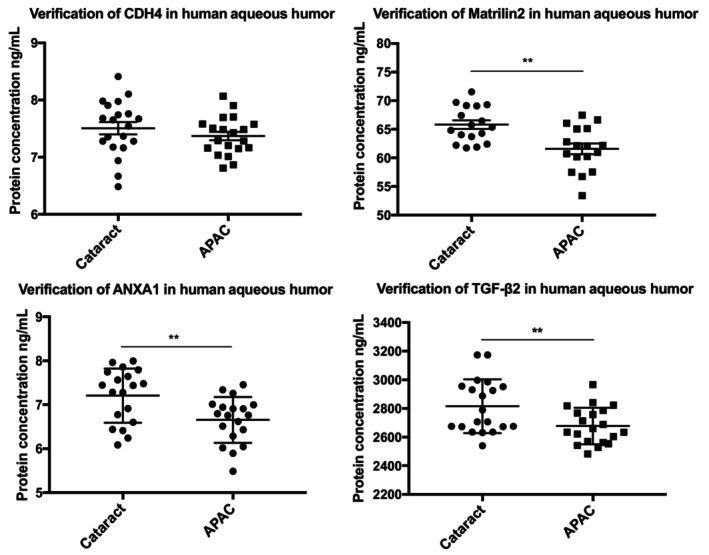 Figure 3
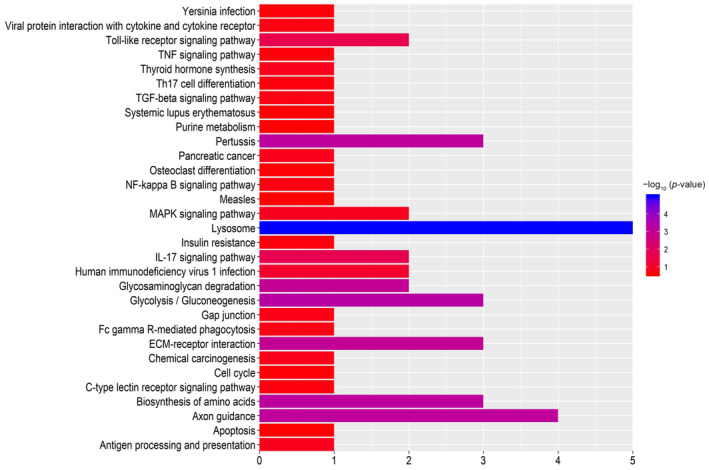 Figure 4
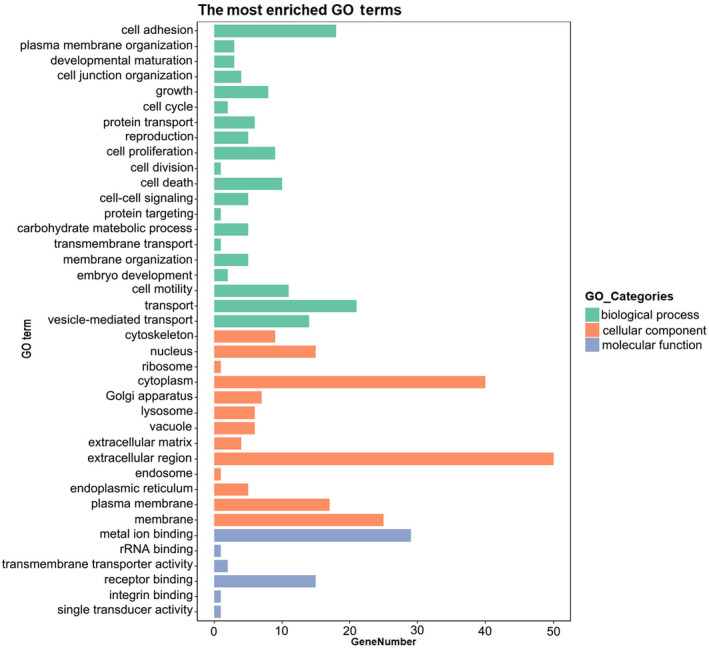 Figure 5
 Figure 6
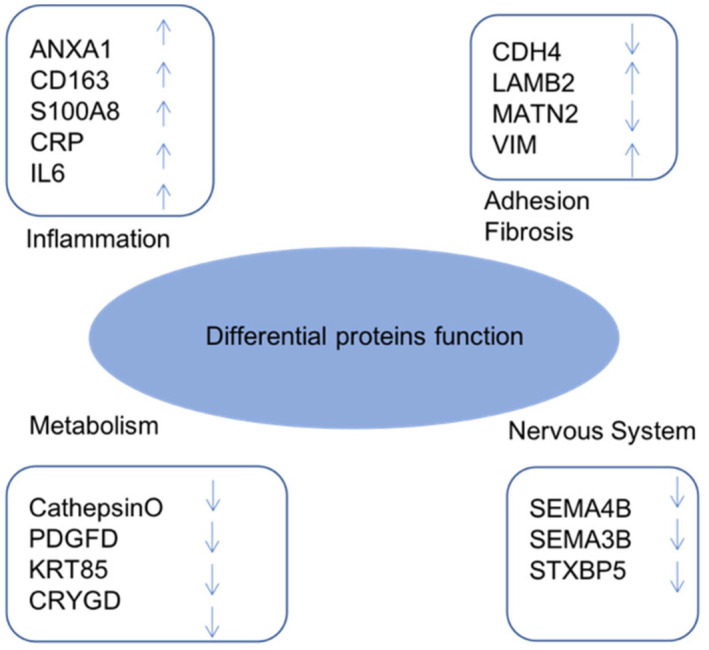 Figure 7
Peer Reviews
No public reviews on file for this paper yet. If you reviewed it on a platform where reviews are public (OpenReview, ICLR, NeurIPS, ICML), you can paste yours below so the community can read it here.
Videos
No videos yet. Explain this paper in a talk, walkthrough, or lecture? Add one.
Taxonomy
TopicsImmunotherapy and Immune Responses · Glycosylation and Glycoproteins Research · Monoclonal and Polyclonal Antibodies Research