Brain tissue- and cell type-specific eQTL Mendelian randomization reveals efficacy of FADS1 and FADS2 on cognitive function
Xueyan Wu, Lei Jiang, Hongyan Qi, Chunyan Hu, Xiaojing Jia, Hong Lin, Shuangyuan Wang, Lin Lin, Yifang Zhang, Ruizhi Zheng, Mian Li, Tiange Wang, Zhiyun Zhao, Min Xu, Yu Xu, Yuhong Chen, Jie Zheng, Yufang Bi, Jieli Lu

TL;DR
This study finds that FADS1 and FADS2 genes, involved in omega-3 fatty acid production, may influence cognitive function through their expression in brain tissues and blood.
Contribution
The study introduces a novel approach combining tissue- and cell type-specific eQTL Mendelian randomization to identify causal effects of FADS genes on cognitive function.
Findings
FADS1 and FADS2 gene expression in specific brain regions and blood is associated with cognitive function maintenance.
Increased FADS1/FADS2 expression in certain brain tissues correlates with better cognitive outcomes.
Whole blood FADS gene expression also shows a potential link to cognitive function.
Abstract
Epidemiological studies suggested an association between omega-3 fatty acids and cognitive function. However, the causal role of the fatty acid desaturase (FADS) gene, which play a key role in regulating omega-3 fatty acids biosynthesis, on cognitive function is unclear. Hence, we used two-sample Mendelian randomization (MR) to estimate the gene-specific causal effect of omega-3 fatty acids (N = 114,999) on cognitive function (N = 300,486). Tissue- and cell type-specific effects of FADS1/FADS2 expression on cognitive function were estimated using brain tissue cis-expression quantitative trait loci (cis-eQTL) datasets (GTEx, N ≤ 209; MetaBrain, N ≤ 8,613) and single cell cis-eQTL data (N = 373), respectively. These causal effects were further evaluated in whole blood cis-eQTL data (N ≤ 31,684). A series of sensitivity analyses were conducted to validate MR assumptions. Leave-one-out MR…
Genes, proteins, chemicals, diseases, species, mutations and cell lines named across the full text — each resolved to its canonical identifier and authoritative record.
Click any figure to enlarge with its caption.
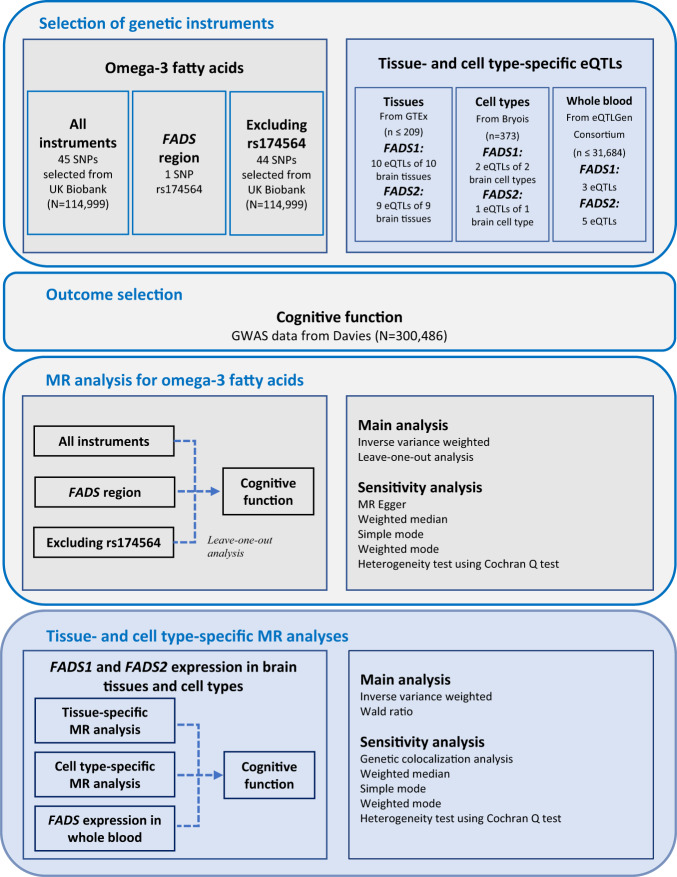 Figure 1
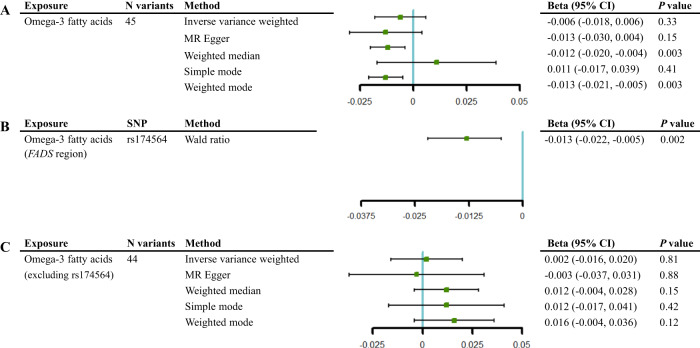 Figure 2
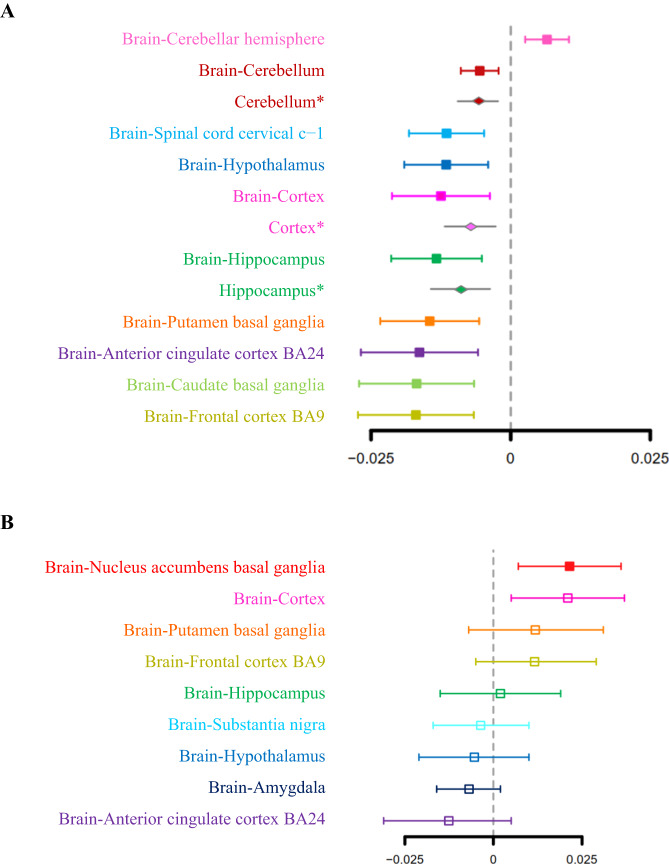 Figure 3
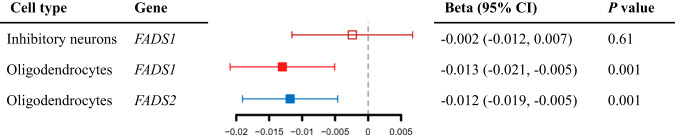 Figure 4
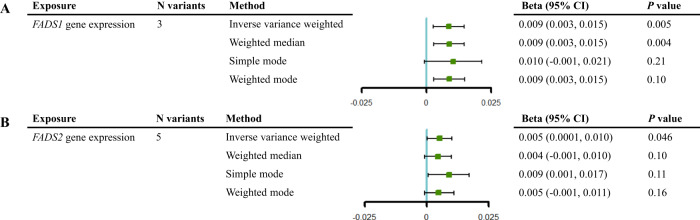 Figure 5
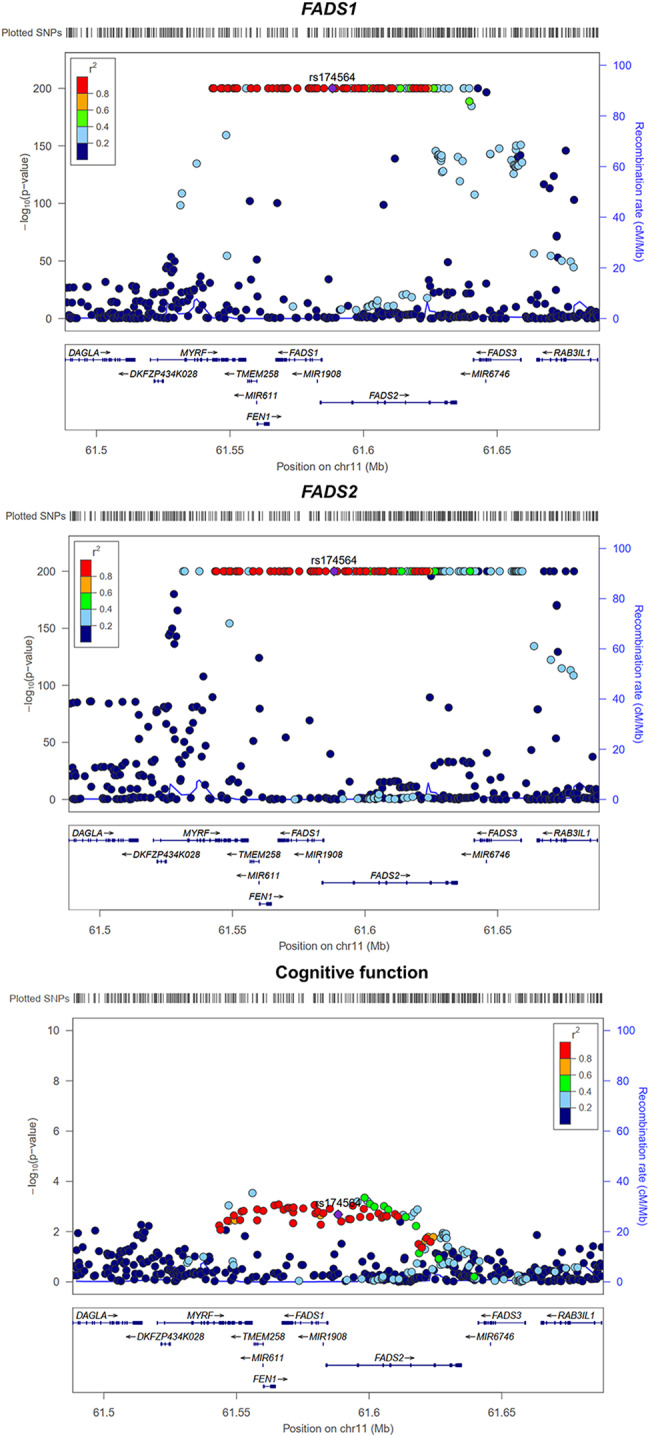 Figure 6
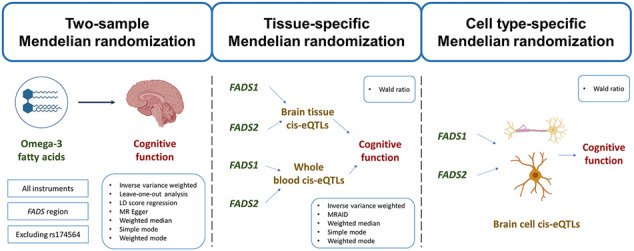 Figure 7
Peer Reviews
No public reviews on file for this paper yet. If you reviewed it on a platform where reviews are public (OpenReview, ICLR, NeurIPS, ICML), you can paste yours below so the community can read it here.
Videos
No videos yet. Explain this paper in a talk, walkthrough, or lecture? Add one.
Taxonomy
TopicsClassical Studies and Legal History · Family and Matrimonial Law · Comparative International Legal Studies