Possible transport pathway of diazotrophic Trichodesmium by Agulhas Leakage from the Indian into the Atlantic Ocean
Bettina Martin, Rolf Koppelmann, André Harmer, Rene-Marcel Plonus

TL;DR
The study suggests that Trichodesmium, a nitrogen-fixing cyanobacterium, may be transported from the Indian Ocean to the Atlantic Ocean via Agulhas Rings.
Contribution
The paper presents new evidence for a transport pathway of Trichodesmium via Agulhas Leakage from the Indian to the Atlantic Ocean.
Findings
Trichodesmium was found in offshore subsurface waters with elevated salinity, not in coastal upwelled waters.
Salinity lenses associated with northward-moving eddies suggest transport via Agulhas Rings.
Significant associations between Trichodesmium and salinity indicate a potential transport mechanism.
Abstract
Diazotrophic cyanobacteria such as Trichodesmium play a crucial role in the nitrogen budget of the oceans due to their capability to bind atmospheric nitrogen. Little is known about their interoceanic transport pathways and their distribution in upwelling regions. Trichodesmium has been detected using a Video Plankton Recorder (VPR) mounted on a remotely operated towed vehicle (TRIAXUS) in the southern and northern Benguela Upwelling System (BUS) in austral autumn, Feb/Mar 2019. The TRIAXUS, equipped with a CTD as well as fluorescence and nitrogen sensors, was towed at a speed of 8 kn on two onshore–offshore transects undulating between 5 and 200 m over distances of 249 km and 372 km, respectively. Trichodesmium was not detected near the coast in areas of freshly upwelled waters but was found in higher abundances offshore on both transects, mainly in subsurface water layers down to 80 m…
Genes, proteins, chemicals, diseases, species, mutations and cell lines named across the full text — each resolved to its canonical identifier and authoritative record.
Click any figure to enlarge with its caption.
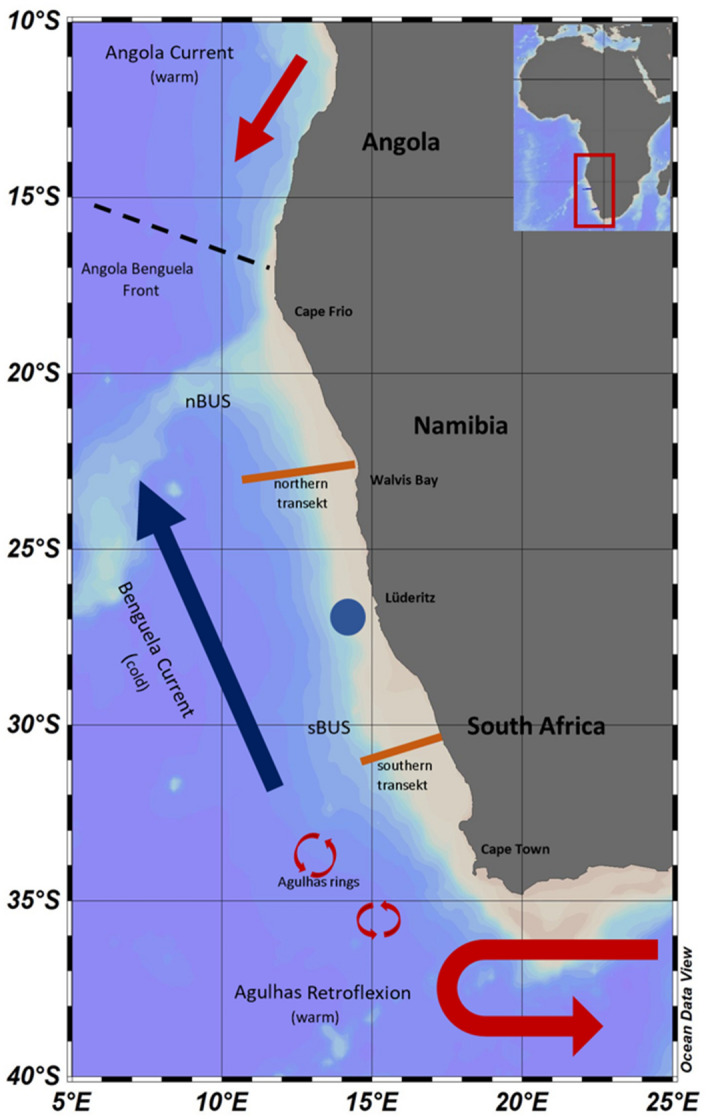 Figure 1
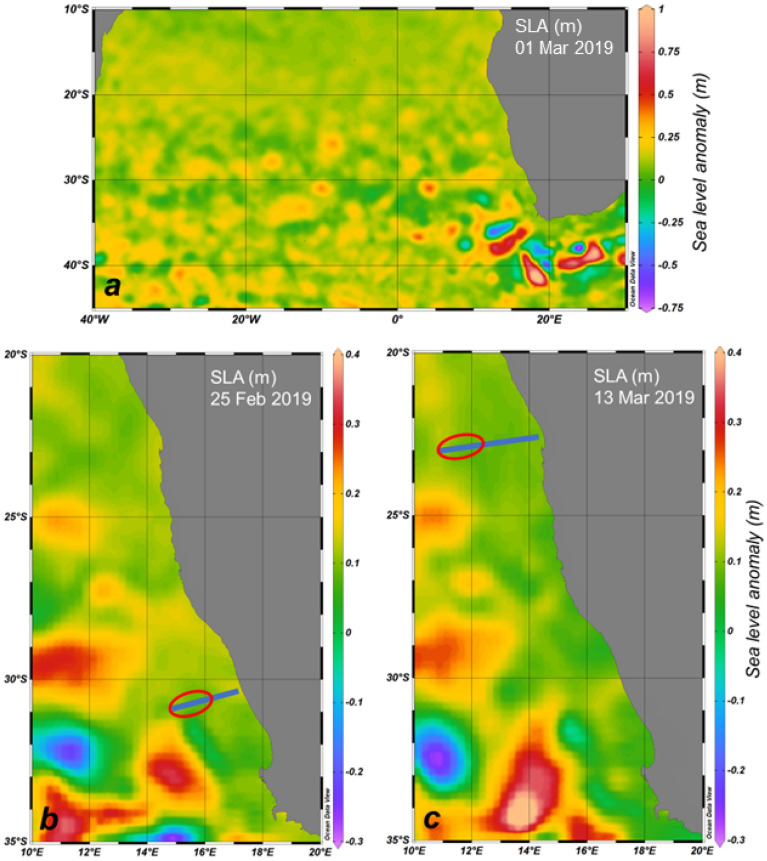 Figure 2
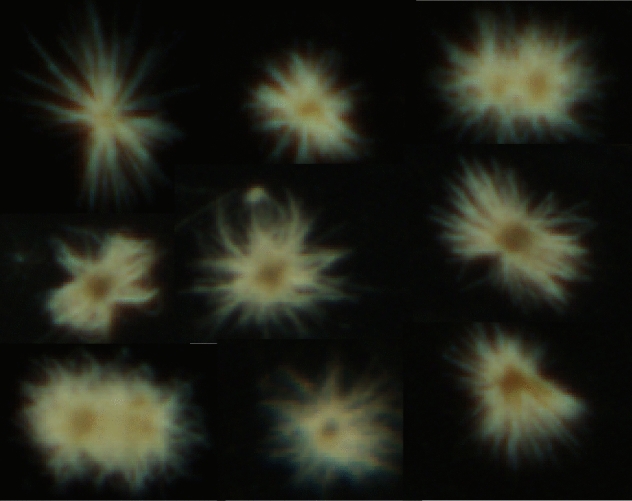 Figure 3
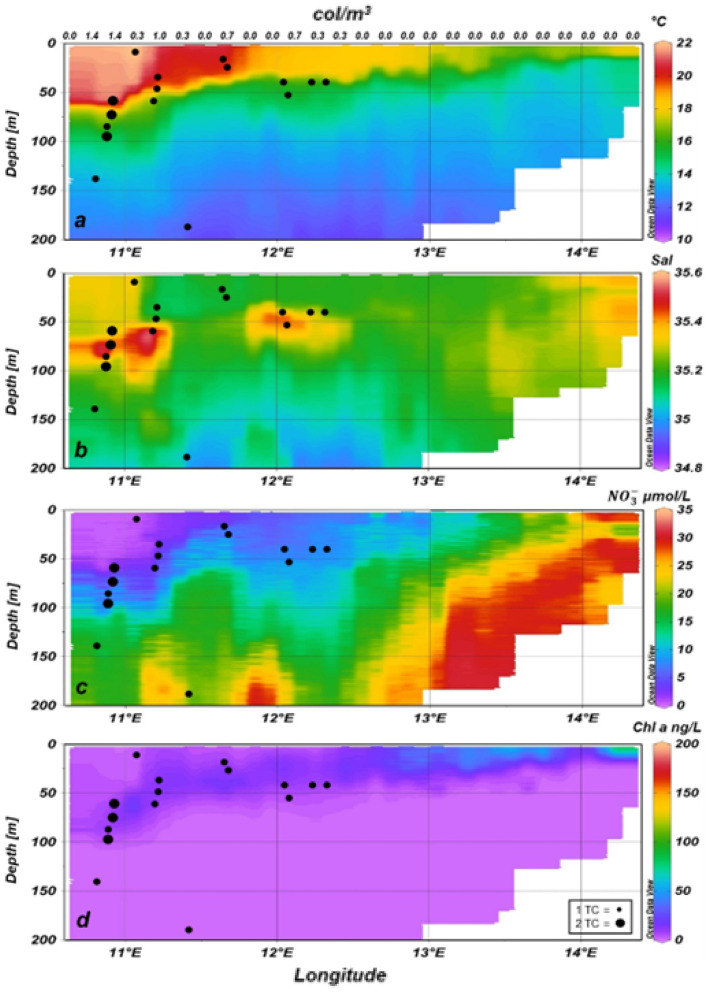 Figure 4
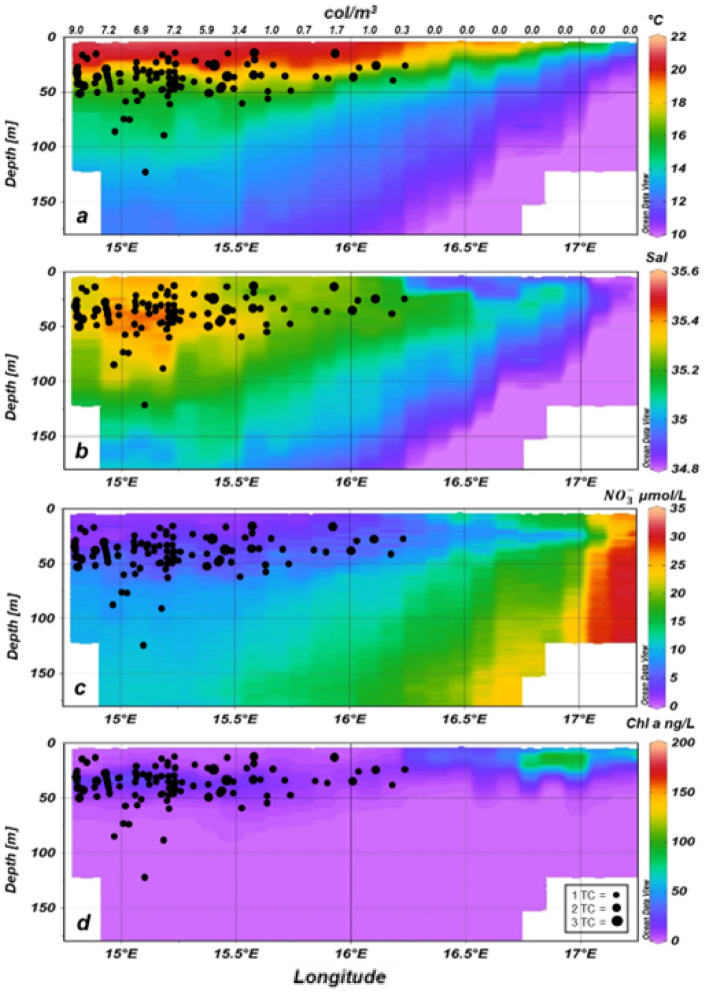 Figure 5
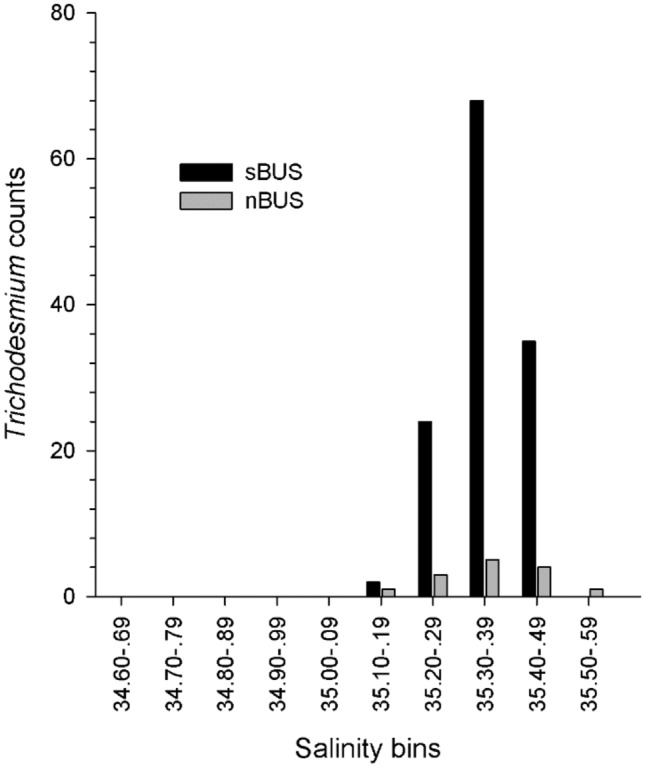 Figure 6
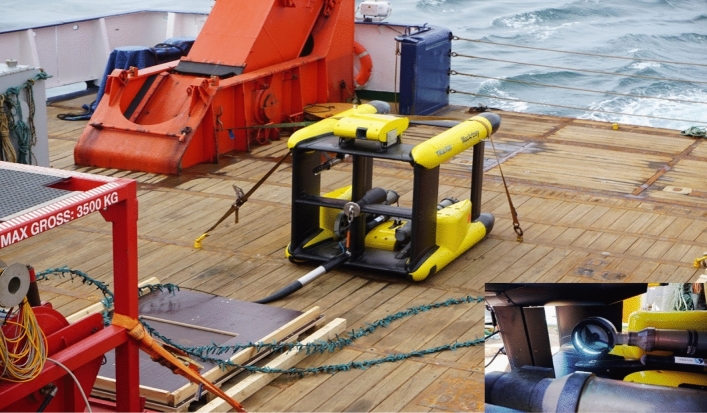 Figure 7
Peer Reviews
No public reviews on file for this paper yet. If you reviewed it on a platform where reviews are public (OpenReview, ICLR, NeurIPS, ICML), you can paste yours below so the community can read it here.
Videos
No videos yet. Explain this paper in a talk, walkthrough, or lecture? Add one.
Taxonomy
TopicsMercury impact and mitigation studies · Heavy metals in environment