Rheumatoid Arthritis-Like Symptoms After Taking Relugolix, With Primary Exacerbation After Discontinuation of the Drug
Shohei Tanabe, Kazuyuki Tsuboi

TL;DR
A woman developed rheumatoid arthritis-like symptoms after taking relugolix, with symptoms worsening after stopping the drug.
Contribution
This case highlights a potential link between relugolix and rheumatoid arthritis-like symptoms.
Findings
The patient developed joint stiffness resembling rheumatoid arthritis after taking relugolix.
Symptoms worsened after discontinuation of the drug, similar to effects seen with aromatase inhibitors.
Negative diagnostic tests for rheumatoid arthritis made the drug's role in symptoms more likely.
Abstract
We report a case of a 43-year-old woman who developed rheumatoid arthritis-like symptoms after taking relugolix, presenting a diagnostic challenge in distinguishing between initial symptoms of rheumatoid arthritis and the side effects of the drug. The patient, scheduled for a total laparoscopic hysterectomy owing to uterine fibroids, started taking relugolix five and a half months prior to surgery. Three months later, she developed rheumatoid arthritis-like stiffness in both hands, especially in the mornings. Despite consultations with the rheumatology department and negative blood and imaging findings for rheumatoid arthritis, her joint symptoms worsened after surgery. Treatment for early-stage rheumatoid arthritis was initiated, and the symptoms peaked after six months. Similar to estrogen-lowering aromatase inhibitors that are known to cause joint symptoms, relugolix might also…
Genes, proteins, chemicals, diseases, species, mutations and cell lines named across the full text — each resolved to its canonical identifier and authoritative record.
Click any figure to enlarge with its caption.
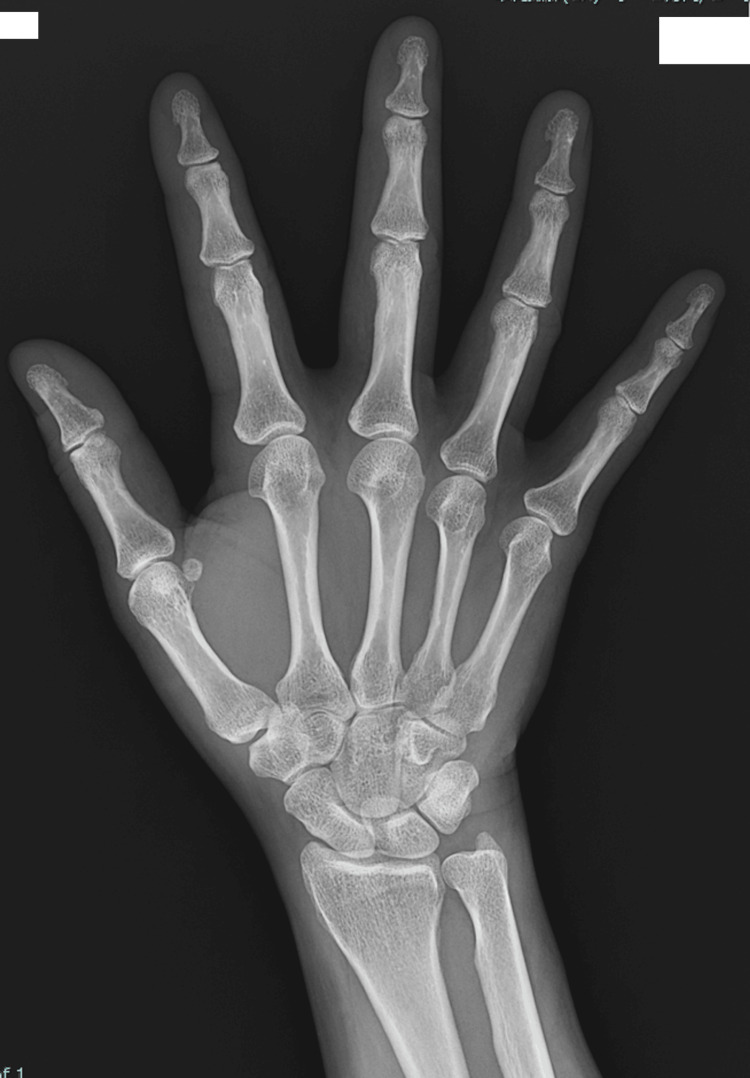 Figure 1
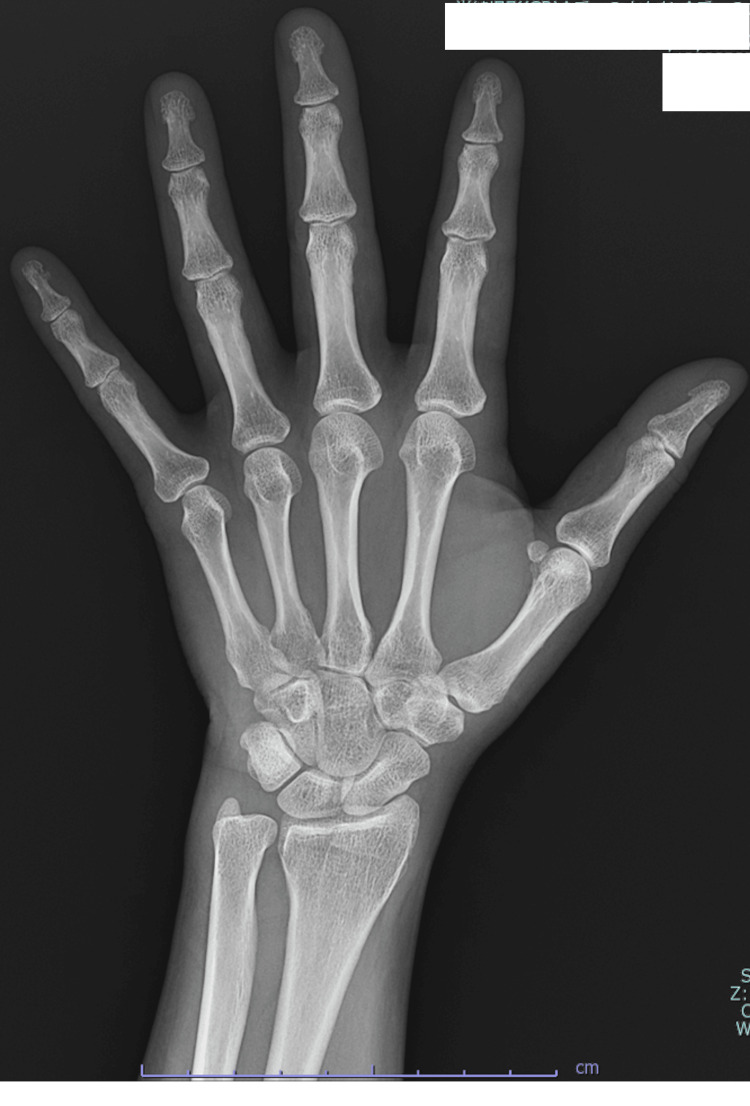 Figure 2
| Laboratory values | Reference range | |
| IgG | 1217 | 870-1700 |
| C3 | 92 | 65-135 |
| C4 | 15 | 13-35 |
| Antinuclear antibody | 40 | <40 |
| Homogeneous | (-) | - |
| Speckled | (+) | - |
| Nucleolar | (-) | - |
| Peripheral | (-) | - |
| Centromere | (-) | - |
| Discrete N dots | (-) | - |
| Nuclear envelope | (+) | - |
| Double-stranded DNA IgG | 1.6 | <12.0 |
| Anti-centromere antibody | <1.0 | <10.0 |
| Anti-ribonucleoprotein antibody | <2.0 | <10.1 |
| Anti-SS-A antibody | <1.0 | <10.2 |
| Rheumatoid factor | <3 | <15 |
| Anti-ccp antibody | <0.5 | <4.5 |
| Lupus anticoagulant | 0.97 | <1.3 |
| Anti-Clβ2GP1 antibody | <0.7 | <3.5 |
| Anti-cardiolipin antibody | <4.0 | <12.3 |
| MMP3 (ng/ml) | Erythrocyte sedimentation rate (mm/h) | |
| Postoperative 1 month | 40.6 | 7.0 |
| Postoperative 2 months | 40.7 | 3.0 |
| Postoperative 3 months | 44.3 | 3.0 |
| Reference range | 17.3-59.7 | 3.0-15.0 |
Peer Reviews
No public reviews on file for this paper yet. If you reviewed it on a platform where reviews are public (OpenReview, ICLR, NeurIPS, ICML), you can paste yours below so the community can read it here.
Videos
No videos yet. Explain this paper in a talk, walkthrough, or lecture? Add one.
Taxonomy
TopicsUrticaria and Related Conditions · Estrogen and related hormone effects · Endometriosis Research and Treatment
Introduction
Relugolix, a gonadotropin-releasing hormone antagonist, was approved by the US Food and Drug Administration in May 2021 as an oral medication for treating heavy menstrual bleeding due to uterine fibroids [1]. Known to significantly reduce menstrual blood while preserving bone density, relugolix is also used preoperatively to reduce the uterine volume [2]. Its side effects include hypoestrogenic symptoms, such as hot flashes, insomnia, and headaches [3]. Rheumatoid arthritis, characterized by joint pain and stiffness, commonly affects women over the age of 40 [4], and early treatment in consultation with a specialist is crucial to prevent joint destruction and deformation [5]. We report a case of rheumatoid arthritis-like symptoms developing after pre-surgery use of relugolix and worsening after surgery, posing diagnostic challenges.
Case presentation
A 43-year-old woman was referred for uterine fibroid surgery. She had a history of one pregnancy, delivered by cesarean section, and previous consultations for right hip pain. Magnetic resonance imaging revealed multiple fibroids. She started taking relugolix 169 days before surgery. After approximately three months, she experienced increased morning stiffness in both hands, prompting consultation with our rheumatology department. Although her family history was negative for rheumatoid arthritis, her mother was suspected of having some collagen disease. Despite the possibility of rheumatoid arthritis, hand joint X-rays (Figures 1, 2) and ultrasound showed normal findings. Various autoantibodies were tested, with only antinuclear antibody being slightly above normal, but no conclusive evidence of any collagen disease was found (Table 1). Relugolix was discontinued the day before surgery. The patient underwent a total laparoscopic hysterectomy, with a surgery time of 150 minutes and no blood loss. She was discharged on postoperative day 3. At one-month follow-up, she reported increased hand joint stiffness and daily non-steroidal anti-inflammatory drug use. Rheumatoid arthritis was considered, and tests for erythrocyte sedimentation rate and matrix metalloproteinase-3 were conducted monthly for three months. All test results were negative (Table 2), as was that for C-reactive protein outside the perioperative period. Treatment with iguratimod 25 mg/day was initiated and later increased to 50 mg/day without symptom improvement. Upper body joint pain and insomnia ensued, for which additional treatment with methotrexate 6 mg/week was initiated for six months post-symptom onset. Subsequently, her pain improved and her insomnia was resolved.
X-ray of the right handNo findings suggestive of a rheumatoid joint were noted.
X-ray of the left handNo findings suggestive of a rheumatoid joint were noted.
Discussion
In this case, the patient suffered from symptoms resembling rheumatoid arthritis, and distinguishing whether these were due to an existing condition or a side effect of relugolix was challenging. Early referral and treatment initiation are recommended for suspected rheumatoid arthritis [6]. Even though this patient did not meet the 2010 EULAR criteria for rheumatoid arthritis diagnosis [7], treatment was initiated considering the risks of delayed treatment. Whether the improvement was due to rheumatoid arthritis treatment or the cessation of relugolix remains unclear.
Joint symptoms as a side effect of relugolix are not commonly known. However, joint symptoms are a known side effect of aromatase inhibitors, being attributed to estrogen reduction [8]. This condition is known as Aromatase Inhibitor-Associated Musculoskeletal Syndrome (AI-AMS) [9]. Joint symptoms associated with AI-AMS typically manifest in various parts of the body, including the hands, feet, and hips, and are often accompanied by early morning stiffness and difficulty sleeping [10].
The symptoms observed in the current case are strikingly similar; relugolix, known to induce a hypoestrogenic state, might therefore lead to joint symptoms akin to those caused by aromatase inhibitors. In this case, symptoms peaked at six months. This timeline aligns with reports indicating that symptoms of aromatase inhibitor-induced joint pain can peak around the six-month mark [11].
Treatment options for AI-AMS typically involve pharmacotherapy, including vitamin D and omega-3 fatty acids, as well as exercise therapy. However, systematic reviews have struggled to conclusively evaluate these treatments due to the heterogeneity in research methodologies [12]. Similarly, systematic reviews of exercise therapy have not demonstrated definitive efficacy [13].
Consequently, in cases like the current one, where joint symptoms emerge due to relugolix, presenting an effective treatment remains challenging. Continued research and further reports on effective treatments are eagerly anticipated.
Conclusions
We have experienced a case in which rheumatoid arthritis-like joint symptoms may have appeared as a side effect of relugolix. The patient's joint symptoms were more likely to have been a side effect of relugolix, as there were no laboratory results to support rheumatoid arthritis. The joint symptoms improved after six months.
In the future, for patients who develop rheumatoid arthritis-like joint symptoms after relugolix treatment, it is important to consult a specialist at an early stage to discuss treatment, as demonstrated in this case.
The reference list from the paper itself. Each links out to its DOI / PubMed record.
- 1Gn RH agonists and antagonists in therapy of symptomatic uterine fibroids - current roles and future perspectives Expert Opin Pharmacother Ciebiera M Madueke-Laveaux OS Feduniw S 179918092420233760246410.1080/14656566.2023.2248890 · doi ↗ · pubmed ↗
- 2Rapid reduction of adenomyosis coexisting with leiomyoma volume during treatment with Relugolix Gynecol Endocrinol Yamanaka K Washio K Uchida A 22371213920233753788410.1080/09513590.2023.2237121 · doi ↗ · pubmed ↗
- 3Current approaches to overcome the side effects of Gn RH analogs in the treatment of patients with uterine fibroids Expert Opin Drug Saf Ali M Raslan M Ciebiera M Zaręba K Al-Hendy A 4774862120223461212210.1080/14740338.2022.1989409 PMC 8940613 · doi ↗ · pubmed ↗
- 4Rheumatoid arthritis Best Pract Res Clin Rheumatol Carmona L Cross M Williams B Lassere M March L 7337452420102166512210.1016/j.berh.2010.10.001 · doi ↗ · pubmed ↗
- 5Emerging trends in diagnosis and treatment of rheumatoid arthritis Prim Care Birch JT Jr Bhattacharya S 7797923720102105095810.1016/j.pop.2010.07.001 · doi ↗ · pubmed ↗
- 6Recent advances in the management of rheumatoid arthritis BMJ Klarenbeek NB Kerstens PJ Huizinga TW Dijkmans BA Allaart CF 0341201010.1136/bmj.c 694221177351 · doi ↗ · pubmed ↗
- 7Update on the pathomechanism, diagnosis, and treatment options for rheumatoid arthritis Cells Lin YJ Anzaghe M Schülke S 880920203226021910.3390/cells 9040880 PMC 7226834 · doi ↗ · pubmed ↗
- 8Risk factors for joint symptoms in patients enrolled in the ATAC trial: a retrospective, exploratory analysis Lancet Oncol Sestak I Cuzick J Sapunar F Eastell R Forbes JF Bianco AR Buzdar AU 866872920081870338210.1016/S 1470-2045(08)70182-7 · doi ↗ · pubmed ↗