Genetically engineered CD80–pMHC-harboring extracellular vesicles for antigen-specific CD4+ T-cell engagement
Irina A. Ishina, Inna N. Kurbatskaia, Azad E. Mamedov, Elena I. Shramova, Sergey M. Deyev, Kamila S. Nurbaeva, Yury P. Rubtsov, Alexey A. Belogurov, Alexander G. Gabibov, Maria Y. Zakharova

TL;DR
This paper introduces a new method using genetically engineered extracellular vesicles to efficiently detect and expand antigen-specific CD4+ T cells, which is important for immunomonitoring.
Contribution
The novel approach uses extracellular vesicles with CD80 and pMHC-II complexes to stimulate and expand CD4+ T cells.
Findings
EVs derived from modified HeLa cells effectively activate human CD4+ T cells.
The method successfully expands low-frequency influenza-specific CD4+ T cells from healthy individuals.
The technique offers a streamlined alternative to current T-cell expansion protocols.
Abstract
The identification of low-frequency antigen-specific CD4+ T cells is crucial for effective immunomonitoring across various diseases. However, this task still encounters experimental challenges necessitating the implementation of enrichment procedures. While existing antigen-specific expansion technologies predominantly concentrate on the enrichment of CD8+ T cells, advancements in methods targeting CD4+ T cells have been limited. In this study, we report a technique that harnesses antigen-presenting extracellular vesicles (EVs) for stimulation and expansion of antigen-specific CD4+ T cells. EVs are derived from a genetically modified HeLa cell line designed to emulate professional antigen-presenting cells (APCs) by expressing key costimulatory molecules CD80 and specific peptide–MHC-II complexes (pMHCs). Our results demonstrate the beneficial potent stimulatory capacity of EVs in…
Genes, proteins, chemicals, diseases, species, mutations and cell lines named across the full text — each resolved to its canonical identifier and authoritative record.
Click any figure to enlarge with its caption.
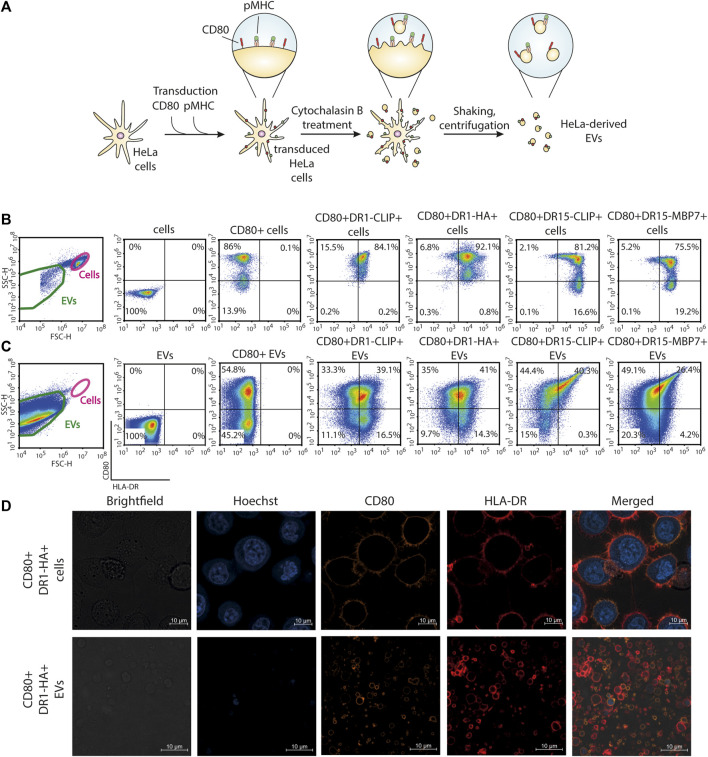 Figure 1
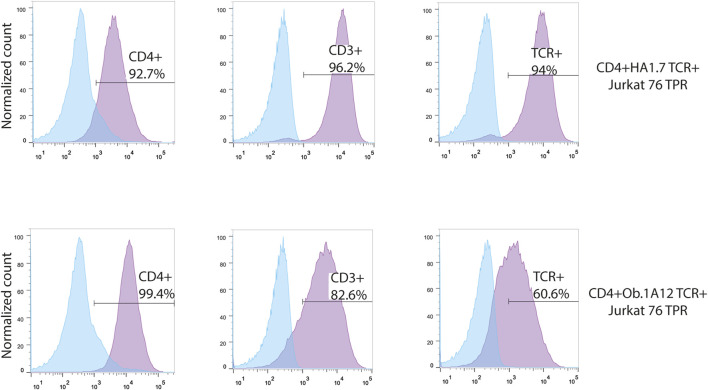 Figure 2
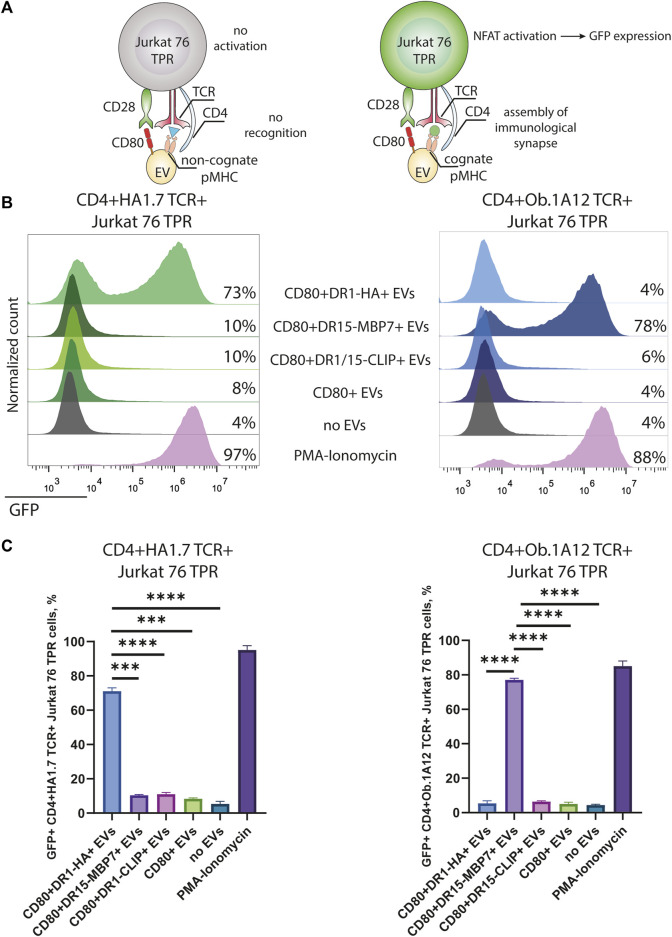 Figure 3
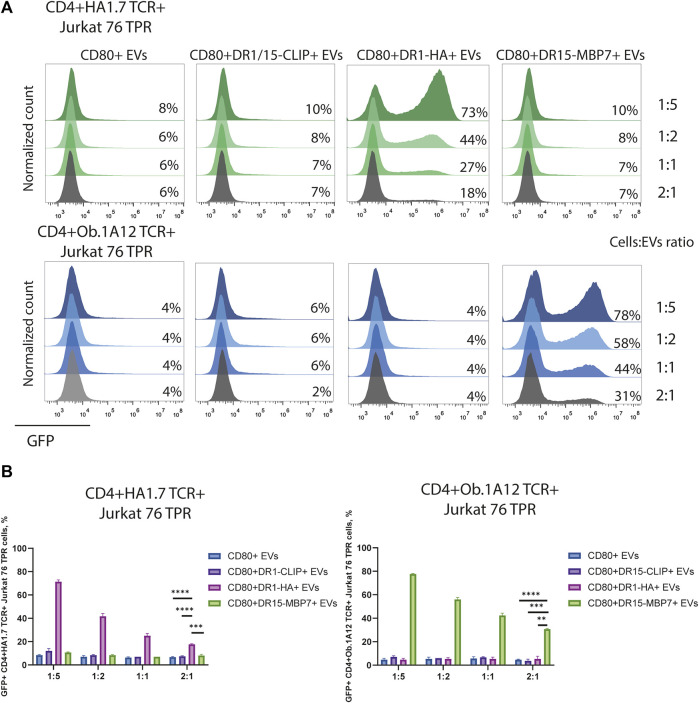 Figure 4
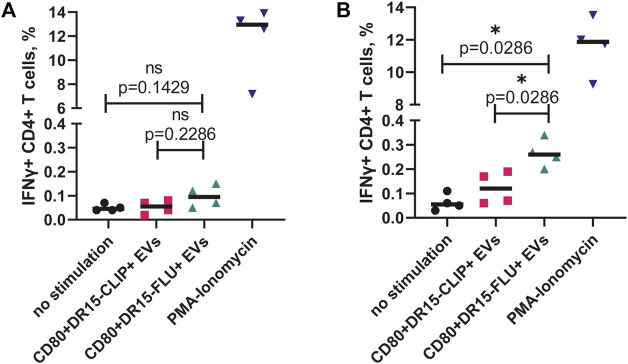 Figure 5
Peer Reviews
No public reviews on file for this paper yet. If you reviewed it on a platform where reviews are public (OpenReview, ICLR, NeurIPS, ICML), you can paste yours below so the community can read it here.
Videos
No videos yet. Explain this paper in a talk, walkthrough, or lecture? Add one.
Taxonomy
TopicsHistorical and socio-economic studies of Spain and related regions · Hydrology and Watershed Management Studies · Water resources management and optimization