From accurate genome sequence to biotechnological application: The thermophile Mycolicibacterium hassiacum as experimental model
Mercedes Sánchez‐Costa, Susanne Gola, Marta Rodríguez‐Sáiz, José‐Luis Barredo, Aurelio Hidalgo, José Berenguer

TL;DR
This paper introduces Mycolicibacterium hassiacum, a thermophilic mycobacterium, as a new model for studying mycobacterial biology and biotechnology due to its unique genome and sterol metabolism capabilities.
Contribution
The paper presents a high-quality genome of M. hassiacum and develops the first thermostable selection marker for genetic manipulation in thermophilic mycobacteria.
Findings
M. hassiacum can use phytosterols as a carbon and energy source.
A curated genome was used to identify genes involved in sterol metabolism.
A gene knockout was successfully performed using a thermostable selection marker.
Abstract
Mycobacteria constitute a large group of microorganisms belonging to the phylum Actinobacteria encompassing some of the most relevant pathogenic bacteria and many saprophytic isolates that share a unique and complex cell envelope. Also unique to this group is the extensive capability to use and synthesize sterols, a class of molecules that include active signalling compounds of pharmaceutical use. However, few mycobacterial species and strains have been established as laboratory models to date, Mycolicibacterium smegmatis mc2155 being the most common one. In this work, we focus on the use of a thermophilic mycobacterium, Mycolicibacterium hassiacum, which grows optimally above 50°C, as an emerging experimental model valid to extend our general knowledge of mycobacterial biology as well as for application purposes. To that end, accurate genomic sequences are key for gene mining, the…
Genes, proteins, chemicals, diseases, species, mutations and cell lines named across the full text — each resolved to its canonical identifier and authoritative record.
Click any figure to enlarge with its caption.
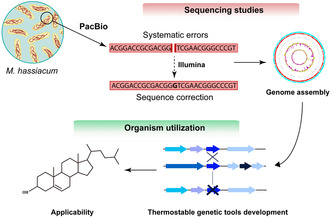 Figure 1
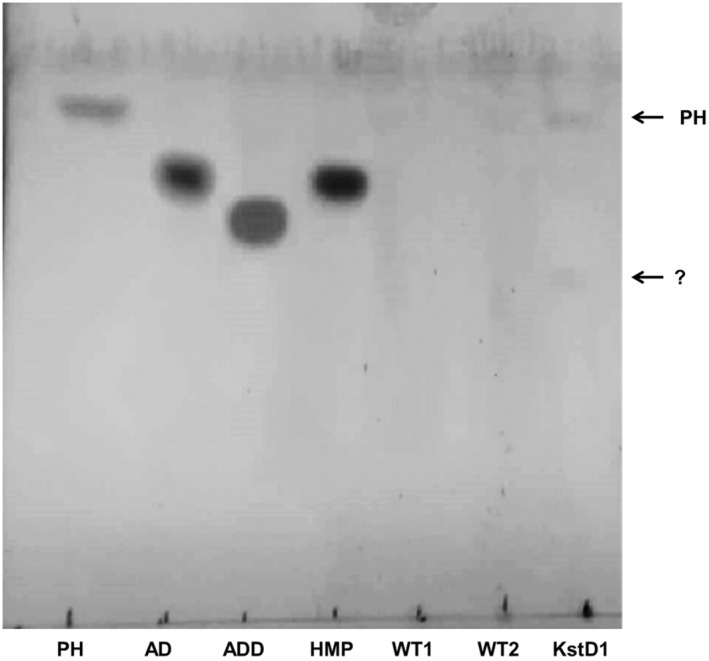 Figure 2
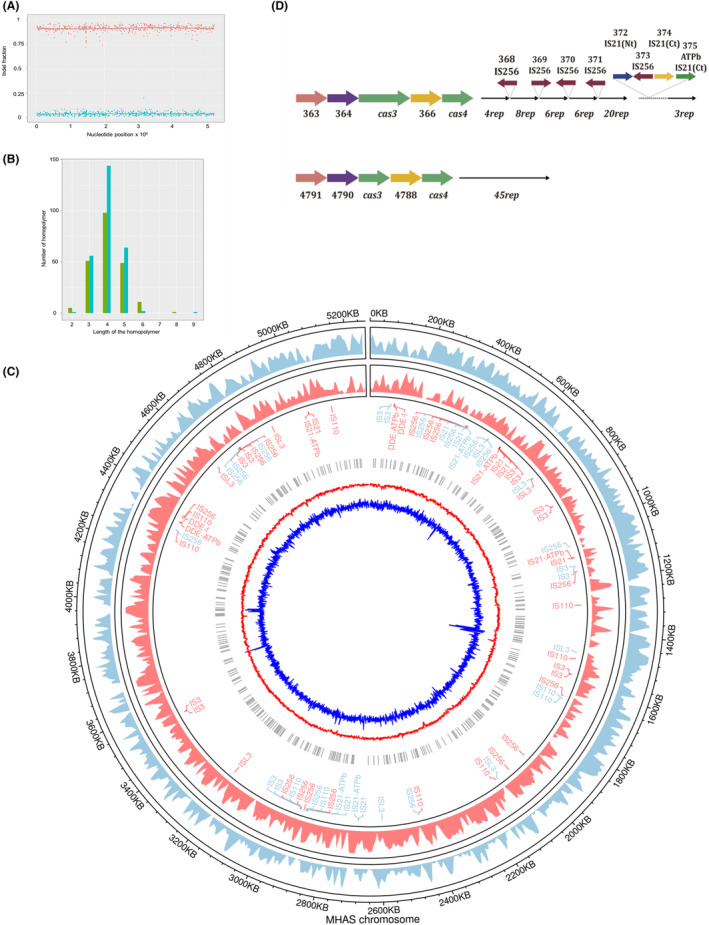 Figure 3
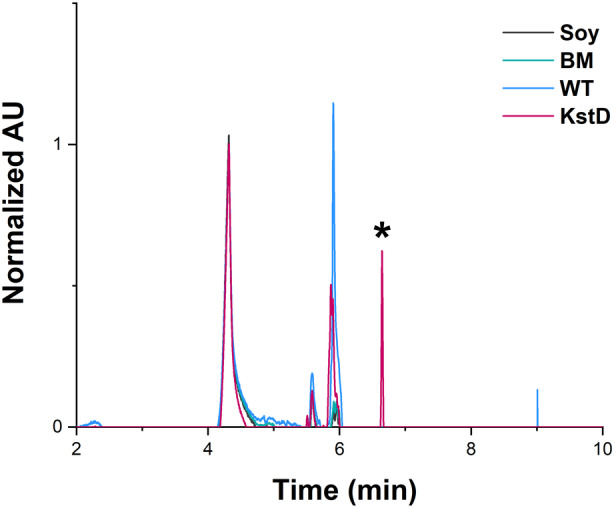 Figure 4
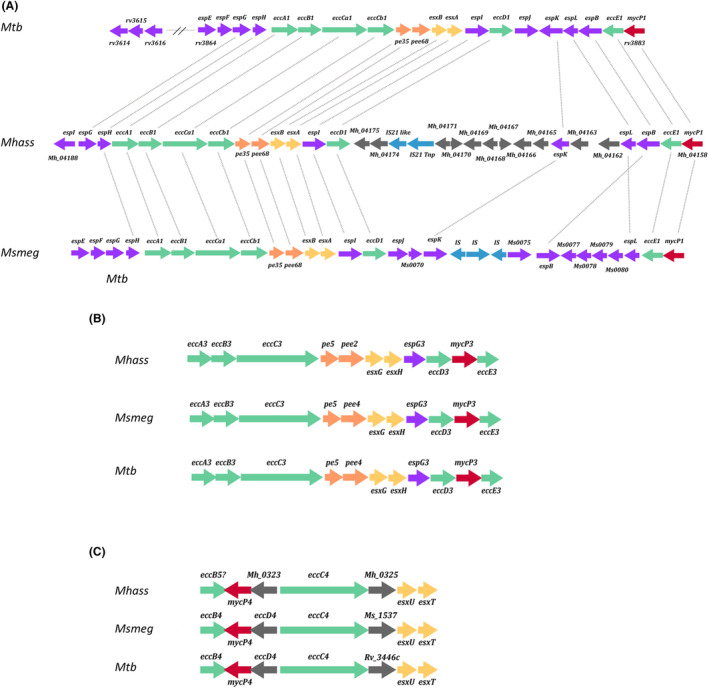 Figure 5
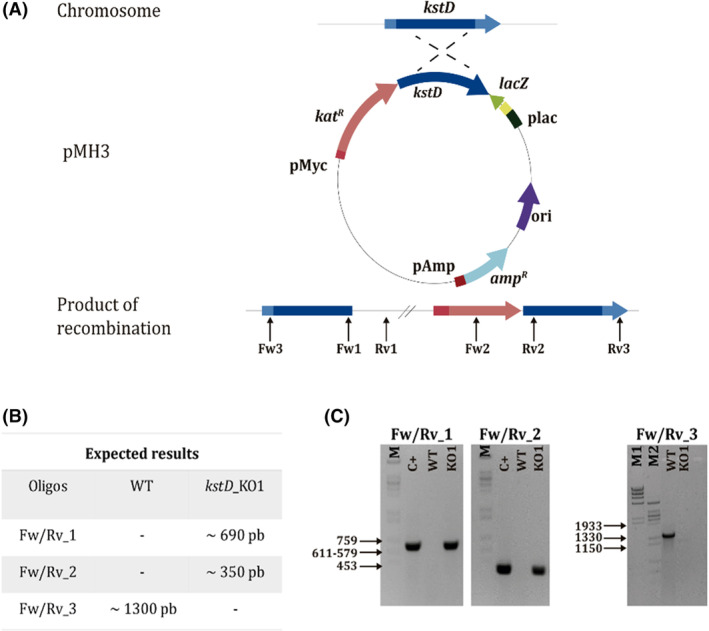 Figure 6
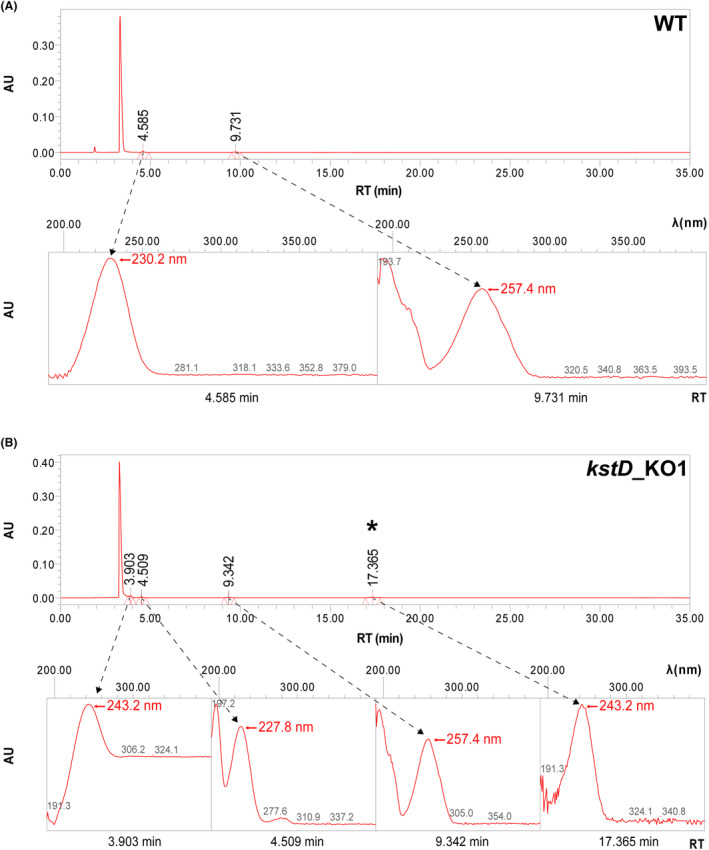 Figure 7
Peer Reviews
No public reviews on file for this paper yet. If you reviewed it on a platform where reviews are public (OpenReview, ICLR, NeurIPS, ICML), you can paste yours below so the community can read it here.
Videos
No videos yet. Explain this paper in a talk, walkthrough, or lecture? Add one.
Taxonomy
TopicsInsect-Plant Interactions and Control · Forest Insect Ecology and Management · Horticultural and Viticultural Research