Mapping heterogeneity in family planning indicators in Burkina Faso, Kenya, and Nigeria, 2000–2020
Doori Oh, Doori Oh, Rebecca M. Cogen, Erin C. Mullany, Susan McLaughlin, Olumide Abiodun, Lawan Hassan Adamu, Abiola Victor Adepoju, Miracle Ayomikun Adesina, Daniel Adedayo Adeyinka, Aanuoluwapo Adeyimika Afolabi, Olufemi Ajumobi, Dickson A. Amugsi, Olivia Angelino

TL;DR
This study maps family planning trends in Burkina Faso, Kenya, and Nigeria from 2000 to 2020, revealing significant local variations in contraceptive use and unmet needs.
Contribution
The study introduces a Bayesian geostatistical model to estimate subnational family planning indicators with high spatial resolution.
Findings
Contraceptive prevalence rates varied widely across regions, with some areas showing over 70% use while others had less than 1%.
National trends showed overall increases in contraceptive use, but local differences in the magnitude of change were substantial.
The study highlights the importance of subnational data to better understand and address local unmet needs for family planning.
Abstract
Family planning is fundamental to women’s reproductive health and is a basic human right. Global targets such as Sustainable Development Goal 3 (specifically, Target 3.7) have been established to promote universal access to sexual and reproductive healthcare services. Country-level estimates of contraceptive use and other family planning indicators are already available and are used for tracking progress towards these goals. However, there is likely heterogeneity in these indicators within countries, and more local estimates can provide crucial additional information about progress towards these goals in specific populations. In this analysis, we develop estimates of six family indicators at a local scale, and use these estimates to describe heterogeneity and spatial–temporal patterns in these indicators in Burkina Faso, Kenya, and Nigeria. We used a Bayesian geostatistical modelling…
Genes, proteins, chemicals, diseases, species, mutations and cell lines named across the full text — each resolved to its canonical identifier and authoritative record.
Click any figure to enlarge with its caption.
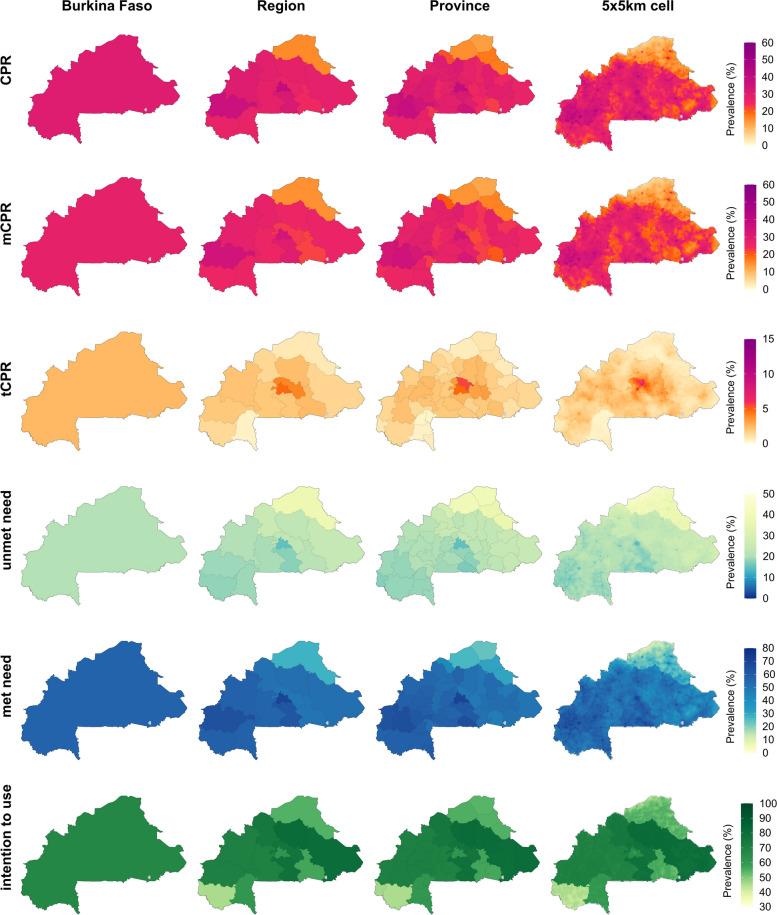 Figure 1
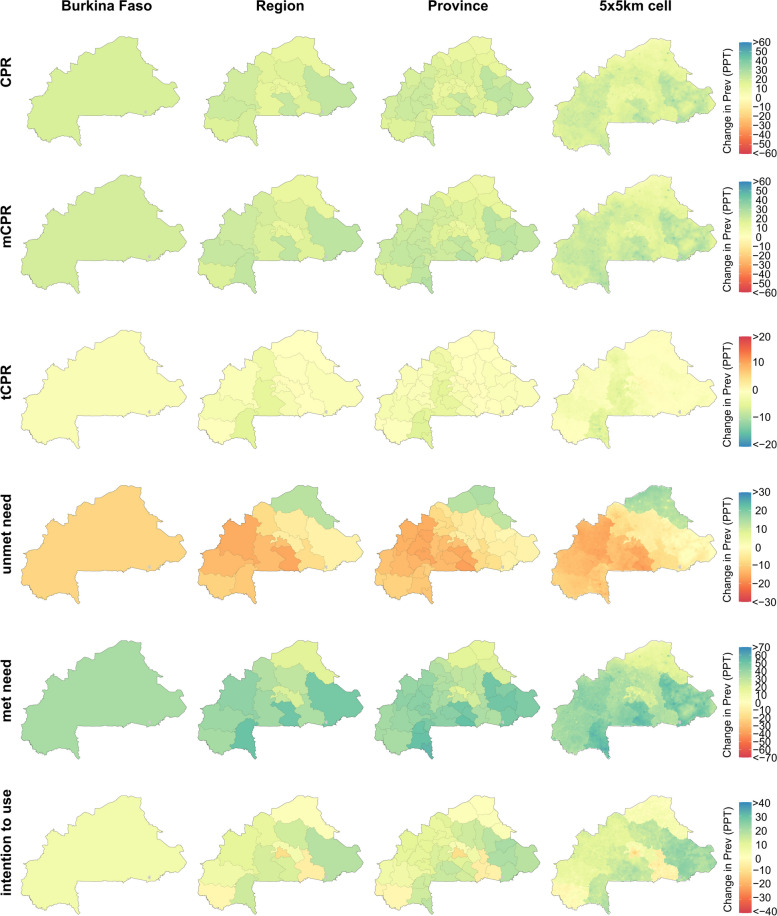 Figure 2
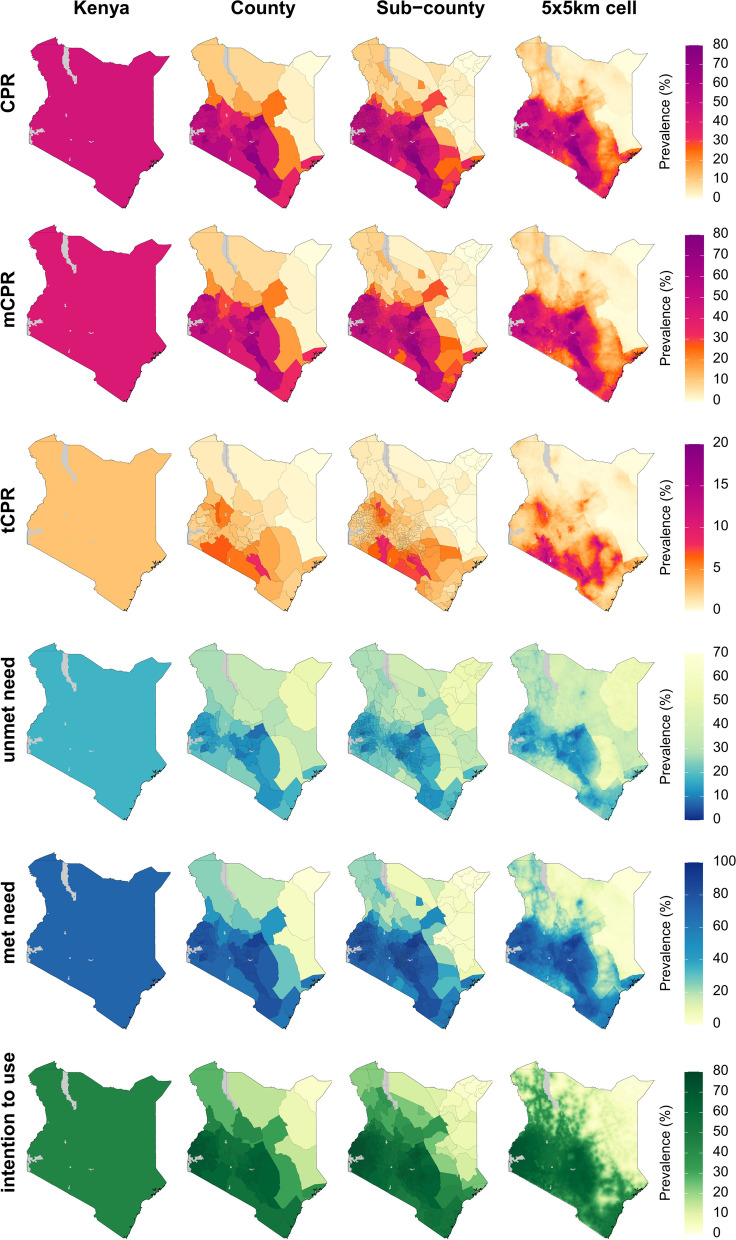 Figure 3
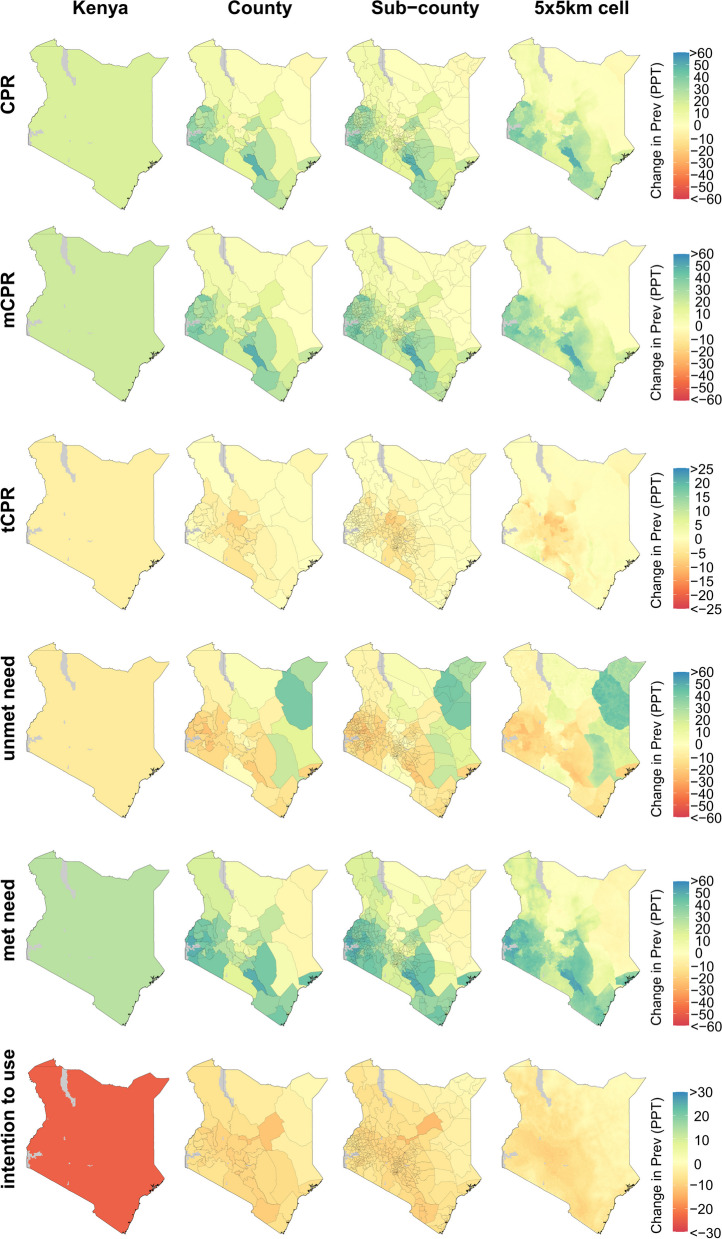 Figure 4
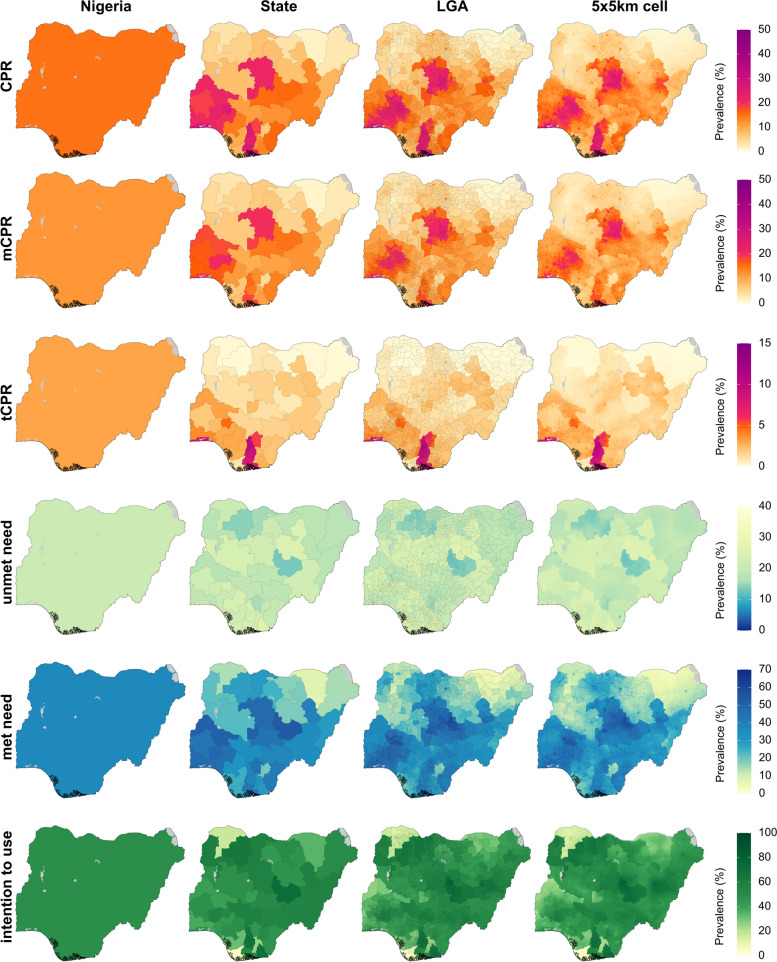 Figure 5
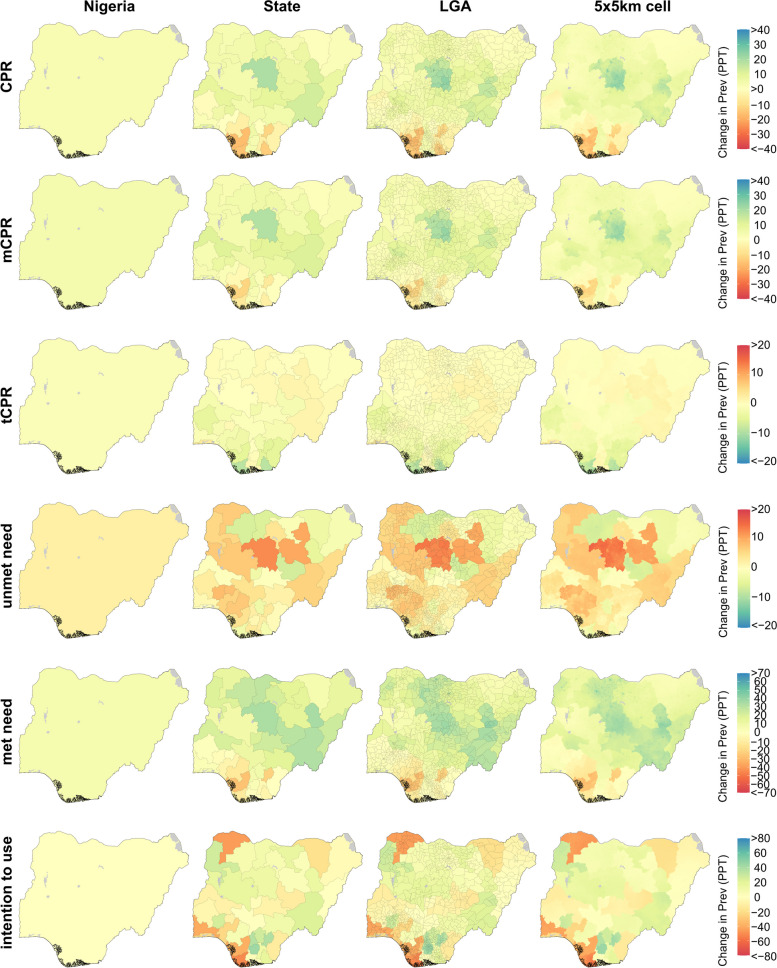 Figure 6
Peer Reviews
No public reviews on file for this paper yet. If you reviewed it on a platform where reviews are public (OpenReview, ICLR, NeurIPS, ICML), you can paste yours below so the community can read it here.
Videos
No videos yet. Explain this paper in a talk, walkthrough, or lecture? Add one.
Taxonomy
TopicsGlobal Maternal and Child Health · Census and Population Estimation · Food Security and Health in Diverse Populations