A True Human Tail In A Neonate Born In Saudi Arabia: A Case Report
Sarah A Algallaf, Majed A Alobaid, Shahad G Alghamdi, Kholoud S Alanazi

TL;DR
A rare case of a true human tail in a preterm baby from Saudi Arabia is reported, with no spinal issues.
Contribution
This case adds to the limited literature on true human tails without spinal dysraphism in neonates.
Findings
The neonate had a true human tail but no spinal dysraphism.
Imaging confirmed the absence of spinal abnormalities.
The case highlights the importance of thorough imaging for accurate diagnosis.
Abstract
A caudal cutaneous appendage known as the true human tail is a rare and benign condition. Different classification systems have been established, mostly based on the presence of associated spinal dysraphism. Imaging studies play an important role in detecting the prognosis and developing a management plan. Here, we present a rare case of a true human tail with no underlying spinal dysraphism in a preterm neonate.
Genes, proteins, chemicals, diseases, species, mutations and cell lines named across the full text — each resolved to its canonical identifier and authoritative record.
Click any figure to enlarge with its caption.
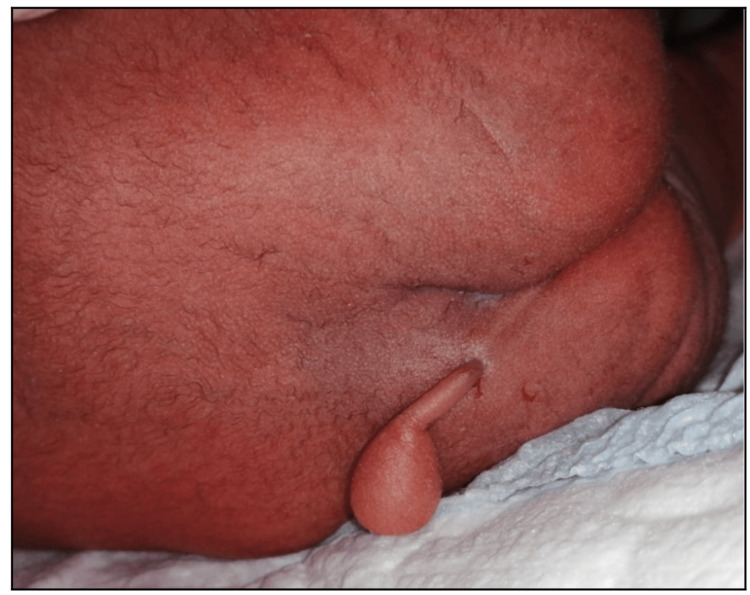 Figure 1
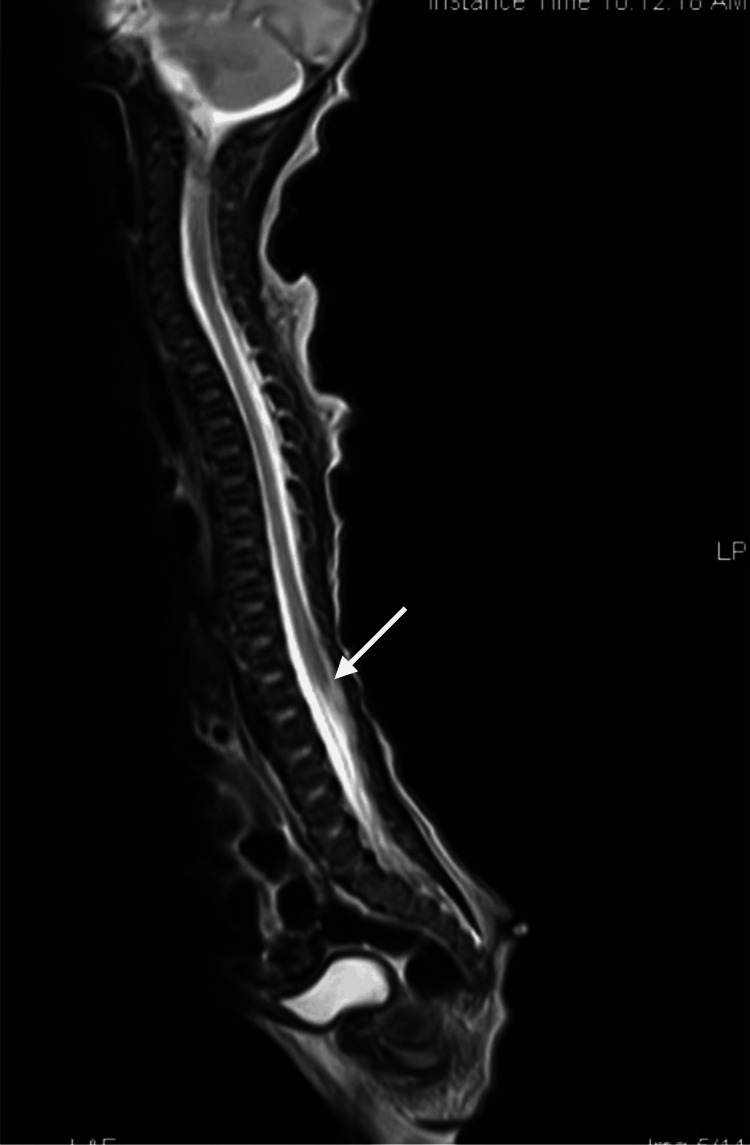 Figure 2
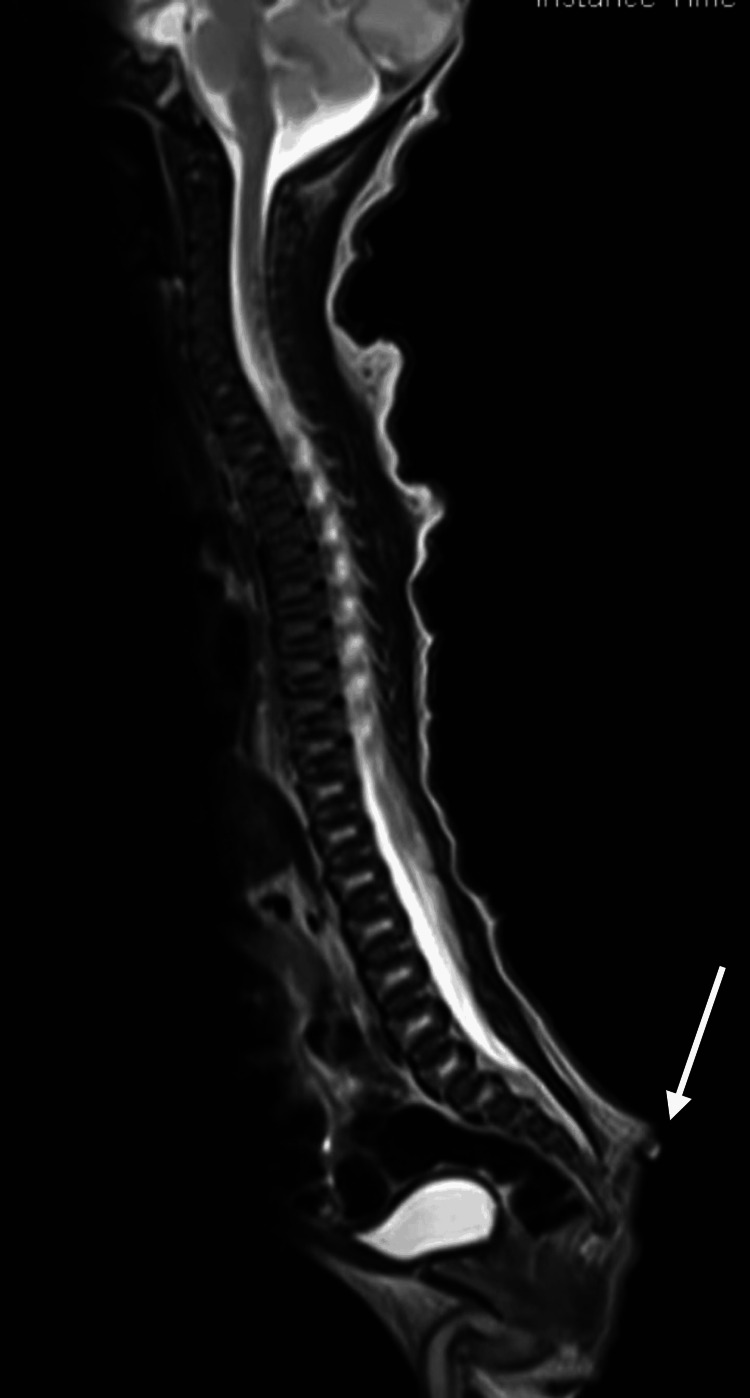 Figure 3
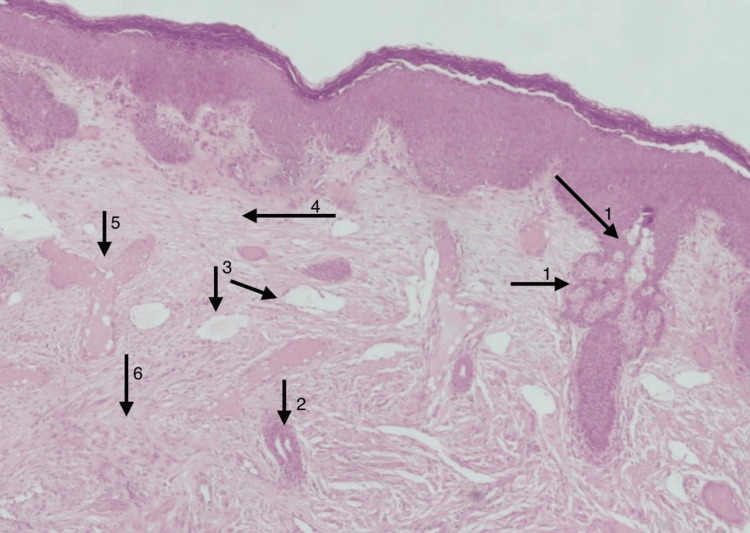 Figure 4
Peer Reviews
No public reviews on file for this paper yet. If you reviewed it on a platform where reviews are public (OpenReview, ICLR, NeurIPS, ICML), you can paste yours below so the community can read it here.
Videos
No videos yet. Explain this paper in a talk, walkthrough, or lecture? Add one.
Taxonomy
TopicsFetal and Pediatric Neurological Disorders · Urological Disorders and Treatments · Congenital gastrointestinal and neural anomalies