Insights into the differences related to the resistance mechanisms to the highly toxic fruit Hippomane mancinella (Malpighiales: Euphorbiaceae) between the larvae of the sister species Anastrepha acris and Anastrepha ludens (Diptera: Tephritidae) through comparative transcriptomics
Essicka A. García-Saldaña, Daniel Cerqueda-García, Enrique Ibarra-Laclette, Martín Aluja

TL;DR
This study explores how two closely related fruit fly species differ in their ability to survive on a highly toxic fruit through genetic and metabolic adaptations.
Contribution
The study identifies species-specific resistance mechanisms in fruit fly larvae using comparative transcriptomics.
Findings
A. acris larvae showed fewer transcriptional changes compared to A. ludens when exposed to toxic fruit.
Resistance mechanisms included structural (cuticle proteins) and metabolic (serine proteases, glutathione-S-transferases) adaptations.
Non-orthologous genes in A. acris suggest evolutionary specialization to the toxic host plant.
Abstract
The Manchineel, Hippomane mancinella (“Death Apple Tree”) is one of the most toxic fruits worldwide and nevertheless is the host plant of the monophagous fruit fly species Anastrepha acris (Diptera: Tephritidae). Here we aimed at elucidating the detoxification mechanisms in larvae of A. acris reared on a diet enriched with the toxic fruit (6% lyophilizate) through comparative transcriptomics. We compared the performance of A. acris larvae with that of the sister species A. ludens, a highly polyphagous pest species that is unable to infest H. mancinella in nature. The transcriptional alterations in A. ludens were significantly greater than in A. acris. We mainly found two resistance mechanisms in both species: structural, activating cuticle protein biosynthesis (chitin-binding proteins likely reducing permeability to toxic compounds in the intestine), and metabolic, triggering…
Genes, proteins, chemicals, diseases, species, mutations and cell lines named across the full text — each resolved to its canonical identifier and authoritative record.
Click any figure to enlarge with its caption.
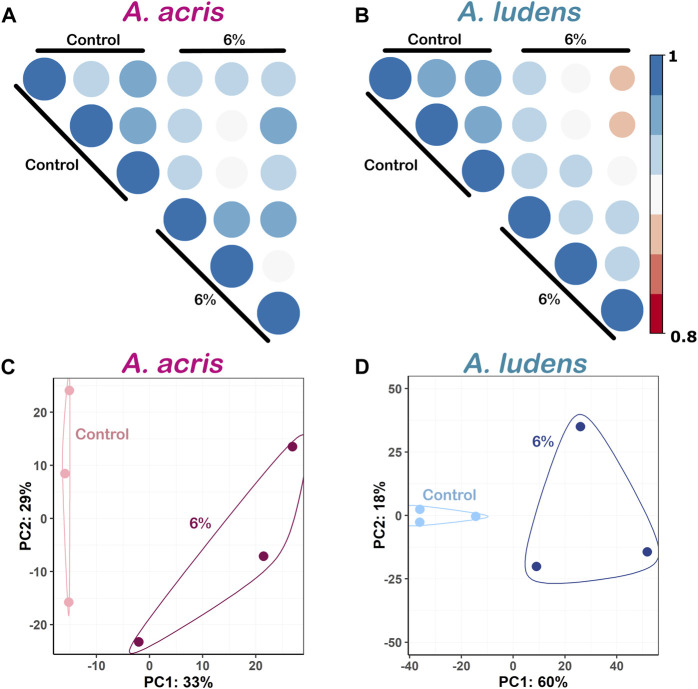 Figure 1
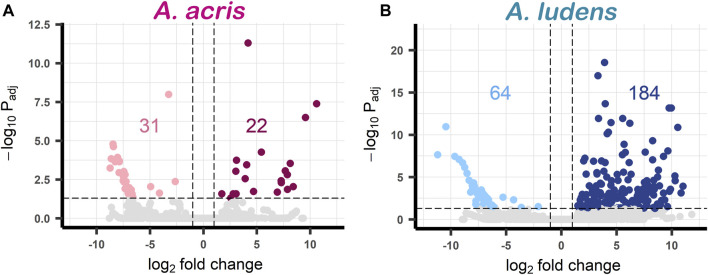 Figure 2
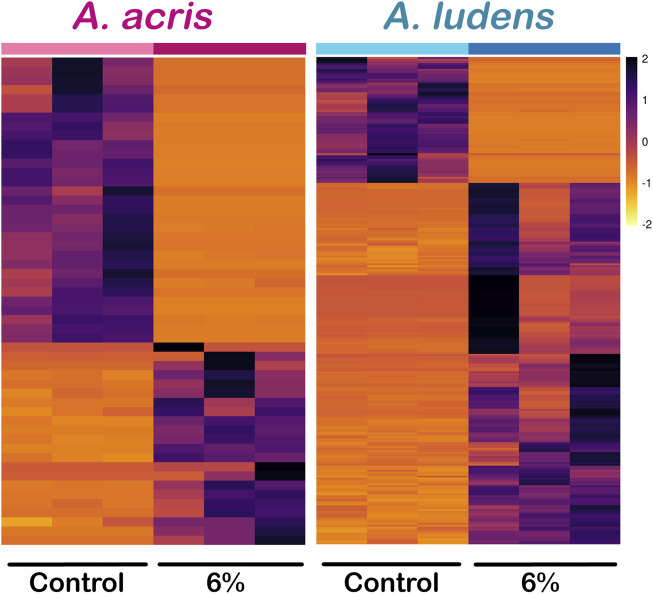 Figure 3
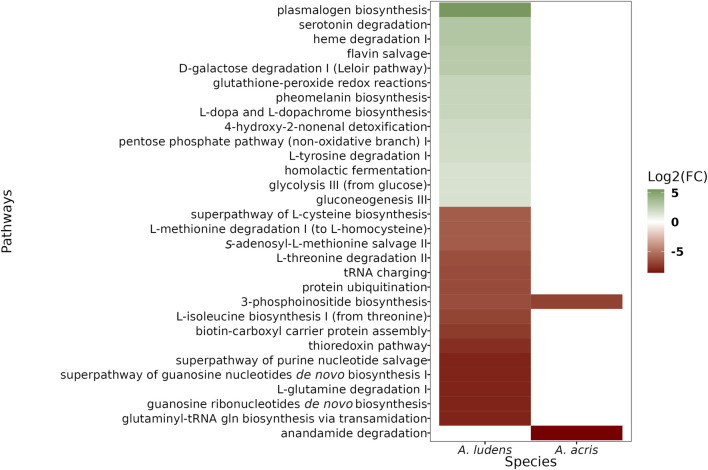 Figure 4
Peer Reviews
No public reviews on file for this paper yet. If you reviewed it on a platform where reviews are public (OpenReview, ICLR, NeurIPS, ICML), you can paste yours below so the community can read it here.
Videos
No videos yet. Explain this paper in a talk, walkthrough, or lecture? Add one.
Taxonomy
TopicsMagneto-Optical Properties and Applications · Aerosol Filtration and Electrostatic Precipitation · High voltage insulation and dielectric phenomena