Characterization of a putative metal-dependent PTP-like phosphatase from Lactobacillus helveticus 2126
Paul Priyodip, Seetharaman Balaji

TL;DR
This study characterizes a new metal-dependent phosphatase from Lactobacillus helveticus 2126, revealing its structure and activity for potential use in genetic engineering.
Contribution
The paper reports the characterization and structural modeling of a novel PTP-like phosphatase from a probiotic bacterium.
Findings
The phosphatase showed highest specificity for sodium phytate with a low Km value of 299.50 ± 4.95 μM.
The enzyme's activity was enhanced by zinc, magnesium, and manganese ions, indicating PTP-like behavior.
Homology modeling revealed a distorted TIM barrel structure with a trinuclear metal center and 90.9% favorable Ramachandran plot residues.
Abstract
To date, there are very limited reports on sequence analysis and structure-based molecular modeling of phosphatases produced by probiotic bacteria. Therefore, a novel protein tyrosine-like phosphatase was characterized from L. helveticus 2126 in this study. The purified bacterial phosphatase was subjected to mass spectrometric analysis, and the identity of constructed sequence was analyzed using peptide mass fingerprint. The 3-D structure of protein was elucidated using homology modeling, while its stability was assessed using Ramachandran plot, VERIFY 3D, and PROCHECK. The bacterium produced an extracellular phosphatase of zone diameter 15 ± 0.8 mm on screening medium within 24 h of incubation. This bacterial phosphatase was highly specific towards sodium phytate as it yielded the lowest Km value of 299.50 ± 4.95 μM compared to other phosphorylated substrates. The activity was…
Genes, proteins, chemicals, diseases, species, mutations and cell lines named across the full text — each resolved to its canonical identifier and authoritative record.
Click any figure to enlarge with its caption.
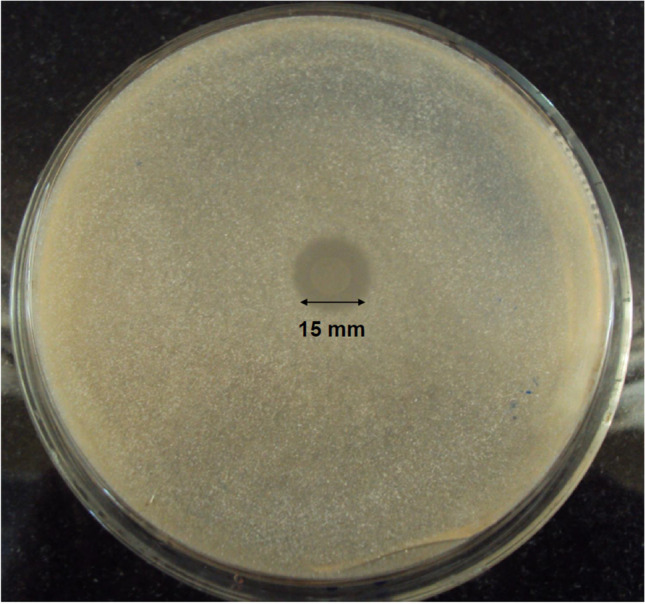 Figure 1
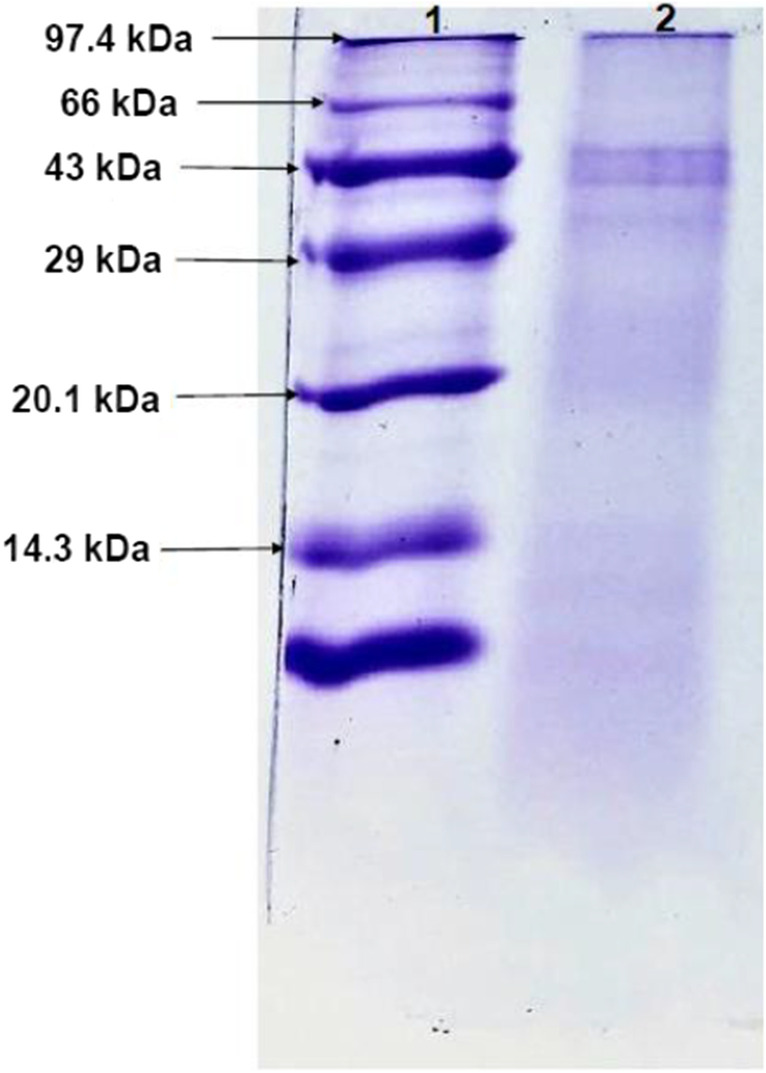 Figure 2
 Figure 3
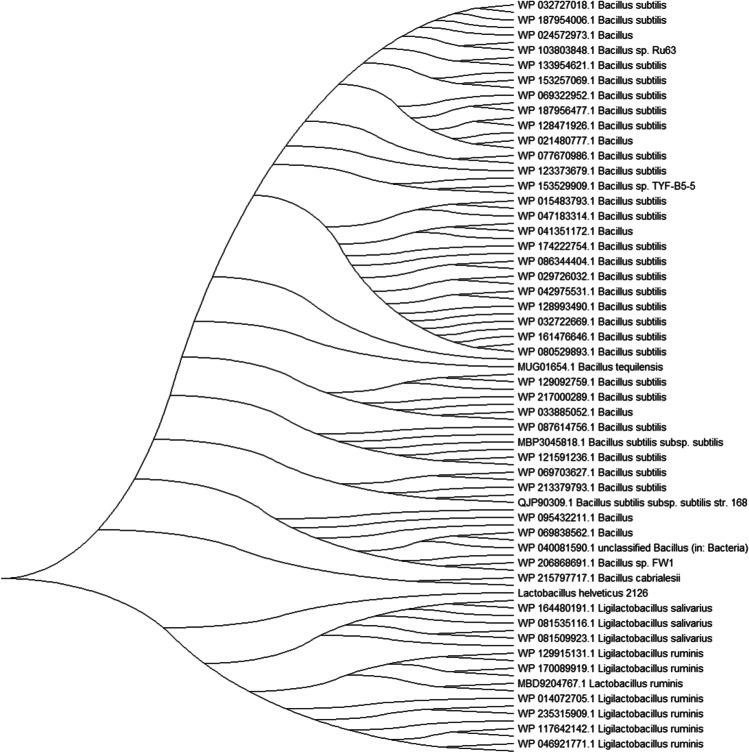 Figure 4
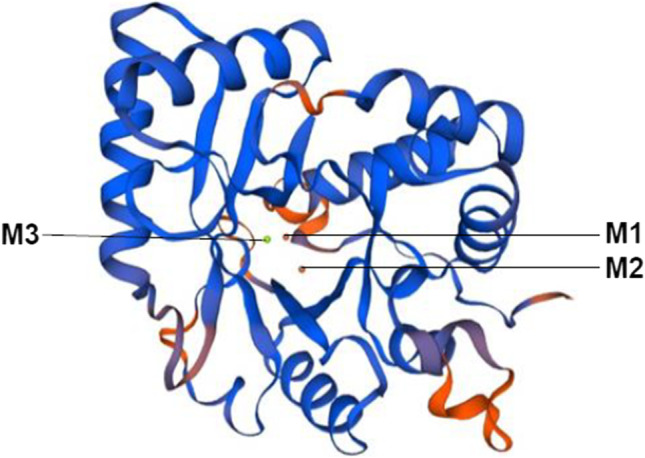 Figure 5
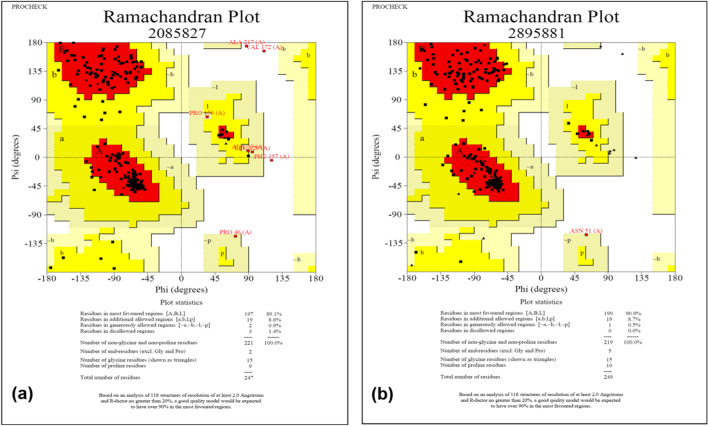 Figure 6
Peer Reviews
No public reviews on file for this paper yet. If you reviewed it on a platform where reviews are public (OpenReview, ICLR, NeurIPS, ICML), you can paste yours below so the community can read it here.
Videos
No videos yet. Explain this paper in a talk, walkthrough, or lecture? Add one.
Taxonomy
TopicsPhytase and its Applications · Protein Hydrolysis and Bioactive Peptides · Trace Elements in Health