Unified Interpretations of Two Kinds of Needle-Shaped Precipitates Using Transmission Electron Microscopy and Small-Angle Neutron Scattering in Aged Al–Mg2Si(-Cu) Alloys
Amalina Aina Kaharudin, Masato Ohnuma, Seungwon Lee, Taiki Tsuchiya, Yuuki Asada, Ken-ichi Ikeda, Kazuki Ohishi, Jun-ichi Suzuki, Kenji Matsuda, Tomoyuki Homma

TL;DR
This study uses electron microscopy and neutron scattering to analyze needle-shaped precipitates in aluminum alloys, revealing a new phase that affects hardness.
Contribution
The study identifies and characterizes a new precipitate phase (R phase) in Al–Mg2Si alloys and shows how Cu addition influences its formation and properties.
Findings
The R phase forms as a needle-shaped precipitate and partially aligns along the axis of random-type precipitates.
Cu addition stabilizes and promotes the growth of the R phase, enhancing hardness in the alloy.
The R phase is present even in Cu-free alloys but with lower volume fraction and slower growth.
Abstract
This study investigates the nanostructural properties of pseudo-binary Al–1.0Mg2Si (mass%) alloys with and without 0.5Cu using transmission electron microscopy (TEM) and small-angle neutron scattering (SANS). The TEM results show that both alloys exhibit extra electron diffraction spots related to MgSiMg second clusters at peak-aged conditions. High-resolution TEM images have revealed that the second cluster exists as a needle-shaped precipitate that is shorter and thicker than the β″ phase. We found that the second cluster, which we referred to as the R phase in this paper, is more likely to form partially along the longitudinal axis of a random-type precipitate. Thus, the atomic arrangement in the random-type precipitate is not completely random. SANS is used to quantify the size and volume fraction of the observed needle-shaped precipitates since the R phase is difficult to observe…
Genes, proteins, chemicals, diseases, species, mutations and cell lines named across the full text — each resolved to its canonical identifier and authoritative record.
Click any figure to enlarge with its caption.
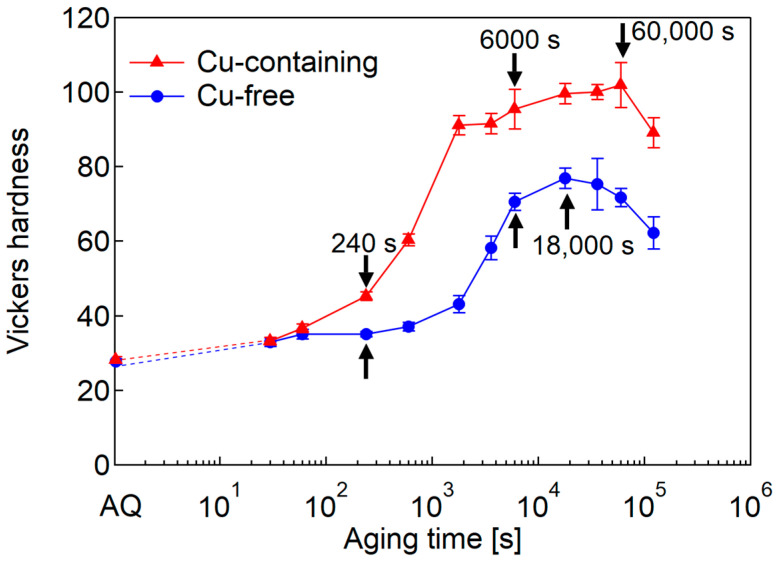 Figure 1
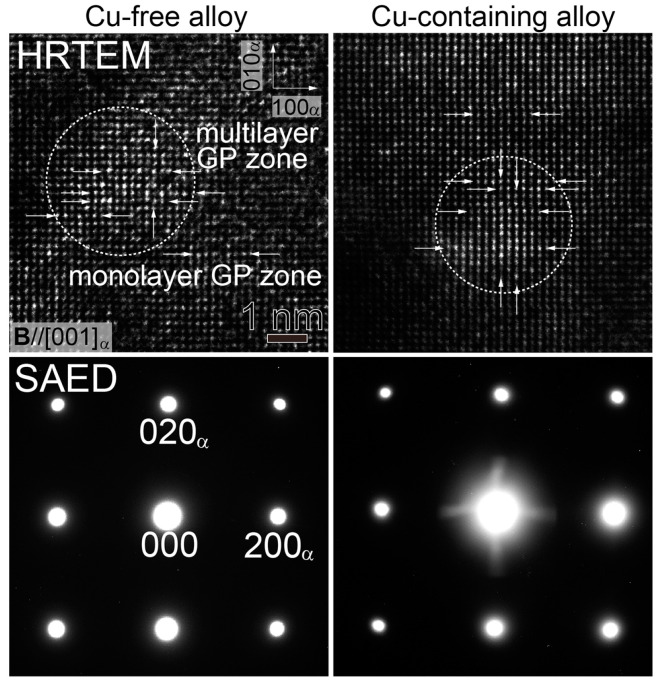 Figure 2
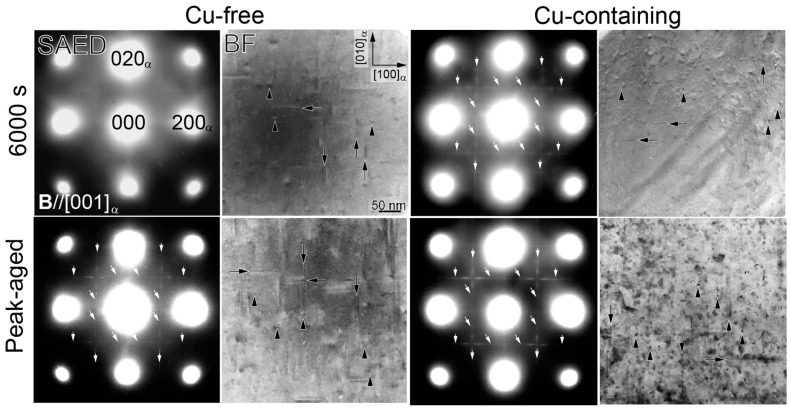 Figure 3
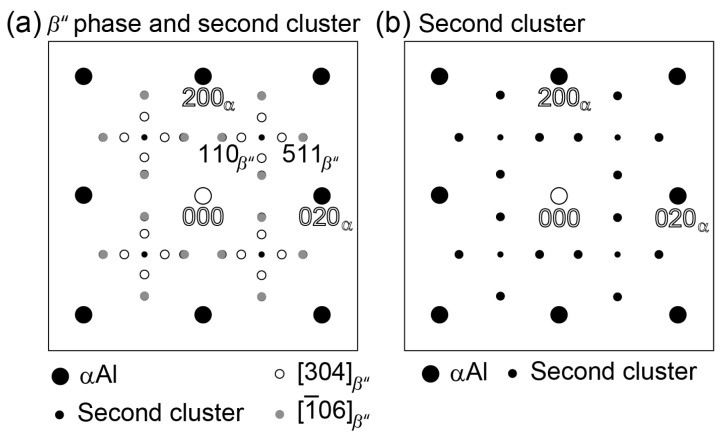 Figure 4
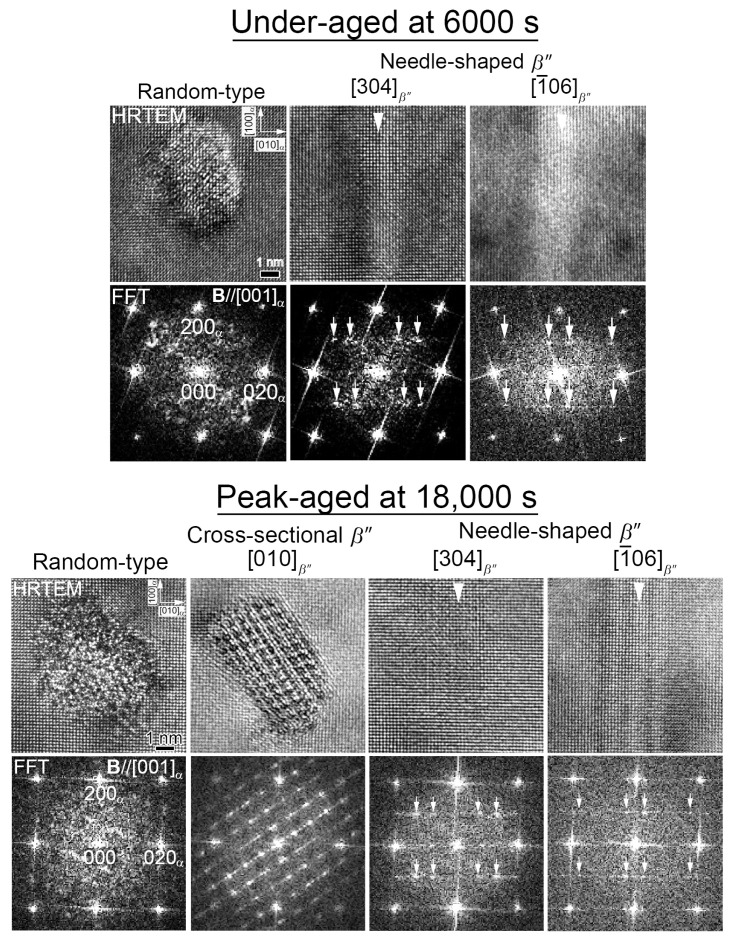 Figure 5
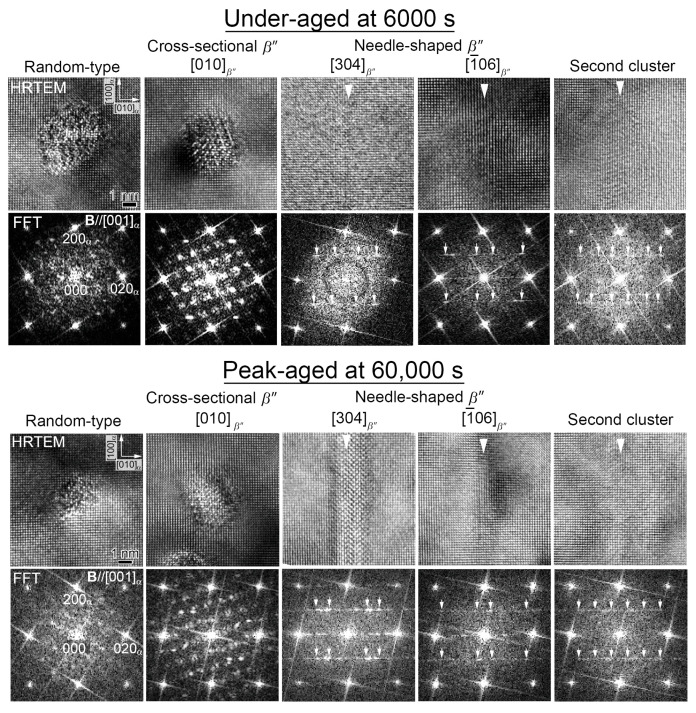 Figure 6
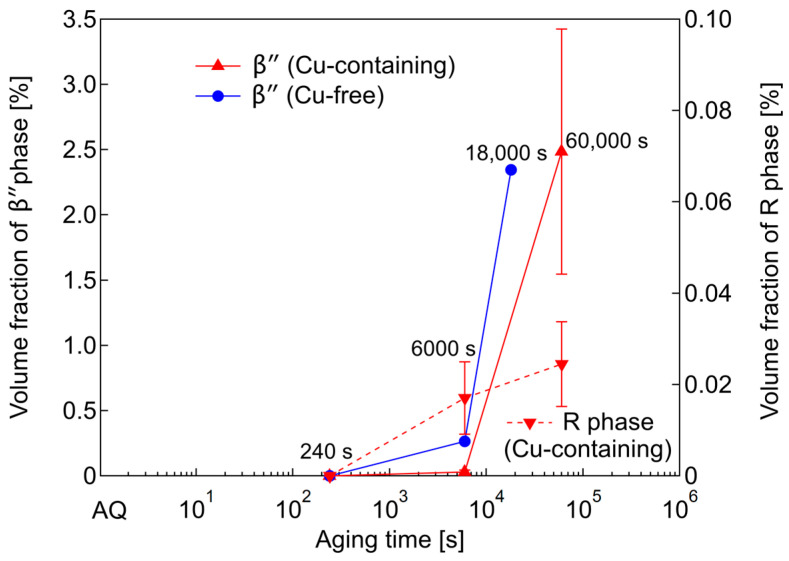 Figure 7
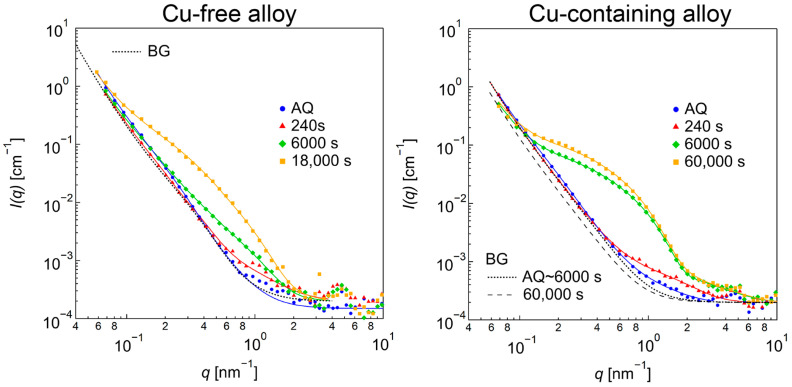 Figure 8
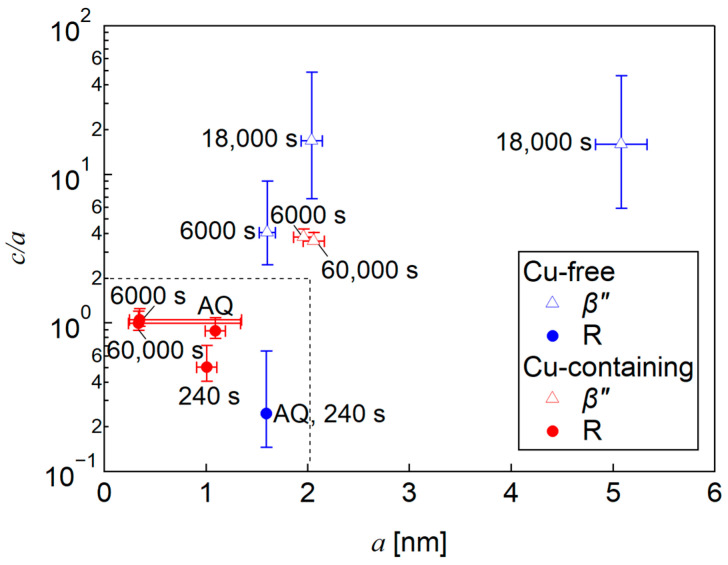 Figure 9
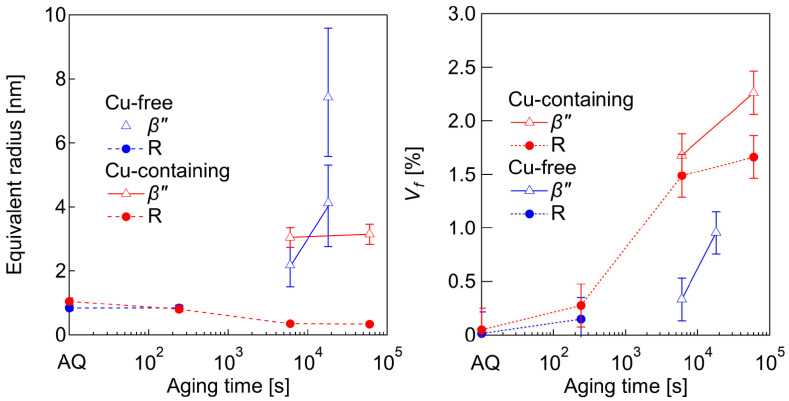 Figure 10
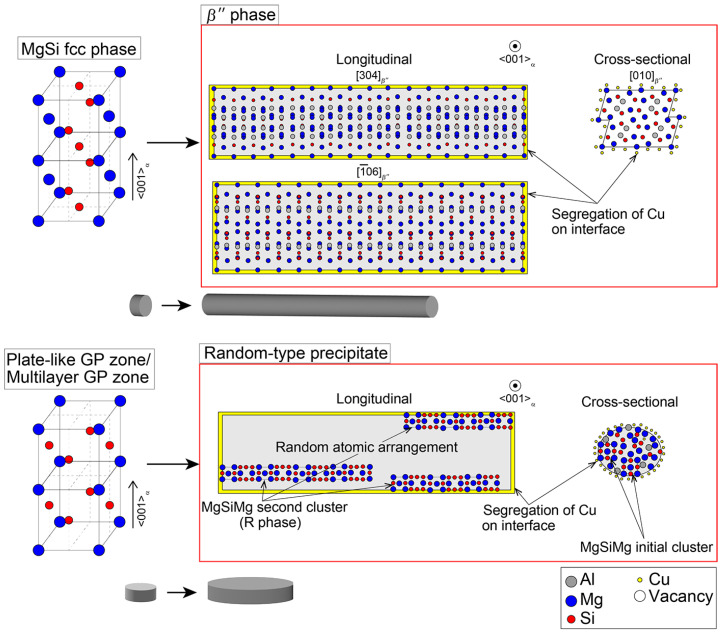 Figure 11
Peer Reviews
No public reviews on file for this paper yet. If you reviewed it on a platform where reviews are public (OpenReview, ICLR, NeurIPS, ICML), you can paste yours below so the community can read it here.
Videos
No videos yet. Explain this paper in a talk, walkthrough, or lecture? Add one.
Taxonomy
TopicsAluminum Alloy Microstructure Properties · Microstructure and mechanical properties · Aluminum Alloys Composites Properties