Transcriptomic Analysis Reveals Candidate Genes in Response to Sorghum Mosaic Virus and Salicylic Acid in Sugarcane
Genhua Zhou, Rubab Shabbir, Zihao Sun, Yating Chang, Xinli Liu, Pinghua Chen

TL;DR
This study explores how sugarcane responds to a virus and salicylic acid, identifying genes involved in disease resistance.
Contribution
The study identifies candidate genes and pathways involved in sugarcane's response to Sorghum Mosaic Virus and salicylic acid.
Findings
Salicylic acid reduced viral populations in sugarcane cultivars ROC22 and Xuezhe.
2999 differentially expressed genes were identified, with key roles in metabolic processes and plant-pathogen interactions.
Genes like PR1a, NPR1a, and PAL were up-regulated, suggesting their role in stress response.
Abstract
Sorghum mosaic virus (SrMV) is one of the most prevalent viruses deteriorating sugarcane production. Salicylic acid (SA) plays an essential role in the defense mechanism of plants and its exogenous application has been observed to induce the resistance against biotic and abiotic stressors. In this study, we set out to investigate the mechanism by which sorghum mosaic virus (SrMV) infected sugarcane responds to SA treatment in two sugarcane cultivars, i.e., ROC22 and Xuezhe. Notably, significantly low viral populations were observed at different time points (except for 28 d in ROC22) in response to post-SA application in both cultivars as compared to control based on qPCR data. Furthermore, the lowest number of population size in Xuezhe (20 copies/µL) and ROC22 (95 copies/µL) was observed in response to 1 mM exogenous SA application. A total of 2999 DEGs were identified, of which 731 and…
Genes, proteins, chemicals, diseases, species, mutations and cell lines named across the full text — each resolved to its canonical identifier and authoritative record.
Click any figure to enlarge with its caption.
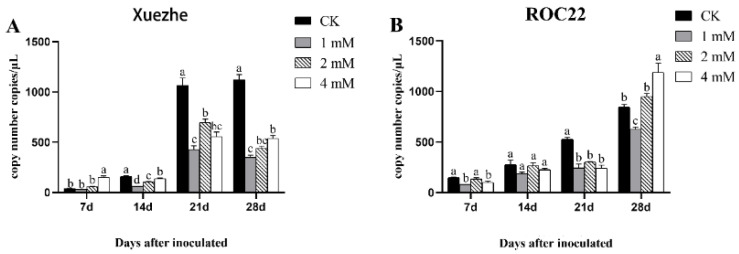 Figure 1
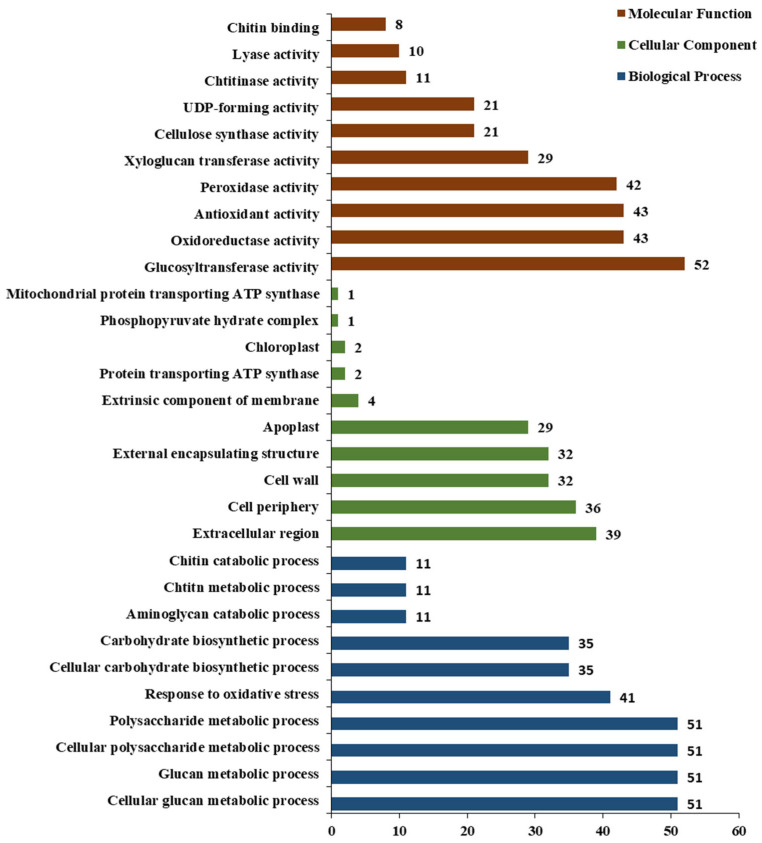 Figure 2
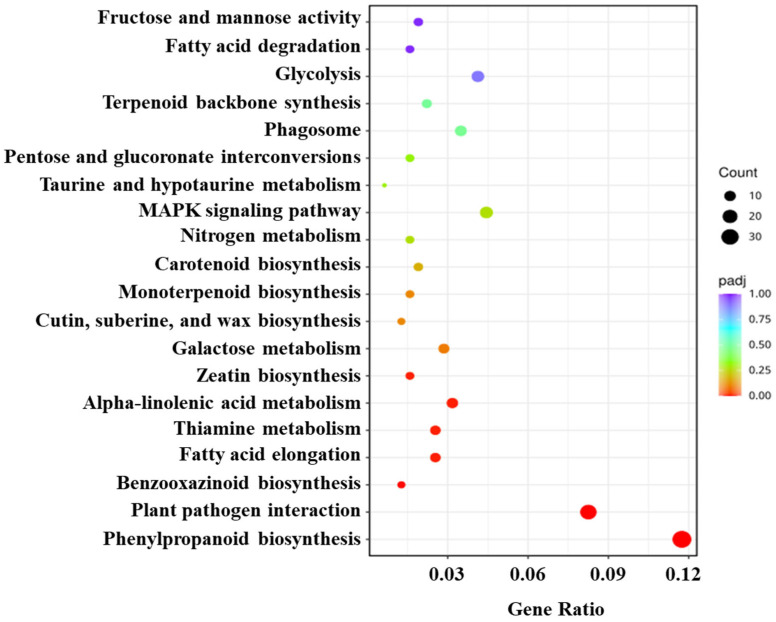 Figure 3
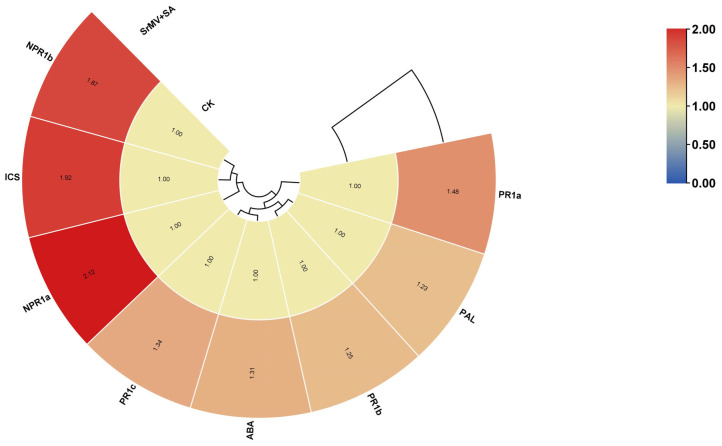 Figure 4
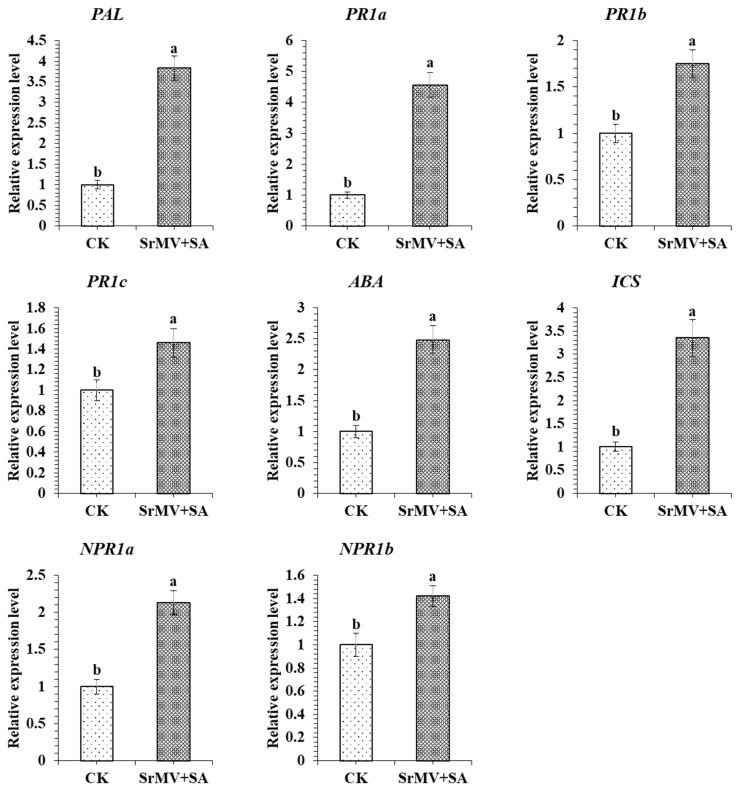 Figure 5
Peer Reviews
No public reviews on file for this paper yet. If you reviewed it on a platform where reviews are public (OpenReview, ICLR, NeurIPS, ICML), you can paste yours below so the community can read it here.
Videos
No videos yet. Explain this paper in a talk, walkthrough, or lecture? Add one.
Taxonomy
TopicsLanguage, Communication, and Linguistic Studies