Design, Optimization, and Experimental Evaluation of Slow Light Generated by π-Phase-Shifted Fiber Bragg Grating for Use in Sensing Applications
Matúš Vaňko, Ivan Glesk, Jarmila Müllerová, Jozef Dubovan, Milan Dado

TL;DR
This paper presents a π-Phase-Shifted Fiber Bragg Grating for generating slow light, optimized for sensing and communication applications.
Contribution
The novel contribution is the design and experimental validation of a π-PSFBG optimized for improved spectral and temporal performance in slow light generation.
Findings
A π-PSFBG was designed and fabricated with a 15-fold increase in pass band width for slow light generation.
Group delay of ~10.5 ps was experimentally measured, close to the modeled prediction of 19 ps.
The π-PSFBG can function as a tunable delay line for RF photonics and optical communications.
Abstract
This paper describes design, theoretical analysis, and experimental evaluation of a π-Phase-Shifted Fiber Bragg Grating (π-PSFBG) inscribed in the standard telecom fiber for slow light generation. At first, the grating was designed for its use in the reflection mode with a central wavelength of 1552 nm and a pass band width of less than 100 pm. The impact of fabrication imperfections was experimentally investigated and compared to model predictions. The optical spectra obtained experimentally show that the spectral region used for slow light generation is narrower (less than 10 pm), thus allowing for too-low levels of slow light optical-output power. In the next step, the optimization of the grating design was conducted to account for fabrication errors, to improve the grating’s spectral behavior and its temporal performance, and to widen the spectral interval for slow light generation…
Genes, proteins, chemicals, diseases, species, mutations and cell lines named across the full text — each resolved to its canonical identifier and authoritative record.
Click any figure to enlarge with its caption.
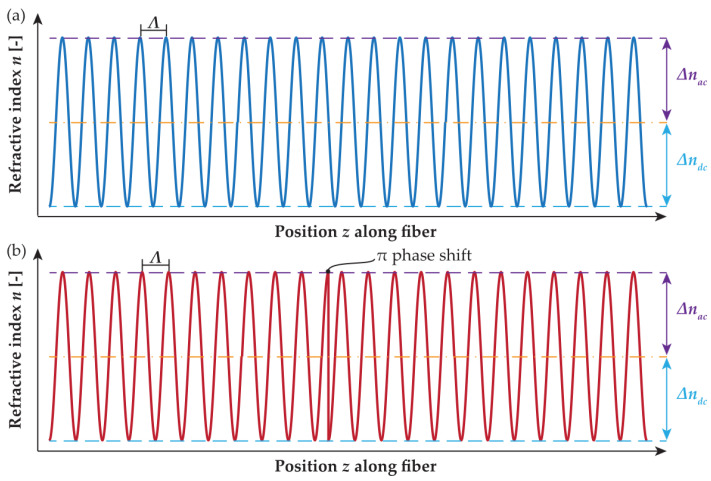 Figure 1
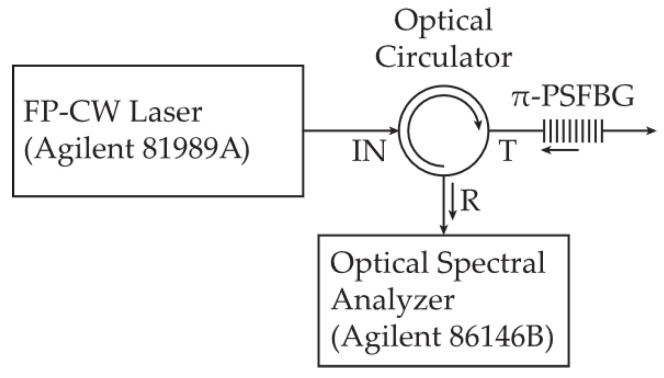 Figure 2
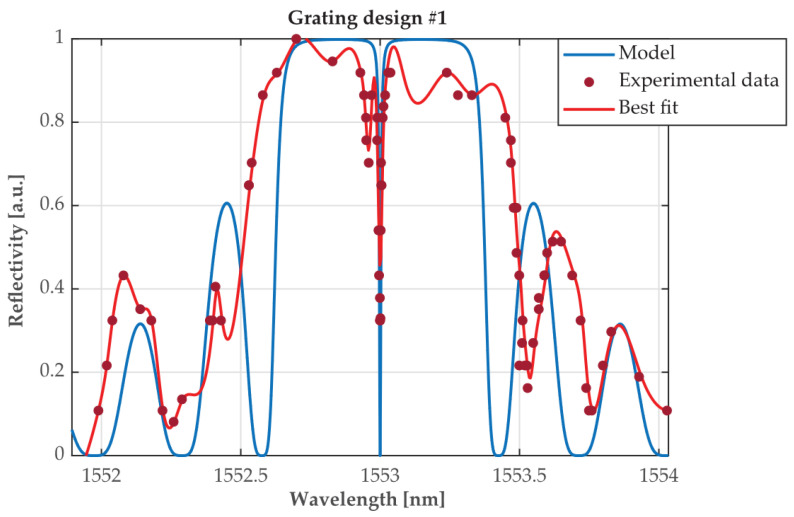 Figure 3
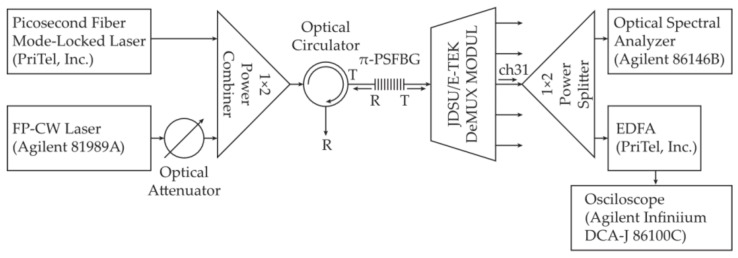 Figure 4
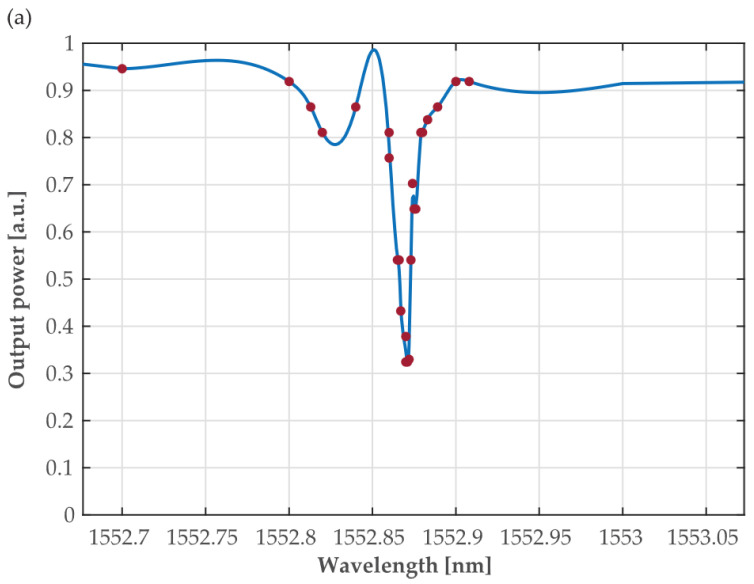 Figure 5
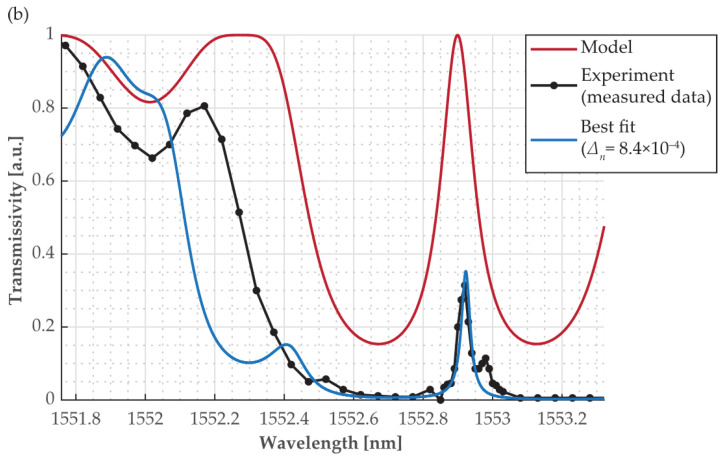 Figure 6
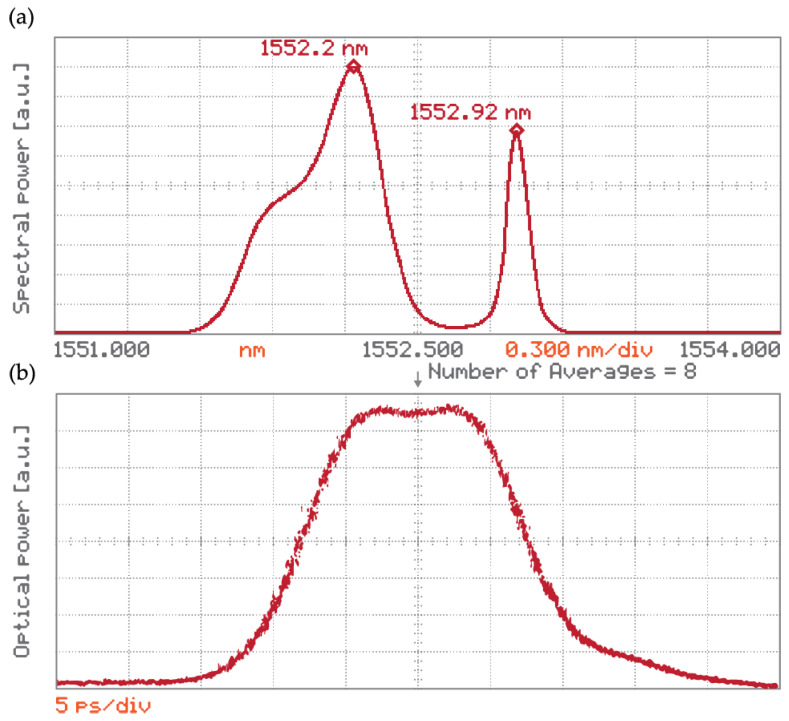 Figure 7
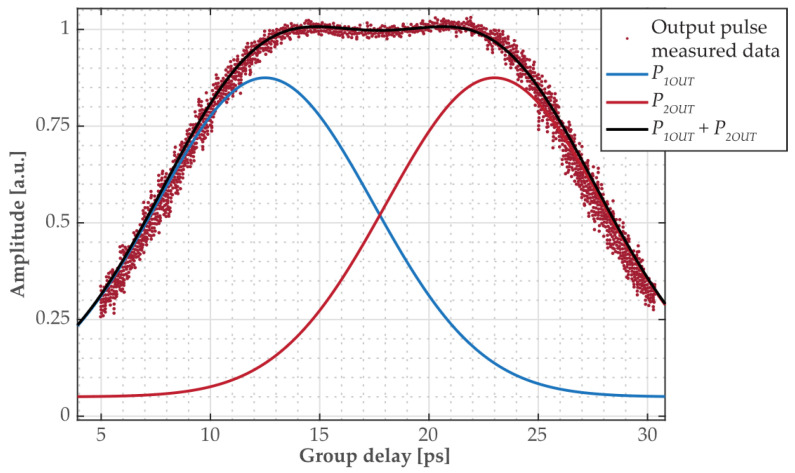 Figure 8
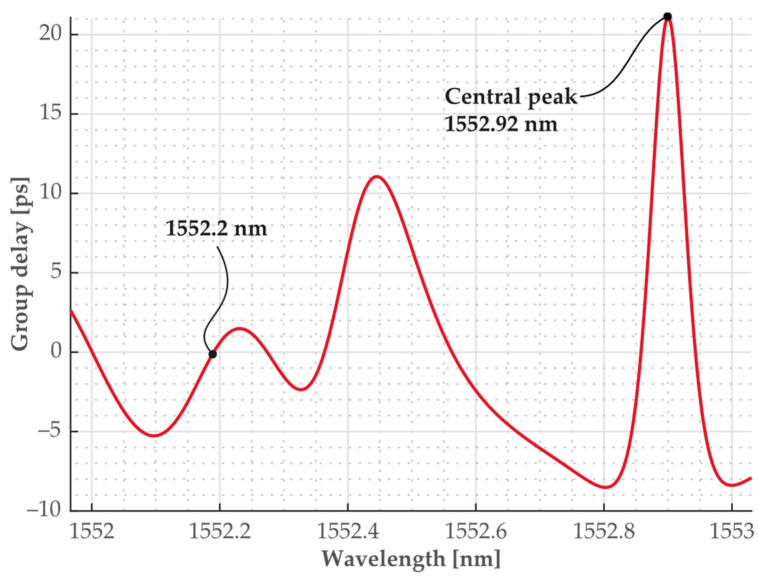 Figure 9
Peer Reviews
No public reviews on file for this paper yet. If you reviewed it on a platform where reviews are public (OpenReview, ICLR, NeurIPS, ICML), you can paste yours below so the community can read it here.
Videos
No videos yet. Explain this paper in a talk, walkthrough, or lecture? Add one.
Taxonomy
TopicsQuantum optics and atomic interactions · Photorefractive and Nonlinear Optics · Advanced Fiber Optic Sensors