New 2,4-bis[(substituted-aminomethyl)phenyl]phenylquinazoline and 2,4-bis[(substituted-aminomethyl)phenyl]phenylquinoline Derivatives: Synthesis and Biological Evaluation as Novel Anticancer Agents by Targeting G-Quadruplex
Jean Guillon, Marc Le Borgne, Vittoria Milano, Aurore Guédin-Beaurepaire, Stéphane Moreau, Noël Pinaud, Luisa Ronga, Solène Savrimoutou, Sandra Albenque-Rubio, Mathieu Marchivie, Haouraa Kalout, Charley Walker, Louise Chevallier, Corinne Buré, Eric Largy, Valérie Gabelica

TL;DR
This paper reports the synthesis and testing of new quinazoline and quinoline derivatives that target G-quadruplex structures to inhibit cancer cell growth.
Contribution
The paper introduces novel quinazoline and quinoline derivatives that show antiproliferative activity by targeting G-quadruplex structures.
Findings
Disubstituted quinazolines 12b, 12f, and 12i showed strong antiproliferative activity against multiple cancer cell lines.
Quinoline derivative 13a was the most active compound in its series.
The compounds were found to bind and stabilize G-quadruplex structures and inhibit telomerase activity.
Abstract
The syntheses of novel 2,4-bis[(substituted-aminomethyl)phenyl]phenylquinazolines 12 and 2,4-bis[(substituted-aminomethyl)phenyl]phenylquinolines 13 are reported here in six steps starting from various halogeno-quinazoline-2,4-(1H,3H)-diones or substituted anilines. The antiproliferative activities of the products were determined in vitro against a panel of breast (MCF-7 and MDA-MB-231), human adherent cervical (HeLa and SiHa), and ovarian (A2780) cell lines. Disubstituted 6- and 7-phenyl-bis(3-dimethylaminopropyl)aminomethylphenyl-quinazolines 12b, 12f, and 12i displayed the most interesting antiproliferative activities against six human cancer cell lines. In the series of quinoline derivatives, 6-phenyl-bis(3-dimethylaminopropyl)aminomethylphenylquinoline 13a proved to be the most active. G-quadruplexes (G4) stacked non-canonical nucleic acid structures found in specific G-rich DNA,…
Genes, proteins, chemicals, diseases, species, mutations and cell lines named across the full text — each resolved to its canonical identifier and authoritative record.
Click any figure to enlarge with its caption.
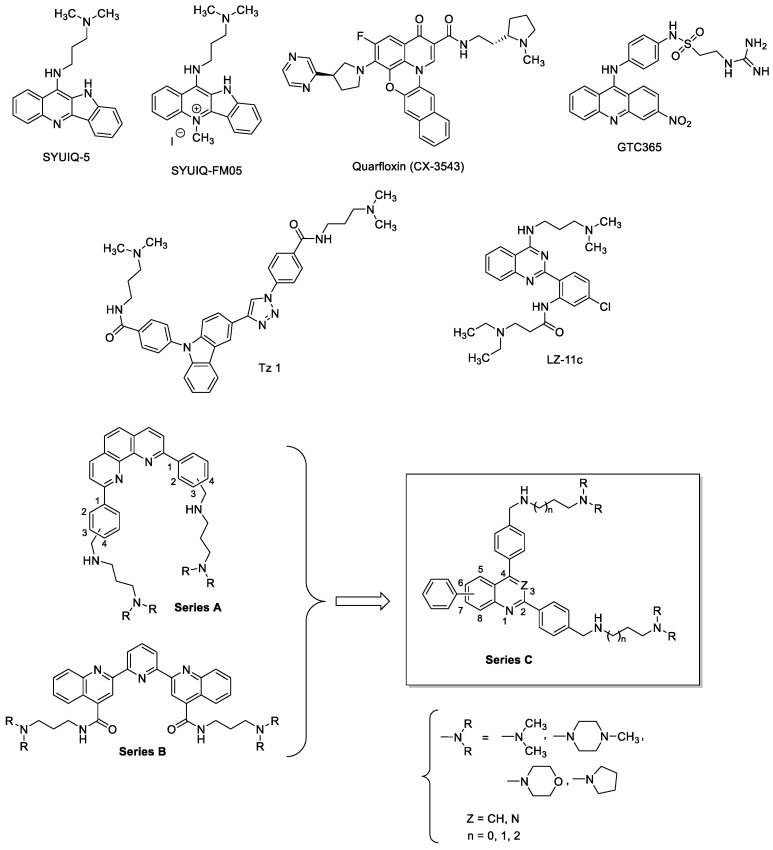 Figure 1
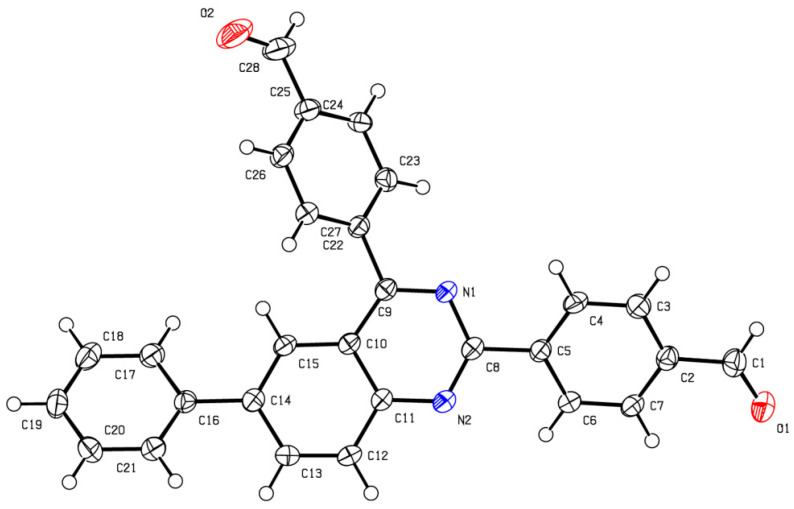 Figure 2
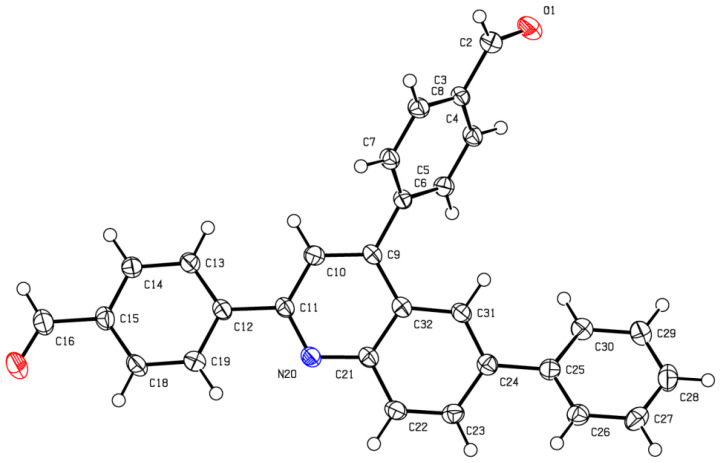 Figure 3
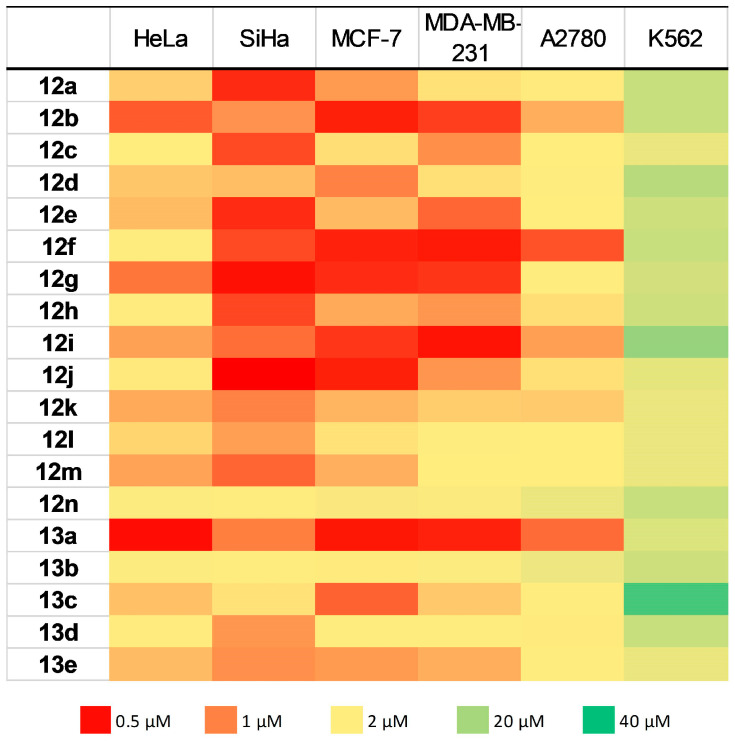 Figure 4
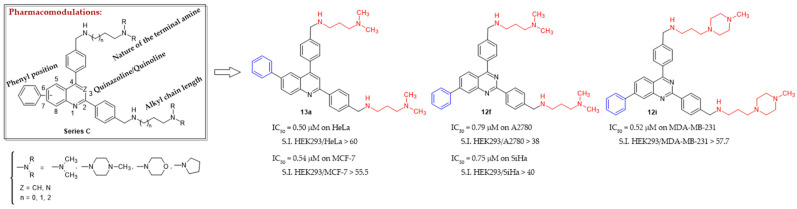 Figure 5
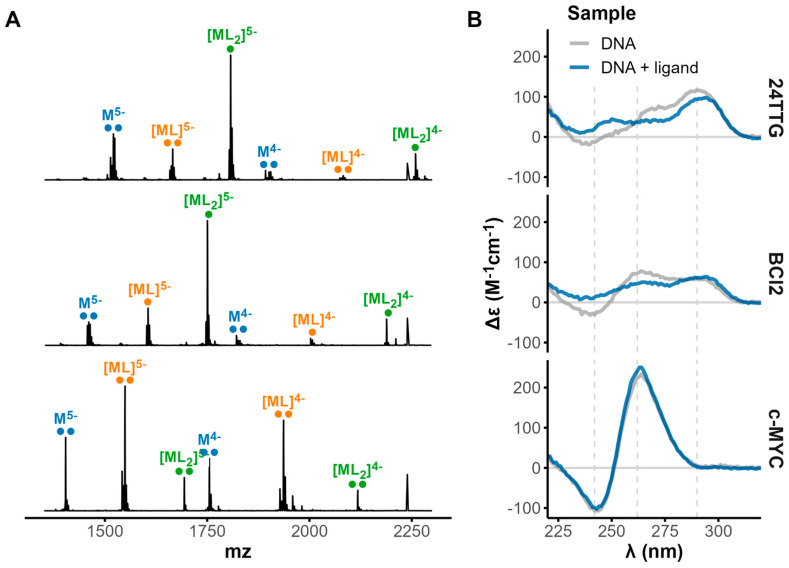 Figure 6
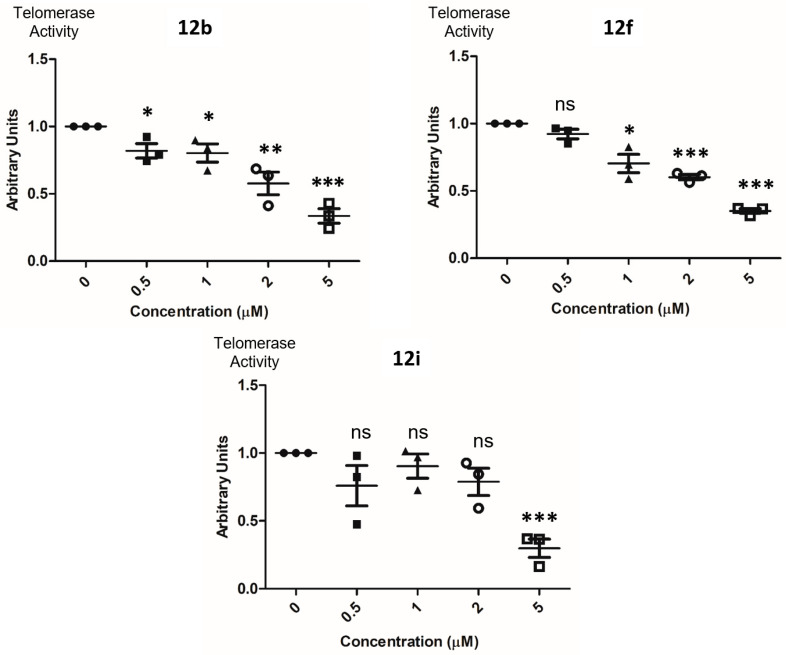 Figure 7
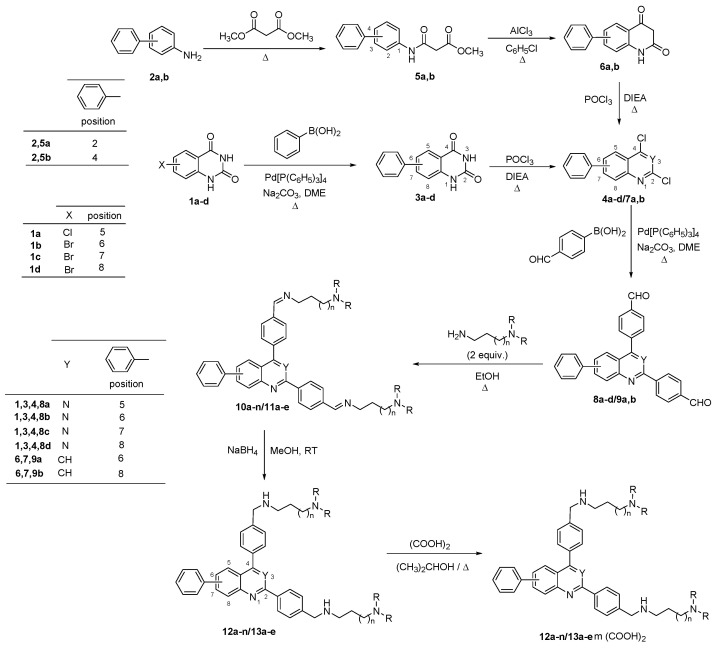 Figure 8
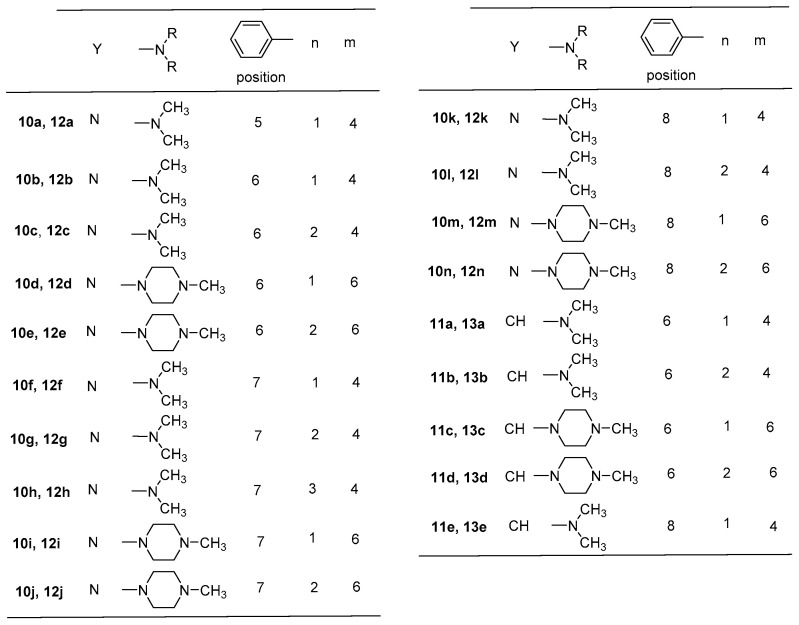 Figure 9
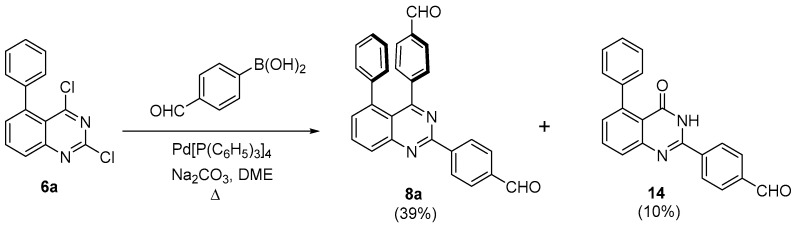 Figure 10
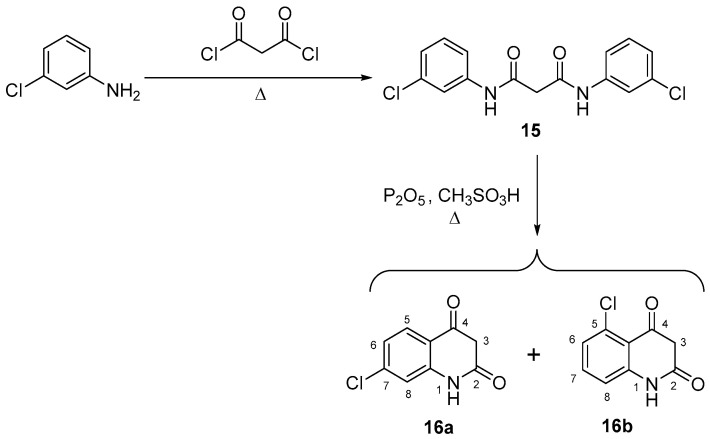 Figure 11
Peer Reviews
No public reviews on file for this paper yet. If you reviewed it on a platform where reviews are public (OpenReview, ICLR, NeurIPS, ICML), you can paste yours below so the community can read it here.
Videos
No videos yet. Explain this paper in a talk, walkthrough, or lecture? Add one.
Taxonomy
TopicsDNA and Nucleic Acid Chemistry · Synthesis and Characterization of Heterocyclic Compounds · Advanced biosensing and bioanalysis techniques