OS-BREEZE: Oil Spills Boundary Red Emission Zone Estimation Using Unmanned Surface Vehicles
Oren Elmakis, Semion Polinov, Tom Shaked, Gabi Gordon, Amir Degani

TL;DR
This paper introduces OS-BREEZE, a new method using unmanned boats to quickly map oil spills near shorelines, improving pollution monitoring efficiency.
Contribution
The novel OS-BREEZE technique reduces the path length needed for oil spill assessment using Unmanned Surface Vehicles.
Findings
OS-BREEZE directs USVs along spill edges for rapid and accurate pollution assessment.
Scale model experiments showed improved speed and efficiency compared to traditional methods.
The method was tested in four scenarios simulating different oil spill stages and locations.
Abstract
Maritime transport, responsible for delivering over eighty percent of the world’s goods, is the backbone of the global delivery industry. However, it also presents considerable environmental risks, particularly regarding aquatic contamination. Nearly ninety percent of marine oil spills near shores are attributed to human activities, highlighting the urgent need for continuous and effective surveillance. To address this pressing issue, this paper introduces a novel technique named OS-BREEZE. This method employs an Unmanned Surface Vehicle (USV) for assessing the extent of oil pollution on the sea surface. The OS-BREEZE algorithm directs the USV along the spill edge, facilitating rapid and accurate assessment of the contaminated area. The key contribution of this paper is the development of this novel approach for monitoring and managing marine pollution, which significantly reduces the…
Genes, proteins, chemicals, diseases, species, mutations and cell lines named across the full text — each resolved to its canonical identifier and authoritative record.
Click any figure to enlarge with its caption.
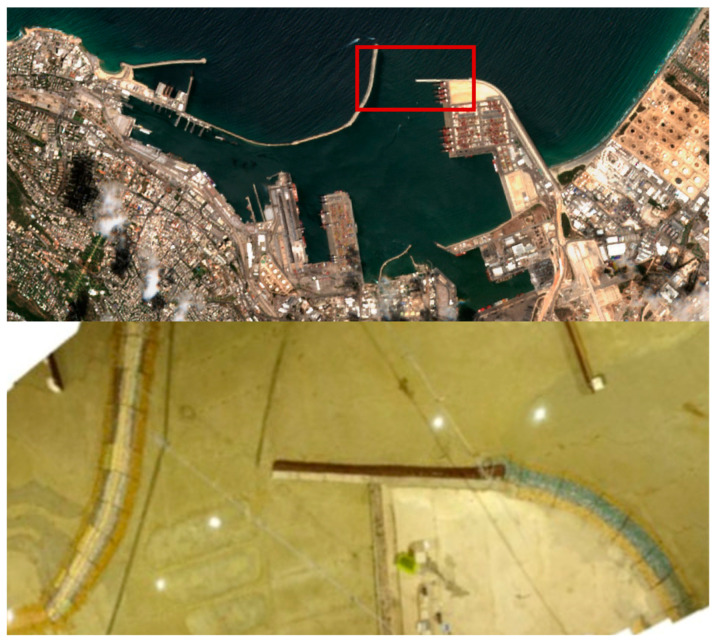 Figure 1
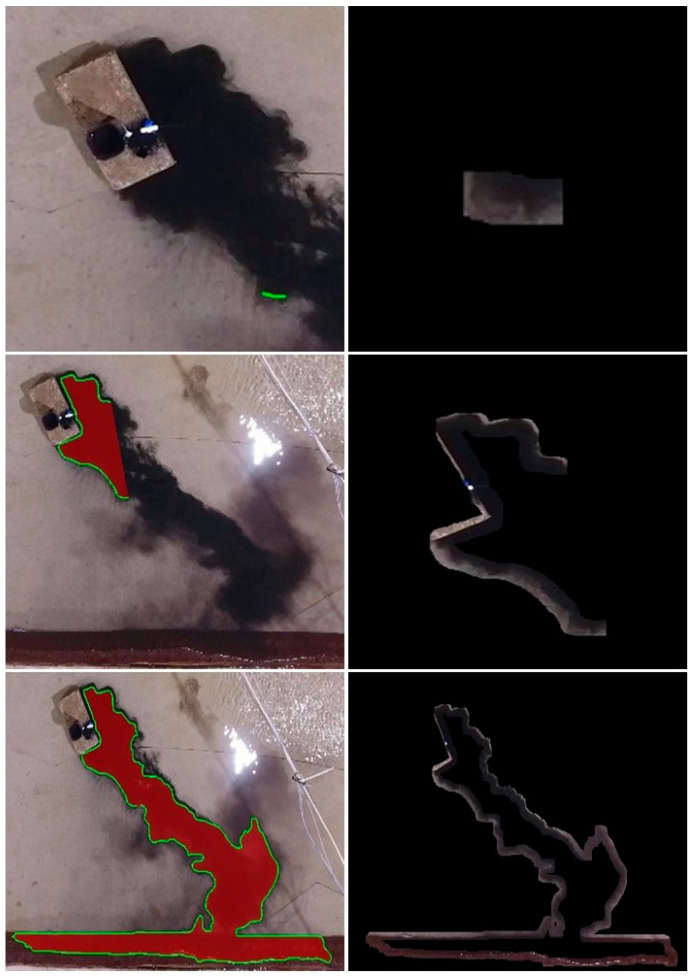 Figure 2
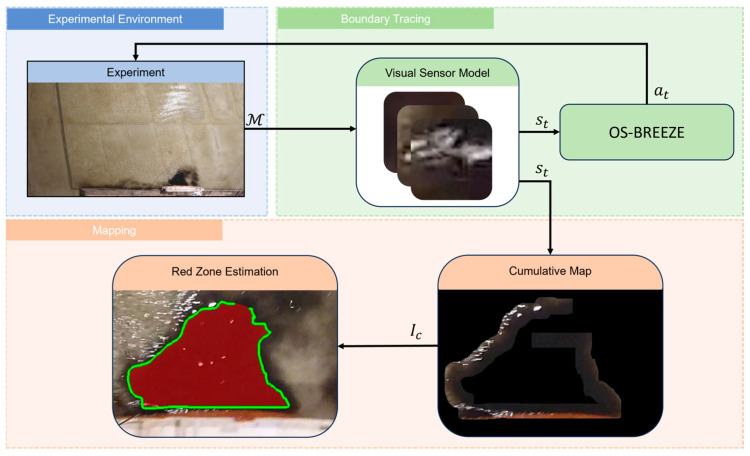 Figure 3
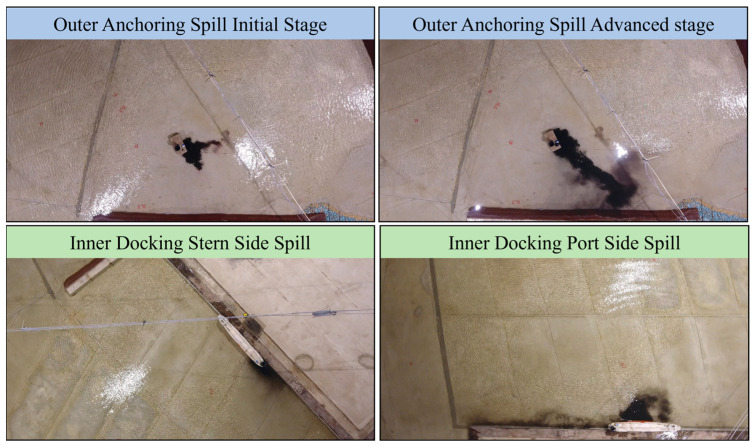 Figure 4
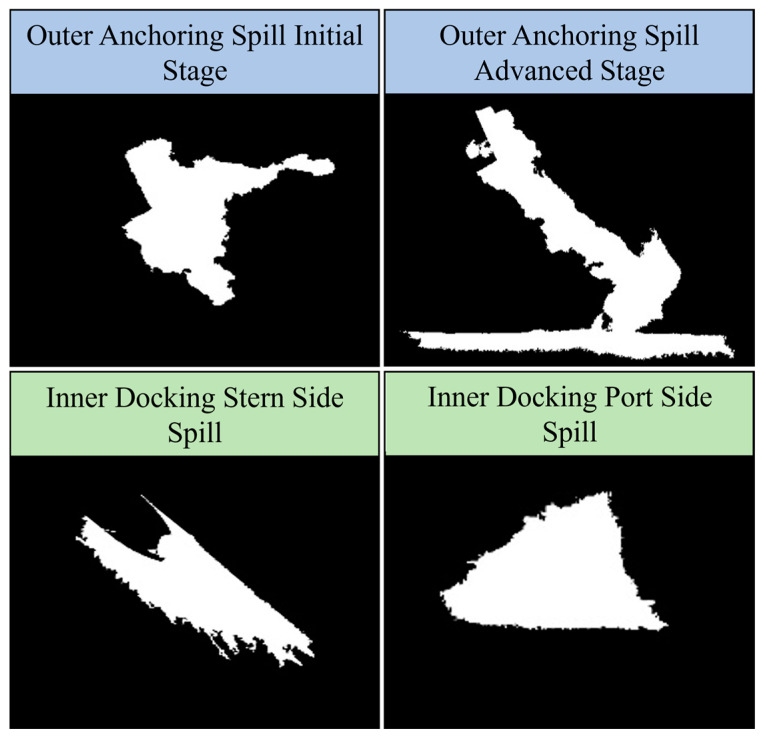 Figure 5
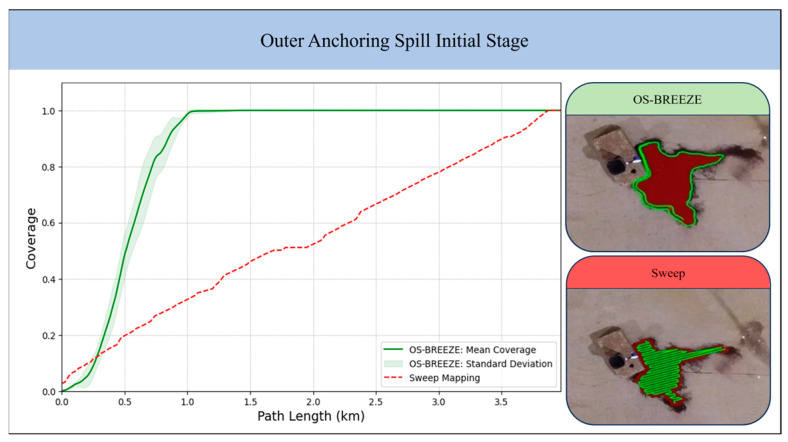 Figure 6
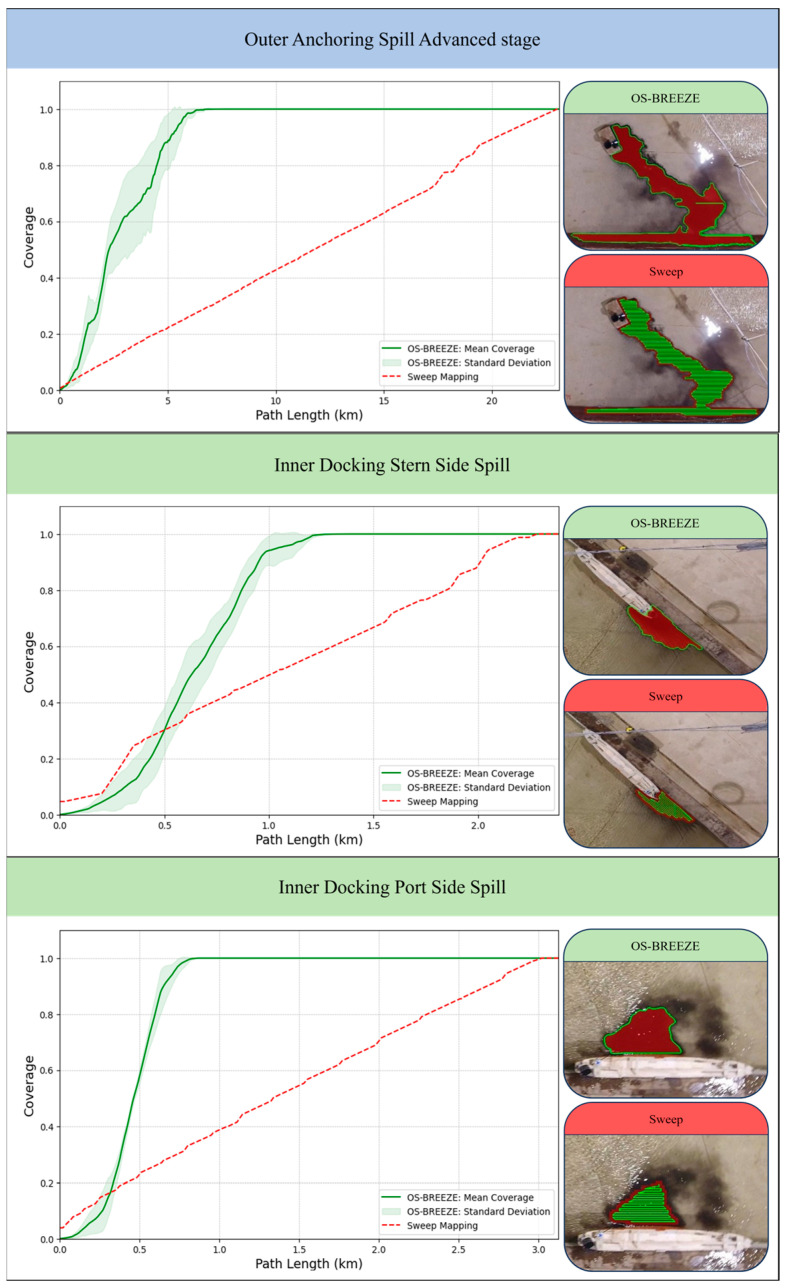 Figure 7
Peer Reviews
No public reviews on file for this paper yet. If you reviewed it on a platform where reviews are public (OpenReview, ICLR, NeurIPS, ICML), you can paste yours below so the community can read it here.
Videos
No videos yet. Explain this paper in a talk, walkthrough, or lecture? Add one.
Taxonomy
TopicsOil Spill Detection and Mitigation · Maritime Navigation and Safety · Toxic Organic Pollutants Impact