An In Silico Investigation of the Molecular Interactions between Volatile Anesthetics and Actin
Barbara Truglia, Nicola Carbone, Ibrahim Ghadre, Sara Vallero, Marinella Zito, Eric Adriano Zizzi, Marco Agostino Deriu, J. A. Tuszynski

TL;DR
This study uses computer modeling to explore how common anesthetics interact with actin, a key protein in cells, to better understand how anesthesia works at the molecular level.
Contribution
The study investigates the molecular interactions between volatile anesthetics and actin using molecular docking simulations.
Findings
Volatile anesthetics interact with actin through Van der Waals and hydrogen bonding, particularly isoflurane and sevoflurane.
Anesthetics exhibit solvent-like behavior, suggesting a potential mechanism for their effects on cellular structures.
The study compares anesthetic interactions with actin and tubulin, providing insights into their molecular targets.
Abstract
Volatile anesthetics (VAs) are medicinal chemistry compounds commonly used to enable surgical procedures for patients who undergo painful treatments and can be partially or fully sedated, remaining in an unconscious state during the operation. The specific molecular mechanism of anesthesia is still an open issue, but scientific evidence supports the hypothesis of the involvement of both putative hydrophobic cavities in membrane receptors as binding pockets and interactions between anesthetics and cytoplasmic proteins. Previous studies demonstrated the binding of VAs to tubulin. Since actin is the other major component of the cytoskeleton, this study involves an investigation of its interactions with four major anesthetics: halothane, isoflurane, sevoflurane, and desflurane. Molecular docking was implemented using the Molecular Operating Environment (MOE) software (version 2022.02) and…
Genes, proteins, chemicals, diseases, species, mutations and cell lines named across the full text — each resolved to its canonical identifier and authoritative record.
Click any figure to enlarge with its caption.
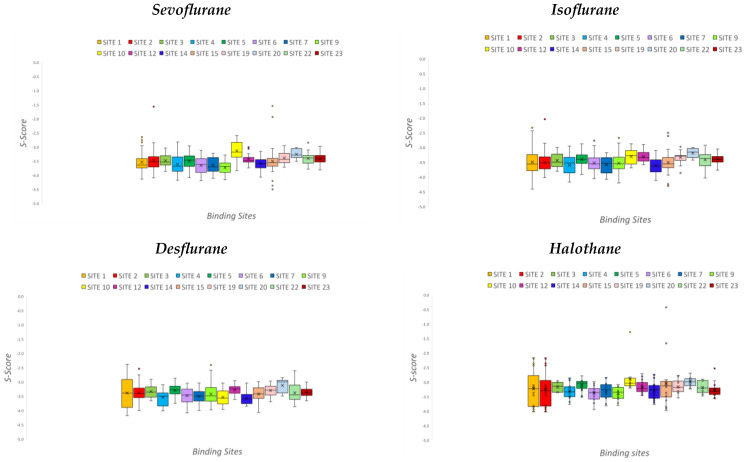 Figure 1
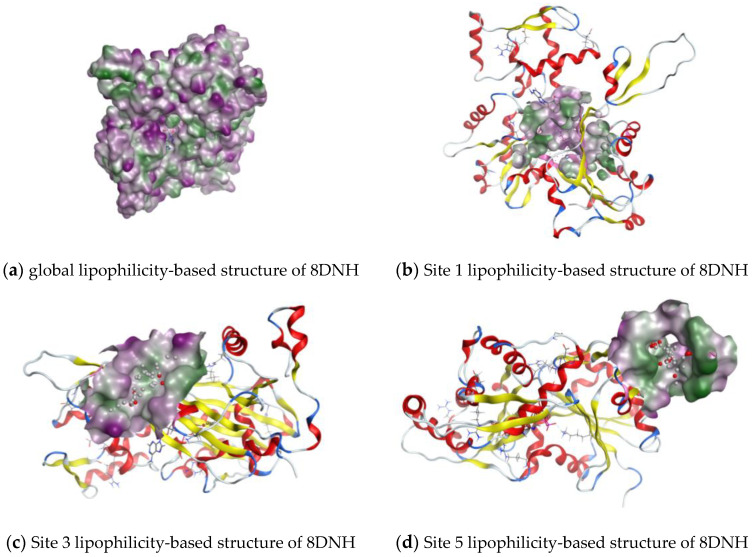 Figure 2
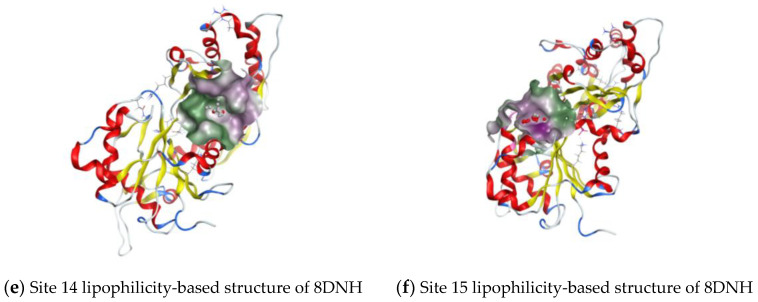 Figure 3
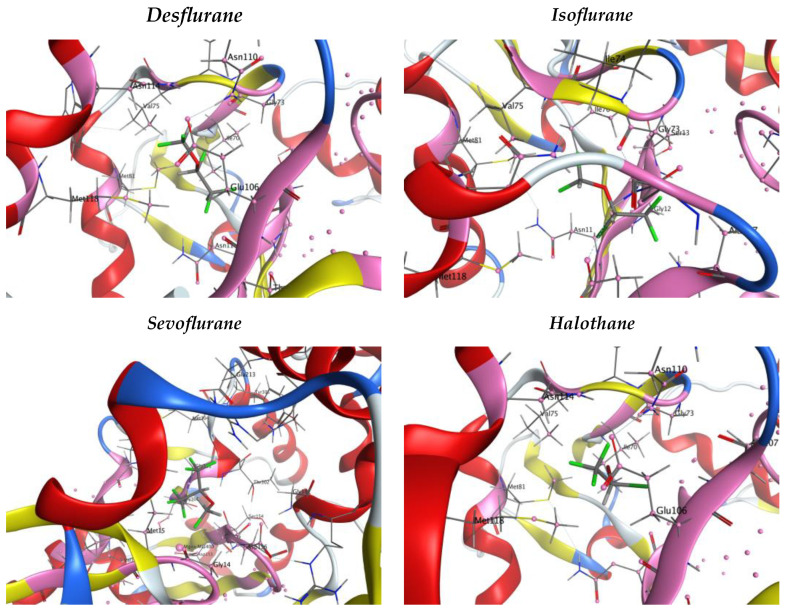 Figure 4
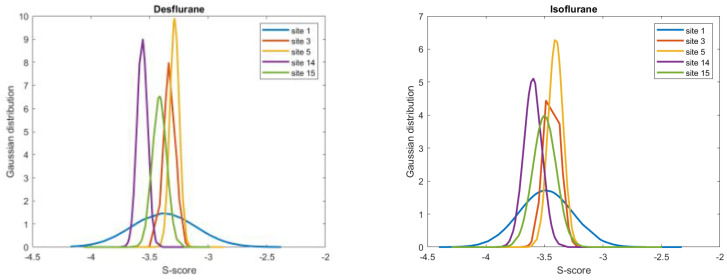 Figure 5
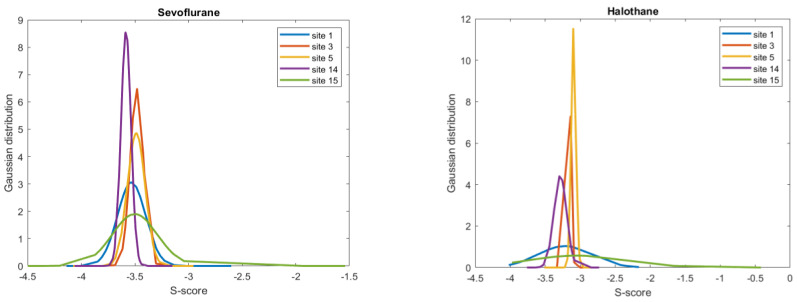 Figure 6
Peer Reviews
No public reviews on file for this paper yet. If you reviewed it on a platform where reviews are public (OpenReview, ICLR, NeurIPS, ICML), you can paste yours below so the community can read it here.
Videos
No videos yet. Explain this paper in a talk, walkthrough, or lecture? Add one.
Taxonomy
TopicsAnesthesia and Neurotoxicity Research · Anesthesia and Sedative Agents · Cancer, Stress, Anesthesia, and Immune Response