Chemical Adjustment of Fibrinolysis
Alexey M. Shibeko, Ivan S. Ilin, Nadezhda A. Podoplelova, Vladimir B. Sulimov, Mikhail A. Panteleev

TL;DR
This paper discusses how small chemical compounds can adjust the body's clot-dissolving process, which is important for treating conditions like stroke and fibrosis.
Contribution
The paper introduces new insights into low molecular weight compounds for regulating fibrinolysis and highlights computational models for drug development.
Findings
Low molecular weight compounds can modulate fibrinolysis without affecting other hemostasis components.
These compounds may be useful beyond hematology, such as in treating fibrosis.
Computational models are promising tools for developing new fibrinolysis-targeting drugs.
Abstract
Fibrinolysis is the process of the fibrin–platelet clot dissolution initiated after bleeding has been stopped. It is regulated by a cascade of proteolytic enzymes with plasmin at its core. In pathological cases, the balance of normal clot formation and dissolution is replaced by a too rapid lysis, leading to bleeding, or an insufficient one, leading to an increased thrombotic risk. The only approved therapy for emergency thrombus lysis in ischemic stroke is recombinant tissue plasminogen activator, though streptokinase or urokinase-type plasminogen activators could be used for other conditions. Low molecular weight compounds are of great interest for long-term correction of fibrinolysis dysfunctions. Their areas of application might go beyond the hematology field because the regulation of fibrinolysis could be important in many conditions, such as fibrosis. They enhance or weaken…
Genes, proteins, chemicals, diseases, species, mutations and cell lines named across the full text — each resolved to its canonical identifier and authoritative record.
Click any figure to enlarge with its caption.
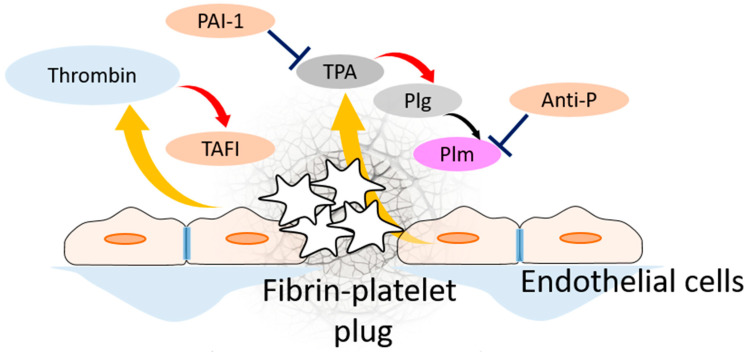 Figure 1
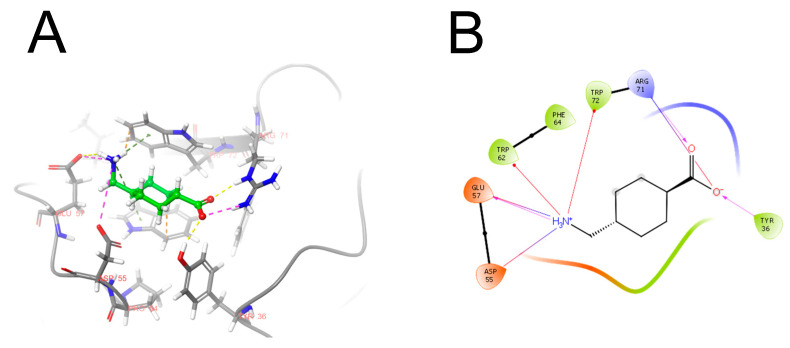 Figure 2
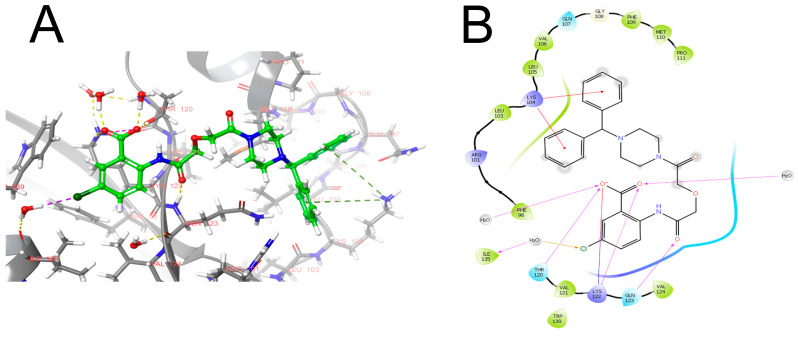 Figure 3
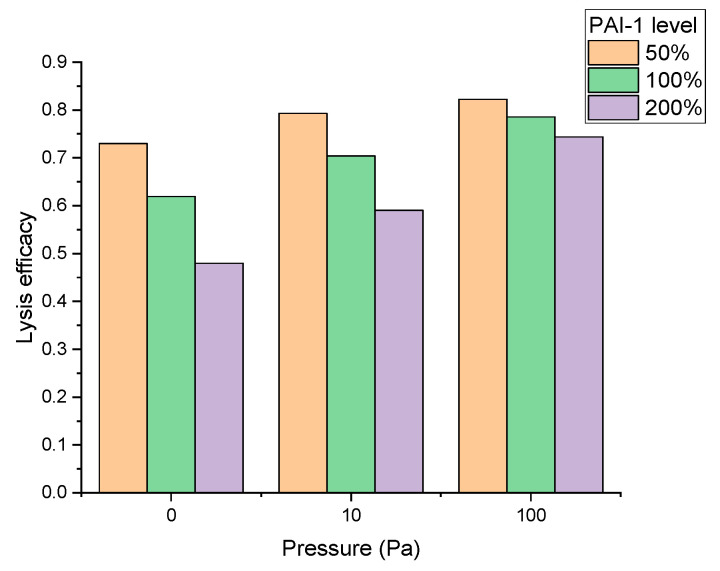 Figure 4
Peer Reviews
No public reviews on file for this paper yet. If you reviewed it on a platform where reviews are public (OpenReview, ICLR, NeurIPS, ICML), you can paste yours below so the community can read it here.
Videos
No videos yet. Explain this paper in a talk, walkthrough, or lecture? Add one.
Taxonomy
TopicsBlood properties and coagulation · Platelet Disorders and Treatments · Blood Coagulation and Thrombosis Mechanisms