Logarithmic Accuracy in Importance Sampling via Large Deviations
Julie Choi, Peter Glynn

TL;DR
This paper investigates the asymptotic behavior of importance sampling estimators for rare events using large deviations theory, offering new insights and diagnostics for their efficiency and sample size requirements.
Contribution
It introduces a novel analysis of importance sampling estimators under non-optimal measures via large deviations, enhancing understanding of their asymptotic efficiency.
Findings
Provides new theoretical insights into IS estimator behavior
Proposes diagnostics for assessing IS efficiency
Analyzes sample size requirements for rare event estimation
Abstract
Importance sampling (IS) is a widely used simulation method for estimating rare event probabilities. In IS, the relative variance of an estimator is the most common measure of estimator accuracy, and the focus of existing literature is on constructing an importance measure under which the relative variance of the estimator grows sub-exponentially as the parameter increases. In practice, constructing such an estimator is not easy. In this work, we study the behavior of IS estimators under an importance measure which is not necessarily optimal using large deviations theory. This provides new insights into asymptotic efficiency of IS estimators and the required sample size. Based on the study, we also propose new diagnostics of IS for rare event simulation.
Click any figure to enlarge with its caption.
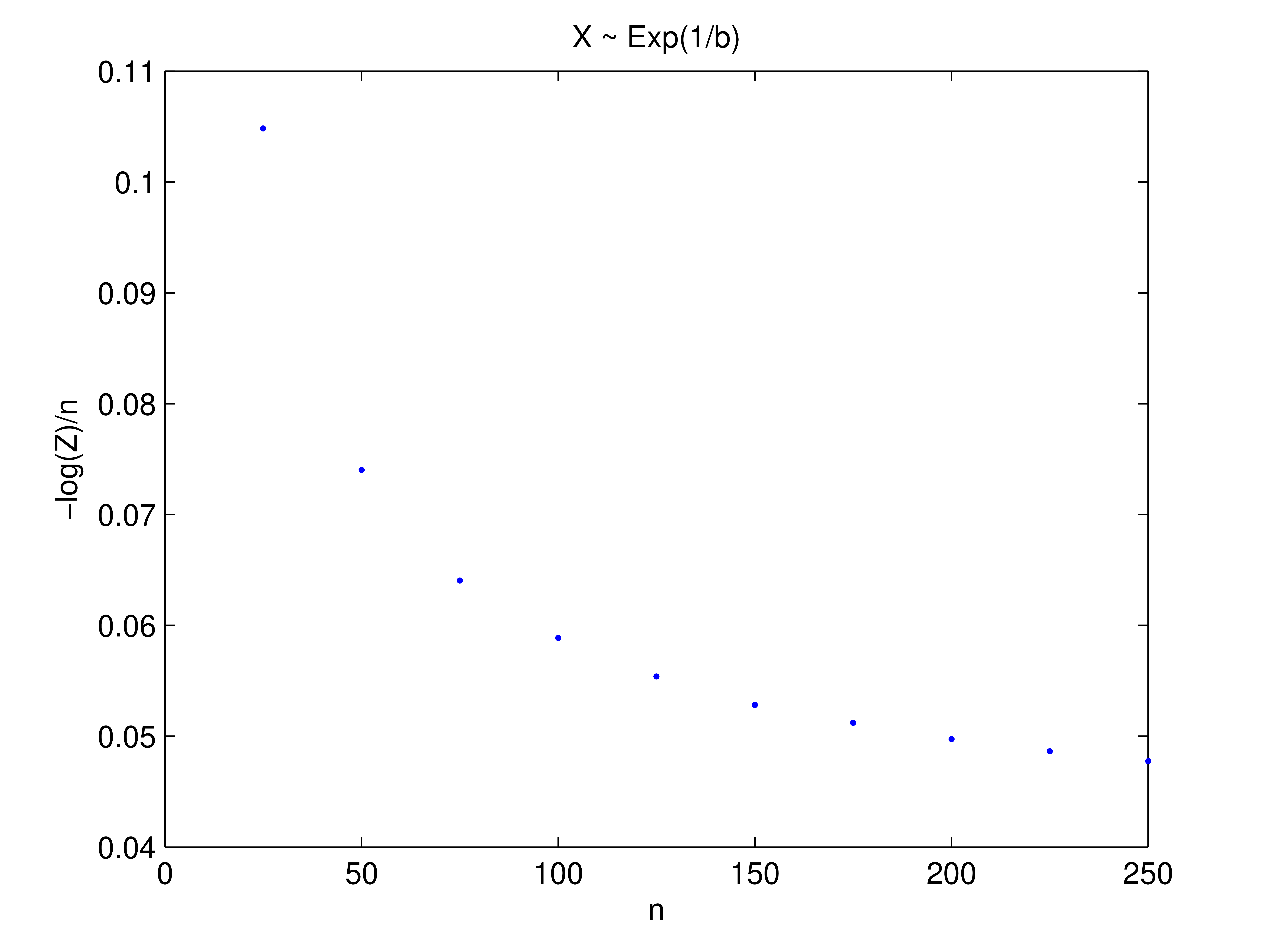 Figure 1
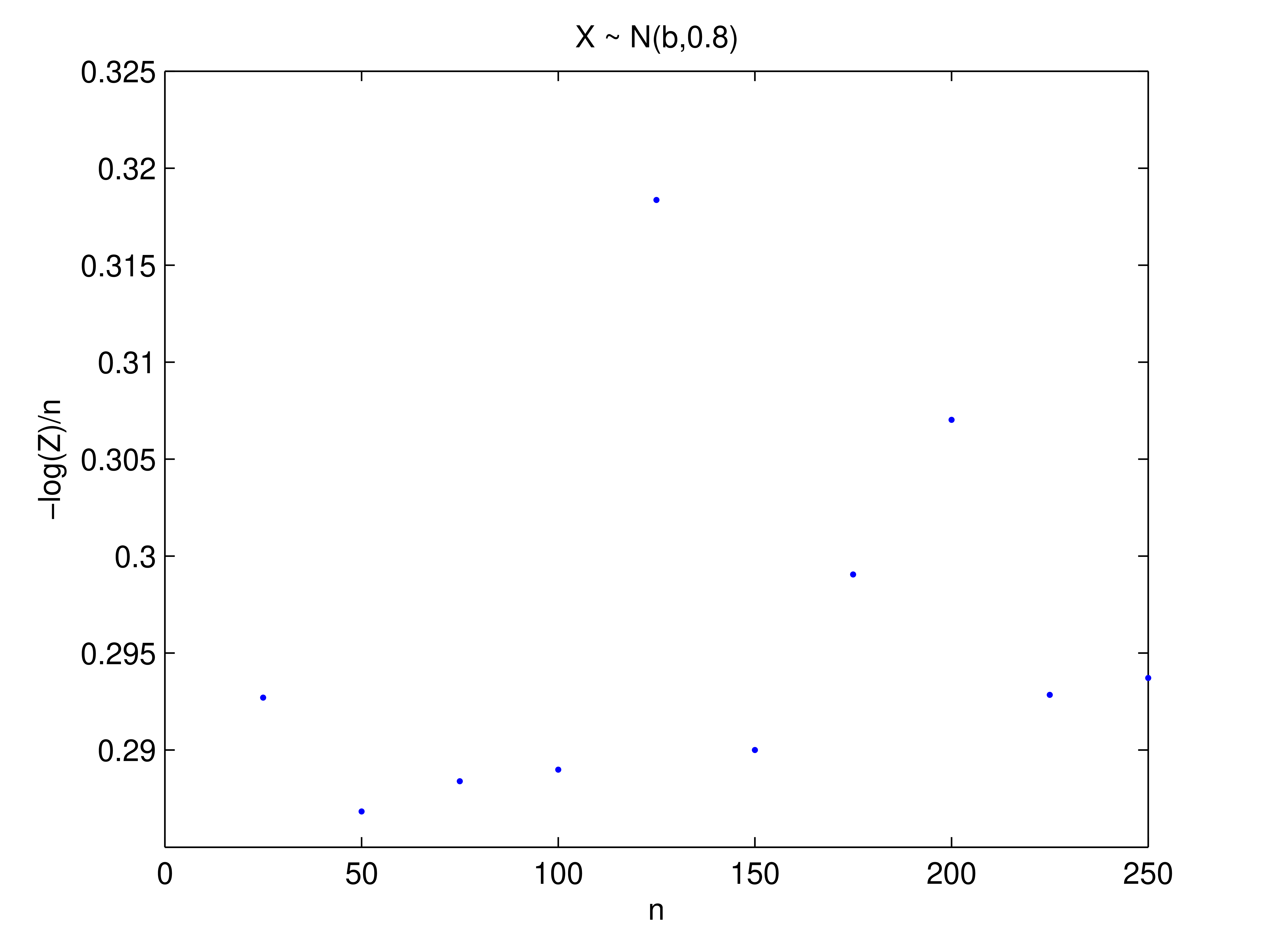 Figure 2
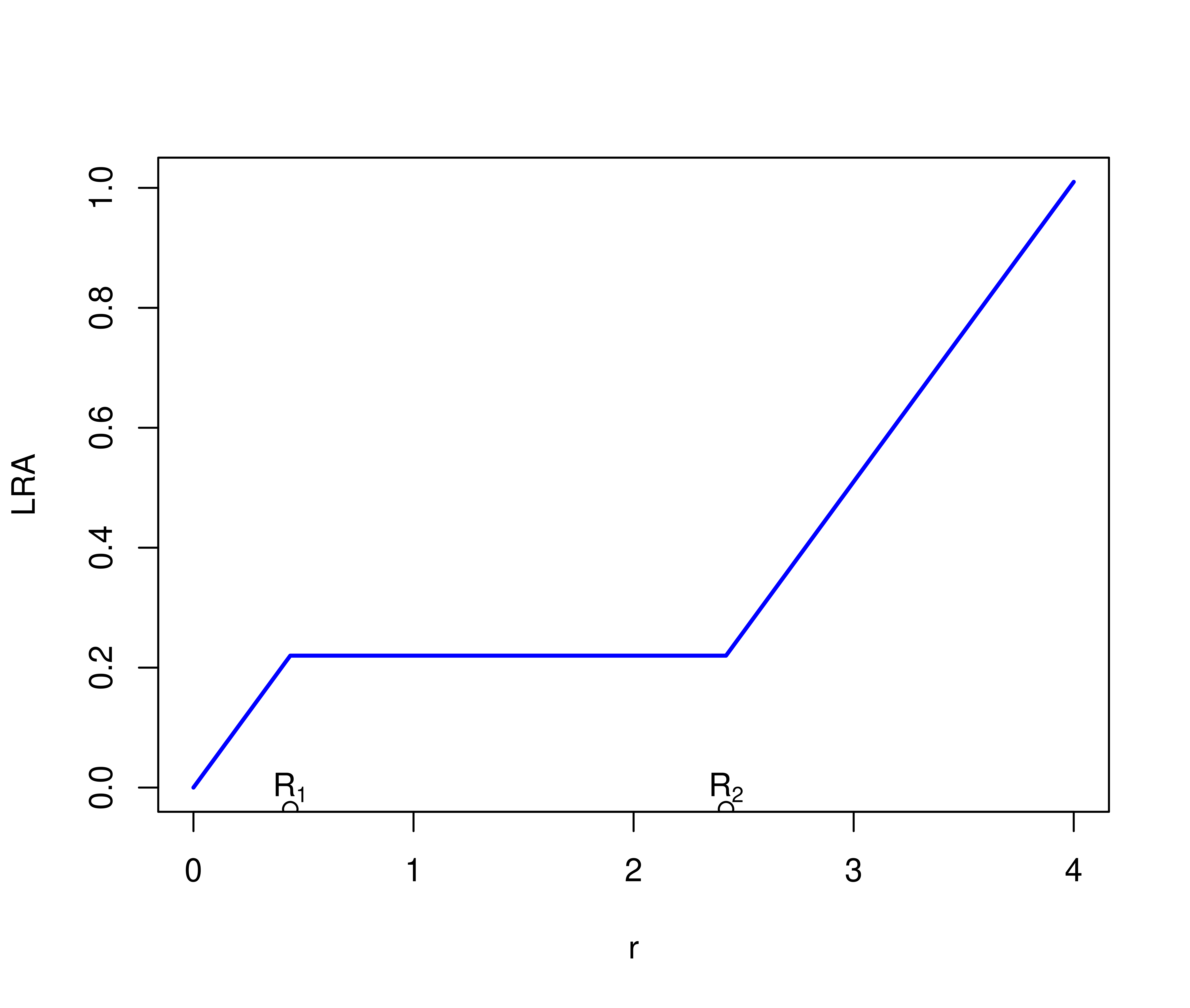 Figure 3
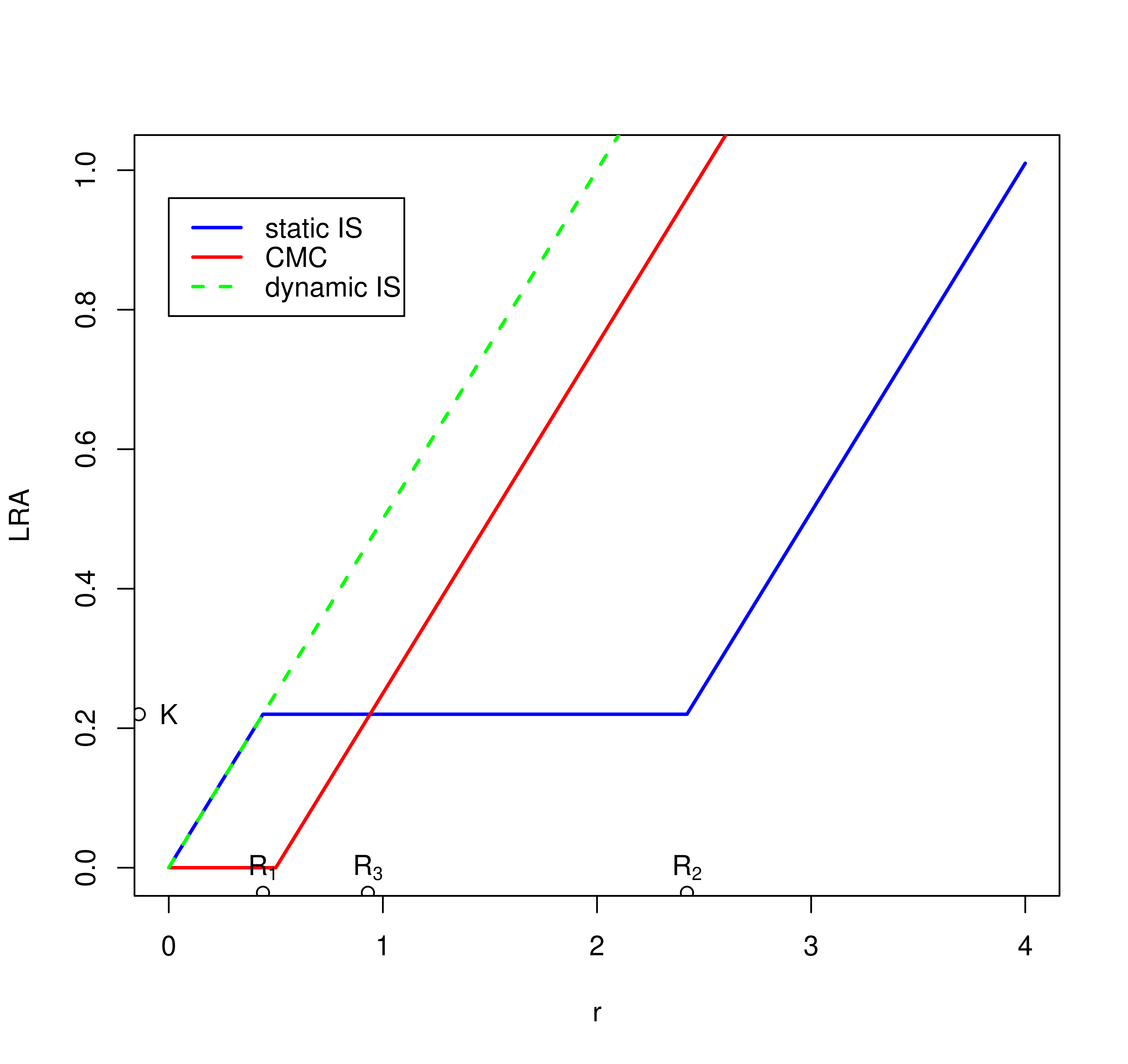 Figure 4
 Figure 5
 Figure 6
Peer Reviews
No public reviews on file for this paper yet. If you reviewed it on a platform where reviews are public (OpenReview, ICLR, NeurIPS, ICML), you can paste yours below so the community can read it here.
Videos
No videos yet. Explain this paper in a talk, walkthrough, or lecture? Add one.
Taxonomy
TopicsProbability and Risk Models · Statistical Distribution Estimation and Applications · Financial Risk and Volatility Modeling