Multi-field decomposed hyper-reduced order modeling of damage-plasticity simulations
Jannick Kehls, Stephan Ritzert, Lars Breuer, Qinghua Zhang, Stefanie Reese, Tim Brepols

TL;DR
This paper introduces a multi-field decomposed hyper-reduced order modeling approach for damage-plasticity simulations, extending DEIM and ECSW methods to improve stability and efficiency in complex material behavior modeling.
Contribution
It extends DEIM and ECSW methods to multi-field damage-plasticity problems, enhancing stability and reducing computational costs in reduced order models.
Findings
Decomposed ECSW achieves higher accuracy than DEIM.
Both methods significantly reduce computational cost.
The approaches are validated with numerical examples.
Abstract
This paper presents a multi-field decomposed approach for hyper-reduced order modeling to overcome the limitations of traditional model reduction techniques for gradient-extended damage-plasticity simulations. The discrete empirical interpolation method (DEIM) and the energy-conserving sampling and weighting method (ECSW) are extended to account for the multi-field nature of the problem. Both methods yield stable reduced order simulations, while significantly reducing the computational cost compared to full-order simulations. Two numerical examples are presented to demonstrate the performance and limitations of the proposed approaches. The decomposed ECSW method has overall higher accuracy and lower computational cost than the decomposed DEIM method.
Click any figure to enlarge with its caption.
 Figure 1
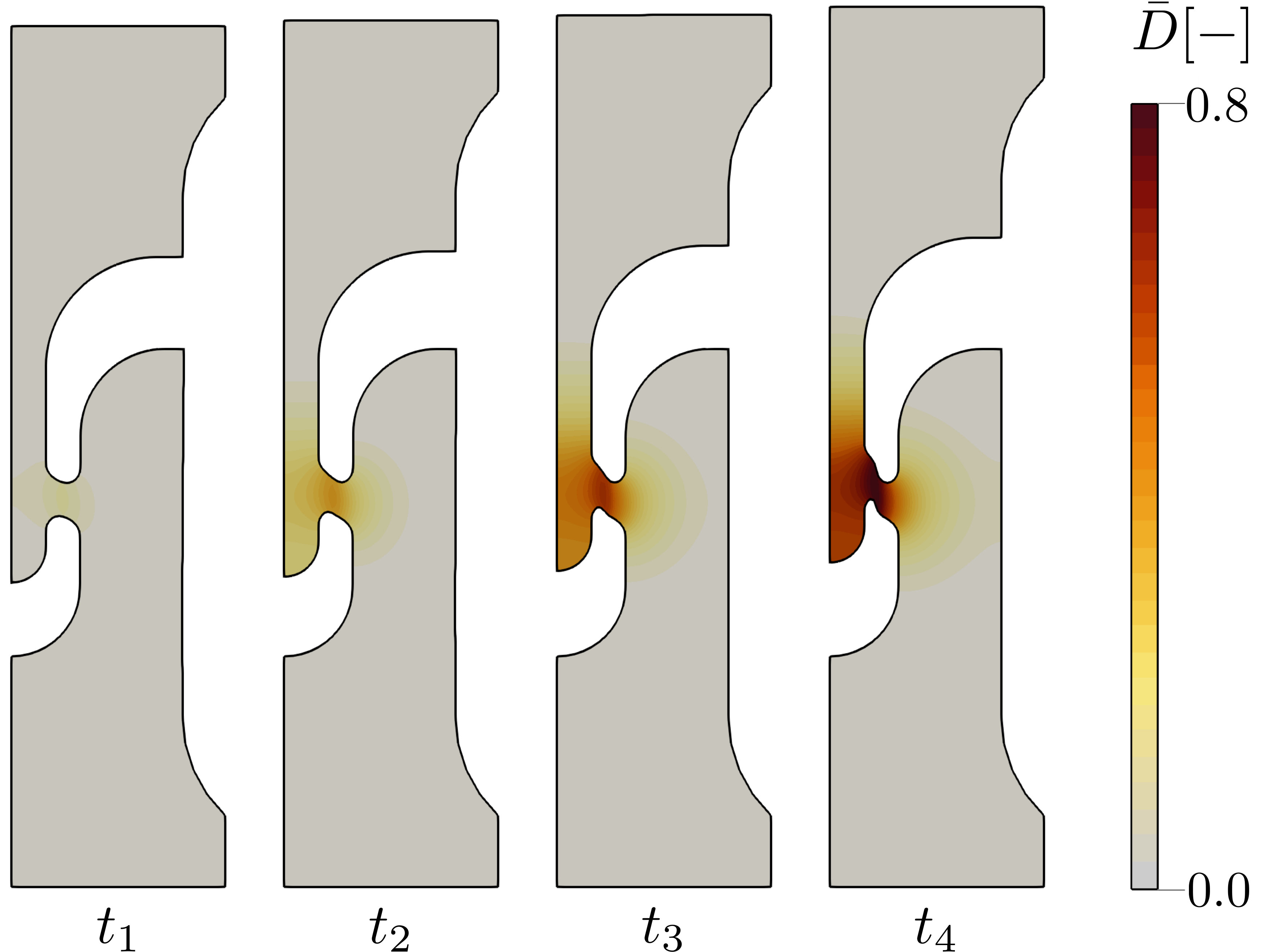 Figure 2
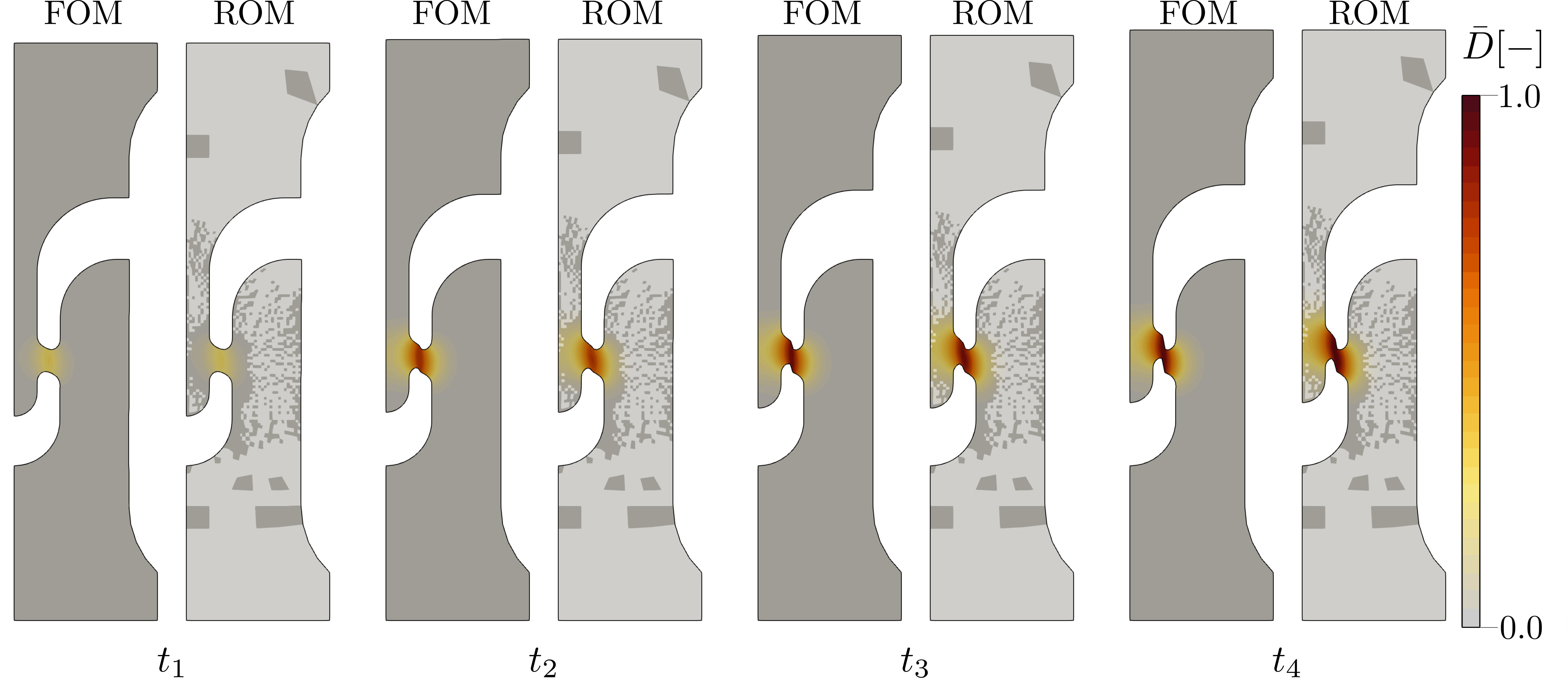 Figure 3
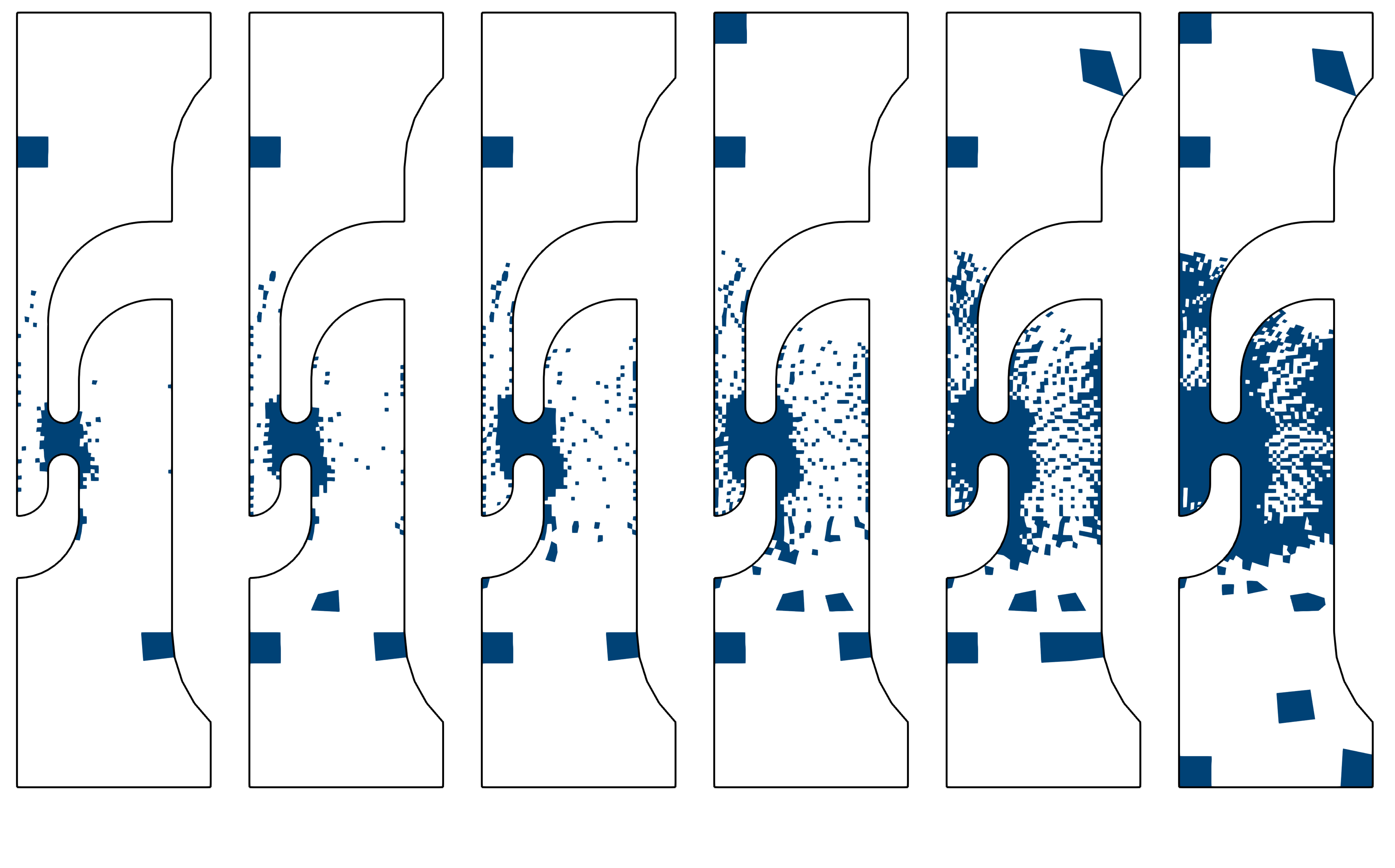 Figure 4
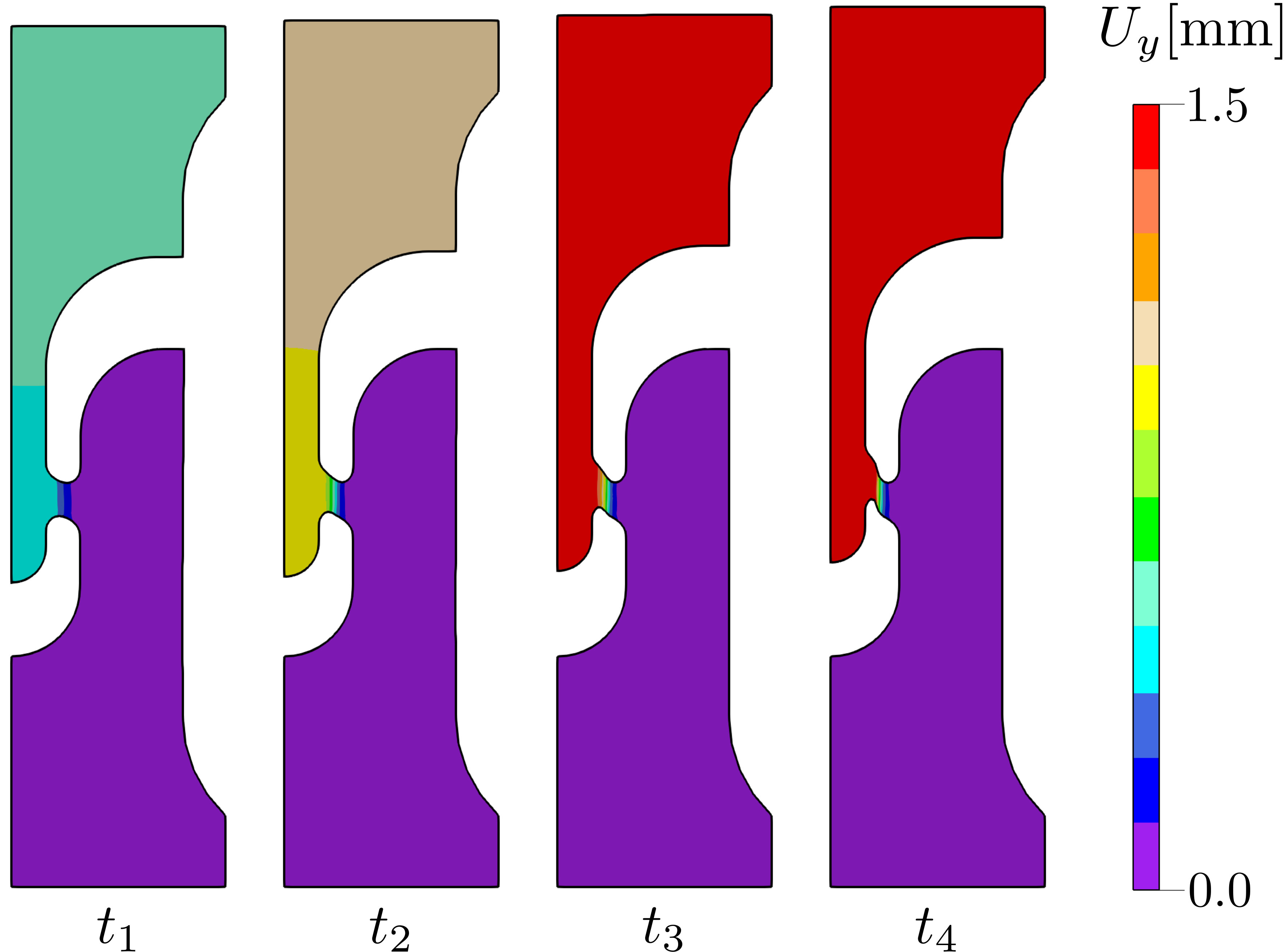 Figure 5
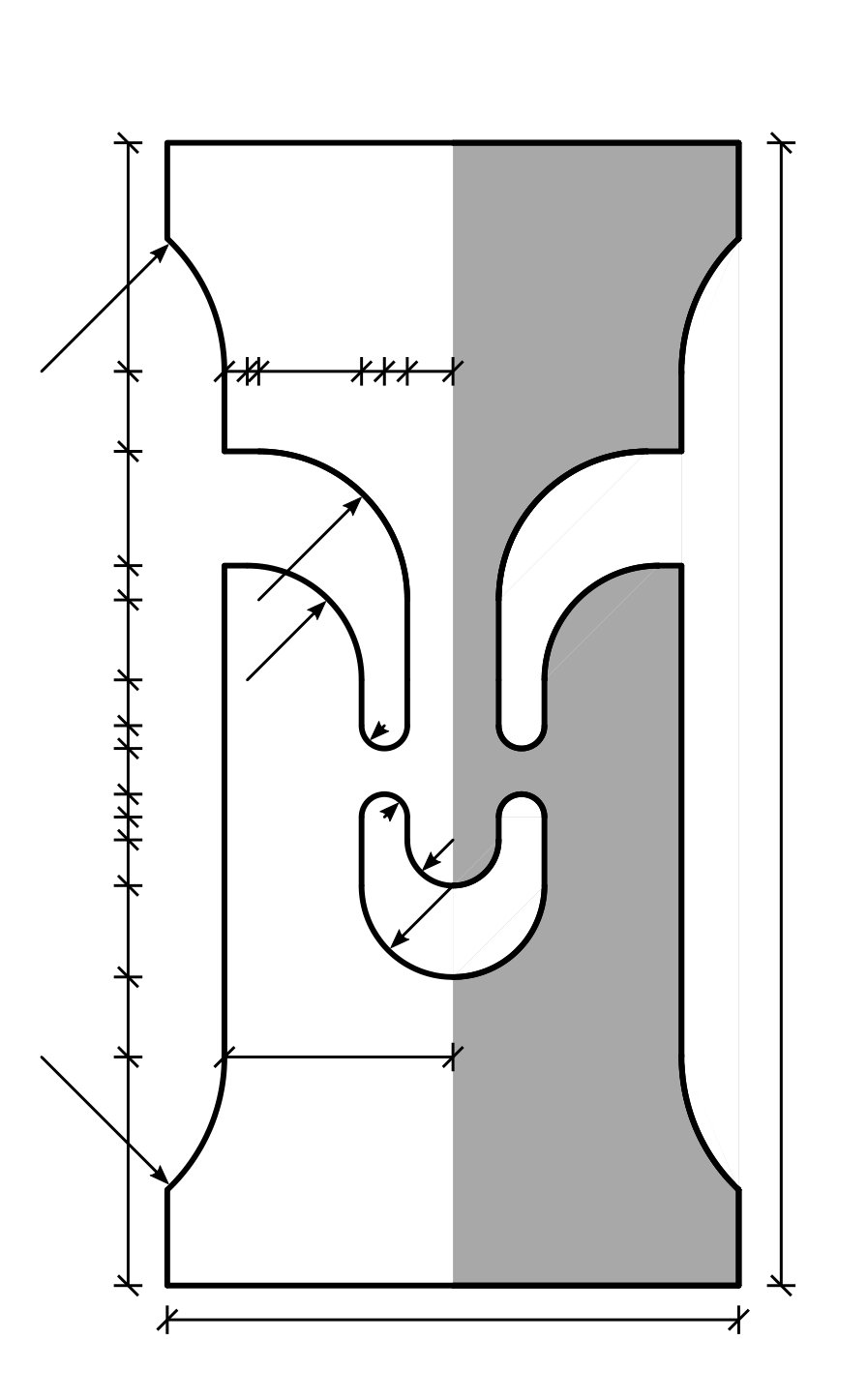 Figure 6
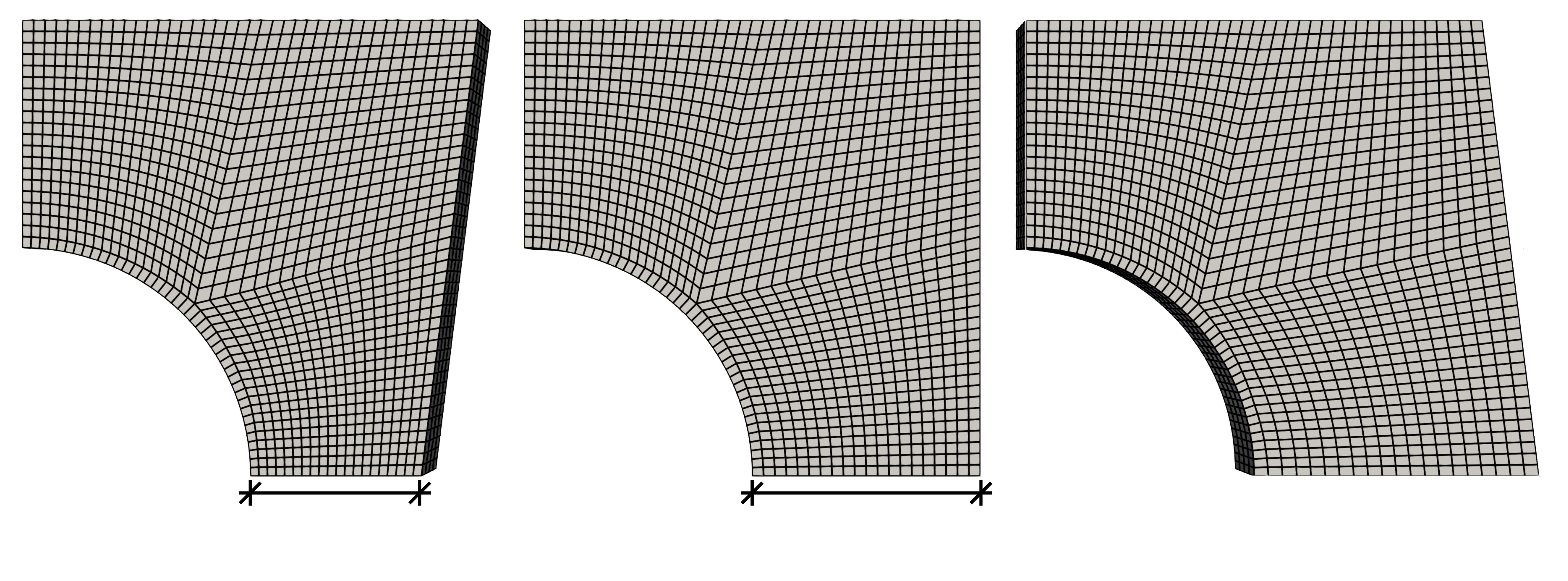 Figure 7
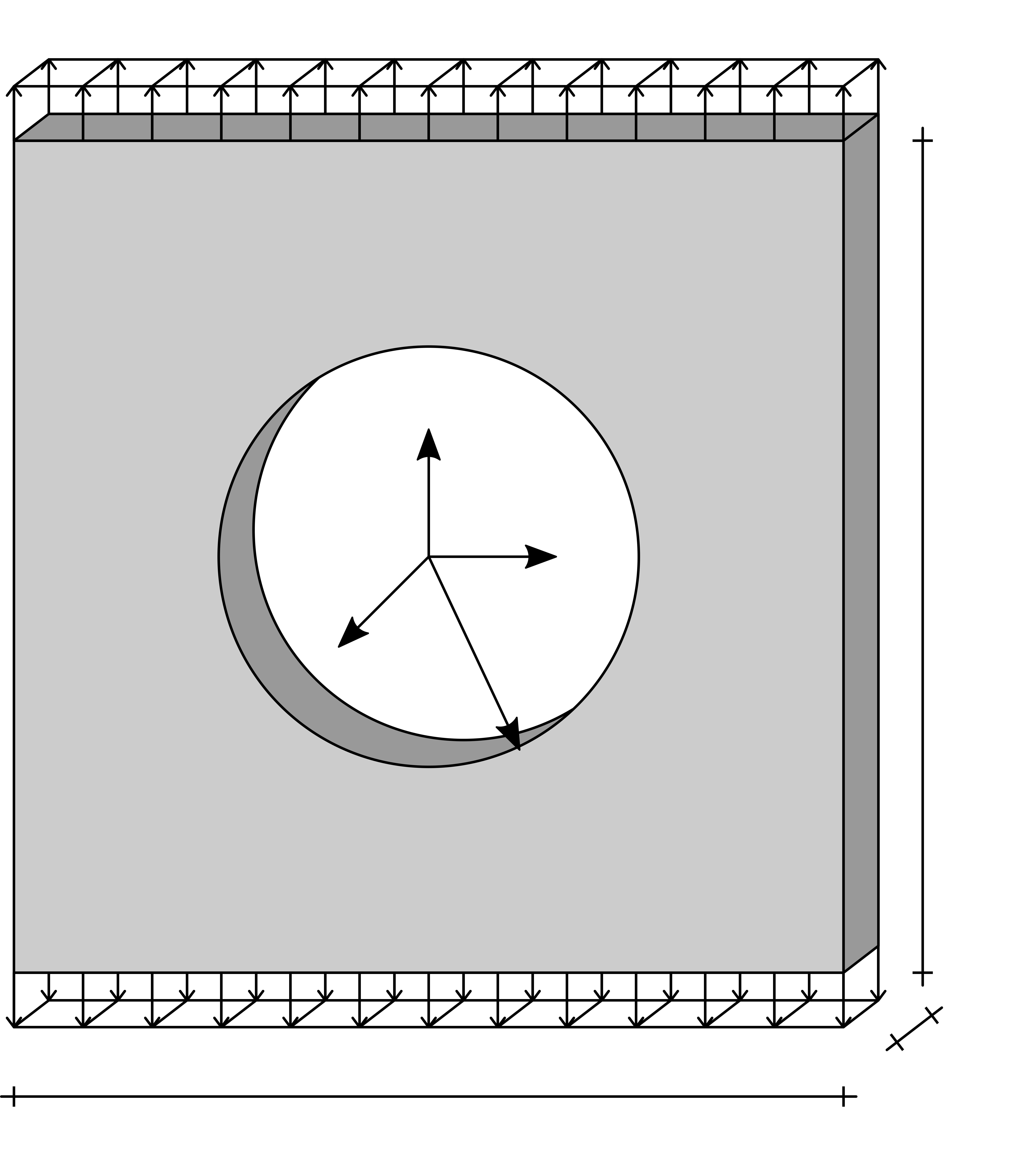 Figure 8
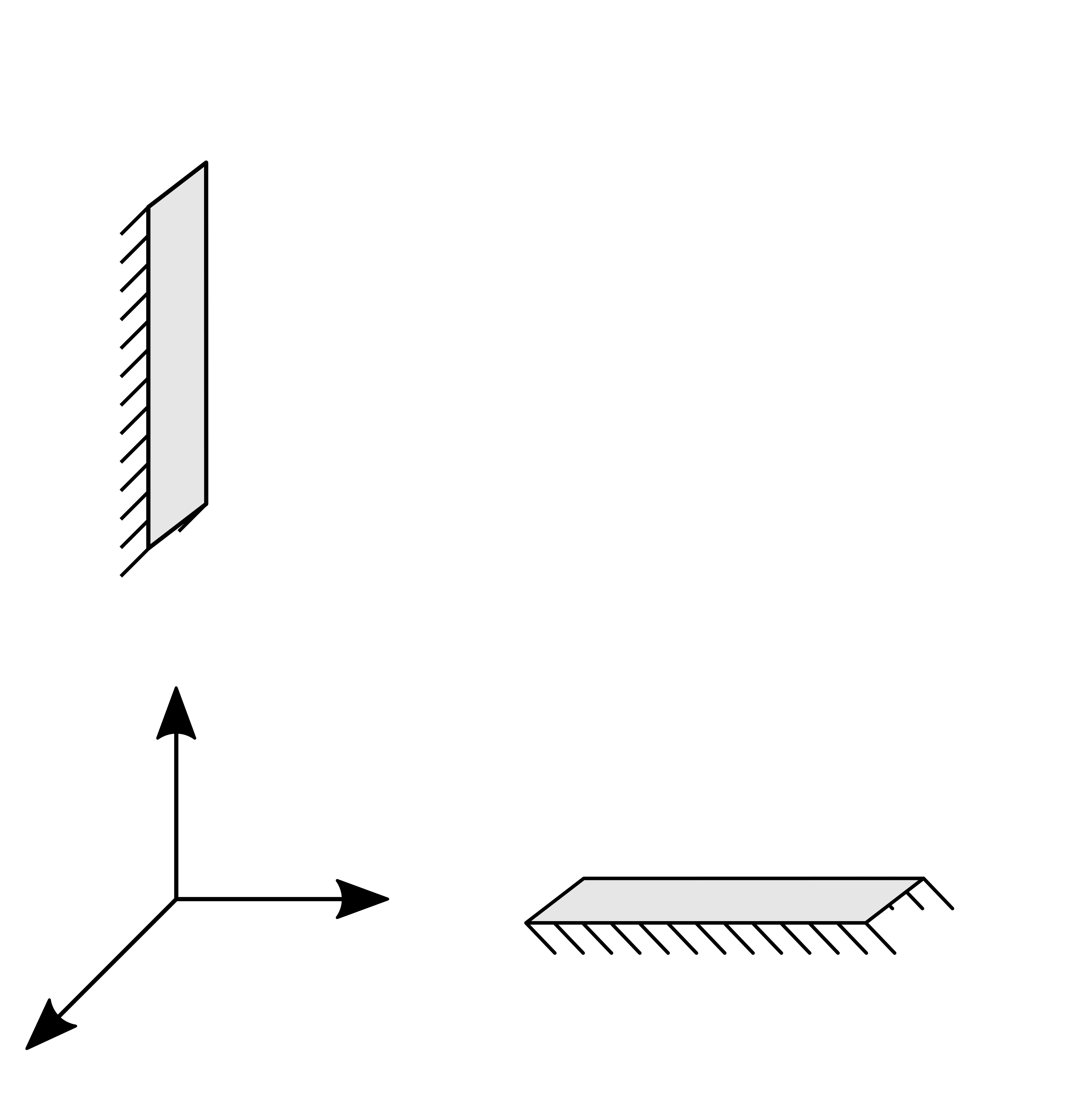 Figure 9
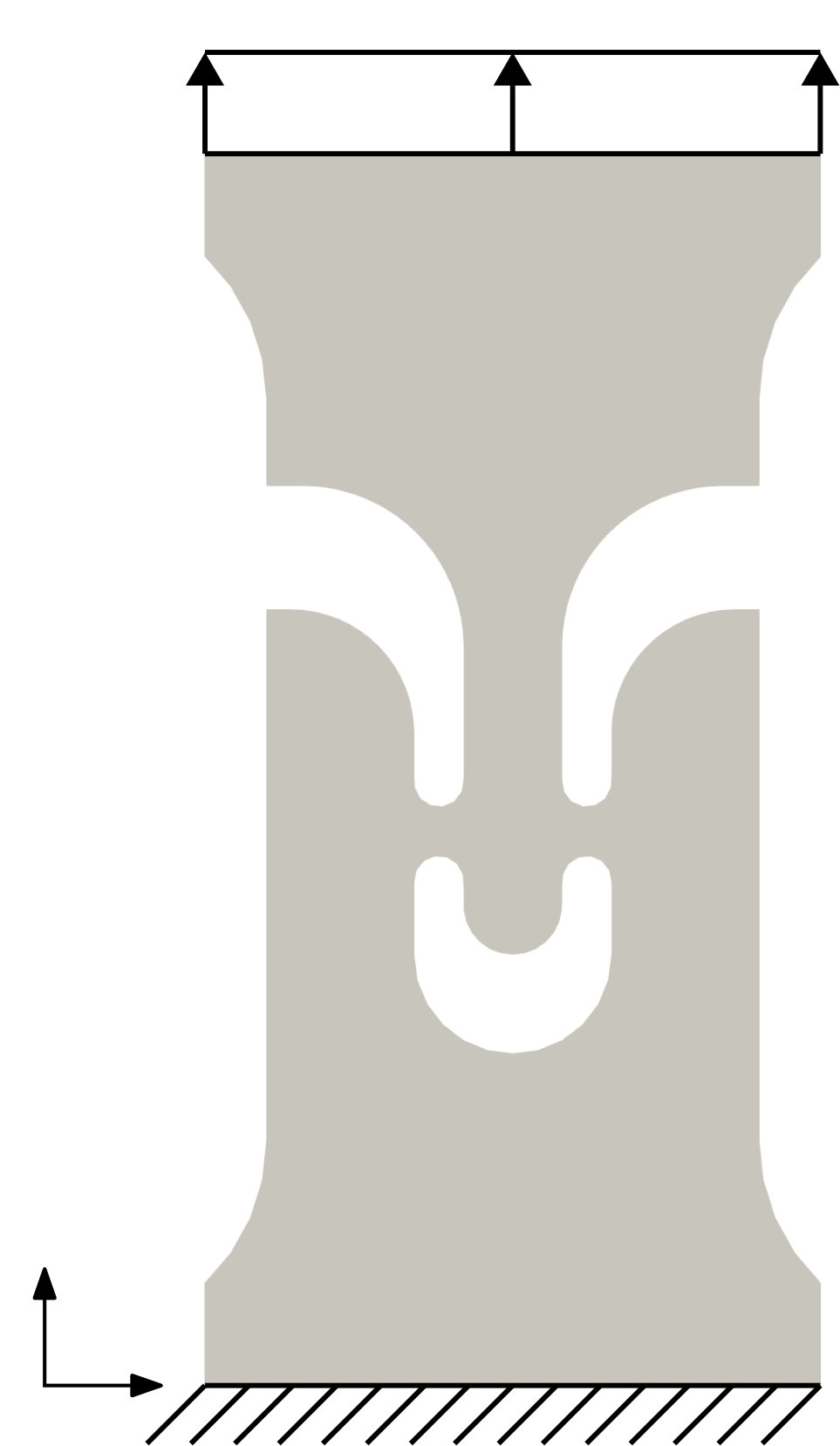 Figure 10
 Figure 11
Peer Reviews
No public reviews on file for this paper yet. If you reviewed it on a platform where reviews are public (OpenReview, ICLR, NeurIPS, ICML), you can paste yours below so the community can read it here.
Videos
No videos yet. Explain this paper in a talk, walkthrough, or lecture? Add one.