Simpler is Faster: Practical Distance Reporting by Sorting Along a Space-Filling Curve
Sarita de Berg, Emil Toftegaard G{\ae}de, Ivor van der Hoog, Henrik Reinst\"adtler, Eva Rotenberg

TL;DR
This paper demonstrates that sorting points along a space-filling curve alone can significantly improve distance reporting queries, outperforming complex data structures in speed and space efficiency.
Contribution
It shows that a simple approach of sorting points along a space-filling curve can outperform traditional complex range reporting data structures in practical scenarios.
Findings
Outperforms eight state-of-the-art range searching implementations.
Uses less space and has faster construction times.
Achieves superior query performance, especially in dynamic settings.
Abstract
Range reporting is a classical problem in computational geometry. A (rectangular) reporting data structure stores a point set , such that, given a (rectangular) query region , it returns all points in . A variety of data structures support such queries with differing asymptotic guarantees such as k-d trees, range trees, R-trees, and quadtrees. A common variant of range queries are distance reporting queries, where the input is a query point and a radius , and the goal is to report all points in within distance of . Such queries frequently arise as subroutines in geometric data structures. Practical implementations typically answer distance queries through rectangular range queries using the data structures listed before. This paper revisits a simple and practical heuristic for distance reporting, originally proposed in TCS'97: sort…
Click any figure to enlarge with its caption.
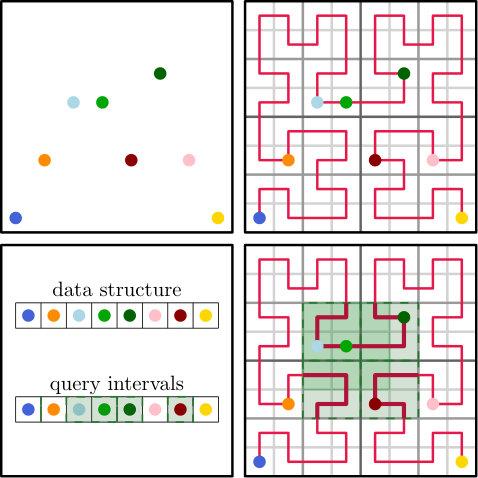 Figure 1
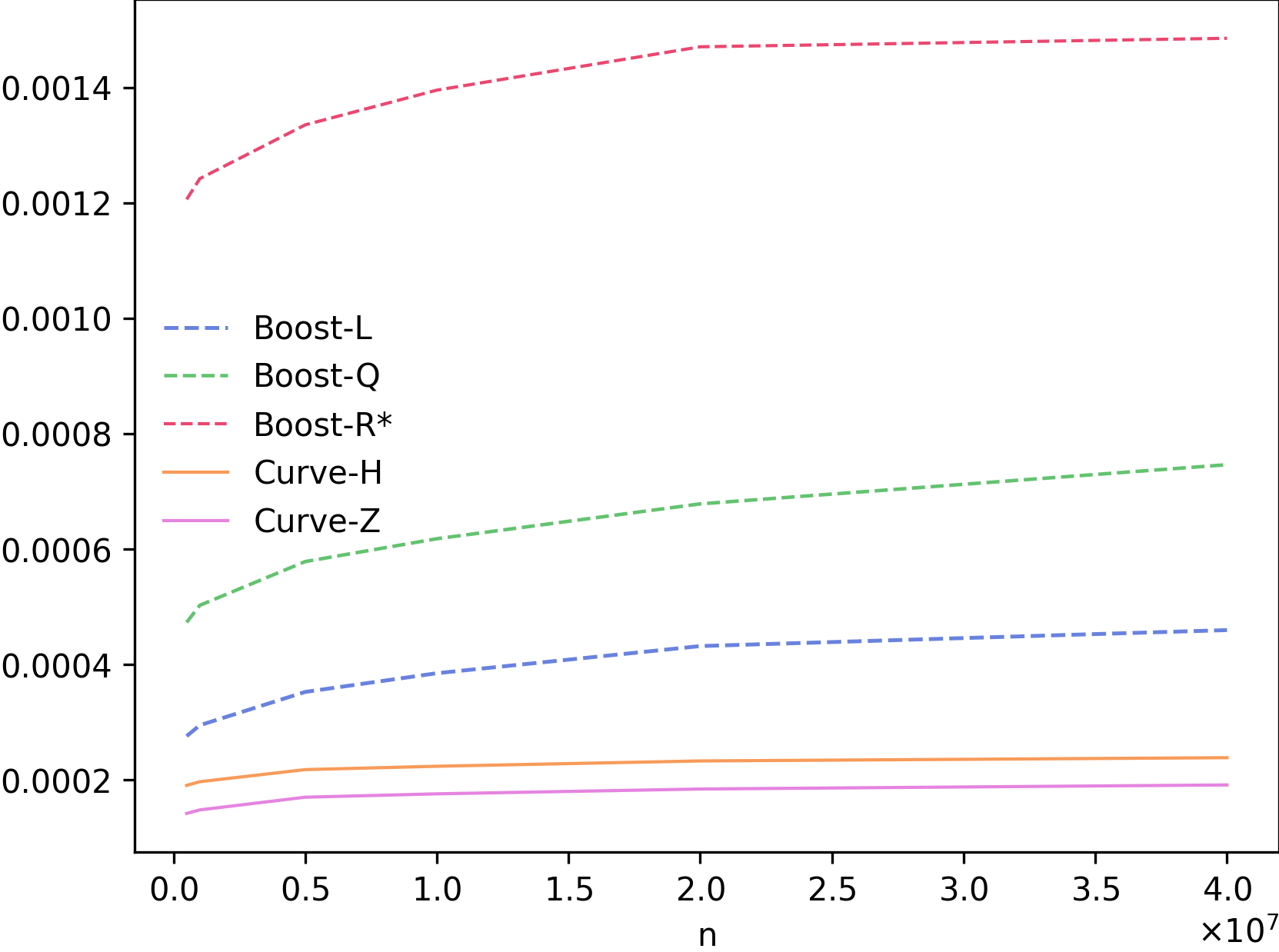 Figure 2
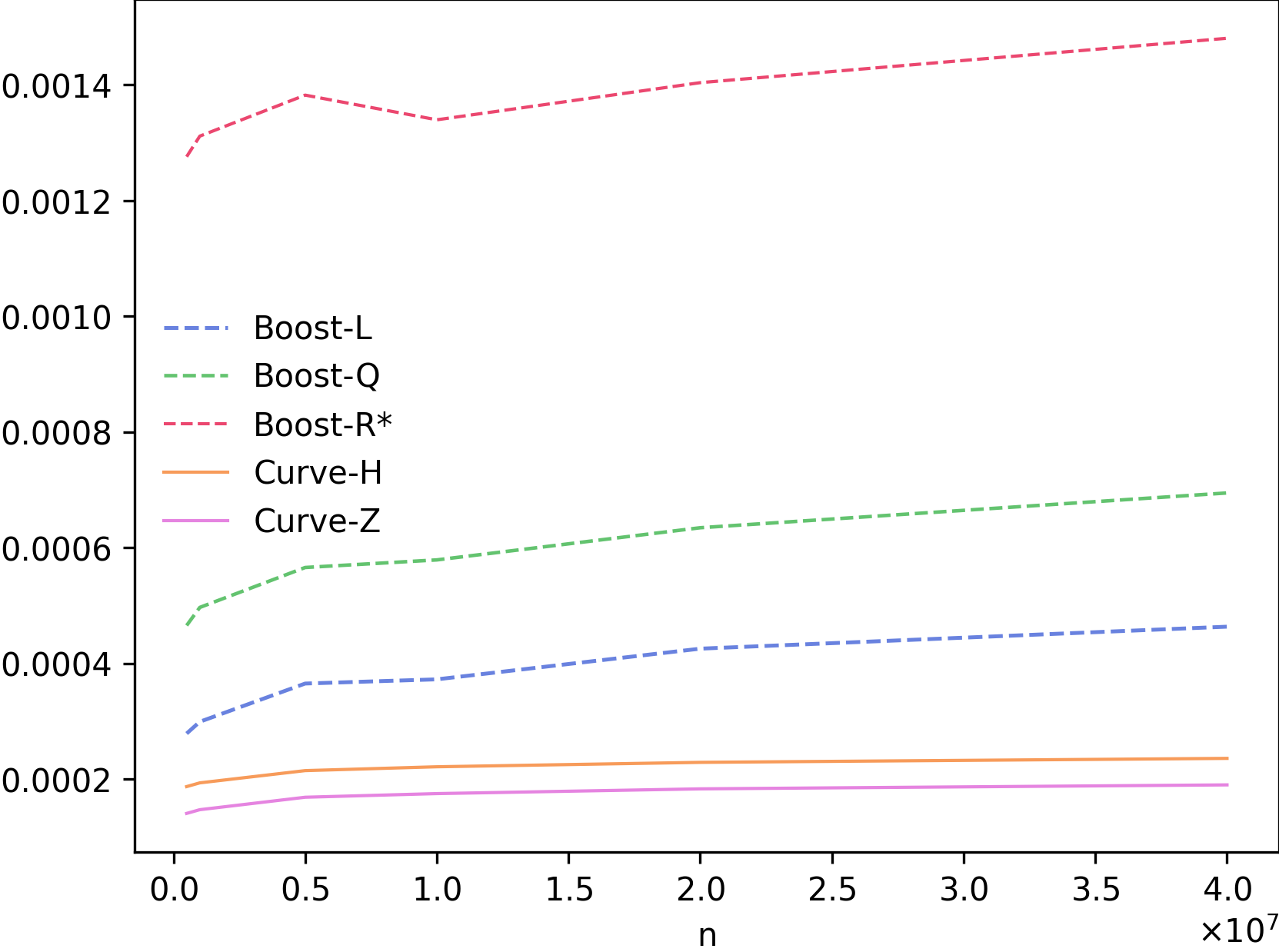 Figure 3
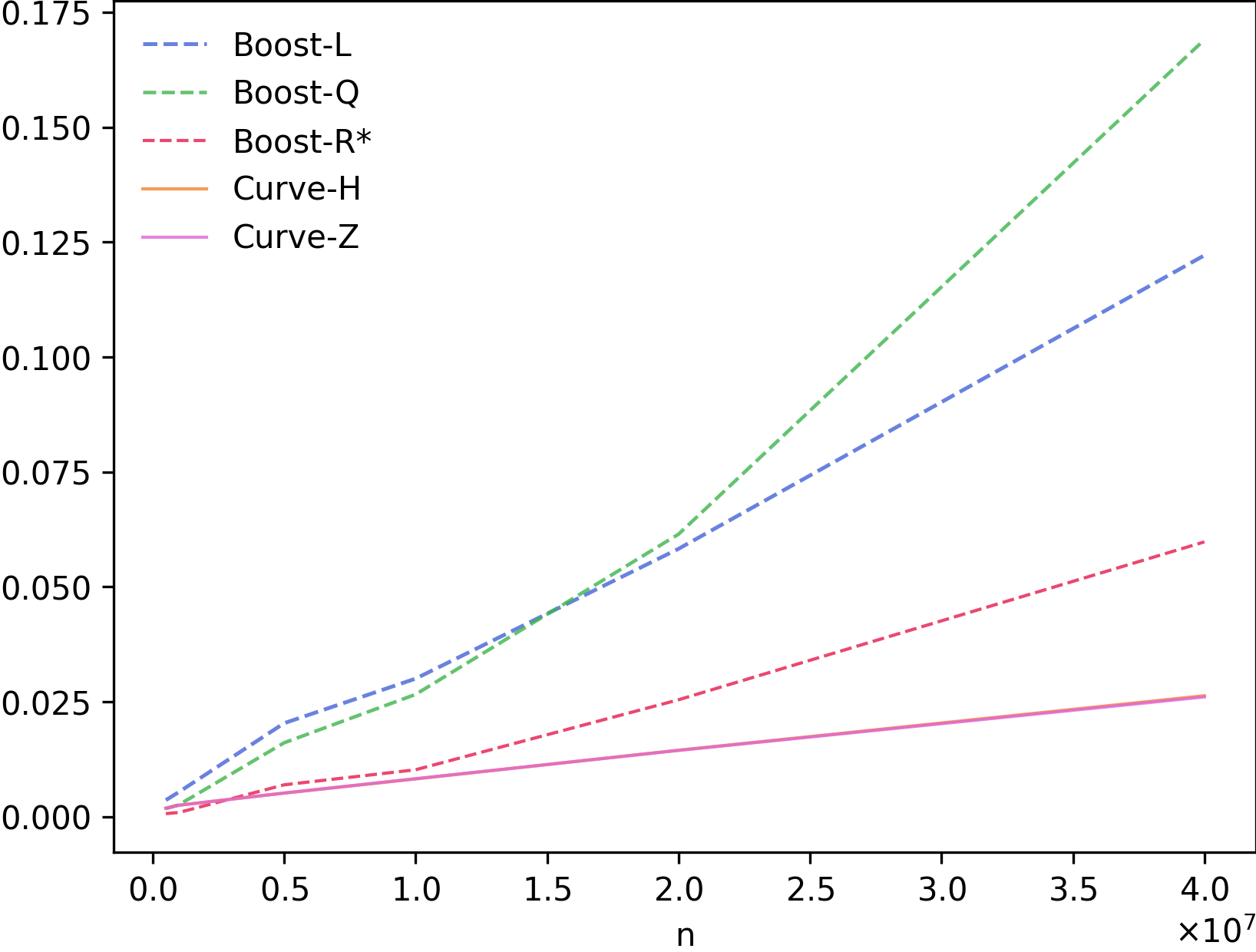 Figure 4
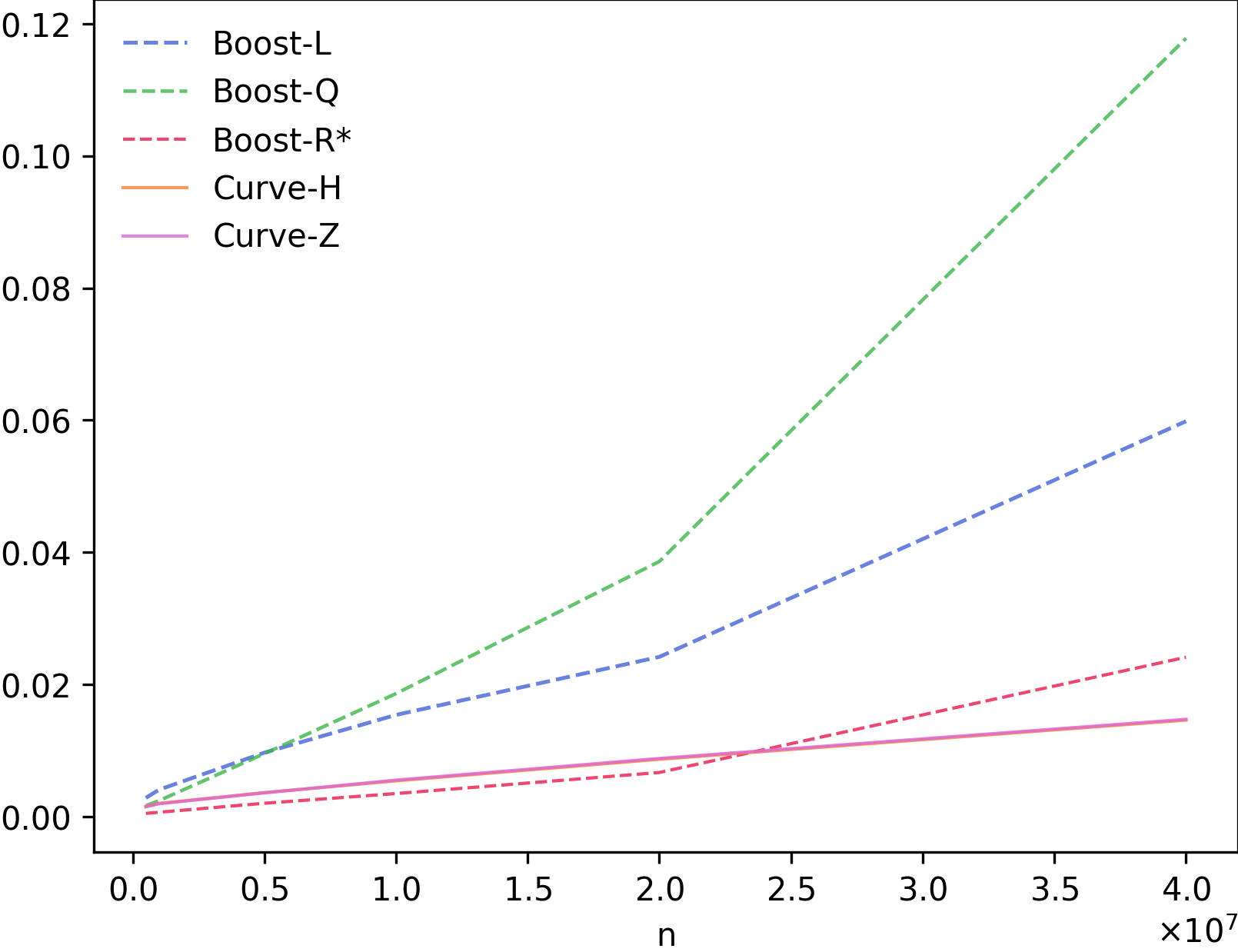 Figure 5
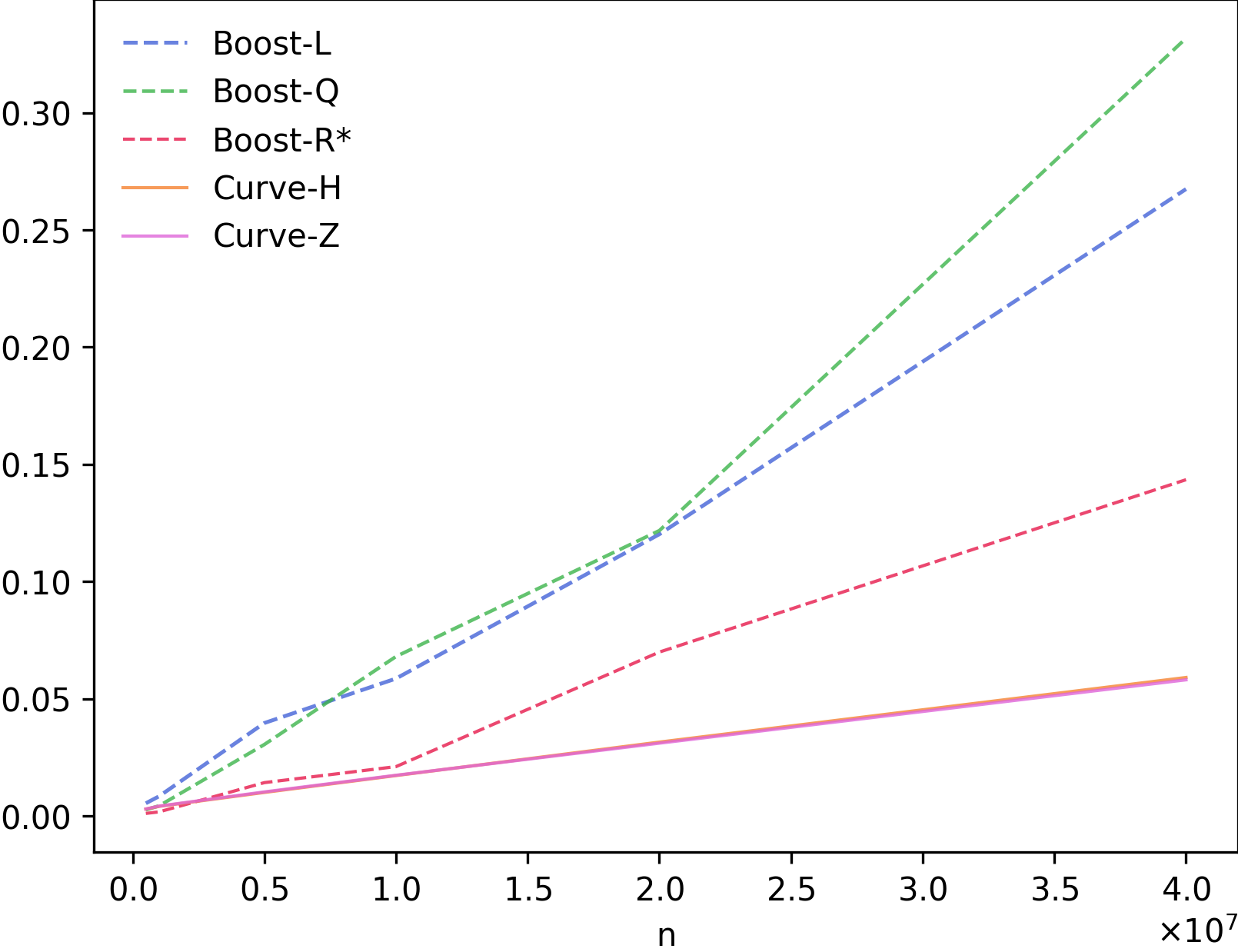 Figure 6
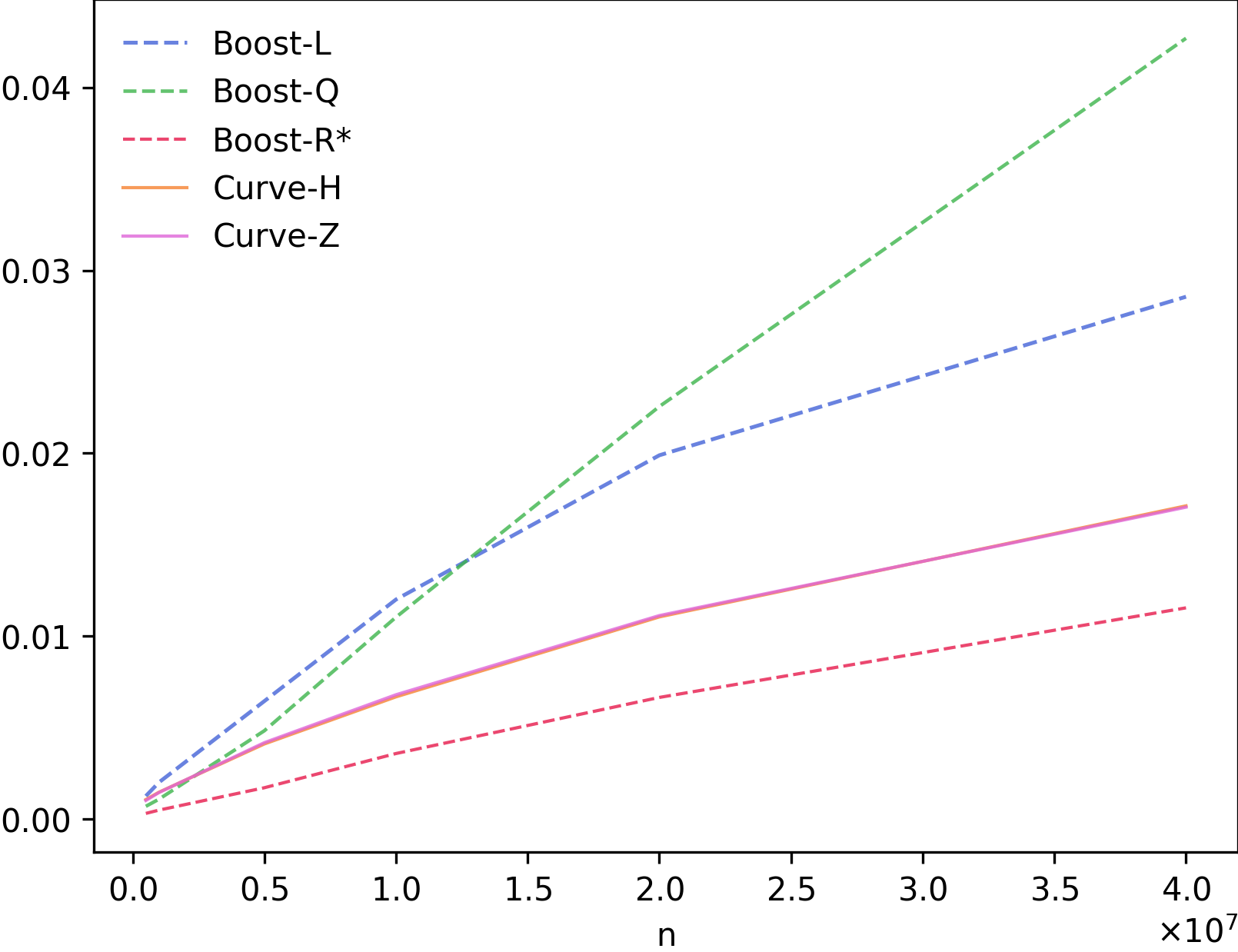 Figure 7
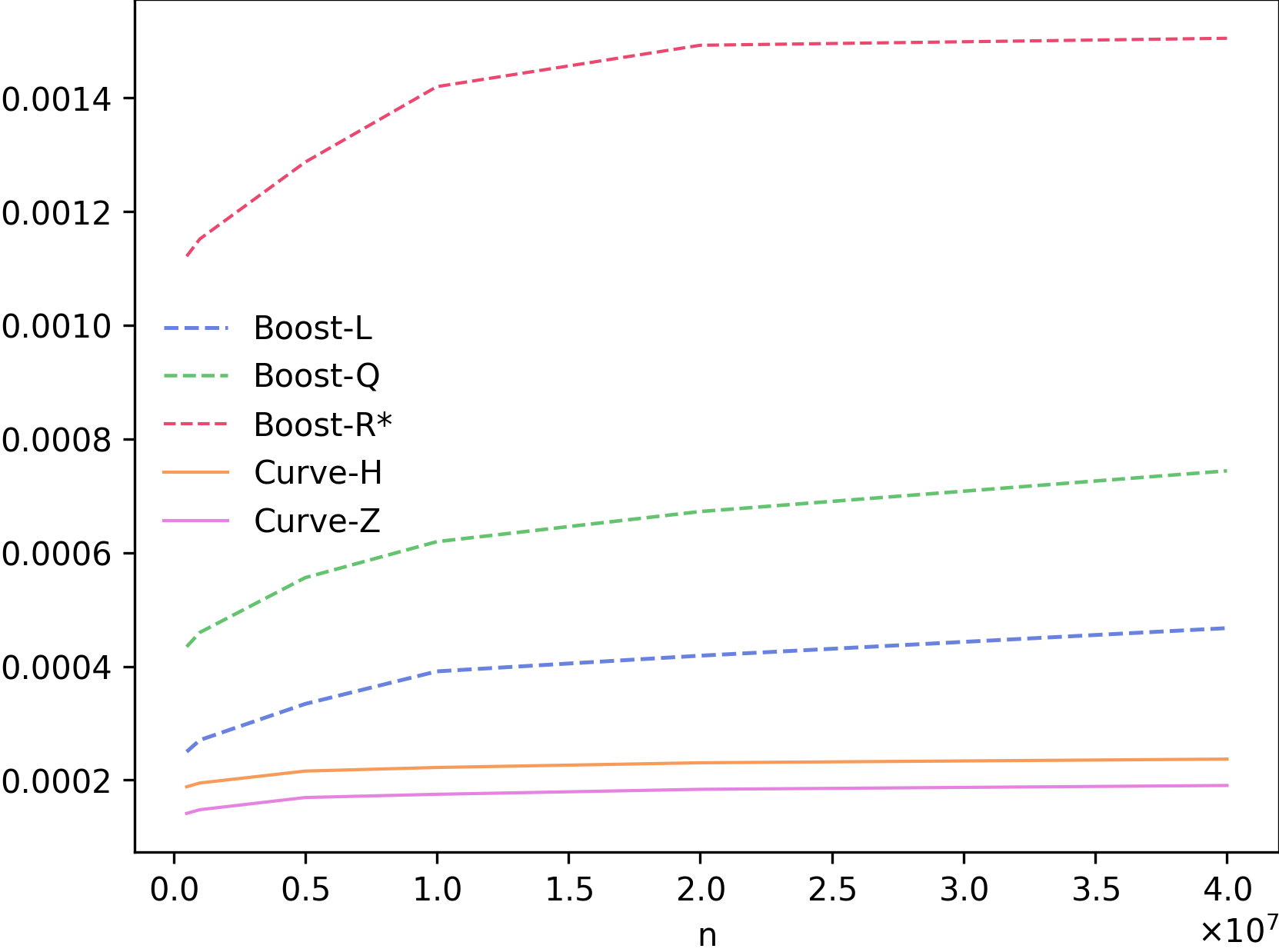 Figure 8
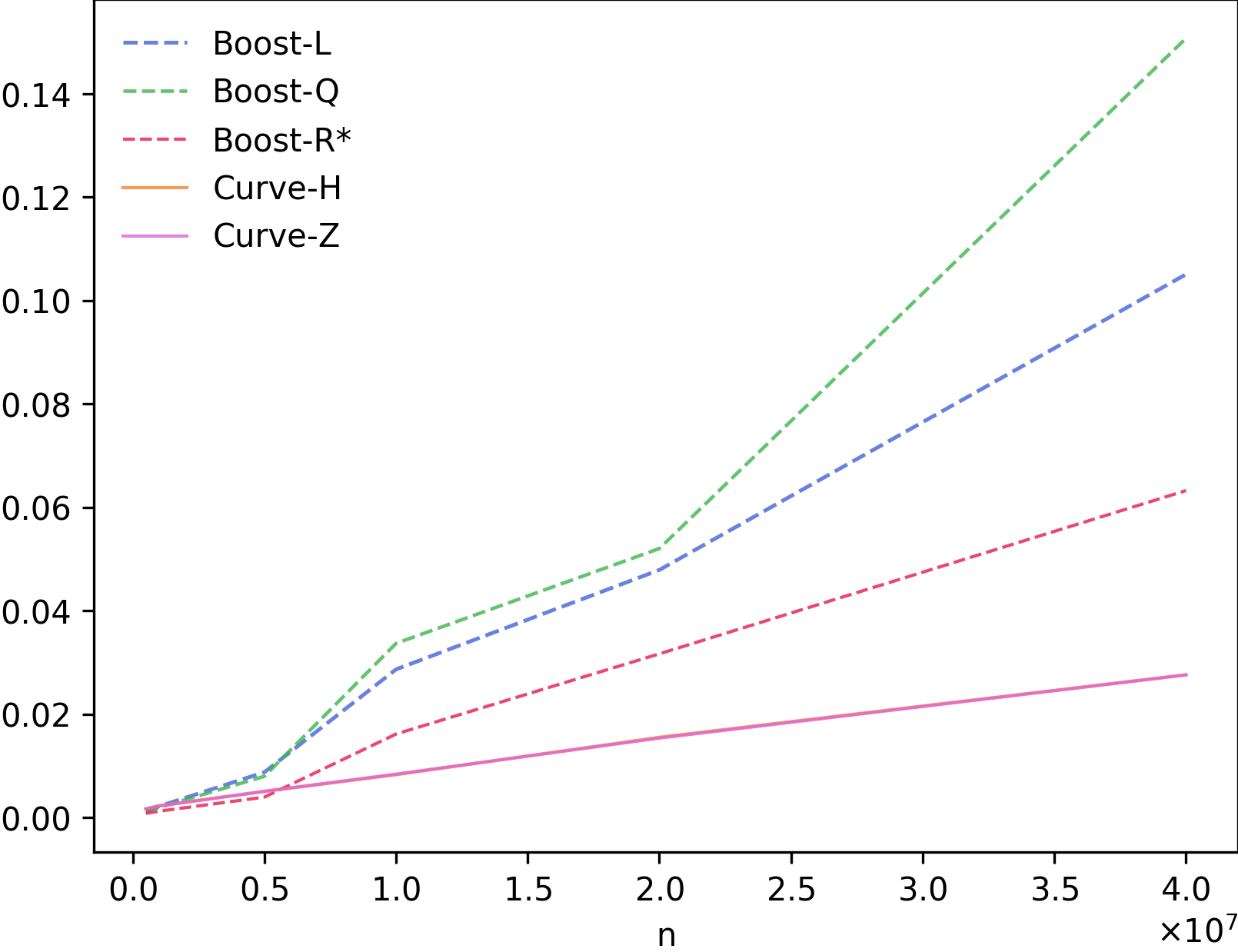 Figure 9
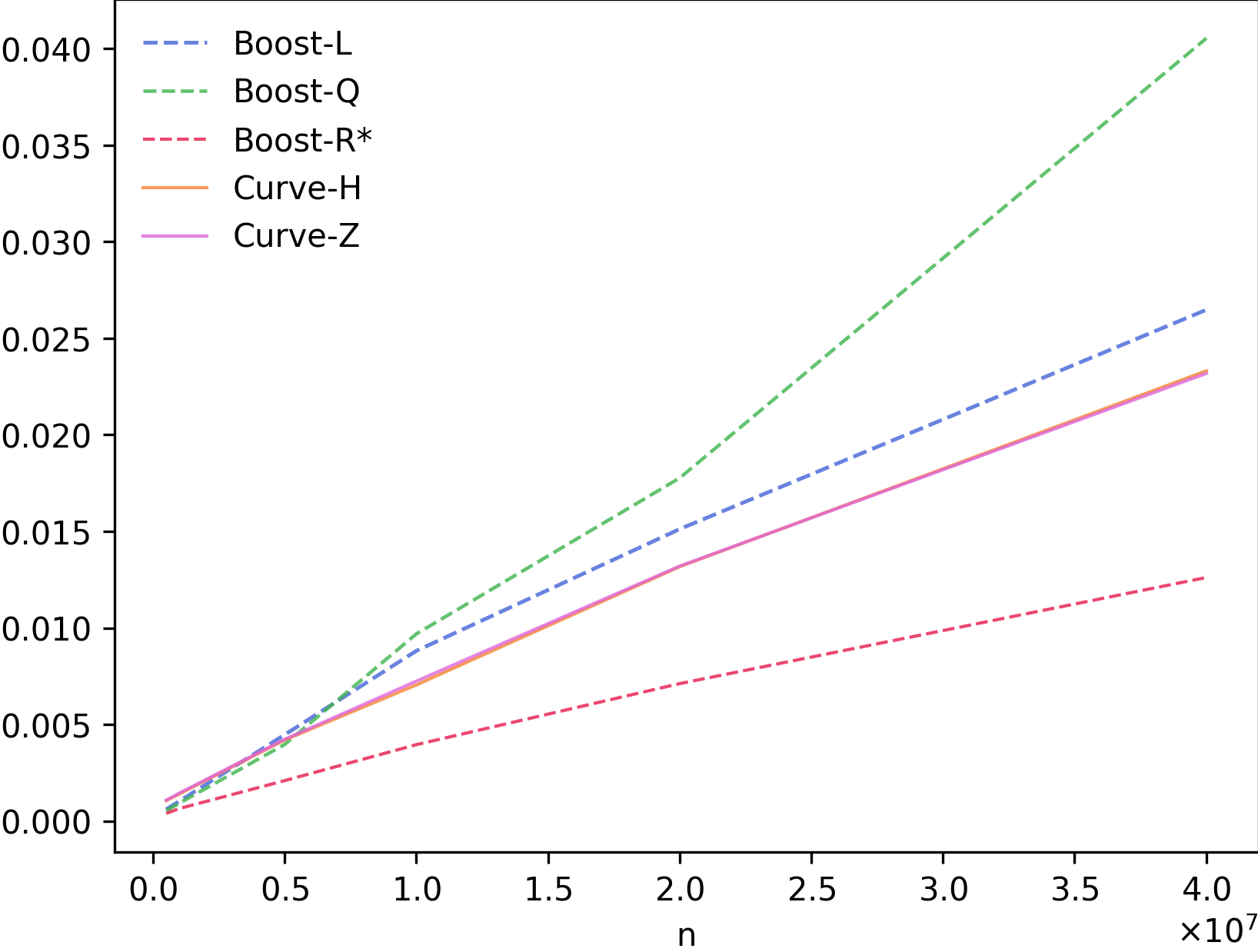 Figure 10
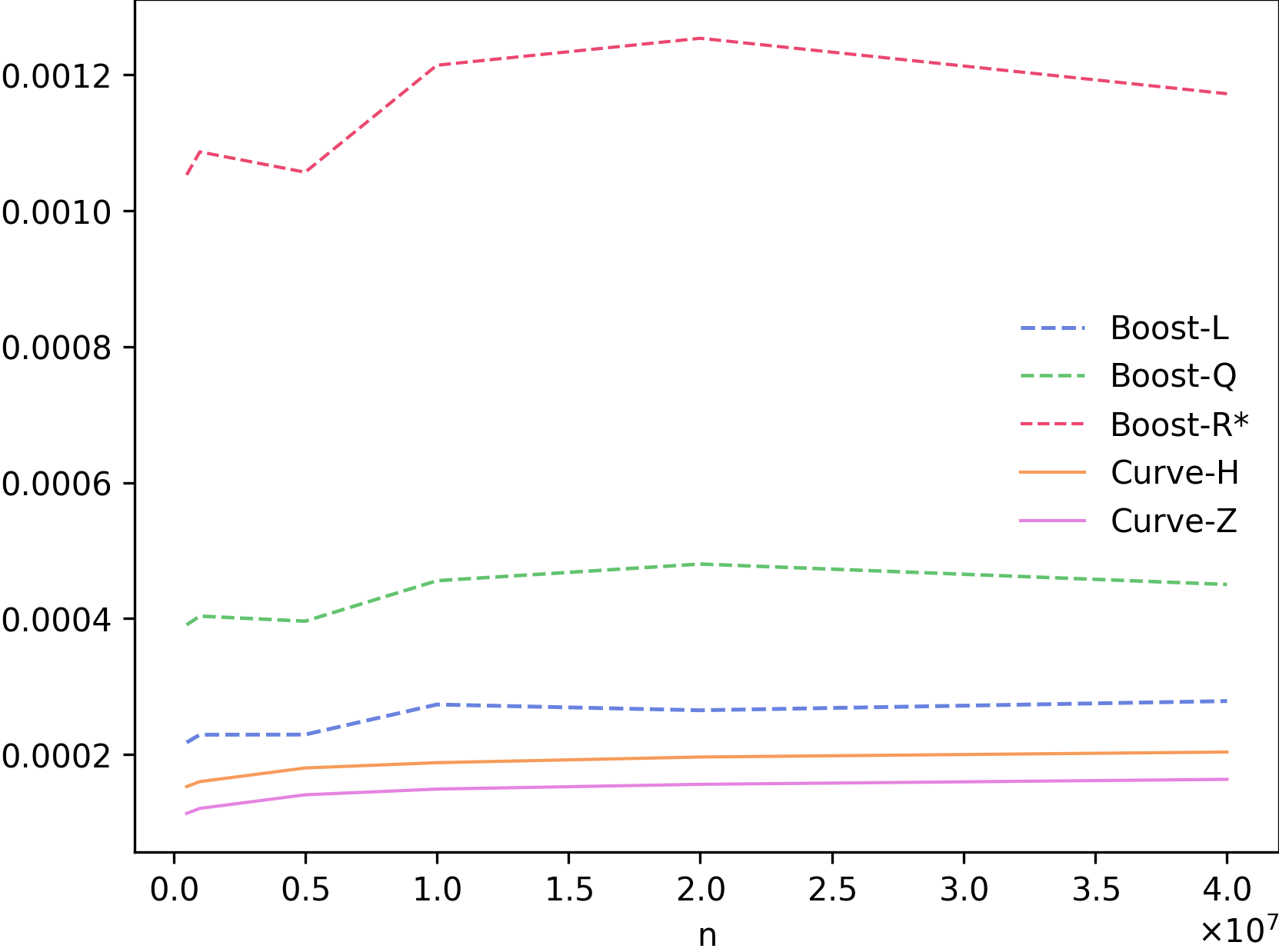 Figure 11
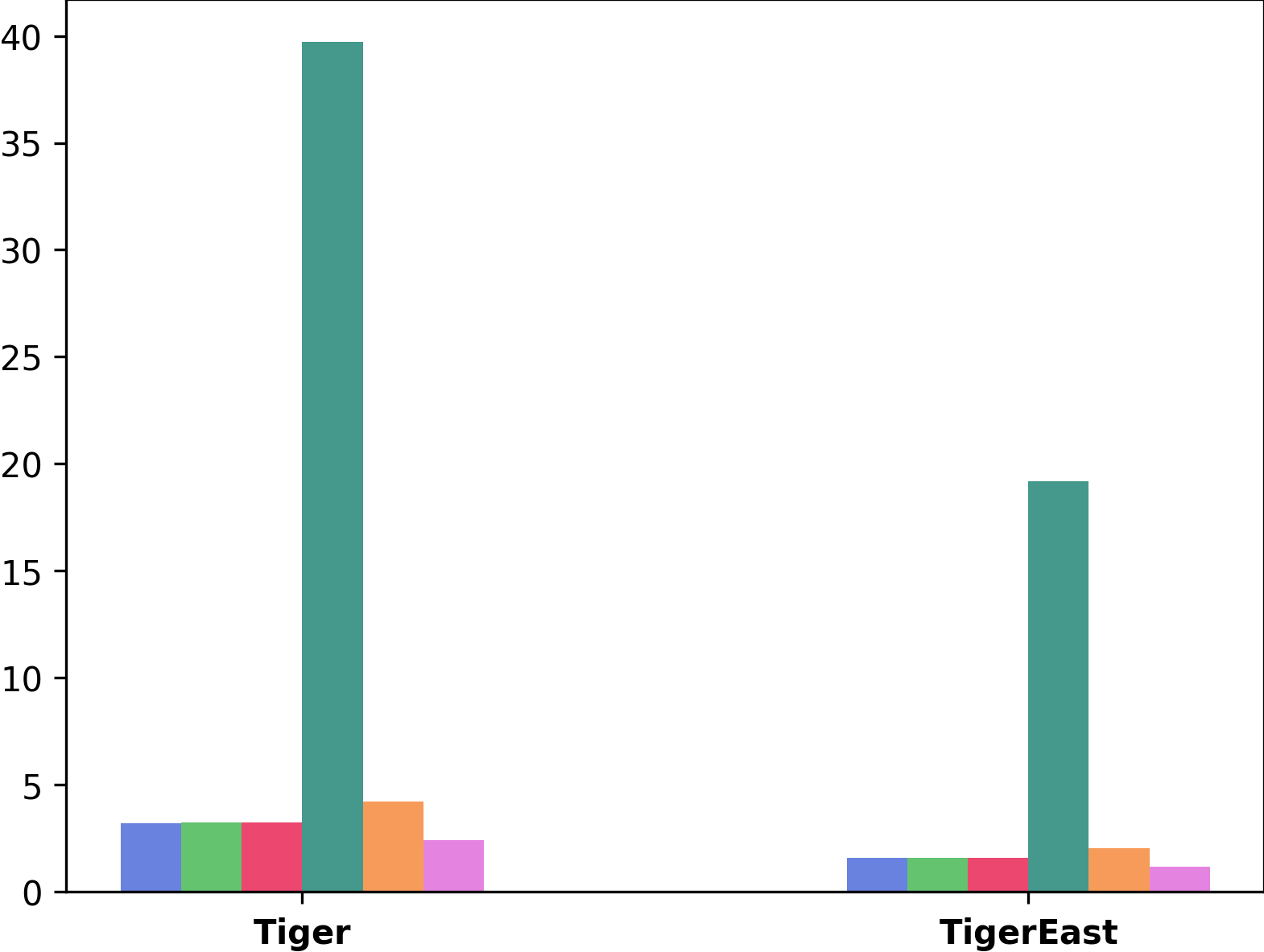 Figure 12
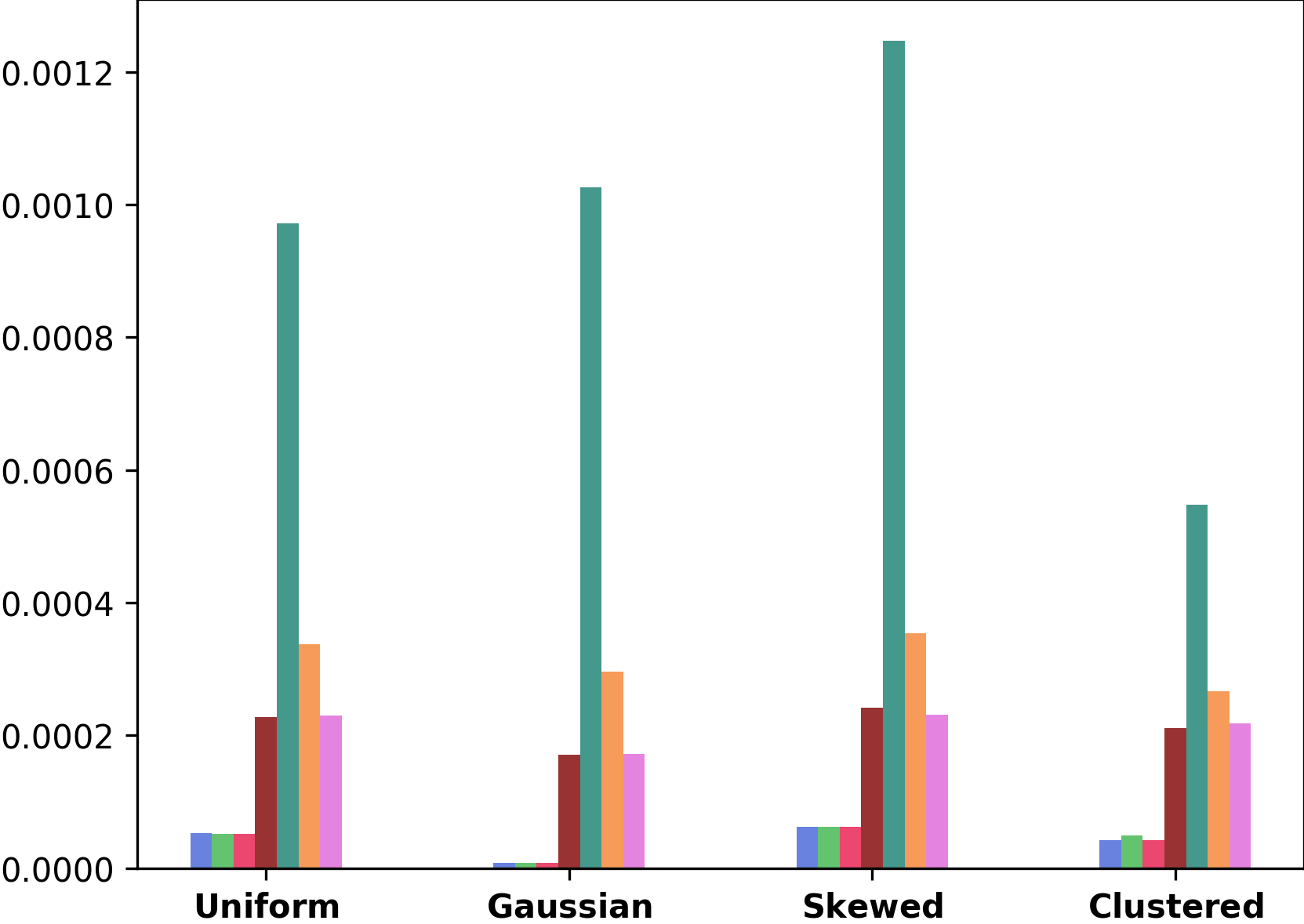 Figure 13
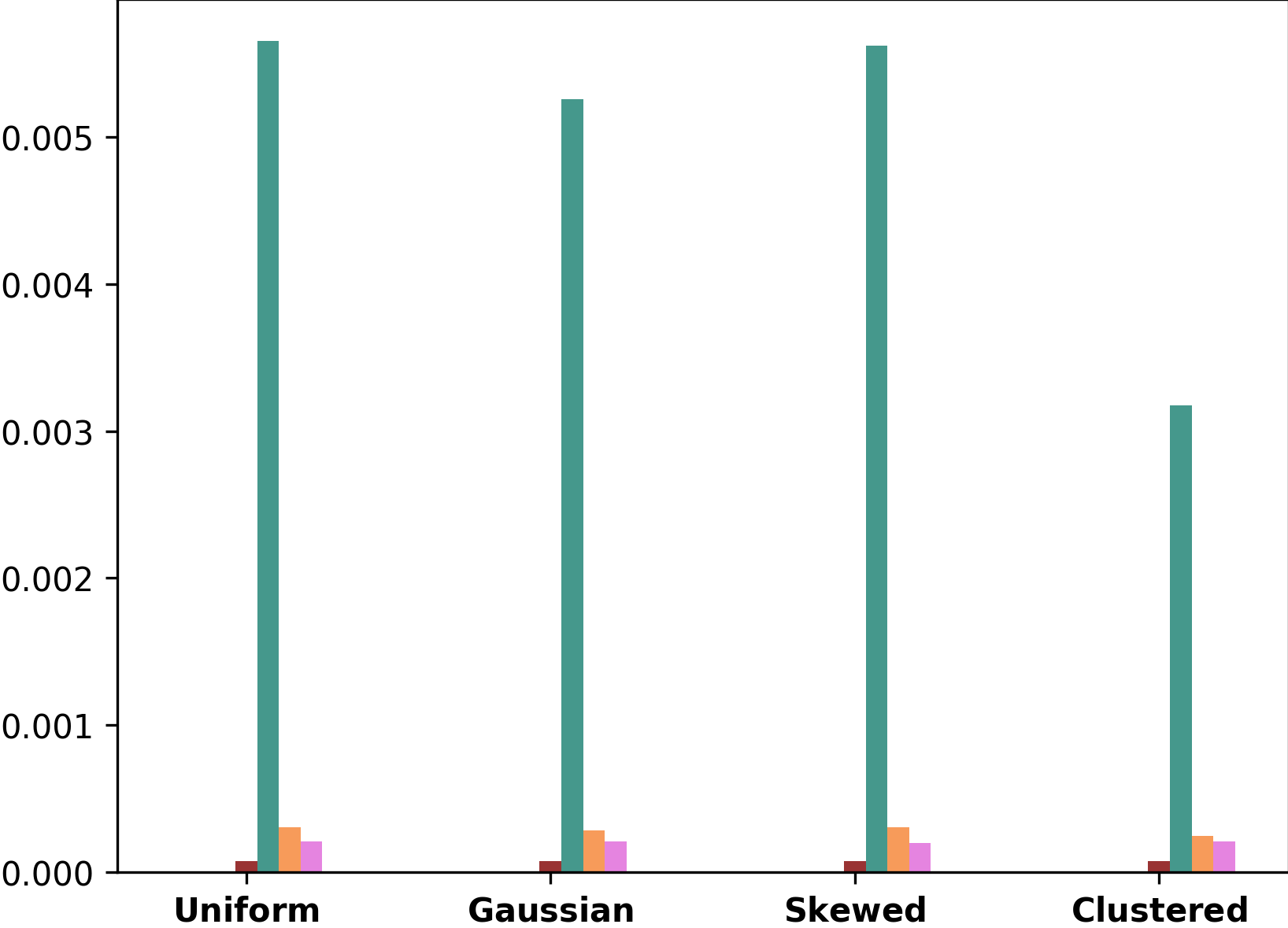 Figure 14
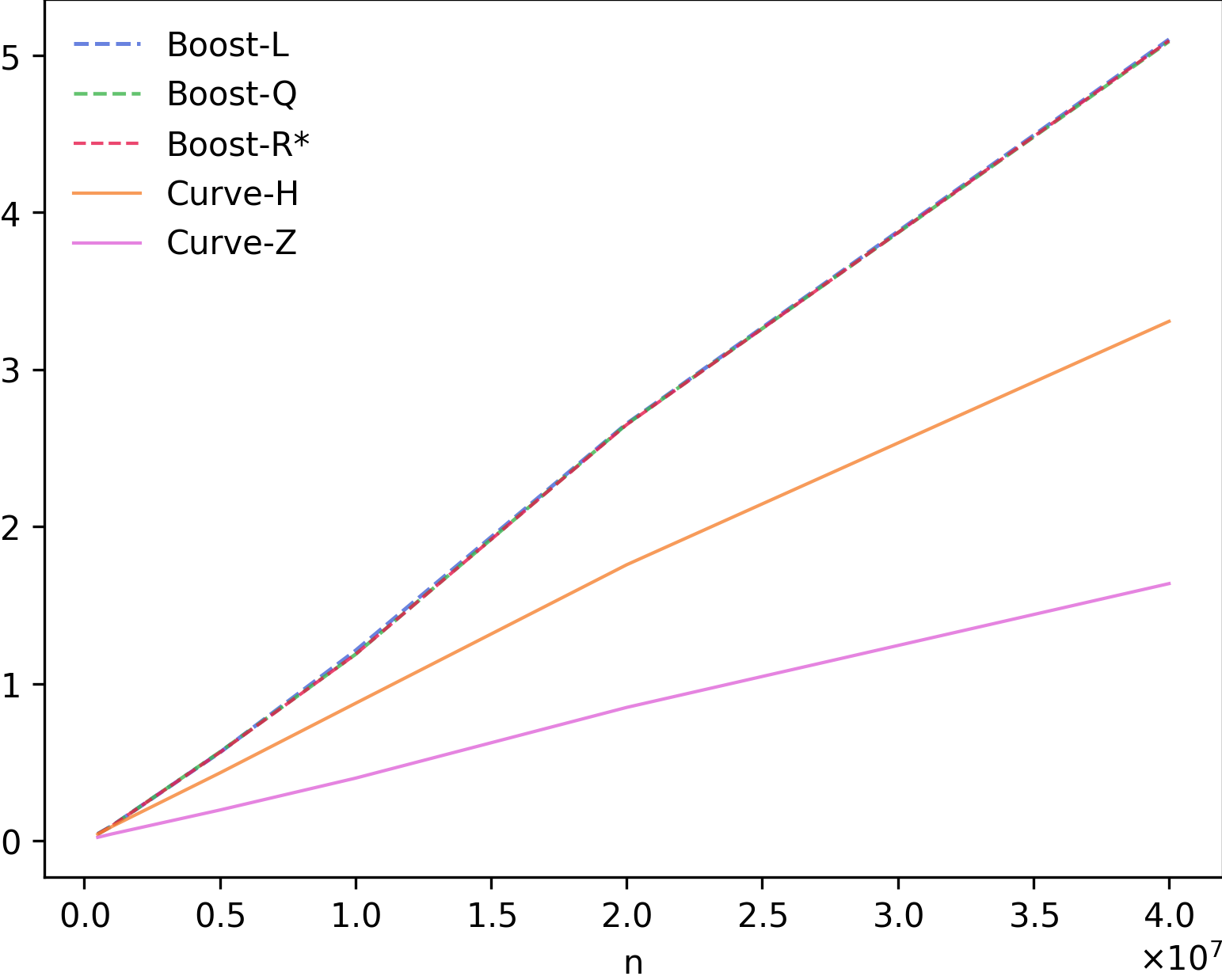 Figure 15
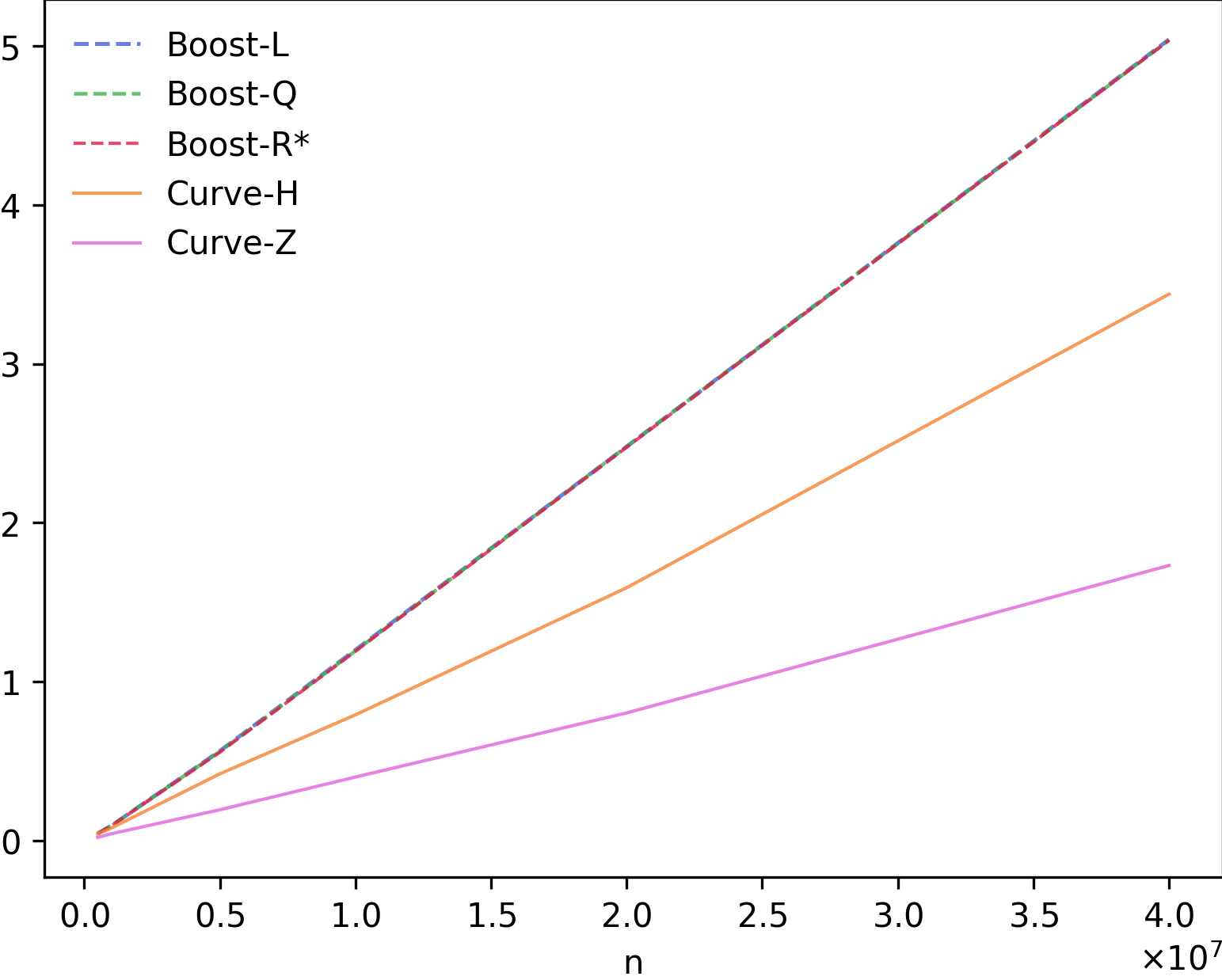 Figure 16
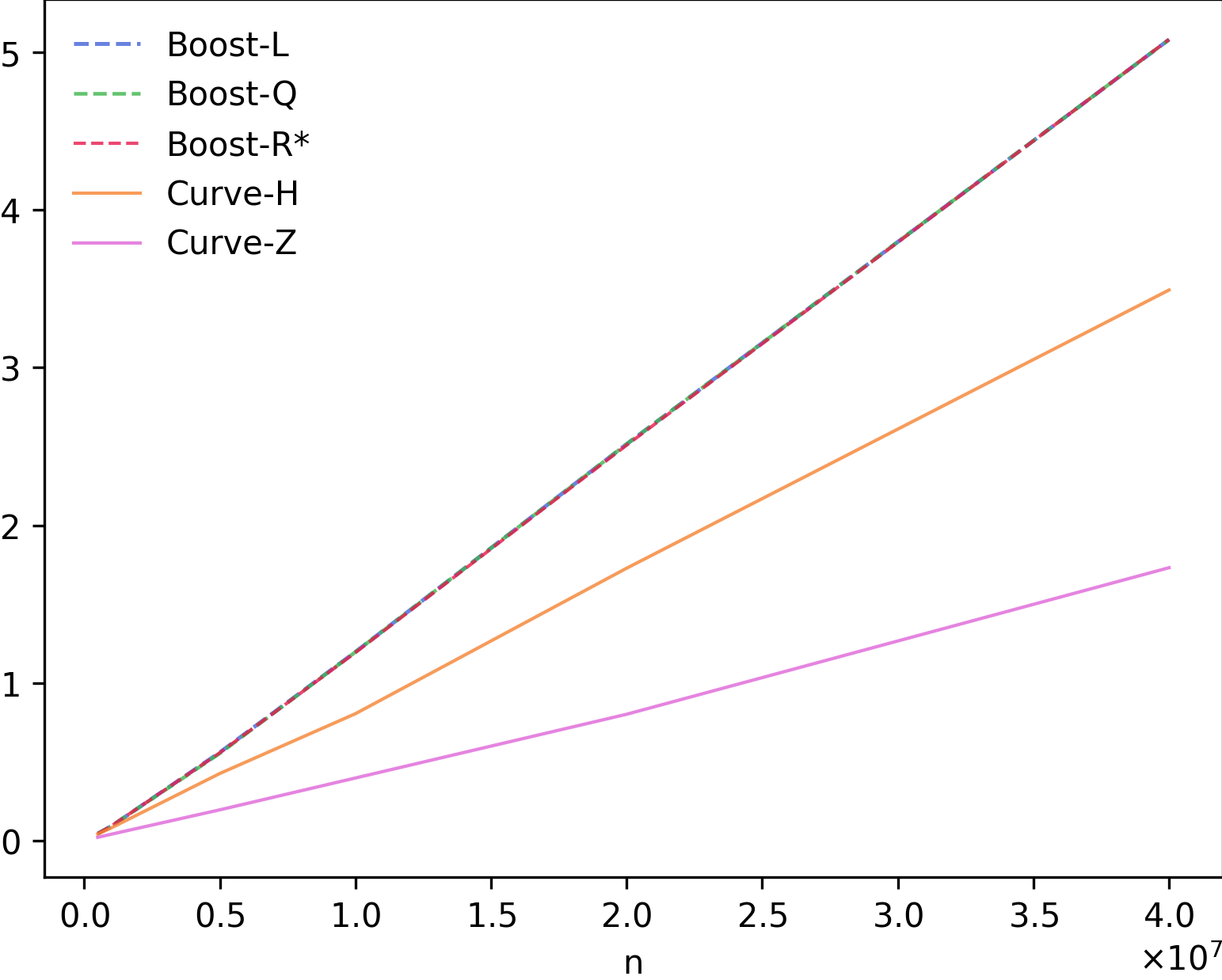 Figure 17
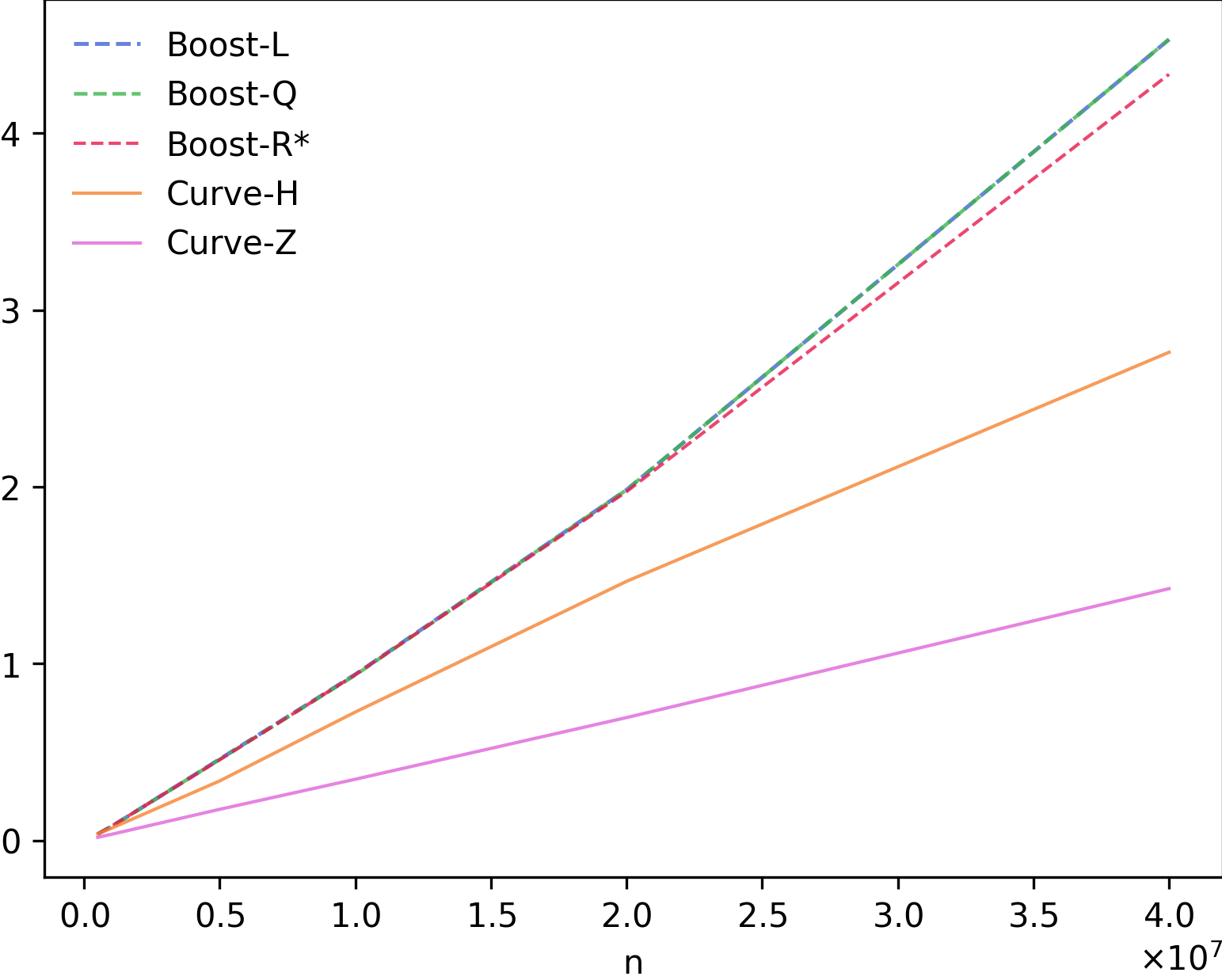 Figure 18
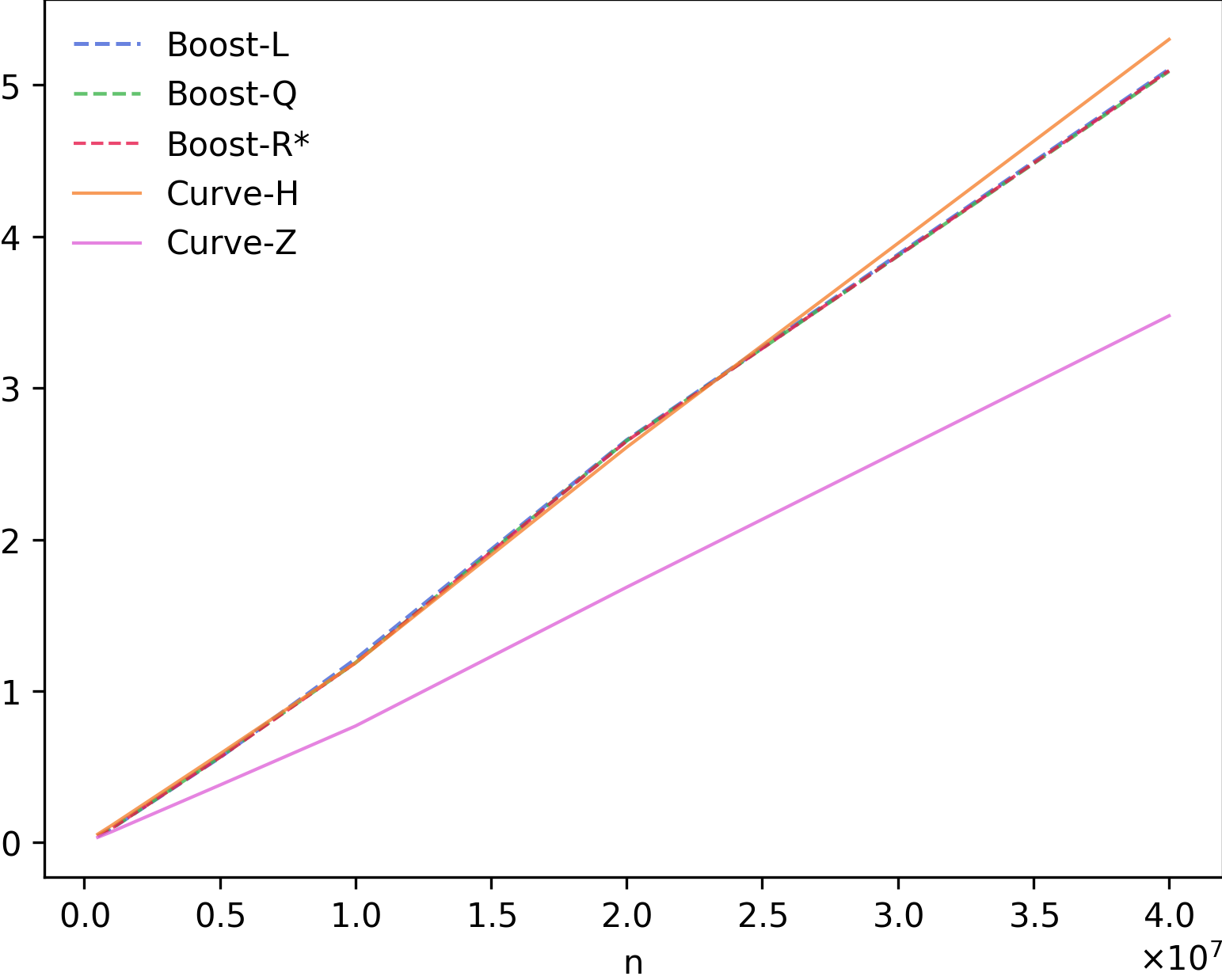 Figure 19
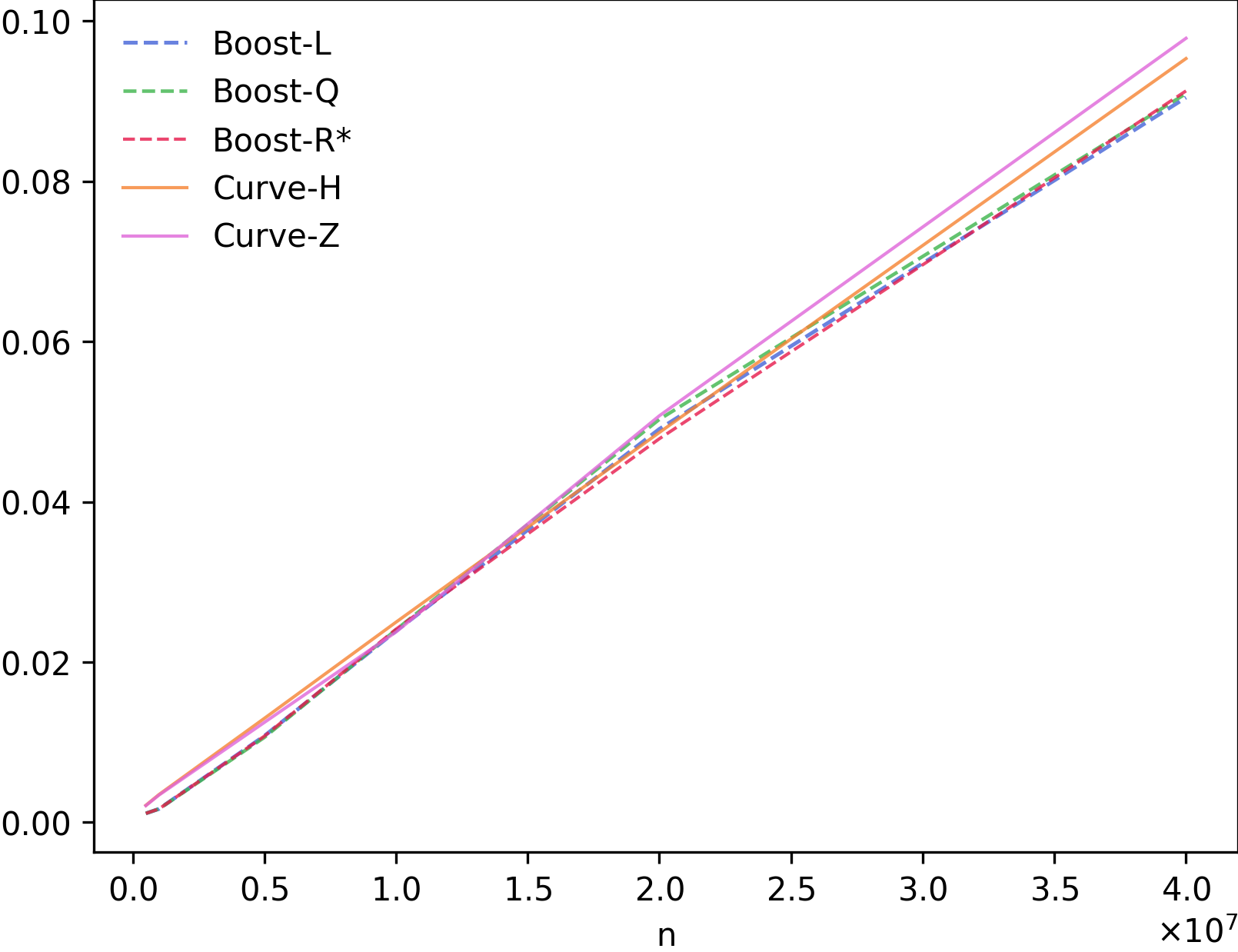 Figure 20
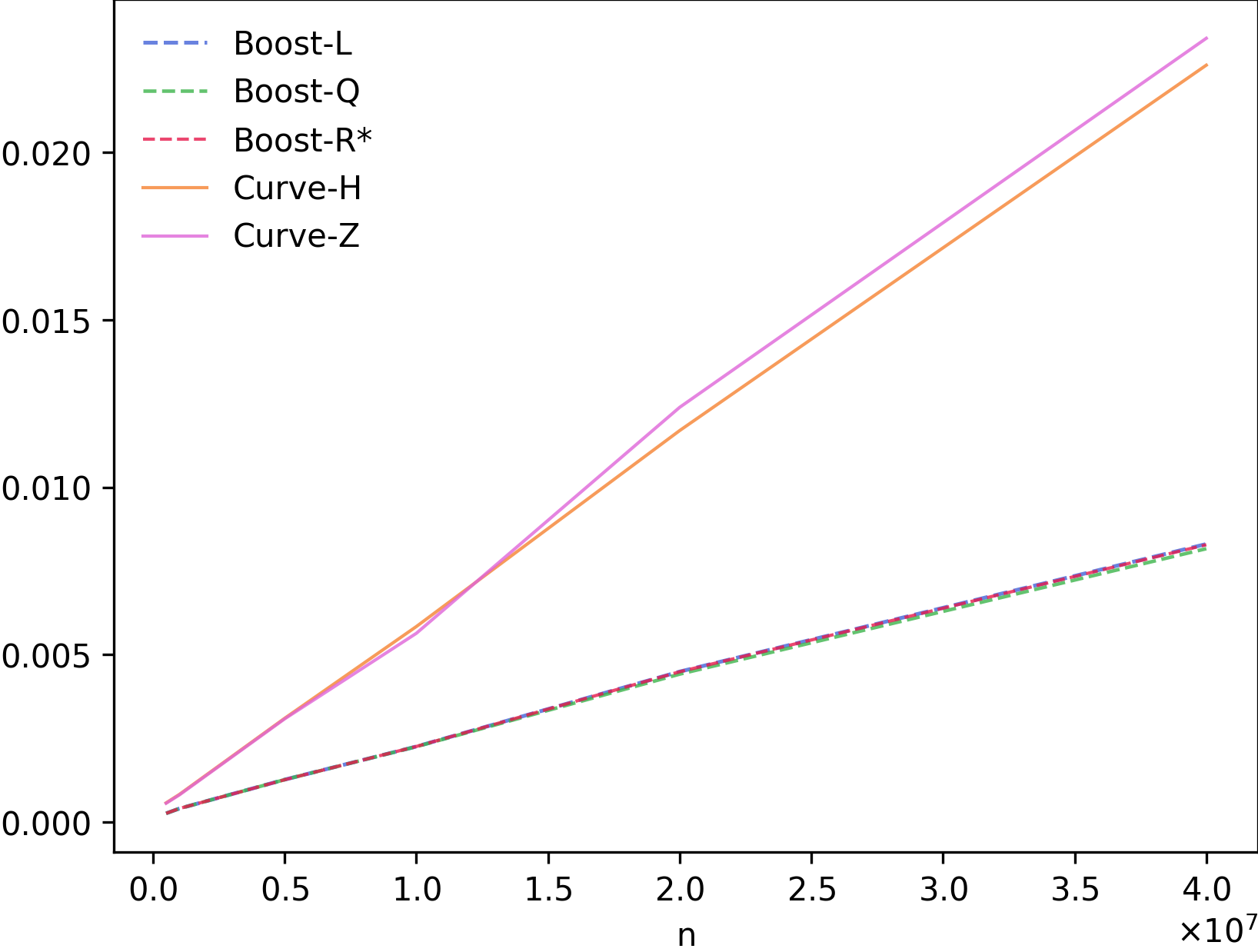 Figure 21
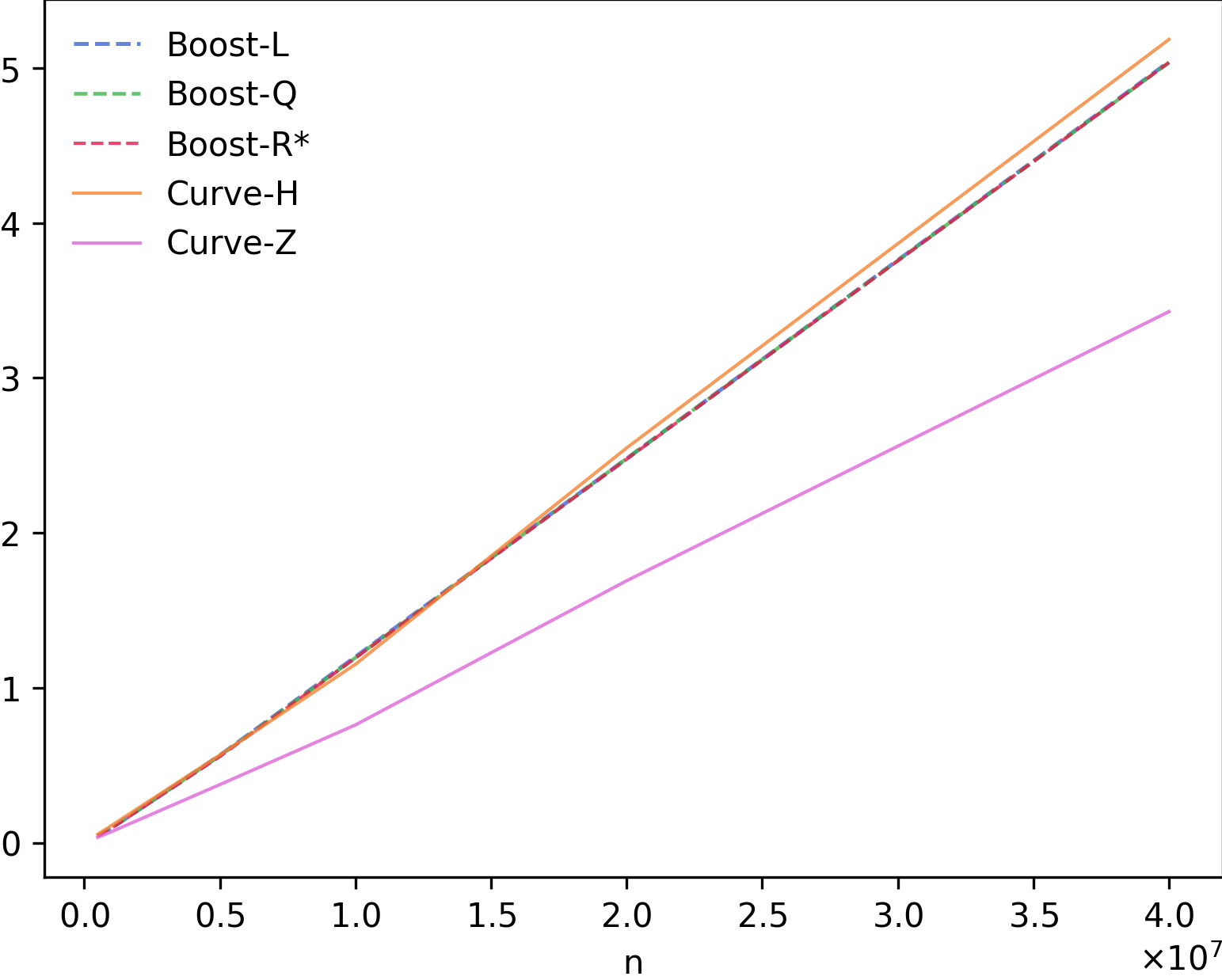 Figure 22
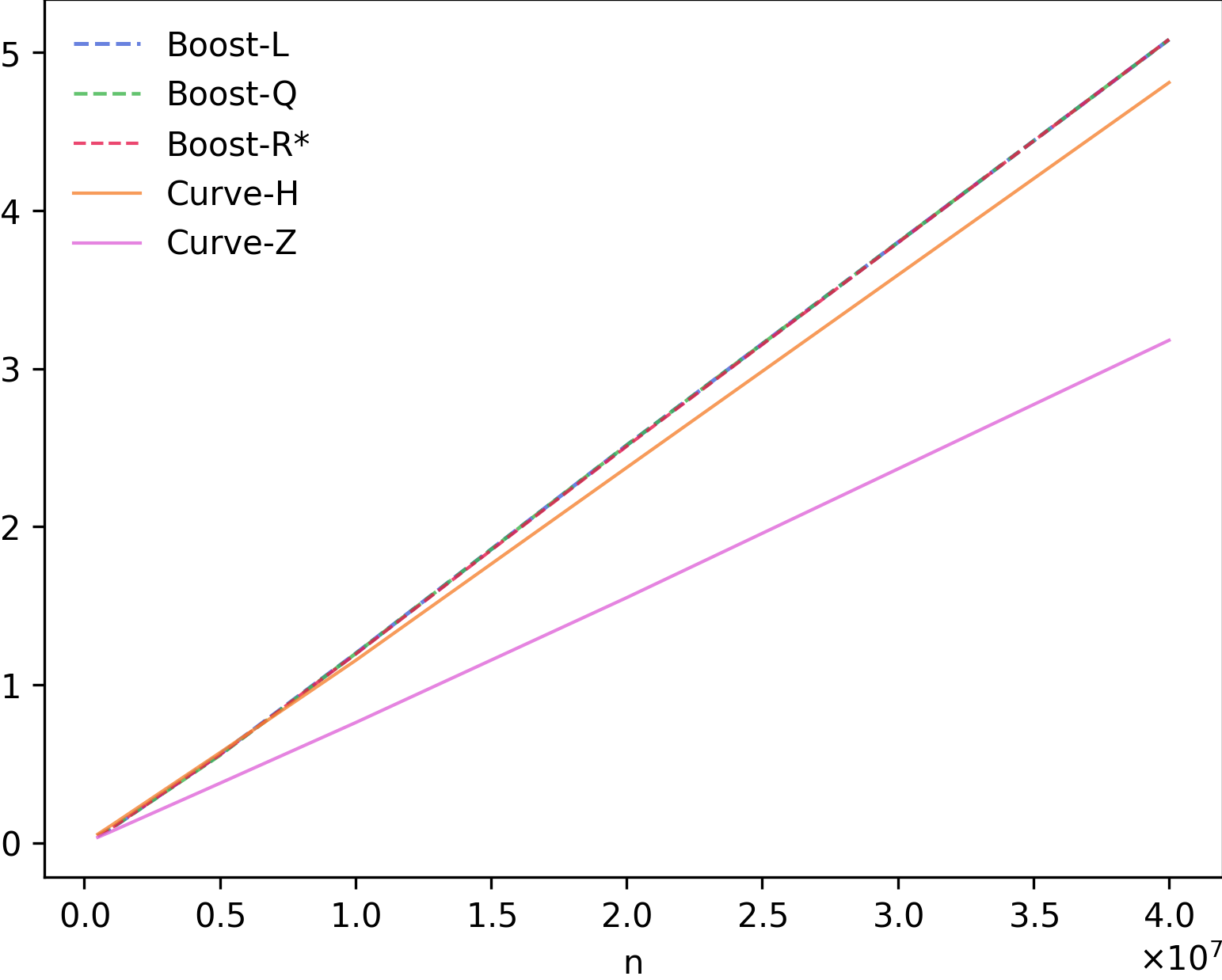 Figure 23
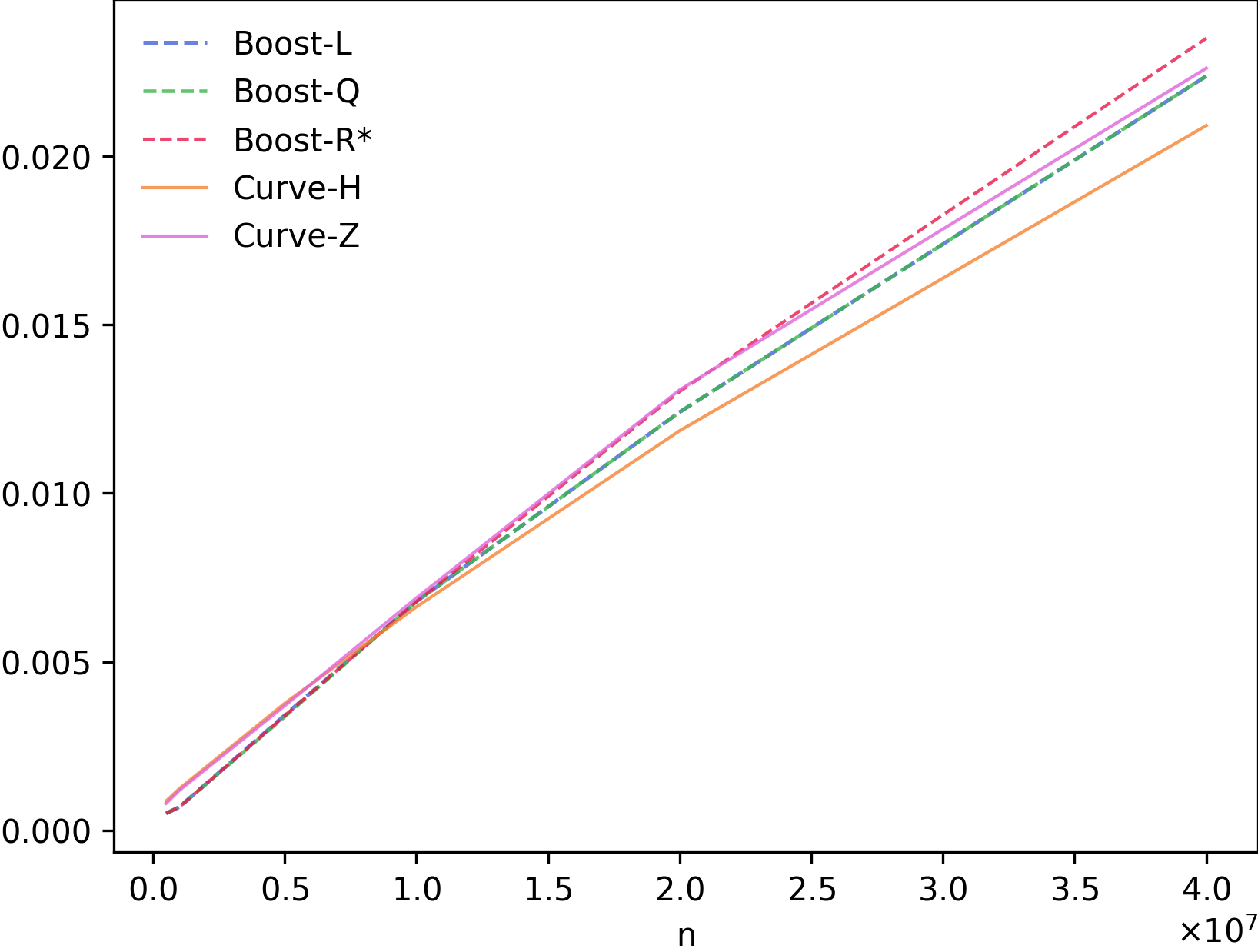 Figure 24
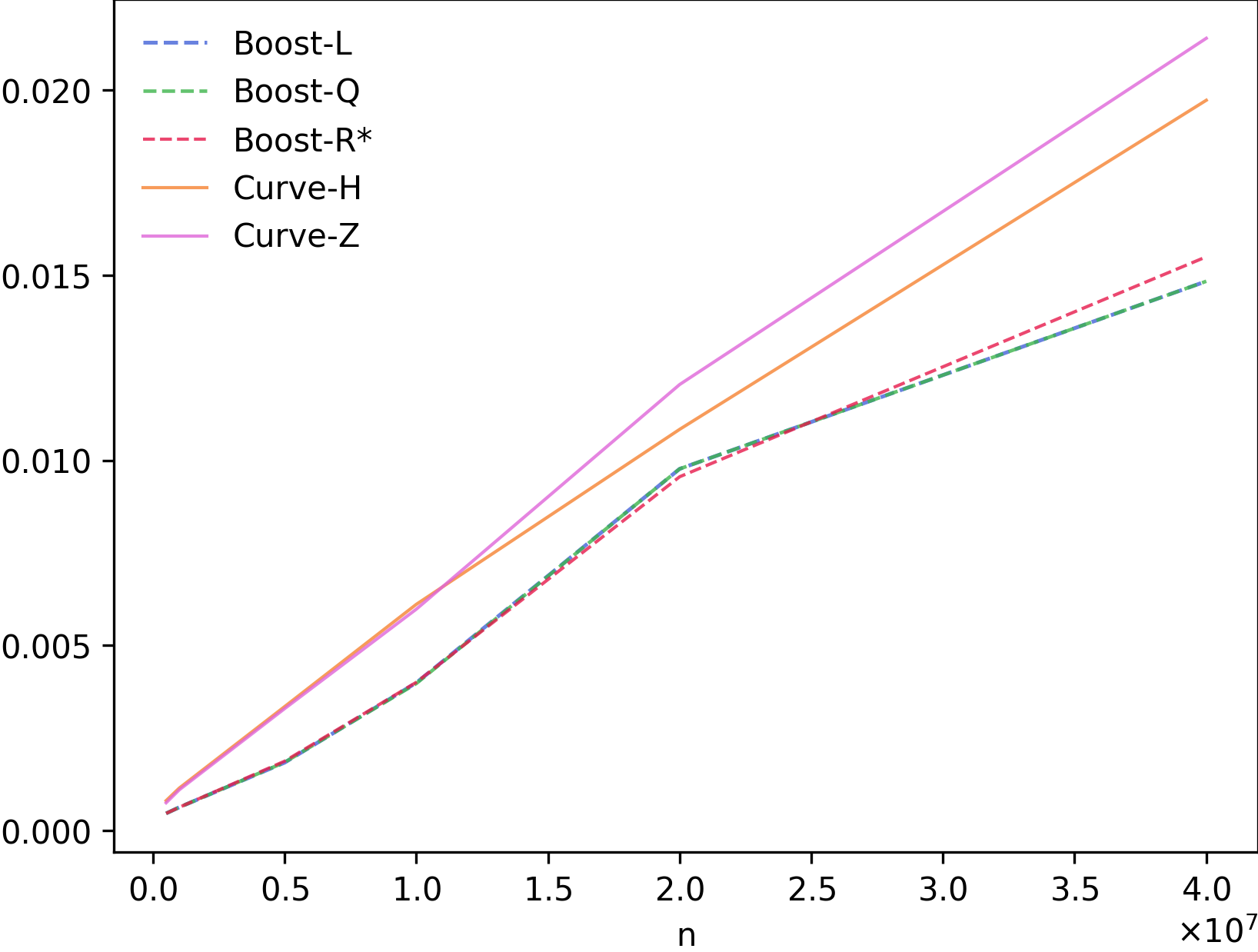 Figure 25
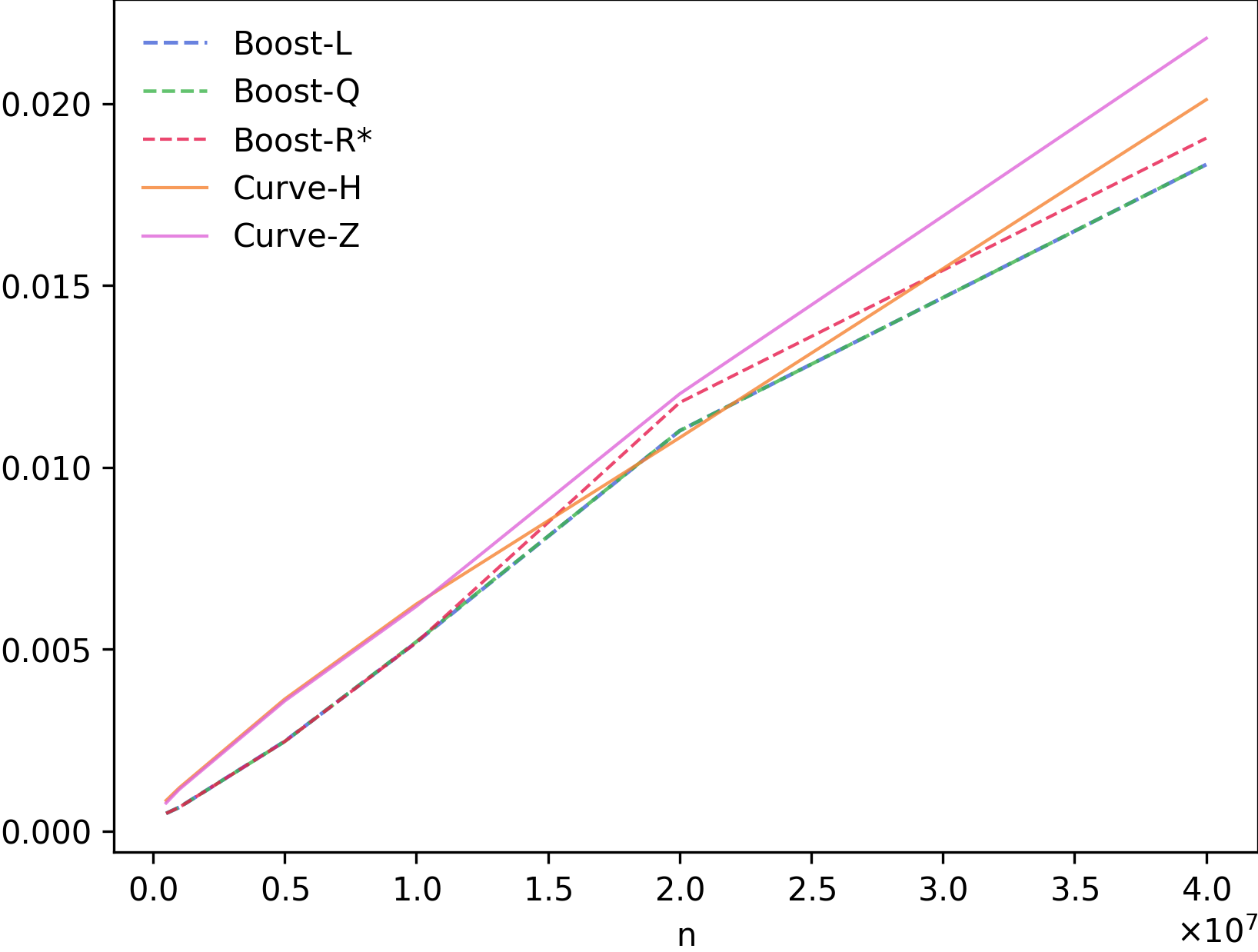 Figure 26
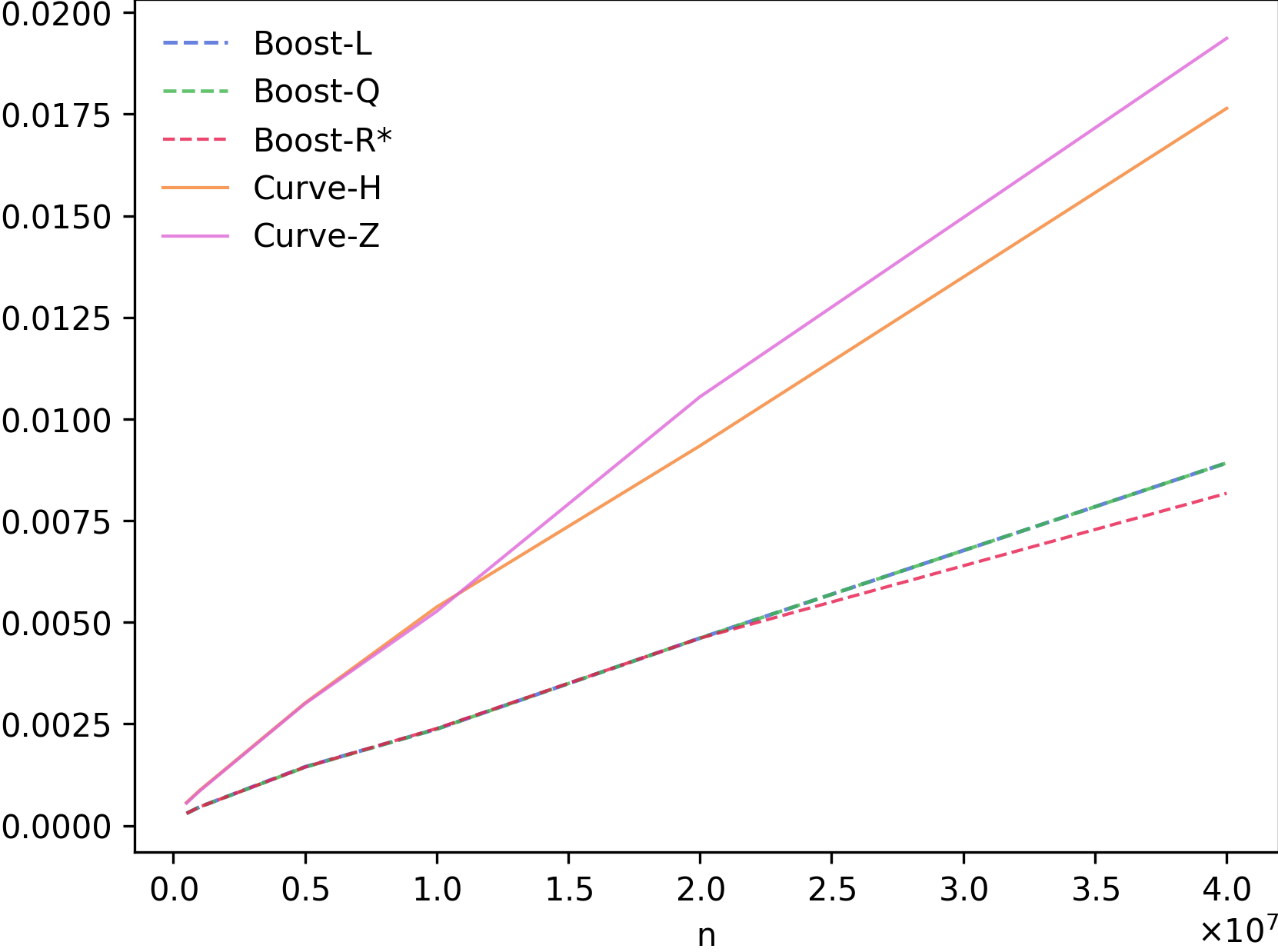 Figure 27
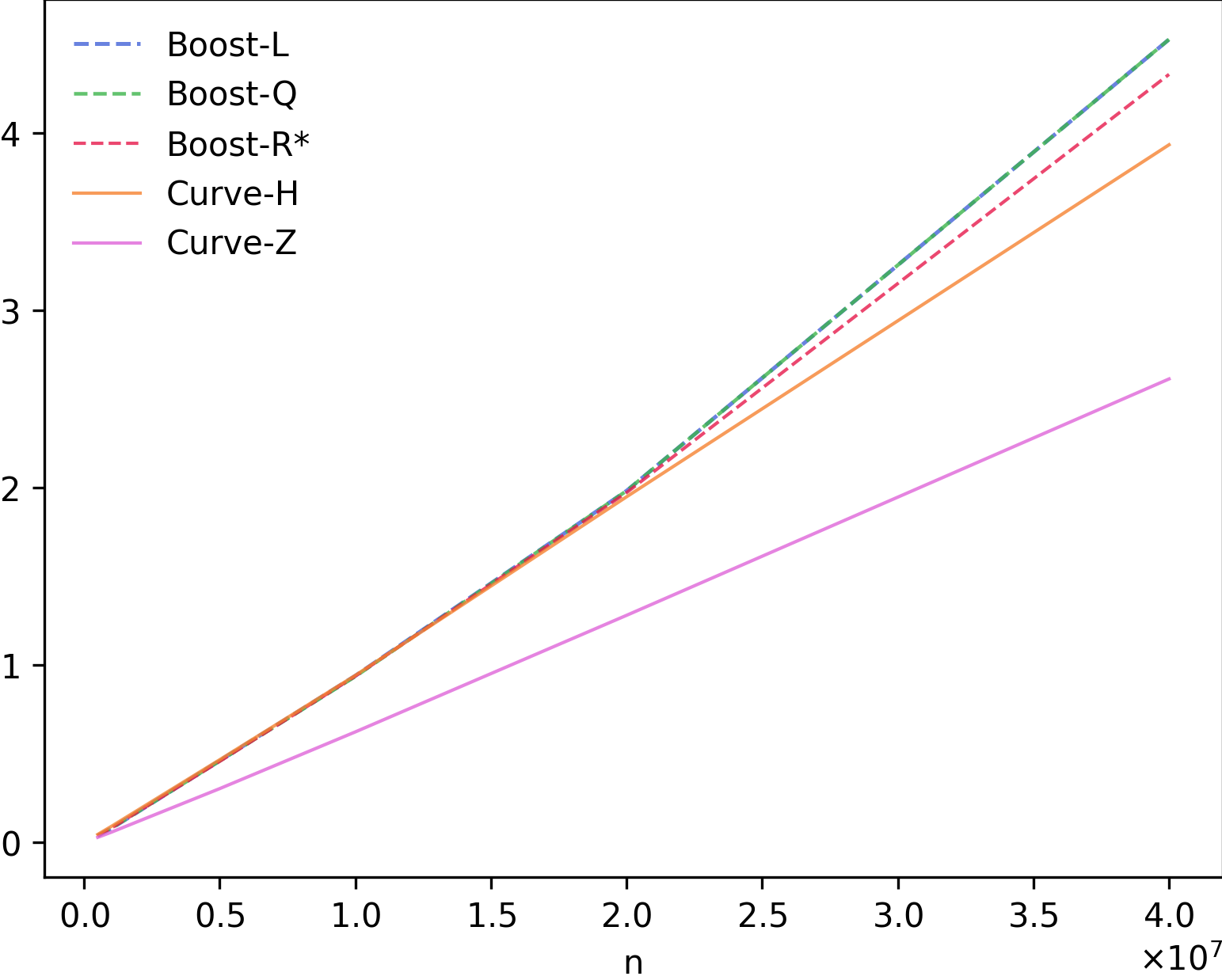 Figure 28
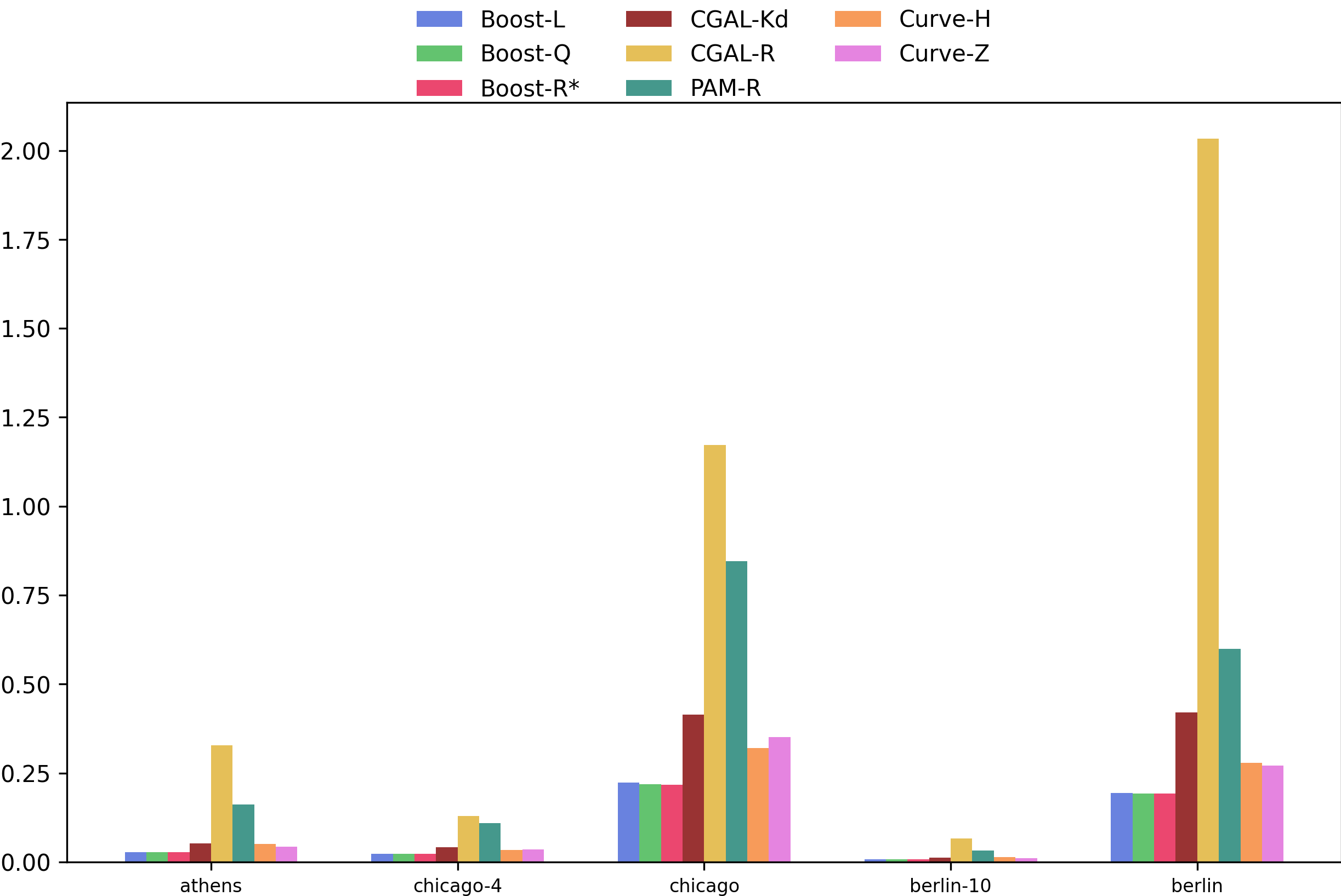 Figure 29
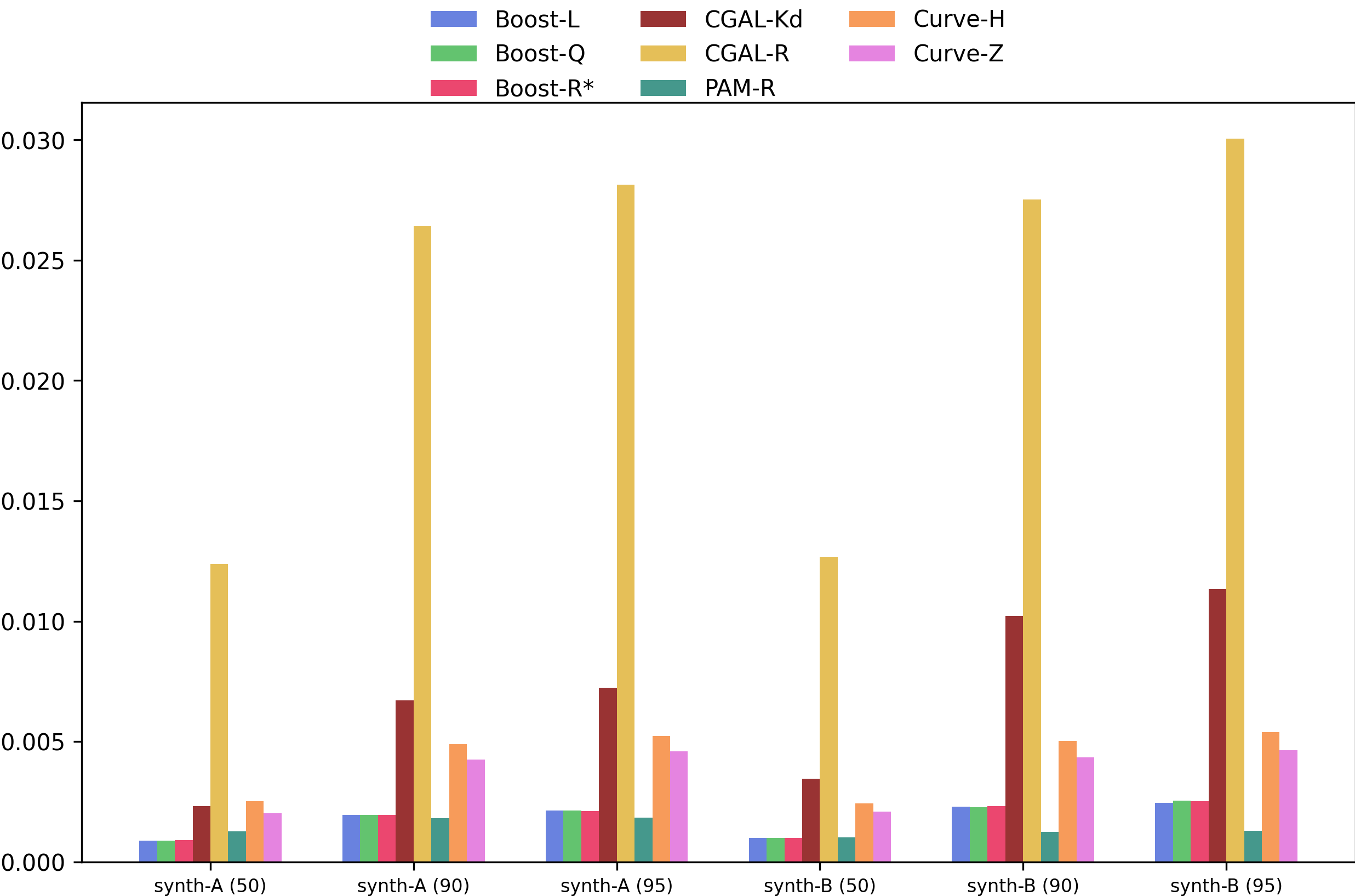 Figure 30
Peer Reviews
No public reviews on file for this paper yet. If you reviewed it on a platform where reviews are public (OpenReview, ICLR, NeurIPS, ICML), you can paste yours below so the community can read it here.
Videos
No videos yet. Explain this paper in a talk, walkthrough, or lecture? Add one.