A strategy with reduced models dedicated to parametrized nonlinear strongly coupled thermo-poroelasticity problems
Elise Foulatier (LMPS), David N\'eron (LMPS), Fran\c{c}ois Louf (LMPS), Pierre-Alain Boucard (LMPS)

TL;DR
This paper introduces a reduced-order modeling approach using the LATIN-PGD method for efficiently solving parametrized nonlinear strongly coupled thermo-poroelasticity problems, validated on benchmarks and industrial scenarios.
Contribution
It extends PGD-based reduced models to handle complex coupled thermo-poroelasticity problems with parameter variability and nonlinearities, improving computational efficiency.
Findings
The method performs well on standard benchmarks.
It significantly reduces computation time compared to naive approaches.
Effective for both academic and industrial applications.
Abstract
This paper offers an approach to deal with parametrized nonlinear strongly coupled thermo-poroelasticity problems. The approach uses the LATIN-PGD method and extends previous work in multiphysics problems. Proper Generalized Decomposition (PGD) allows the building of independent reduced-order bases for each physics. This point is particularly appropriate for thermo-poroelasticity problems whose physics present different dynamics. In parametrized problems dealing with material variability, a new computation is initialized with the result of a previous simulation to speed up the computation times. As a first step, the solver is validated on a standard benchmark in thermo-poroelasticity. The solver shows good performance even in the nonlinear frame. Then, the approach for parametrized problems is addressed on an academic problem and a more complex one, which is part of an industrial…
Click any figure to enlarge with its caption.
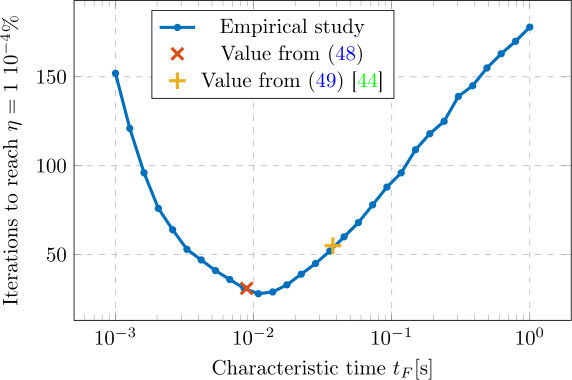 Figure 1
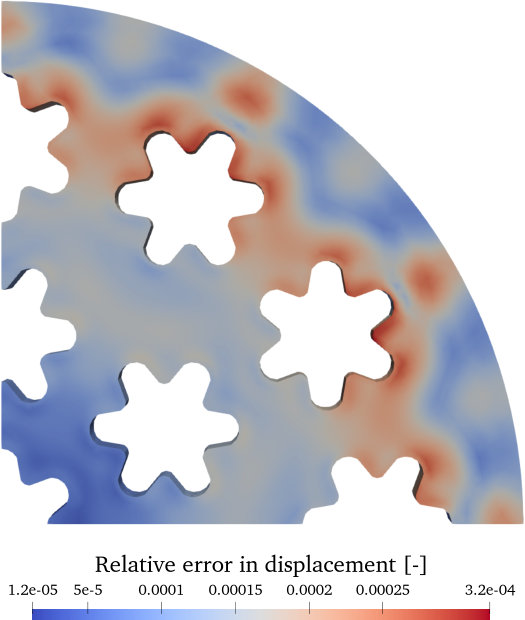 Figure 10
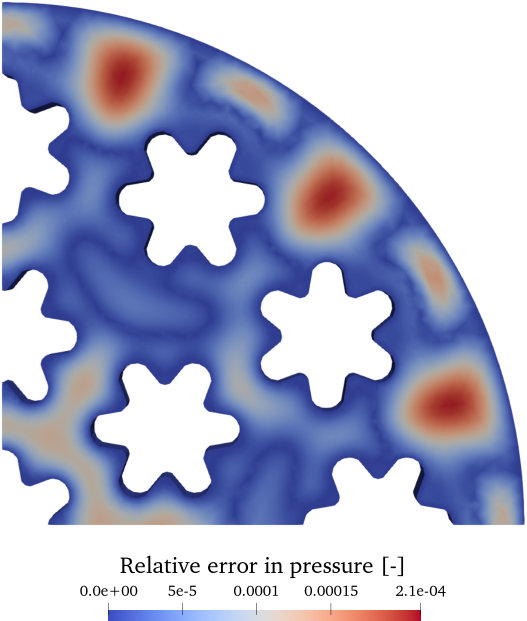 Figure 10
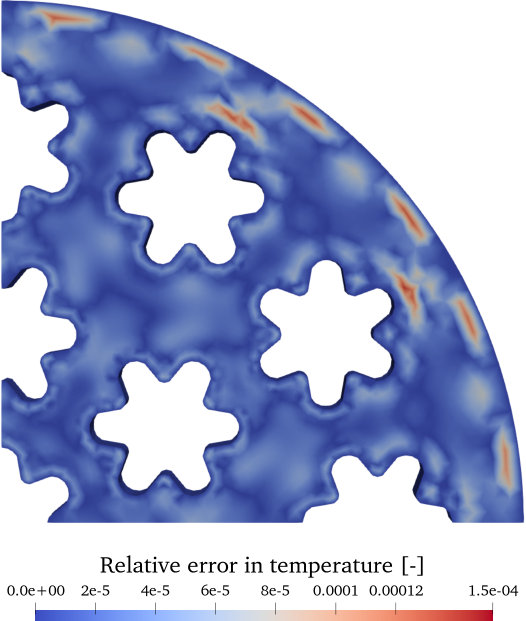 Figure 10
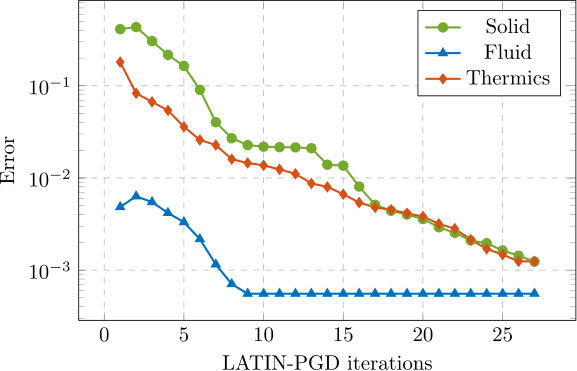 Figure 10
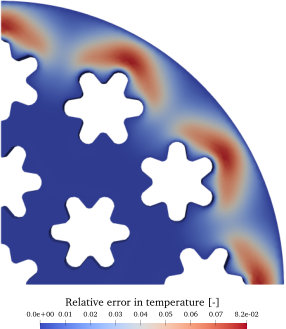 Figure 11
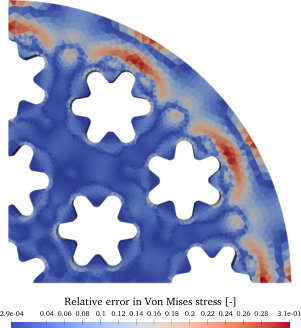 Figure 11
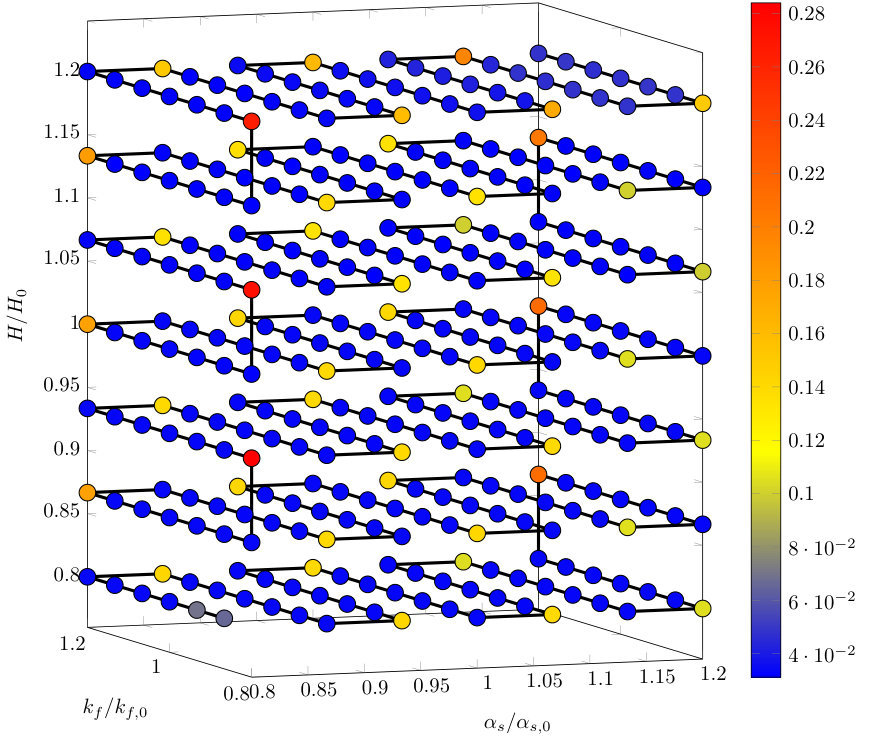 Figure 12
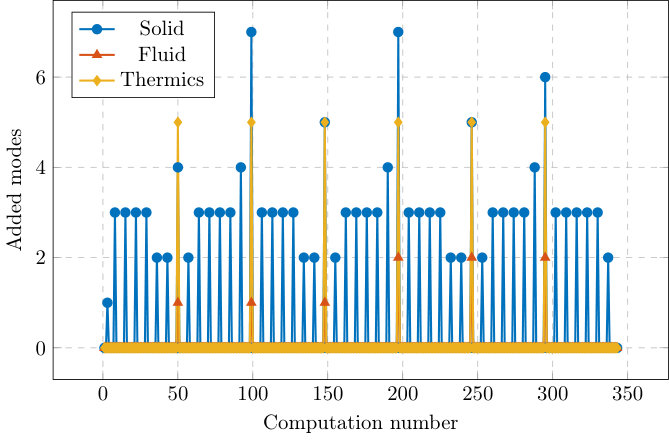 Figure 13
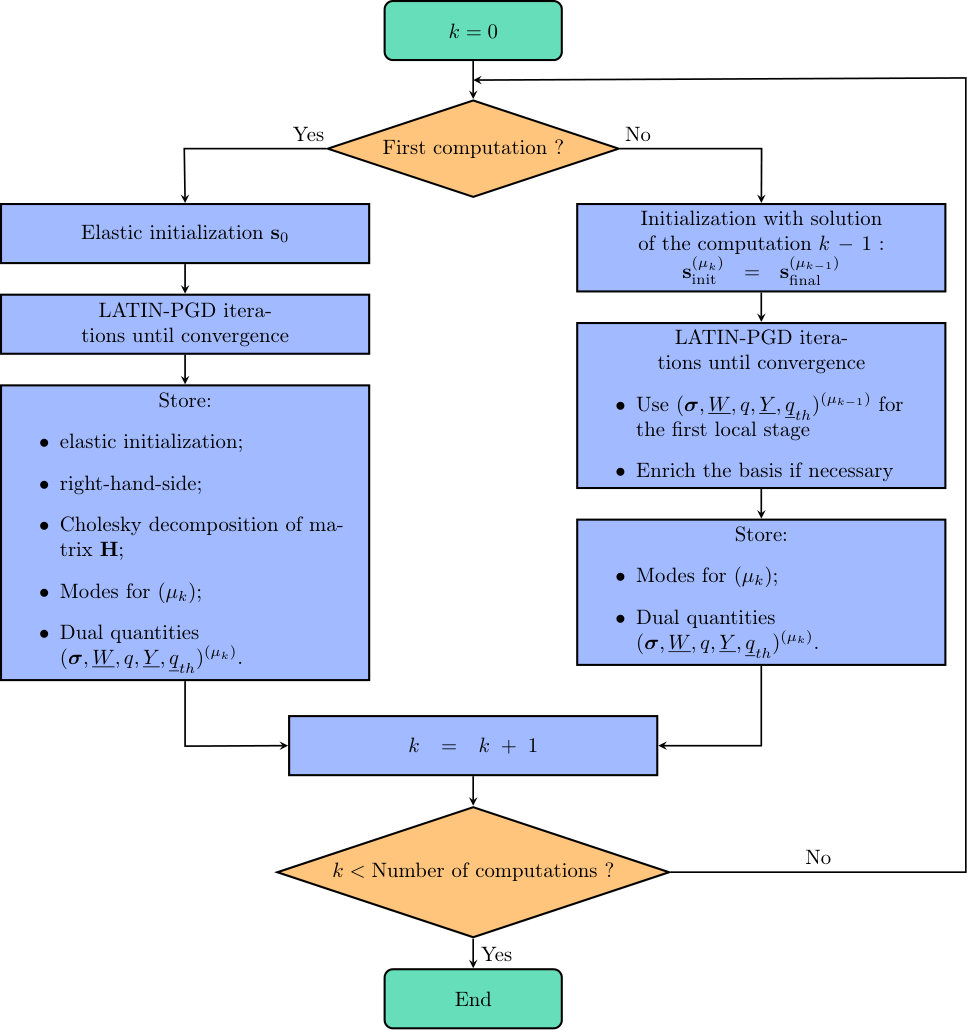 Figure 2
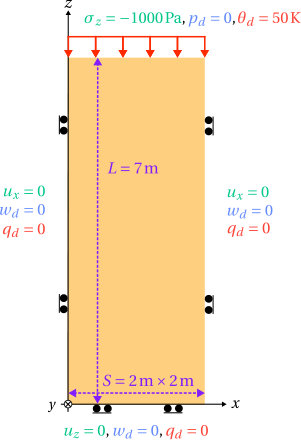 Figure 3
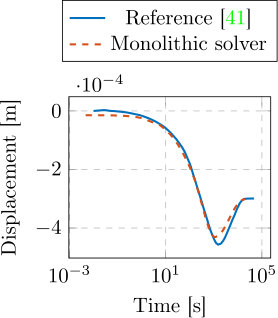 Figure 4
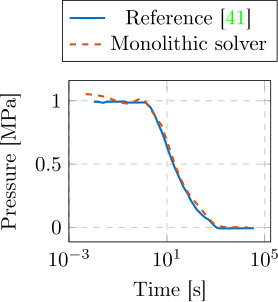 Figure 4
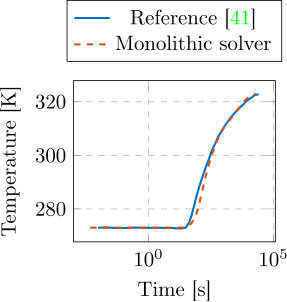 Figure 4
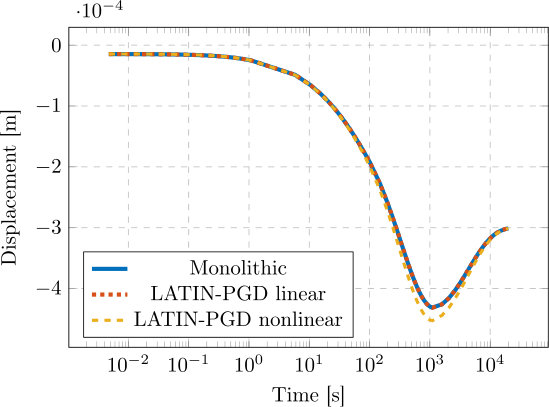 Figure 5
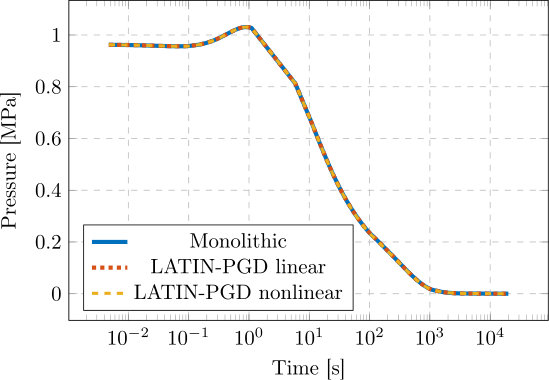 Figure 5
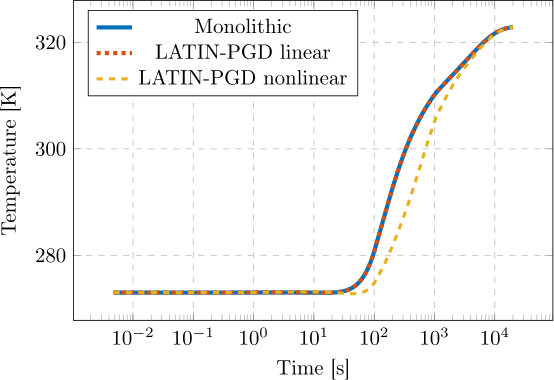 Figure 5
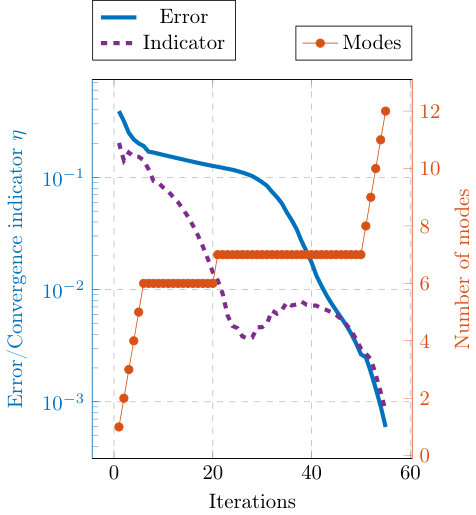 Figure 6
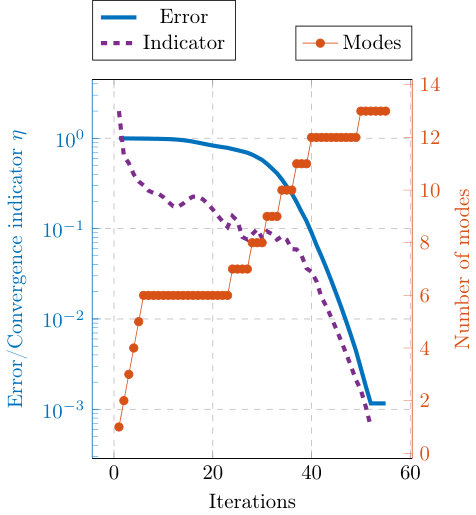 Figure 6
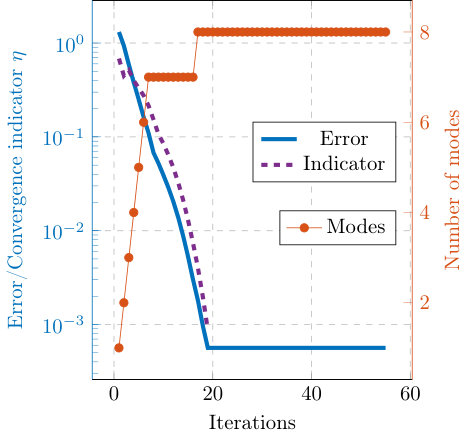 Figure 6
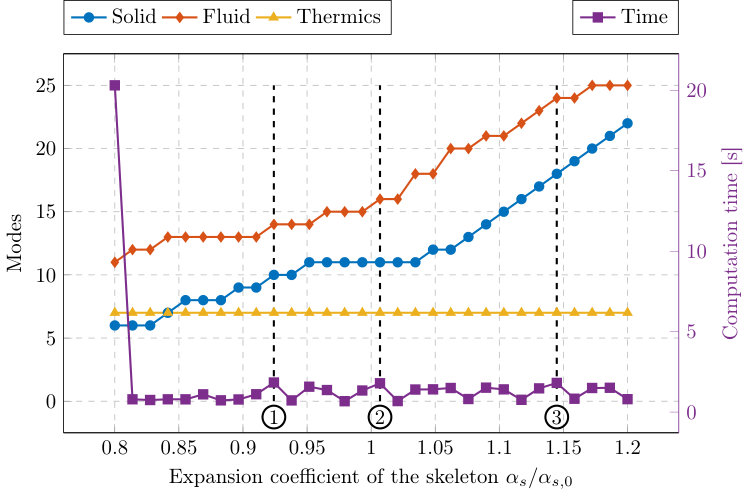 Figure 7
 Figure 8
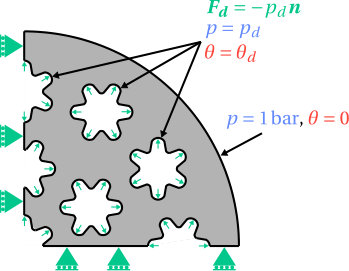 Figure 8
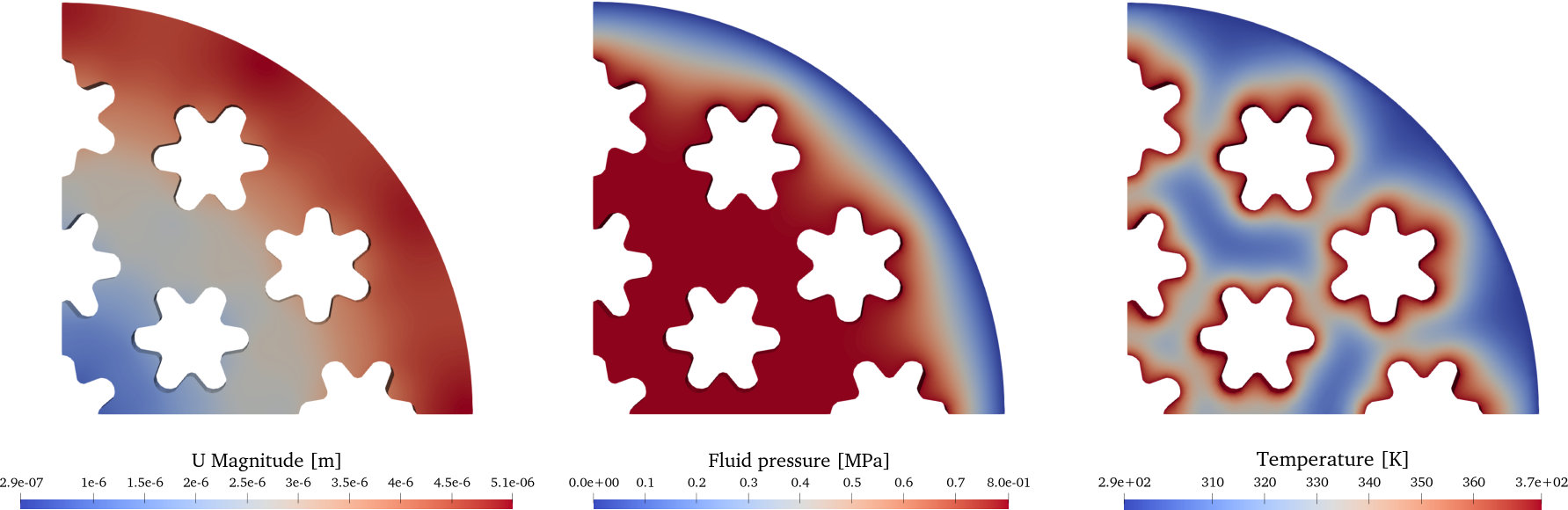 Figure 9
 Figure 25
Peer Reviews
No public reviews on file for this paper yet. If you reviewed it on a platform where reviews are public (OpenReview, ICLR, NeurIPS, ICML), you can paste yours below so the community can read it here.
Videos
No videos yet. Explain this paper in a talk, walkthrough, or lecture? Add one.