New Tools, Programming Models, and System Support for Processing-in-Memory Architectures
Geraldo F. Oliveira

TL;DR
This dissertation develops new tools, models, and system support to facilitate the adoption of processing-in-memory architectures, especially DRAM-based solutions, by addressing data movement, programmability, and latency challenges.
Contribution
It introduces four major innovations: a data movement characterization methodology, a hardware/software co-designed substrate for PUD, a runtime engine to reduce PUD latency, and a programming framework for PIM.
Findings
DAMOV characterizes memory bottlenecks and benchmarks data movement.
MIMDRAM improves programmability and flexibility of PUD architectures.
Proteus significantly reduces PUD operation latency through concurrency, data precision reduction, and adaptive algorithms.
Abstract
Our goal in this dissertation is to provide tools, programming models, and system support for PIM architectures (with a focus on DRAM-based solutions), to ease the adoption of PIM in current and future systems. To this end, we make at least four new major contributions. First, we introduce DAMOV, the first rigorous methodology to characterize memory-related data movement bottlenecks in modern workloads, and the first data movement benchmark suite. Second, we introduce MIMDRAM, a new hardware/software co-designed substrate that addresses the major current programmability and flexibility limitations of the bulk bitwise execution model of processing-using-DRAM (PUD) architectures. MIMDRAM enables the allocation and control of only the needed computing resources inside DRAM for PUD computing. Third, we introduce Proteus, the first hardware framework that addresses the high execution…
Click any figure to enlarge with its caption.
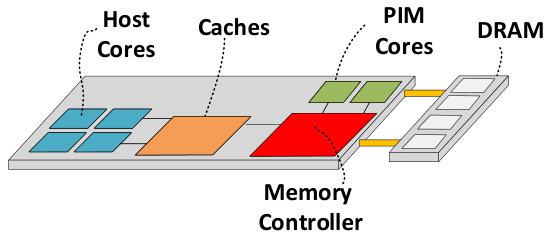 Figure 1
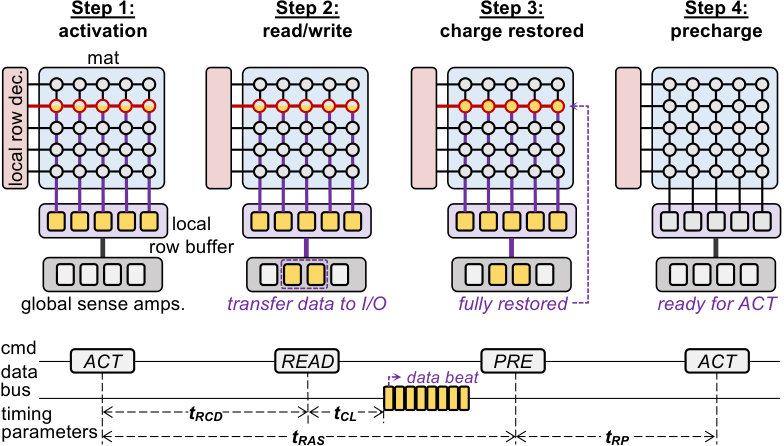 Figure 2
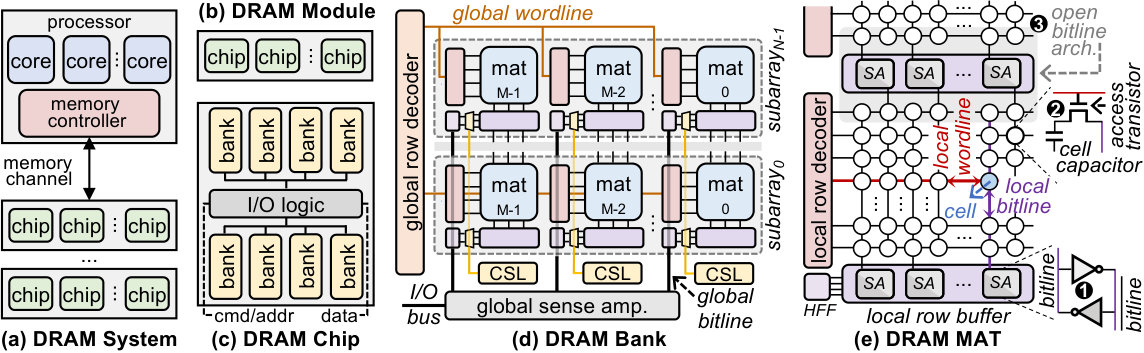 Figure 3
 Figure 4
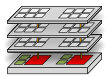 Figure 5
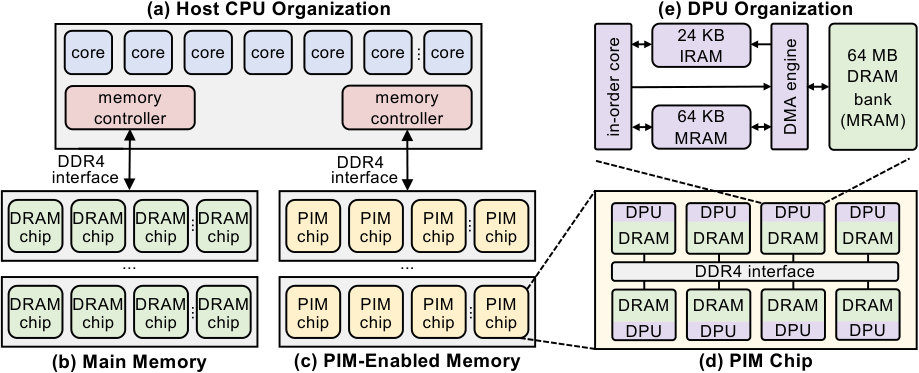 Figure 6
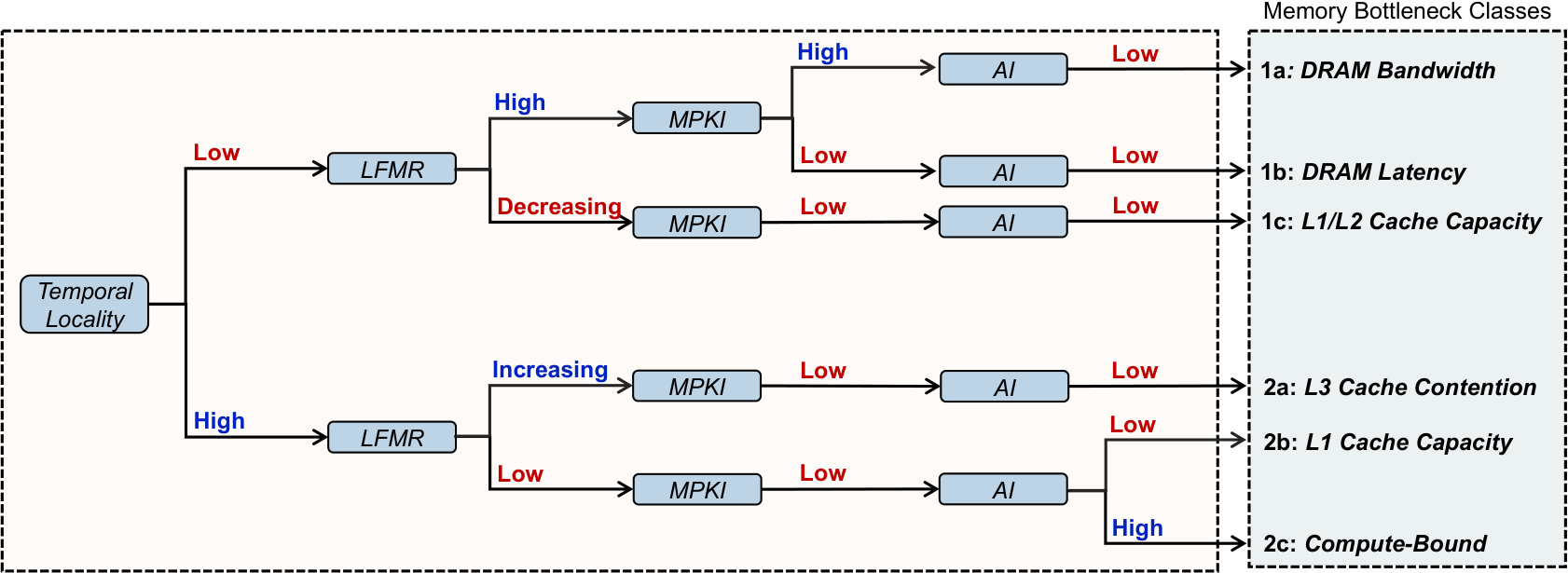 Figure 7
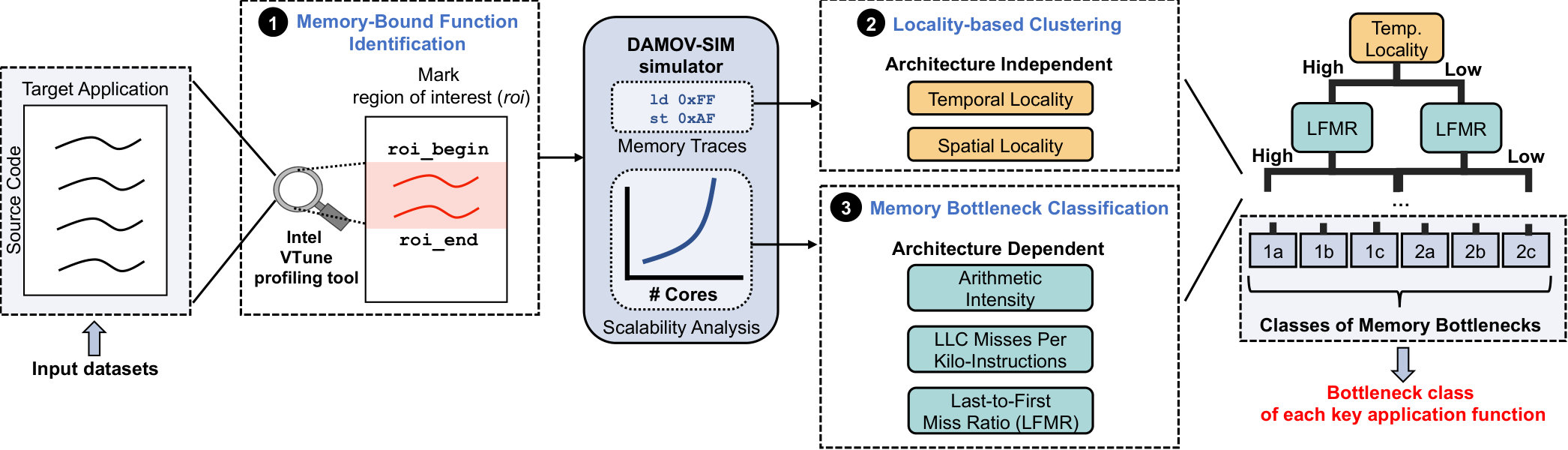 Figure 8
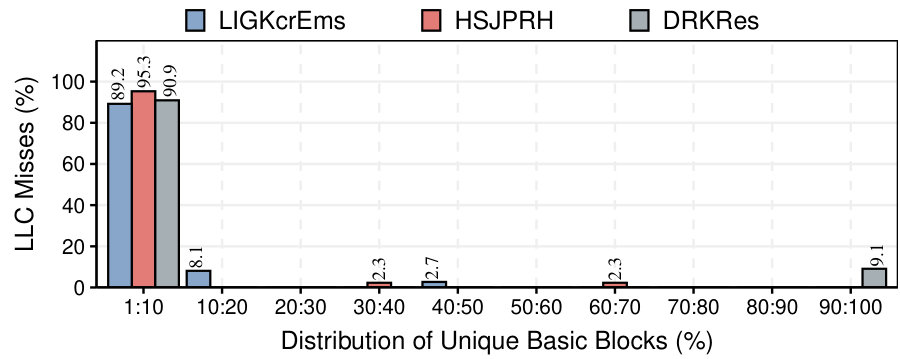 Figure 9
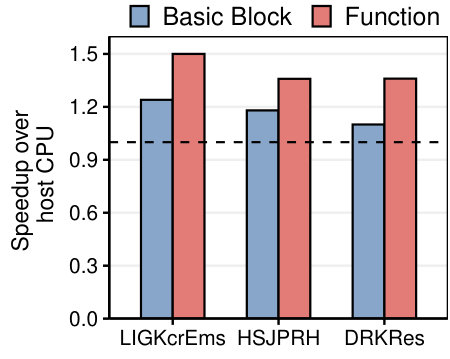 Figure 10
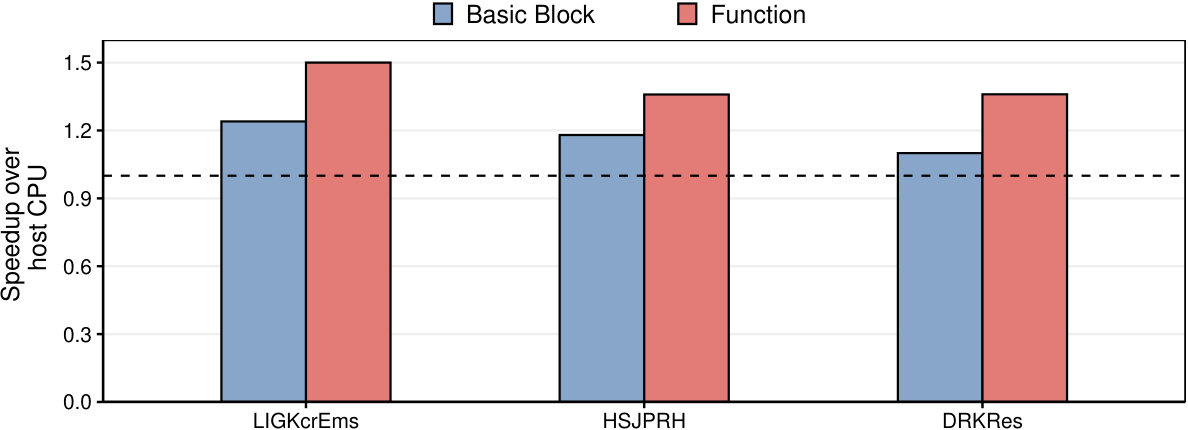 Figure 11
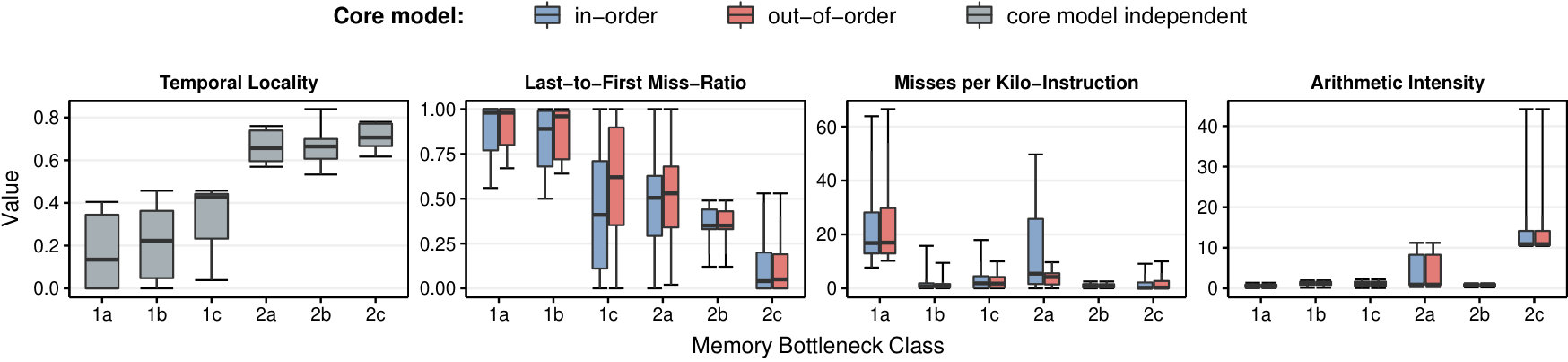 Figure 12
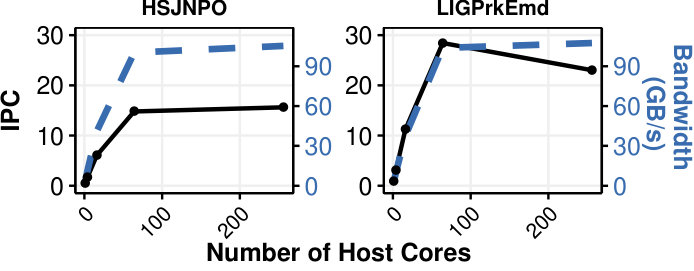 Figure 13
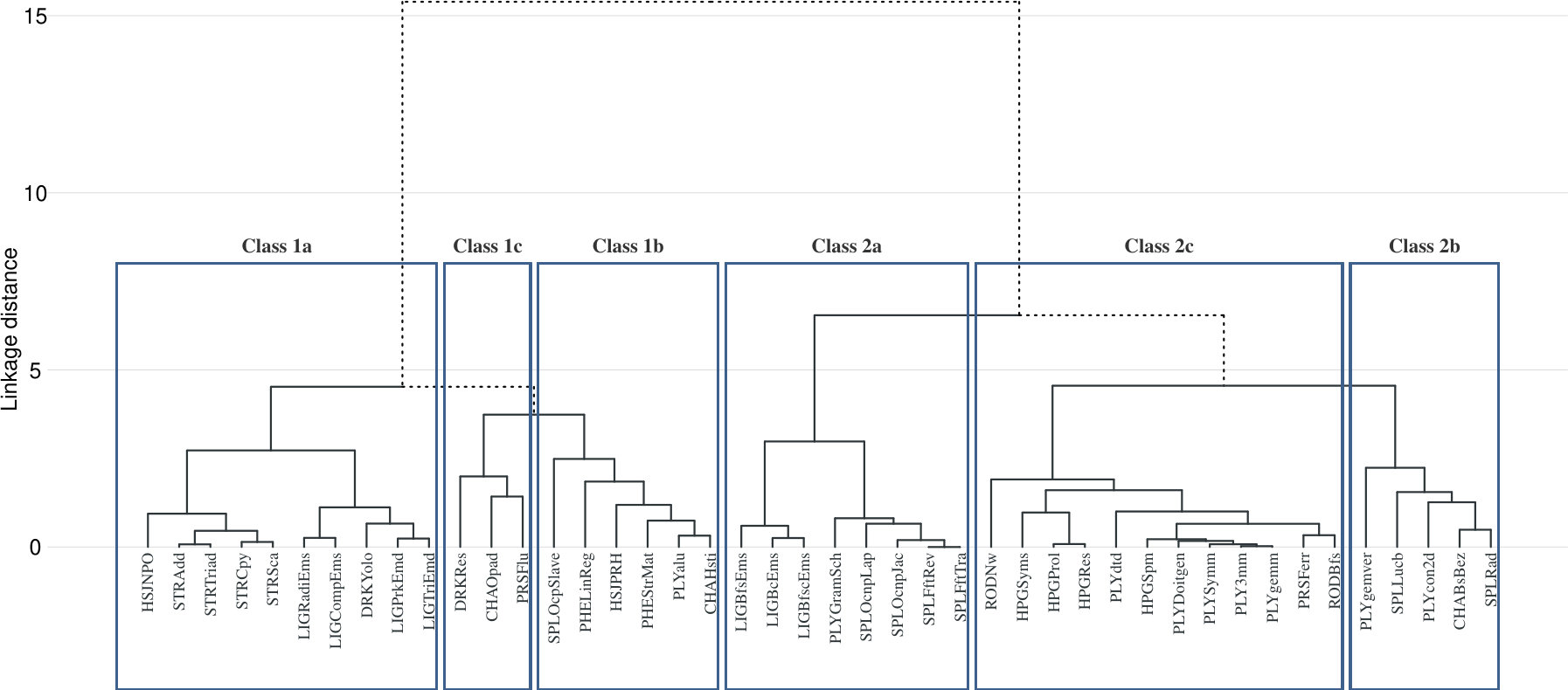 Figure 14
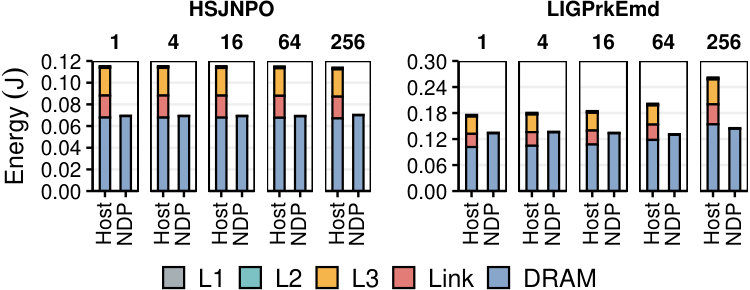 Figure 15
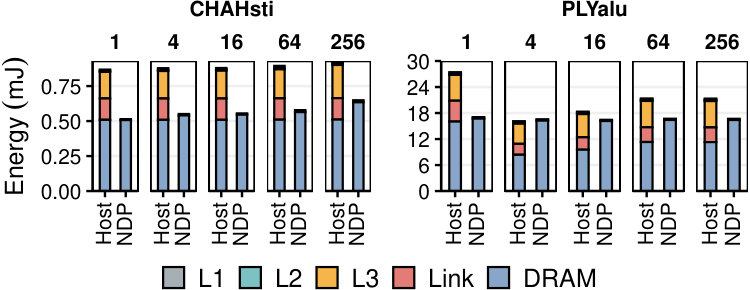 Figure 16
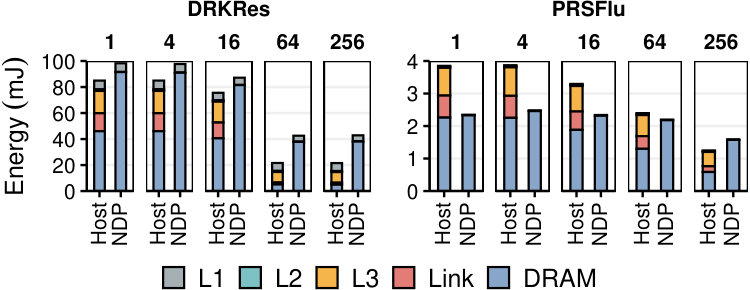 Figure 17
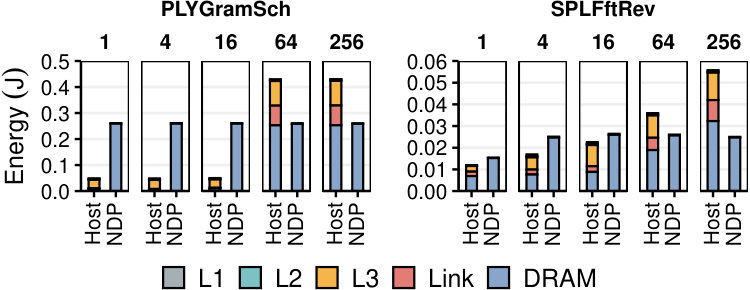 Figure 18
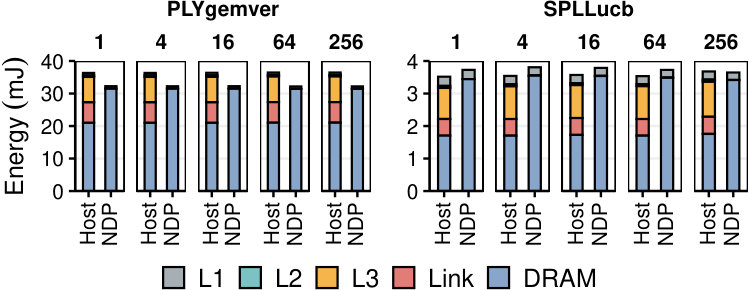 Figure 19
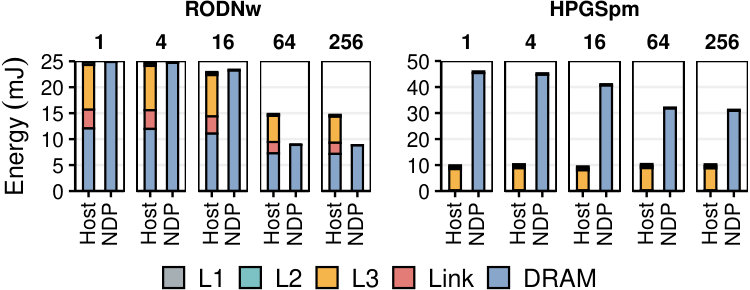 Figure 20
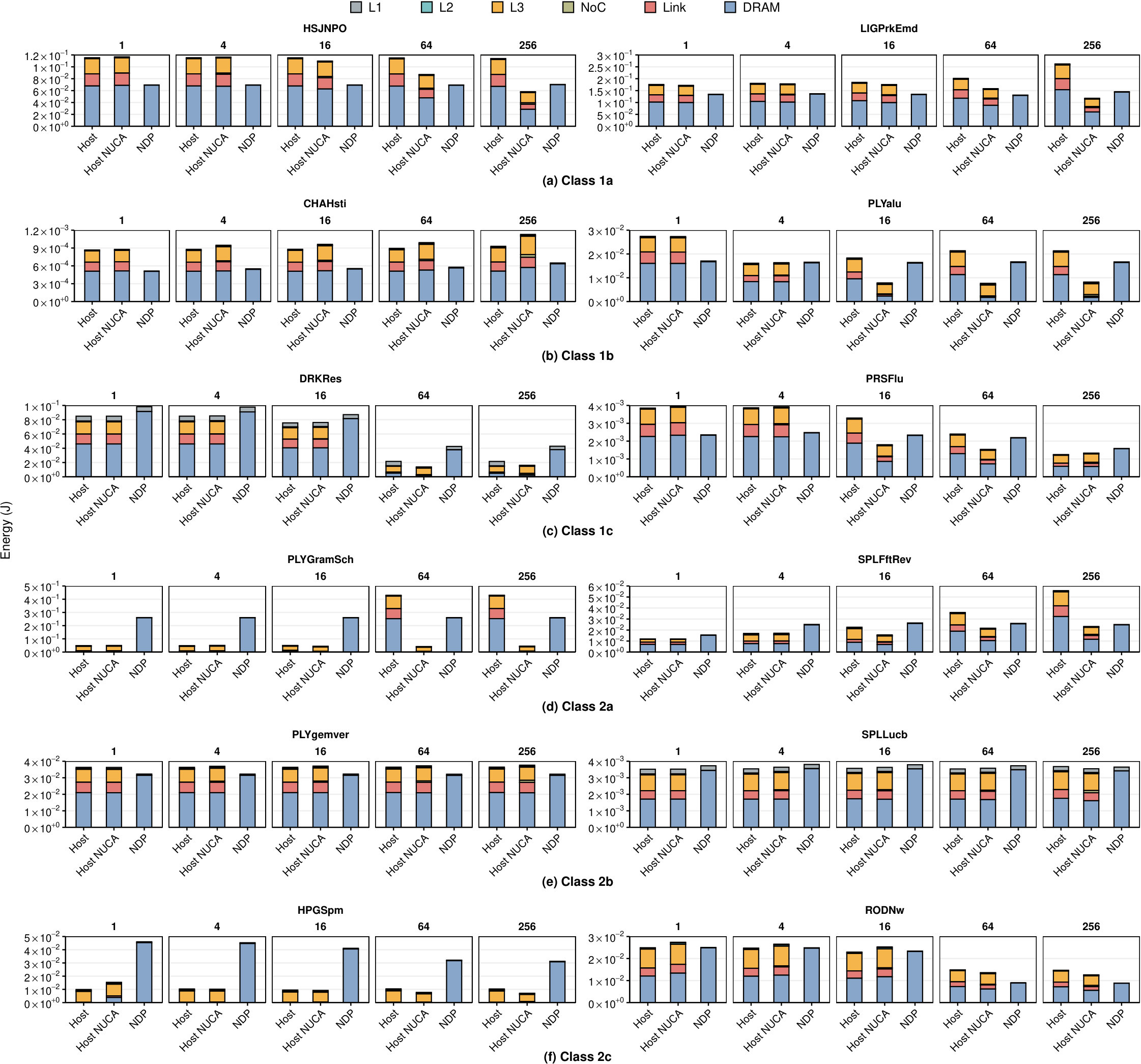 Figure 21
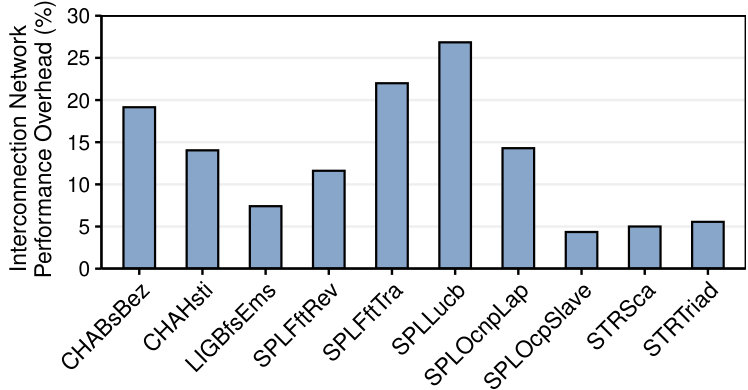 Figure 22
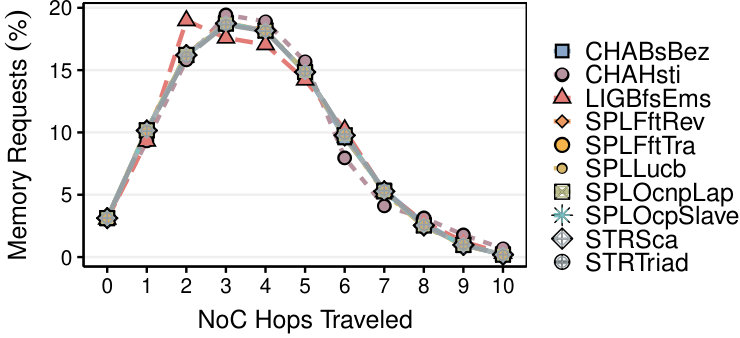 Figure 23
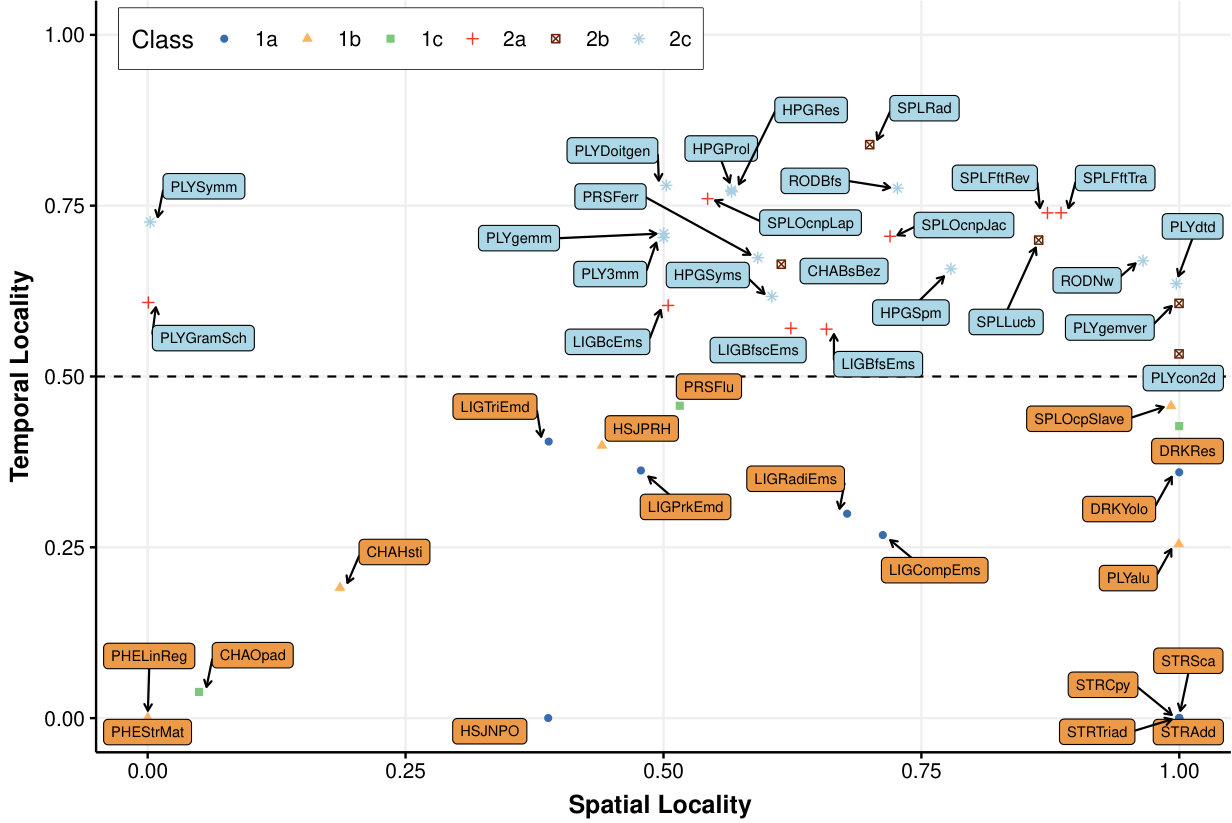 Figure 24
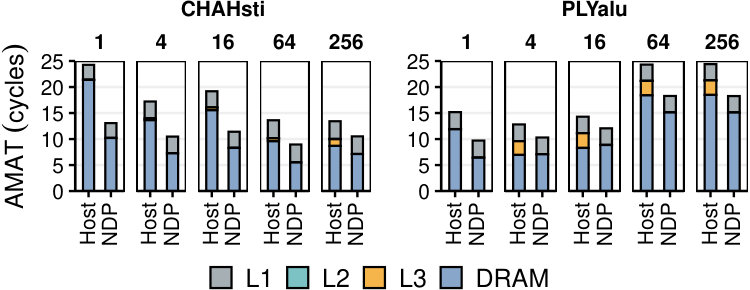 Figure 25
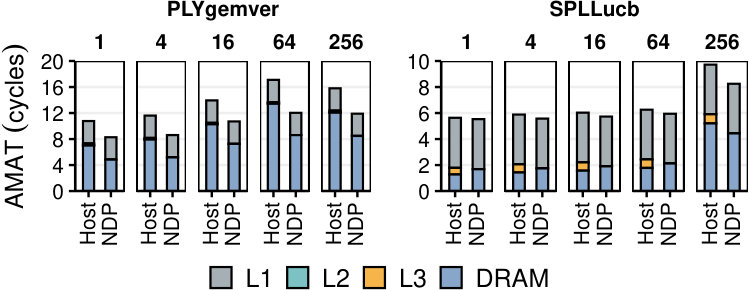 Figure 26
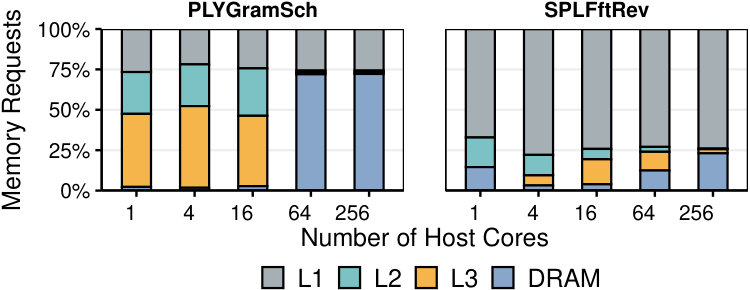 Figure 27
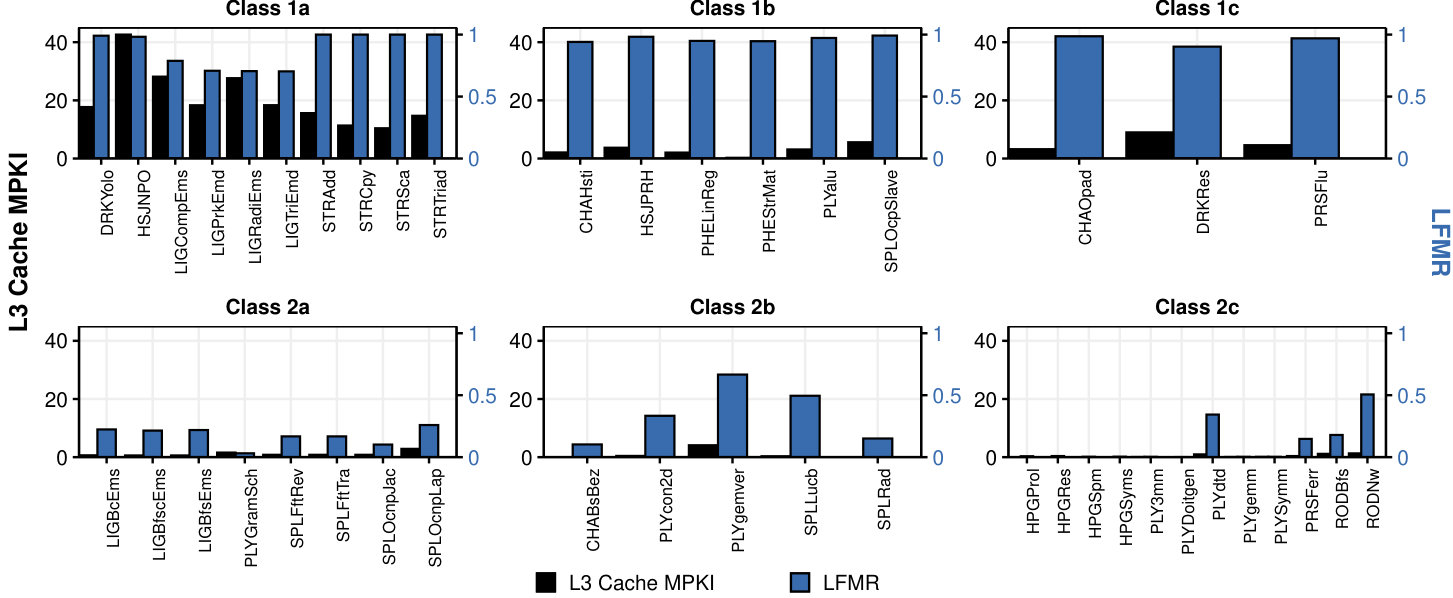 Figure 28
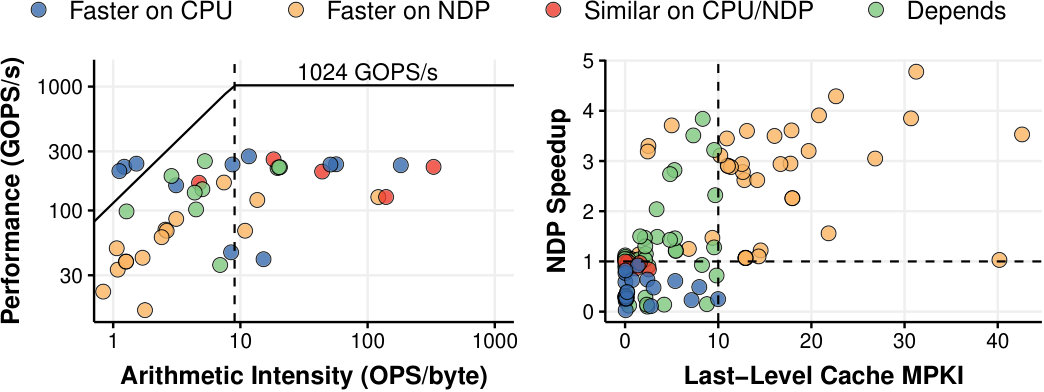 Figure 29
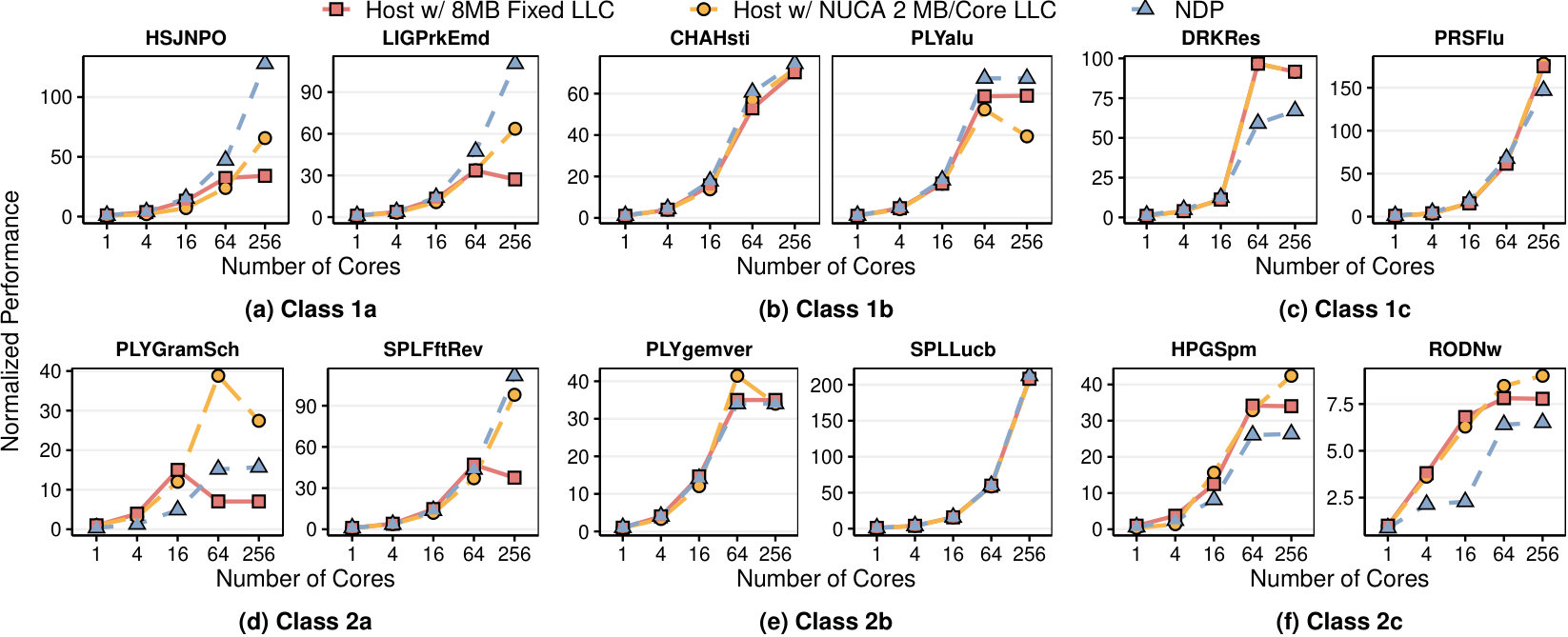 Figure 30
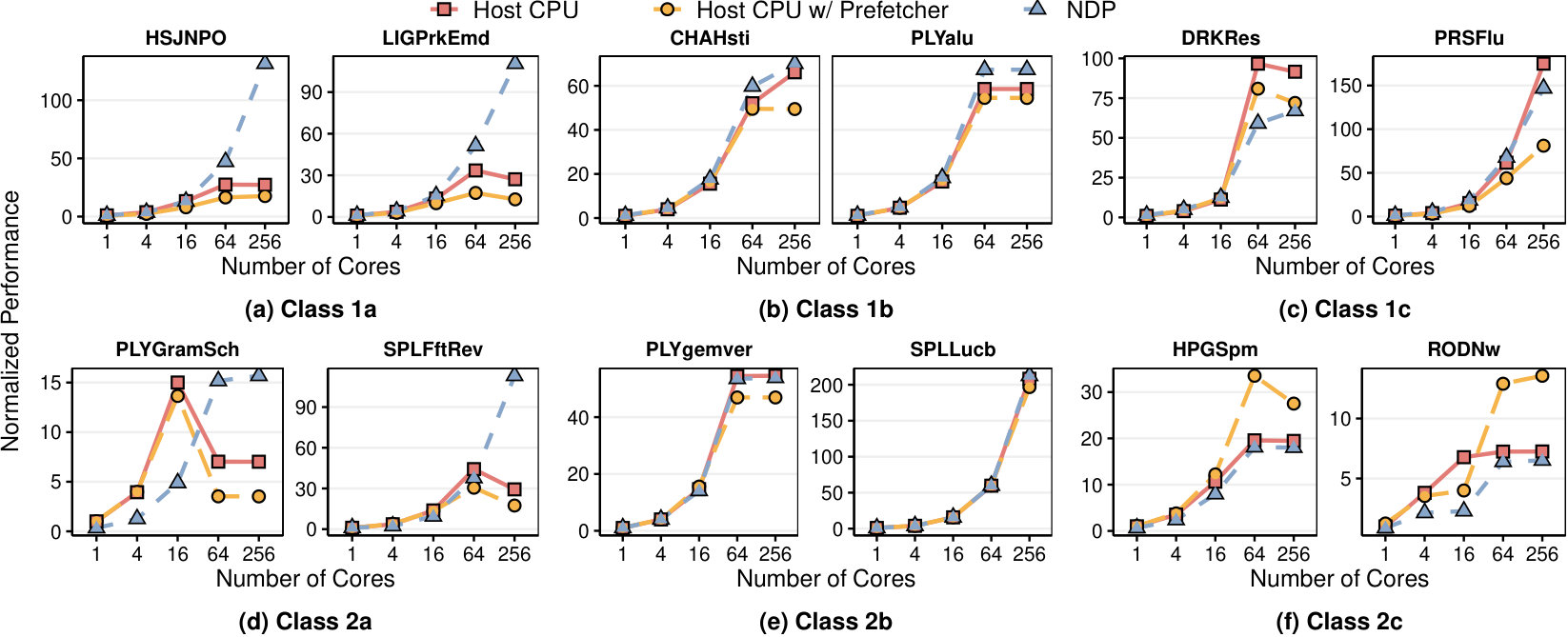 Figure 31
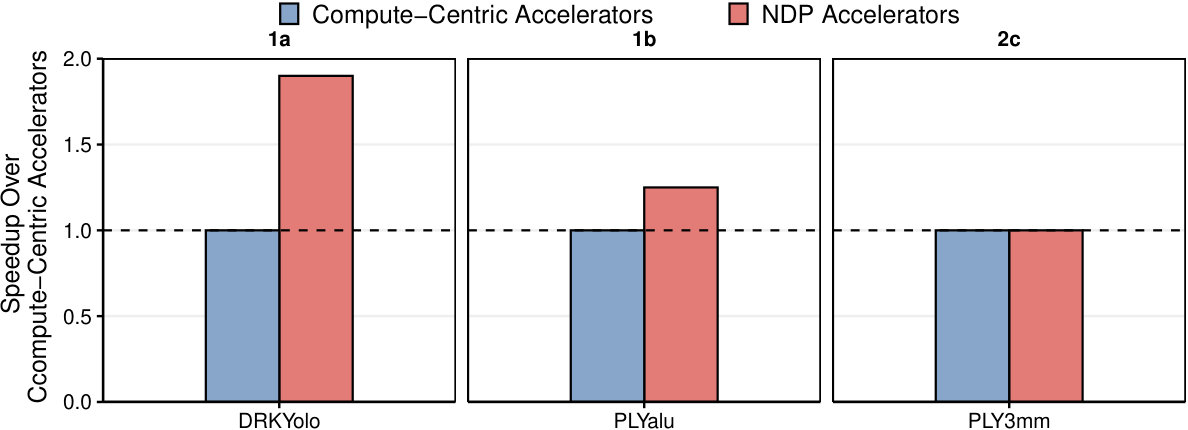 Figure 32
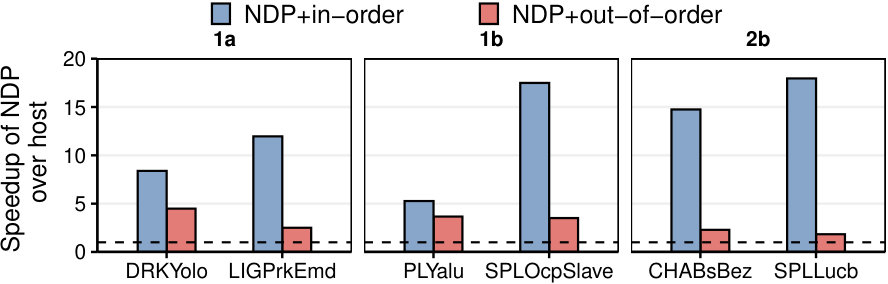 Figure 33
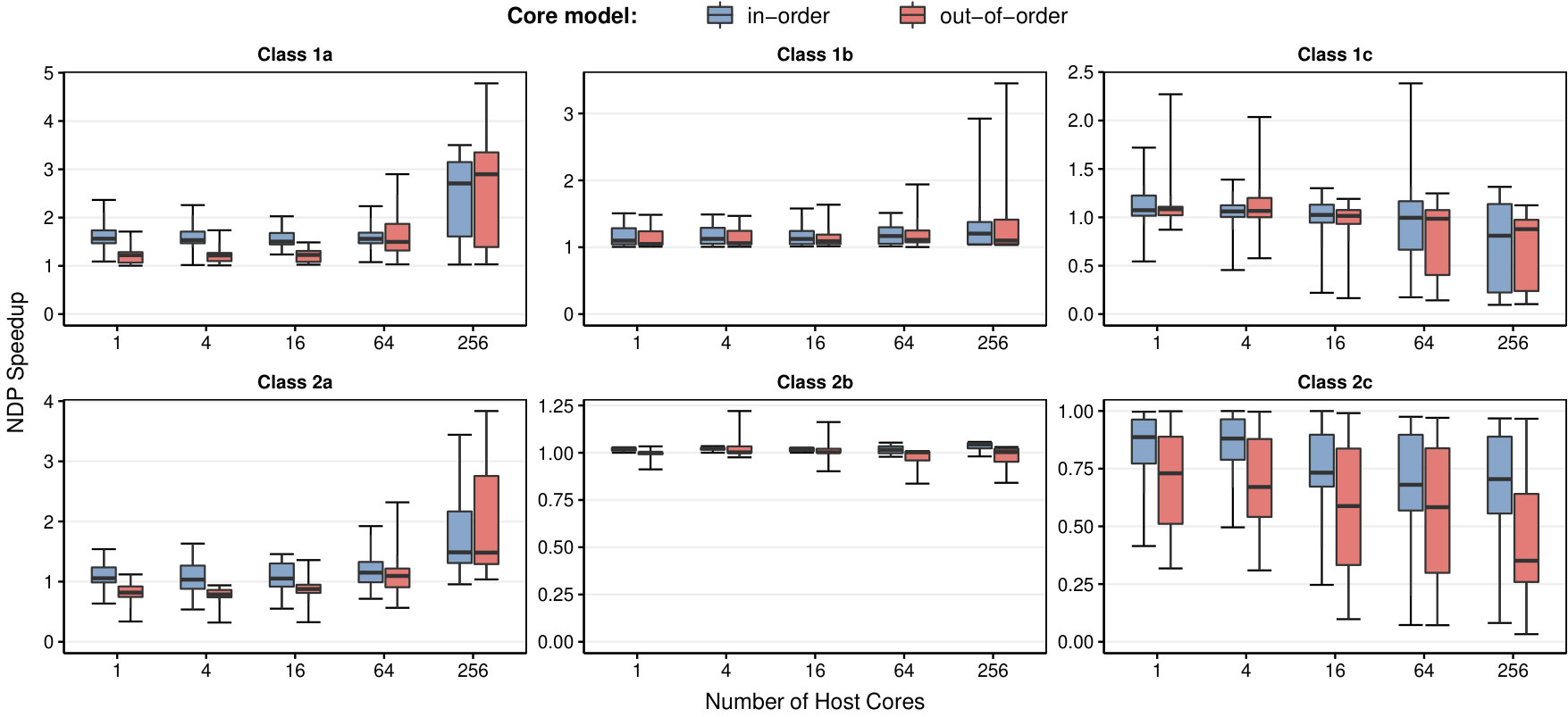 Figure 34
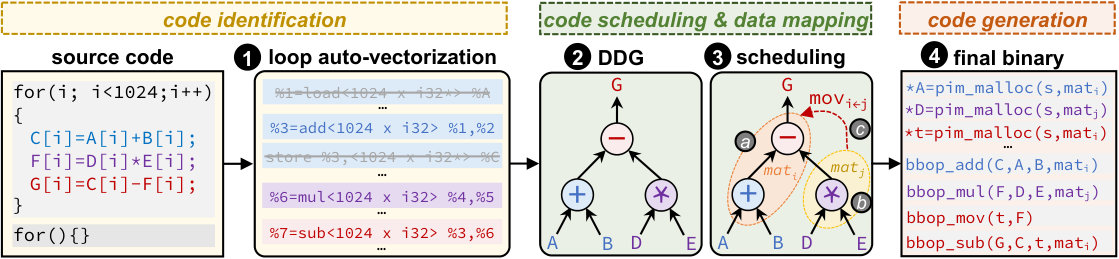 Figure 35
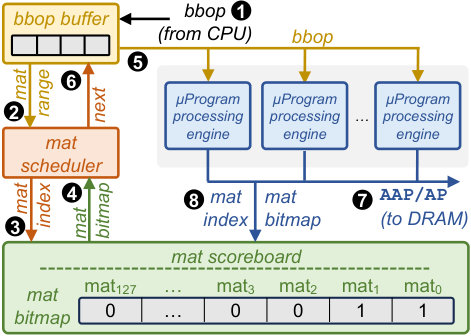 Figure 36
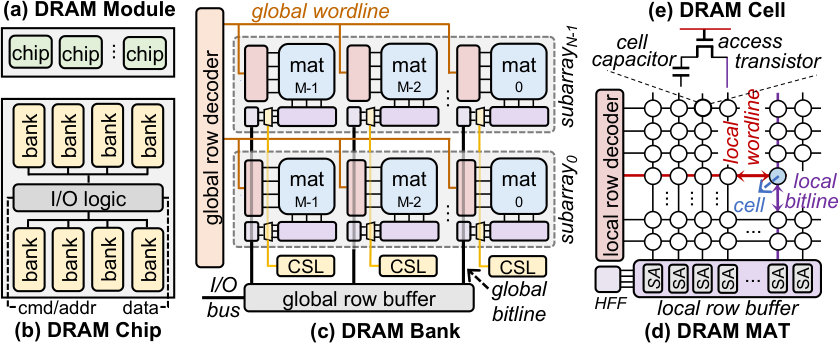 Figure 37
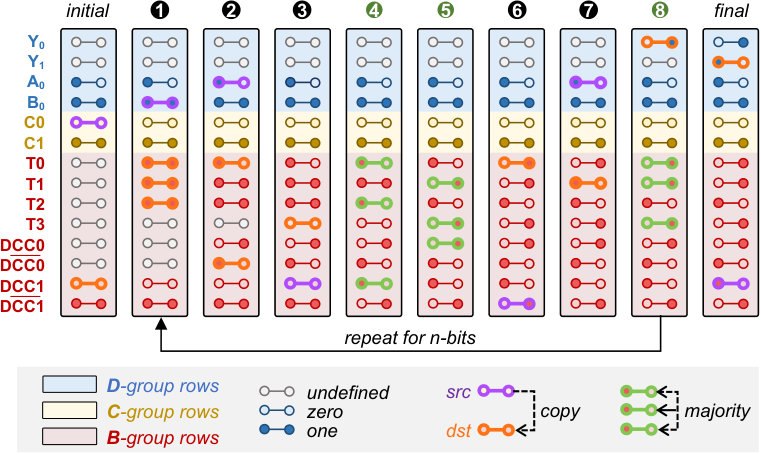 Figure 38
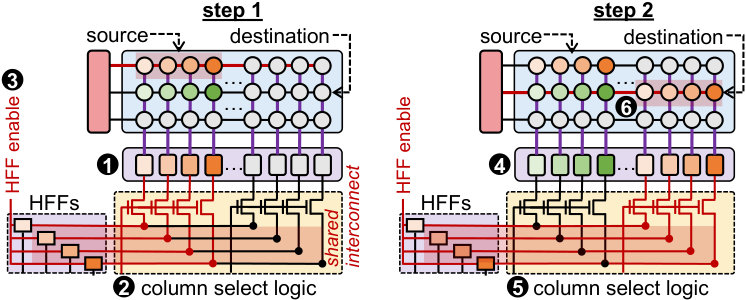 Figure 39
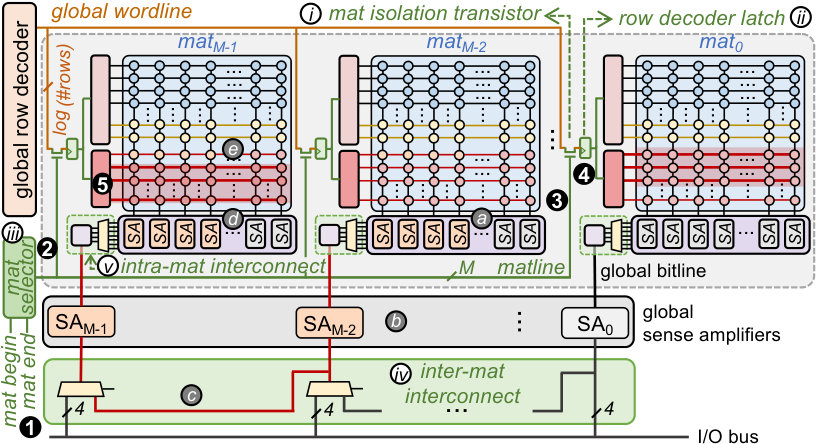 Figure 40
Peer Reviews
No public reviews on file for this paper yet. If you reviewed it on a platform where reviews are public (OpenReview, ICLR, NeurIPS, ICML), you can paste yours below so the community can read it here.
Videos
No videos yet. Explain this paper in a talk, walkthrough, or lecture? Add one.