The performance wall of parallelized sequential computing: the dark performance and the roofline of performance gain
J\'anos V\'egh

TL;DR
This paper investigates the upper limits of performance in parallelized sequential computing, highlighting the existence of a 'dark performance' analogous to 'dark silicon,' and discusses the technological and paradigm barriers to further gains.
Contribution
It introduces the concept of 'dark performance' in parallel systems and analyzes the practical upper bounds of performance, emphasizing paradigm and technology limitations.
Findings
Theoretical upper bounds are practically achieved in current systems.
Dark performance persists in parallel systems, limiting further gains.
Main obstacles are paradigm and implementation technology constraints.
Abstract
The computing performance today is developing mainly using parallelized sequential computing, in many forms. The paper scrutinizes whether the performance of that type of computing has an upper limit. The simple considerations point out that the theoretically possible upper bound is practically achieved, and that the main obstacle to step further is the presently used computing paradigm and implementation technology. In addition to the former "walls", also the "performance wall" must be considered. As the paper points out, similarly to the "dark silicon", also the "dark performance" is always present in the parallelized many-processor systems.
Click any figure to enlarge with its caption.
 Figure 1
 Figure 2
 Figure 3
 Figure 4
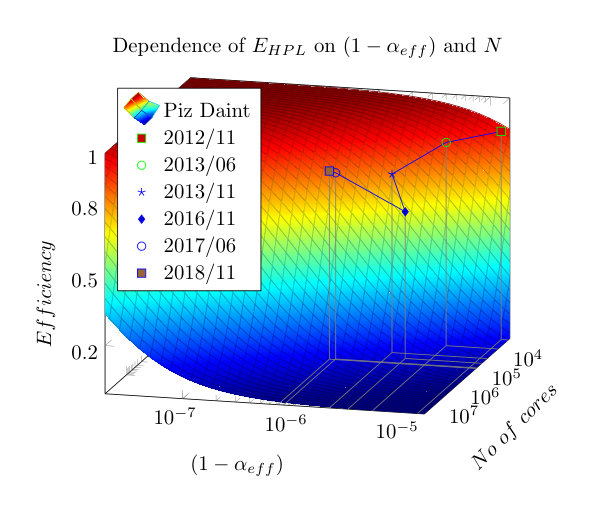 Figure 5
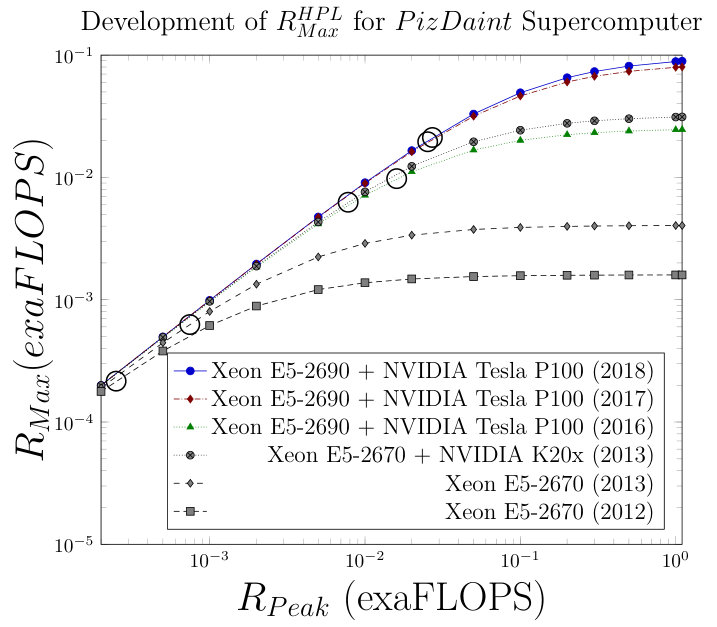 Figure 6
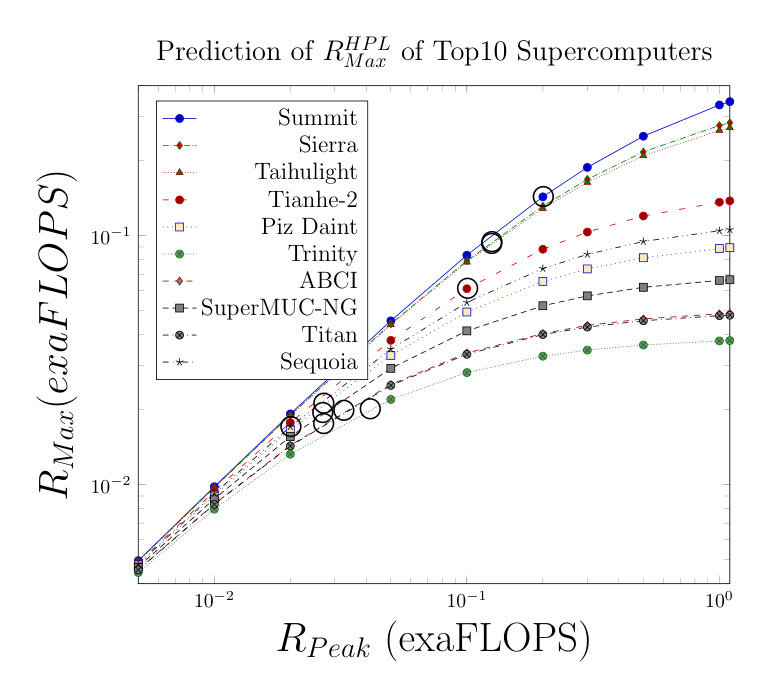 Figure 7
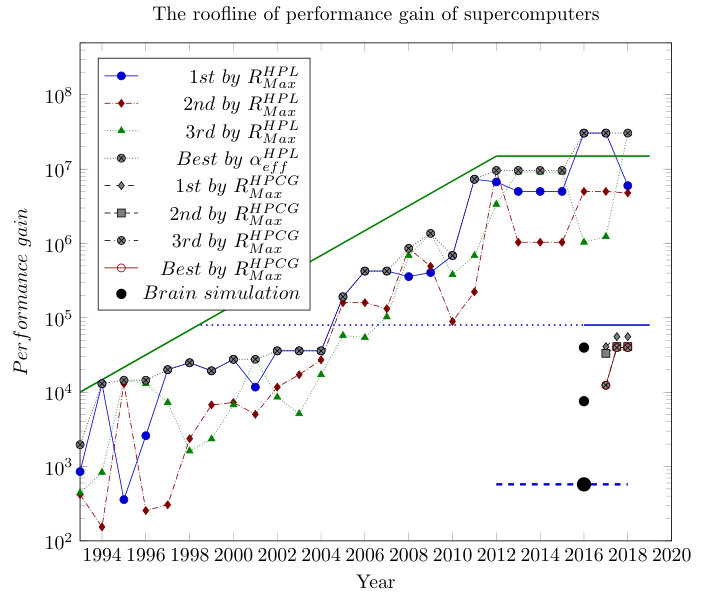 Figure 8
 Figure 9
 Figure 10
 Figure 11
 Figure 12
 Figure 13
 Figure 14
Peer Reviews
No public reviews on file for this paper yet. If you reviewed it on a platform where reviews are public (OpenReview, ICLR, NeurIPS, ICML), you can paste yours below so the community can read it here.
Videos
No videos yet. Explain this paper in a talk, walkthrough, or lecture? Add one.
Taxonomy
TopicsParallel Computing and Optimization Techniques · Distributed and Parallel Computing Systems · Cloud Computing and Resource Management