The $Z_3$ symmetric I(2+1)HDM
A. Aranda, D. Hern\'andez-Otero, J. Hern\'andez-S\'anchez, V. Keus, S., Moretti, D. Rojas-Ciofalo, T. Shindou

TL;DR
This paper proposes a novel 3-Higgs Doublet Model with a $Z_3$ symmetry, introducing Hermaphrodite Dark Matter with two degenerate states, and demonstrates its consistency with current experimental constraints and relic density observations.
Contribution
It introduces the I(2+1)HDM with $Z_3$ symmetry, featuring Hermaphrodite DM with two degenerate states, and analyzes its phenomenological viability.
Findings
The model yields two mass-degenerate CP-opposite dark matter states.
Relic density contributions of both states are equal and match observed values.
The model is consistent with LHC Higgs measurements, EWPOs, and collider searches.
Abstract
We introduce a 3-Higgs Doublet Model (3HDM) with two Inert (or dark) scalar doublets and an active Higgs one, hence termed I(2+1)HDM, in the presence of a discrete symmetry acting upon the three doublet fields. We show that such a construct yields a Dark Matter (DM) sector with two mass-degenerate states of opposite CP parity, both of which contribute to DM dynamics, which we call \textit{Hermaphrodite DM}, distinguishable from a (single) complex DM candidate. We show that the relic density contributions of both states are equal, saturating the observed relic density compliant with (in)direct searches for DM as well as other experimental data impinging on both the dark and Higgs sectors of the model, chiefly, in the form of Electro-Weak Precision Observables (EWPOs), Standard Model (SM)-like Higgs boson measurements at the Large Hadron Collider (LHC) and void searches for…
Click any figure to enlarge with its caption.
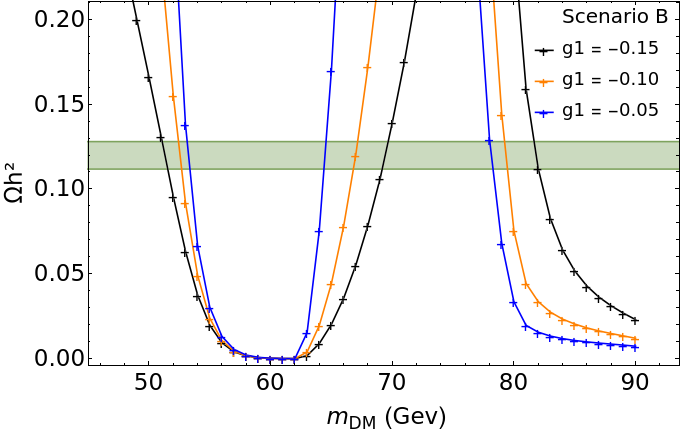 Figure 1
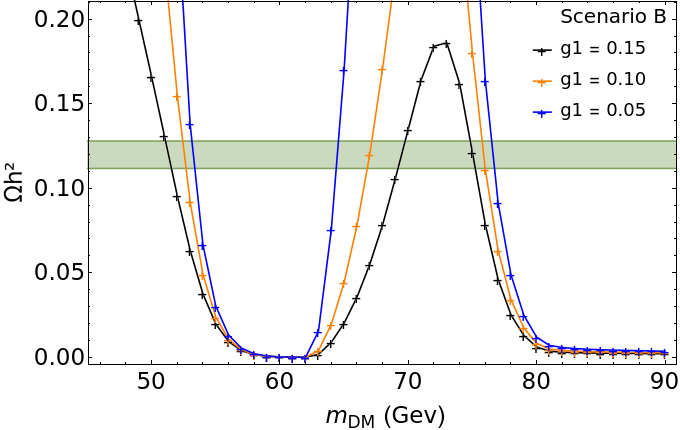 Figure 2
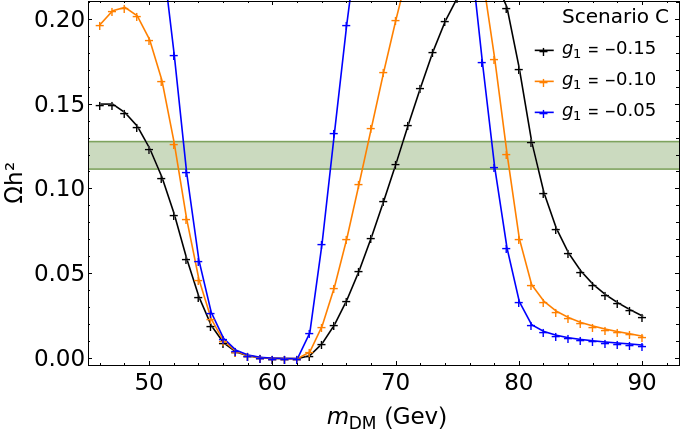 Figure 3
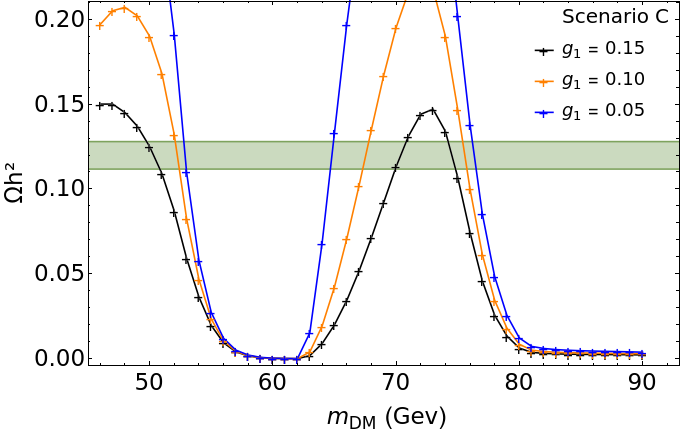 Figure 4
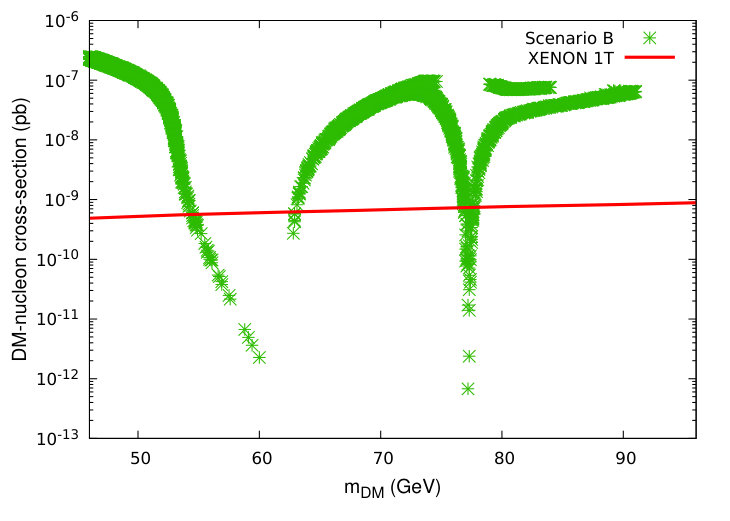 Figure 5
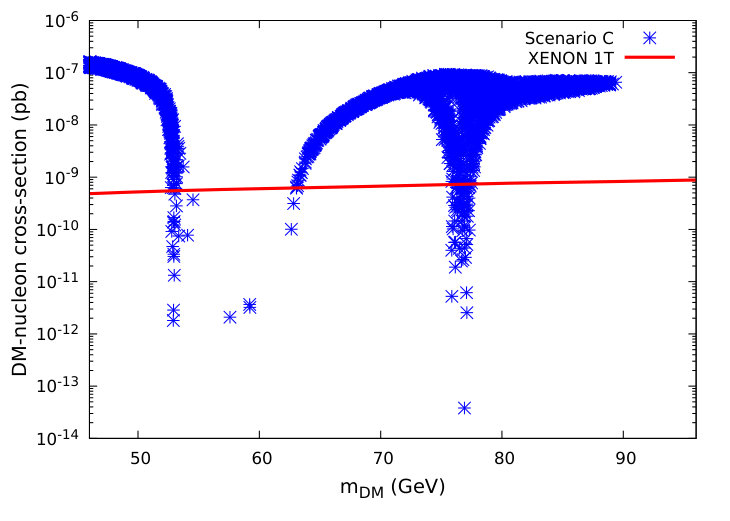 Figure 6
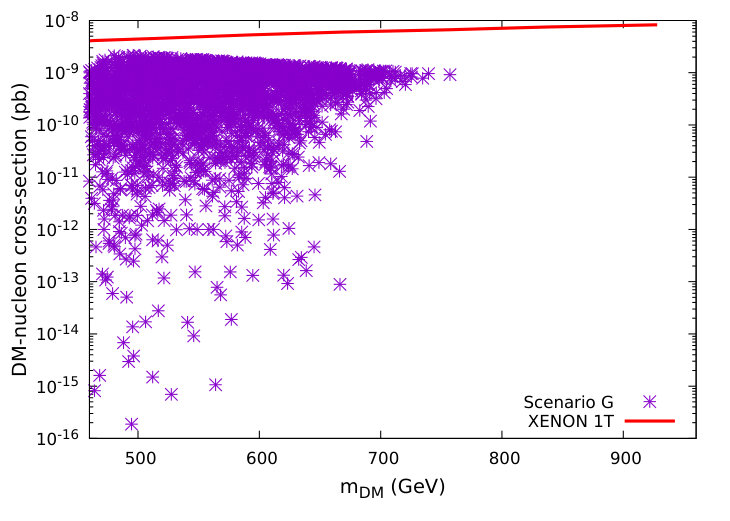 Figure 7
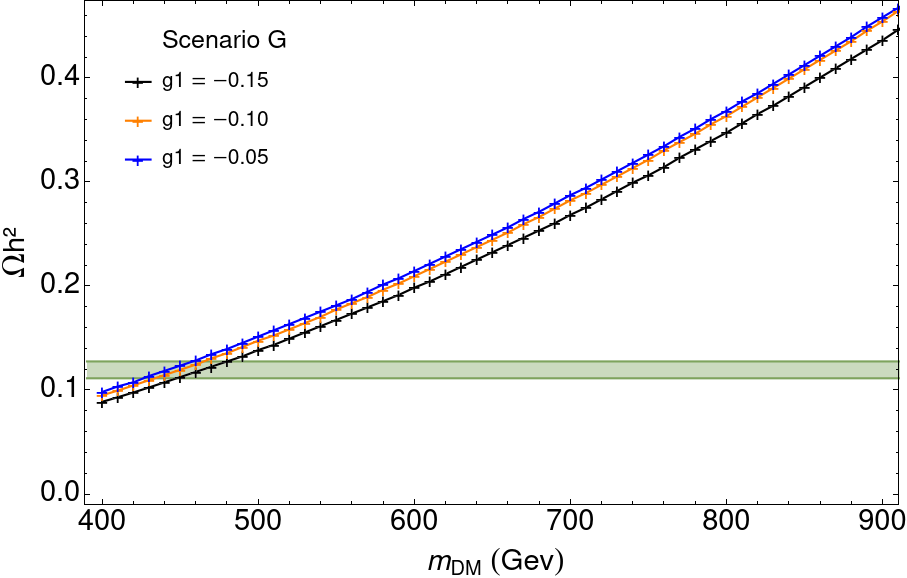 Figure 8
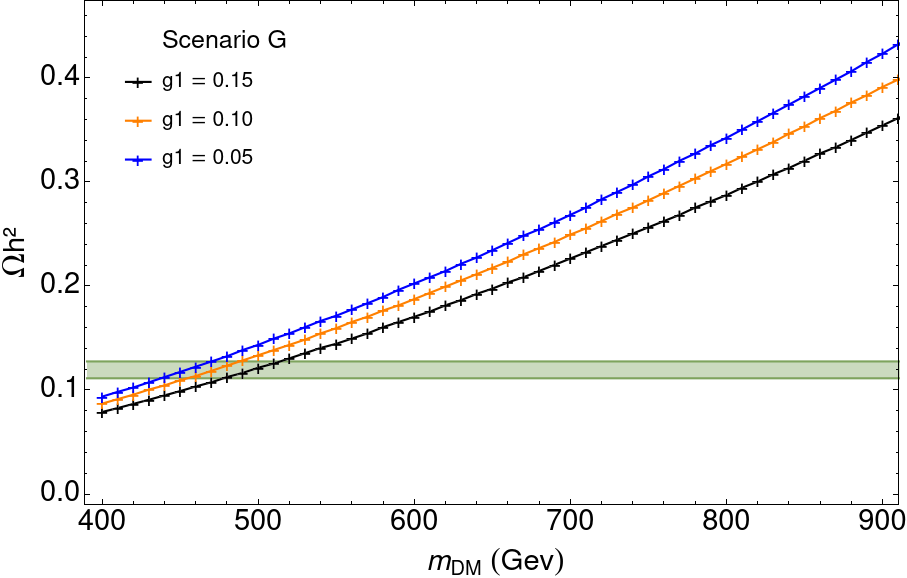 Figure 9
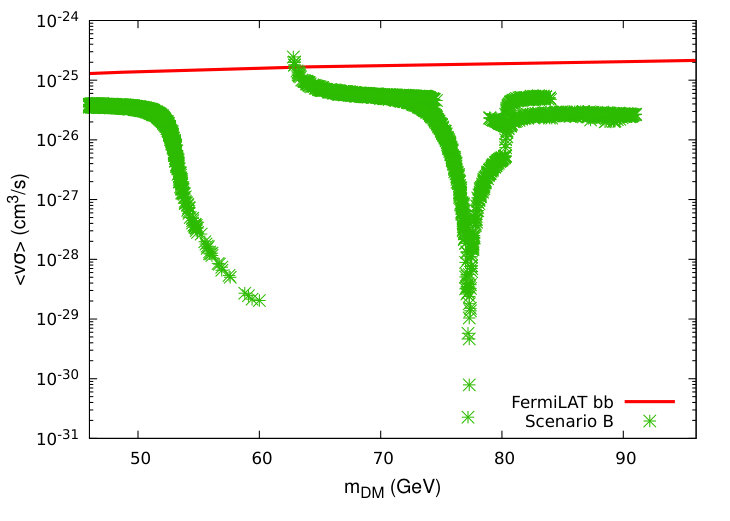 Figure 10
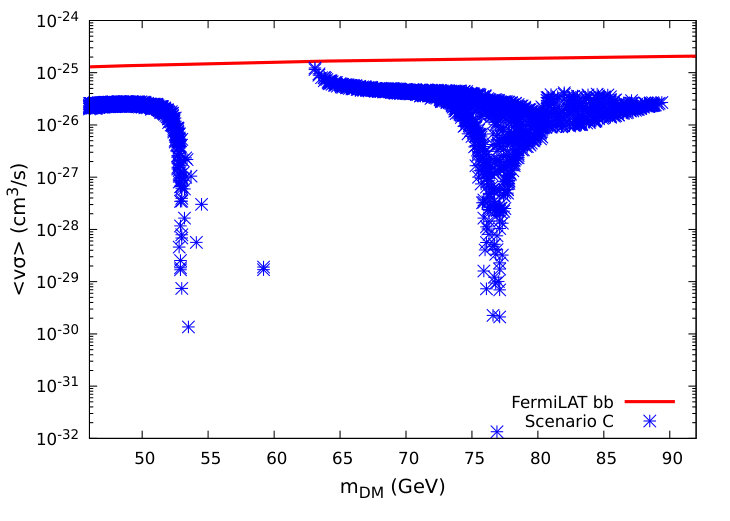 Figure 11
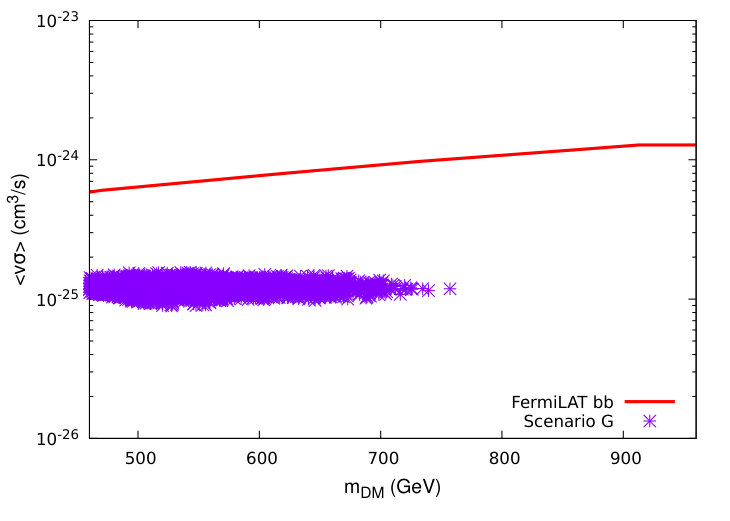 Figure 12
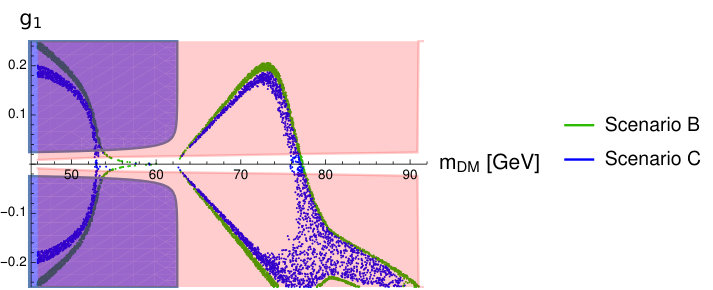 Figure 13
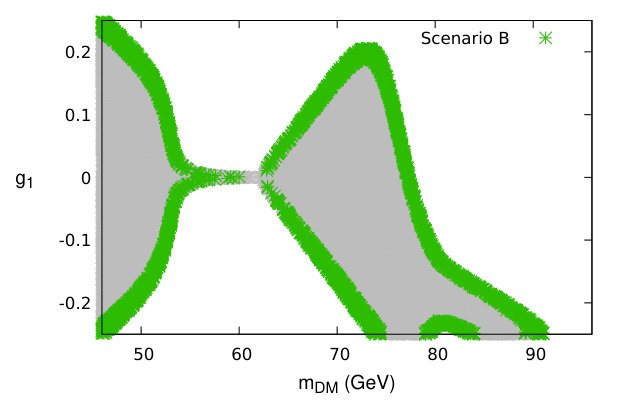 Figure 14
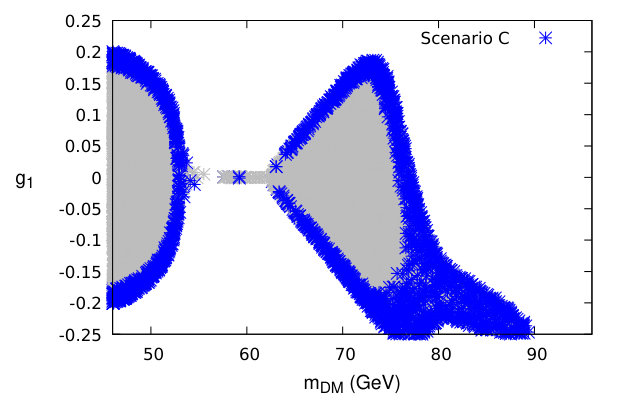 Figure 15
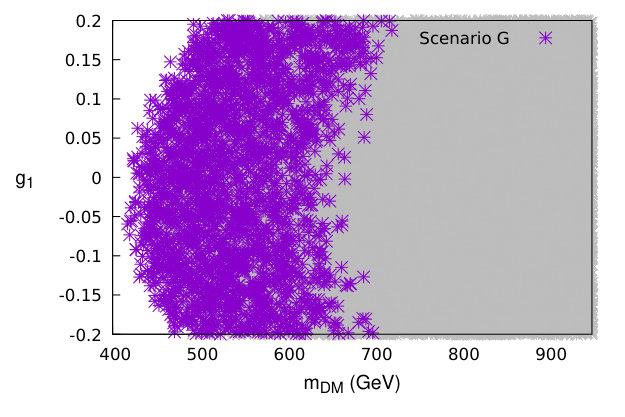 Figure 16
Peer Reviews
No public reviews on file for this paper yet. If you reviewed it on a platform where reviews are public (OpenReview, ICLR, NeurIPS, ICML), you can paste yours below so the community can read it here.
Videos
No videos yet. Explain this paper in a talk, walkthrough, or lecture? Add one.