TL;DR
MultiDepth introduces a multi-task CNN approach combining depth regression and classification to improve single-image depth estimation, especially in road scenes, leading to more accurate and stable training outcomes.
Contribution
The paper proposes a novel multi-task training strategy that combines depth regression with auxiliary depth interval classification for improved SIDE performance.
Findings
Enhanced depth estimation accuracy on KITTI dataset.
Improved training stability and convergence speed.
Effective use of auxiliary classification task at test time.
Abstract
We introduce MultiDepth, a novel training strategy and convolutional neural network (CNN) architecture that allows approaching single-image depth estimation (SIDE) as a multi-task problem. SIDE is an important part of road scene understanding. It, thus, plays a vital role in advanced driver assistance systems and autonomous vehicles. Best results for the SIDE task so far have been achieved using deep CNNs. However, optimization of regression problems, such as estimating depth, is still a challenging task. For the related tasks of image classification and semantic segmentation, numerous CNN-based methods with robust training behavior have been proposed. Hence, in order to overcome the notorious instability and slow convergence of depth value regression during training, MultiDepth makes use of depth interval classification as an auxiliary task. The auxiliary task can be disabled at…
Click any figure to enlarge with its caption.
 Figure 1
 Figure 2
 Figure 3
 Figure 4
 Figure 5
 Figure 6
 Figure 7
 Figure 8
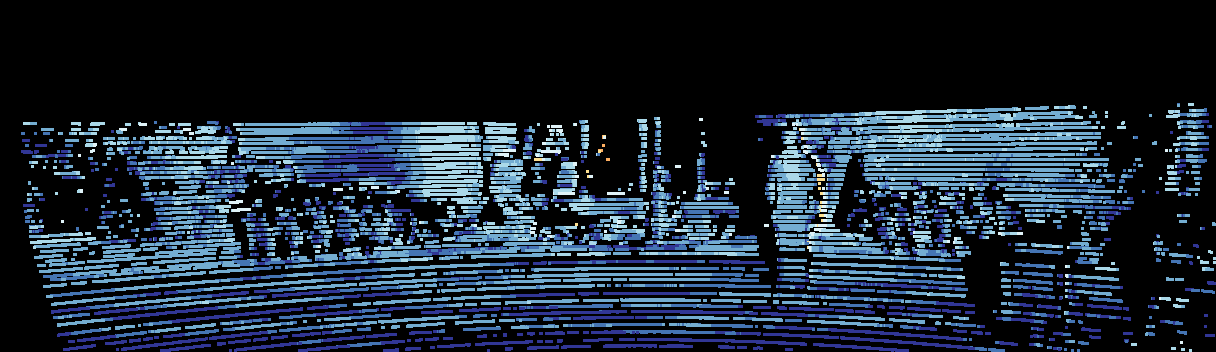 Figure 9
 Figure 10
 Figure 11
 Figure 12
 Figure 13
 Figure 14
 Figure 15
 Figure 16
 Figure 17
 Figure 18
 Figure 19
 Figure 20
 Figure 21
 Figure 22
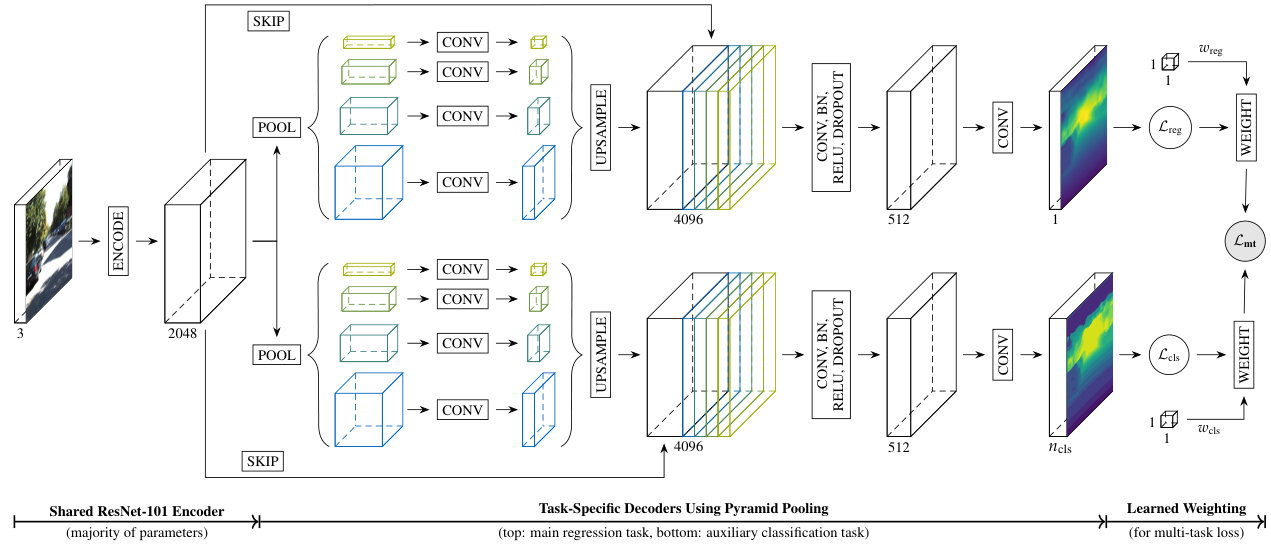 Figure 0
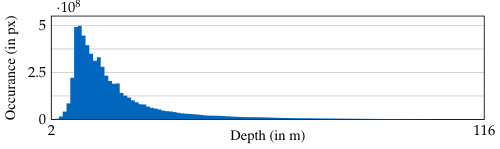 Figure 1
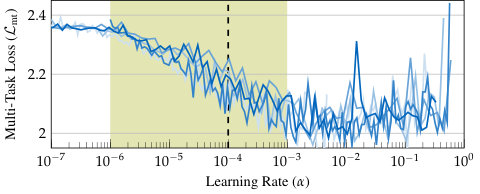 Figure 2
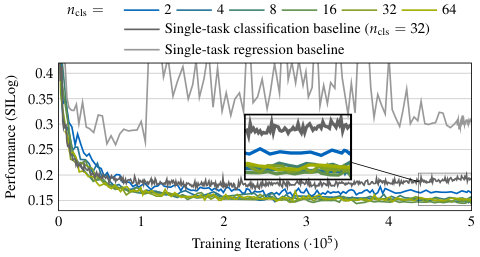 Figure 3
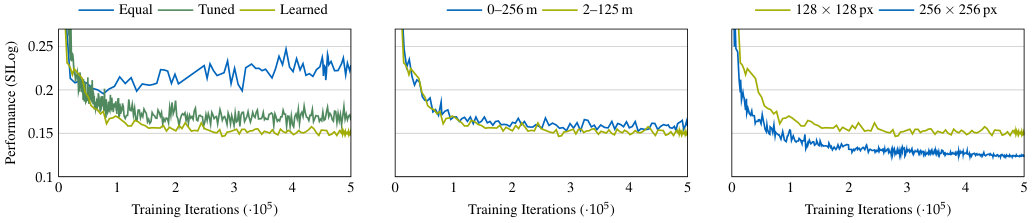 Figure 4
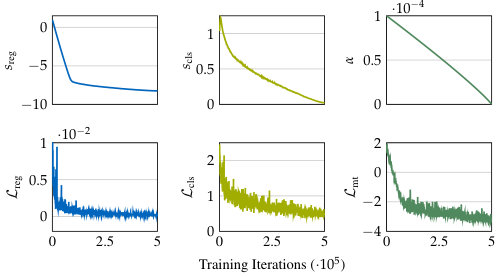 Figure 5
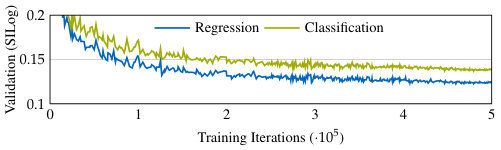 Figure 6
Peer Reviews
No public reviews on file for this paper yet. If you reviewed it on a platform where reviews are public (OpenReview, ICLR, NeurIPS, ICML), you can paste yours below so the community can read it here.
Code & Models
Videos
No videos yet. Explain this paper in a talk, walkthrough, or lecture? Add one.
