Comparison of Multi-response Estimation Methods
Raju Rimal, Trygve Alm{\o}y, Solve S{\ae}b{\o}

TL;DR
This paper compares various estimation methods, including new envelope techniques and established PCR and PLS, highlighting their strengths and weaknesses in handling multicollinearity and response correlations in simulated data.
Contribution
It provides a comparative analysis of envelope, PCR, and PLS methods, demonstrating the efficiency of envelope methods in identifying relevant information with fewer components.
Findings
No single method is best for all data types.
Envelope method effectively finds relevant information with fewer components.
Different methods excel under different data conditions.
Abstract
Prediction performance does not always reflect the estimation behaviour of a method. High error in estimation may necessarily not result in high prediction error, but can lead to an unreliable prediction if test data lie in a slightly different subspace than the training data. In addition, high estimation error often leads to unstable estimates, and consequently, the estimated effect of predictors on the response can not have a valid interpretation. Many research fields show more interest in the effect of predictor variables than actual prediction performance. This study compares some newly-developed (envelope) and well-established (PCR, PLS) estimation methods using simulated data with specifically designed properties such as Multicollinearity in the predictor variables, the correlation between multiple responses and the position of principal components corresponding to predictors that…
Click any figure to enlarge with its caption.
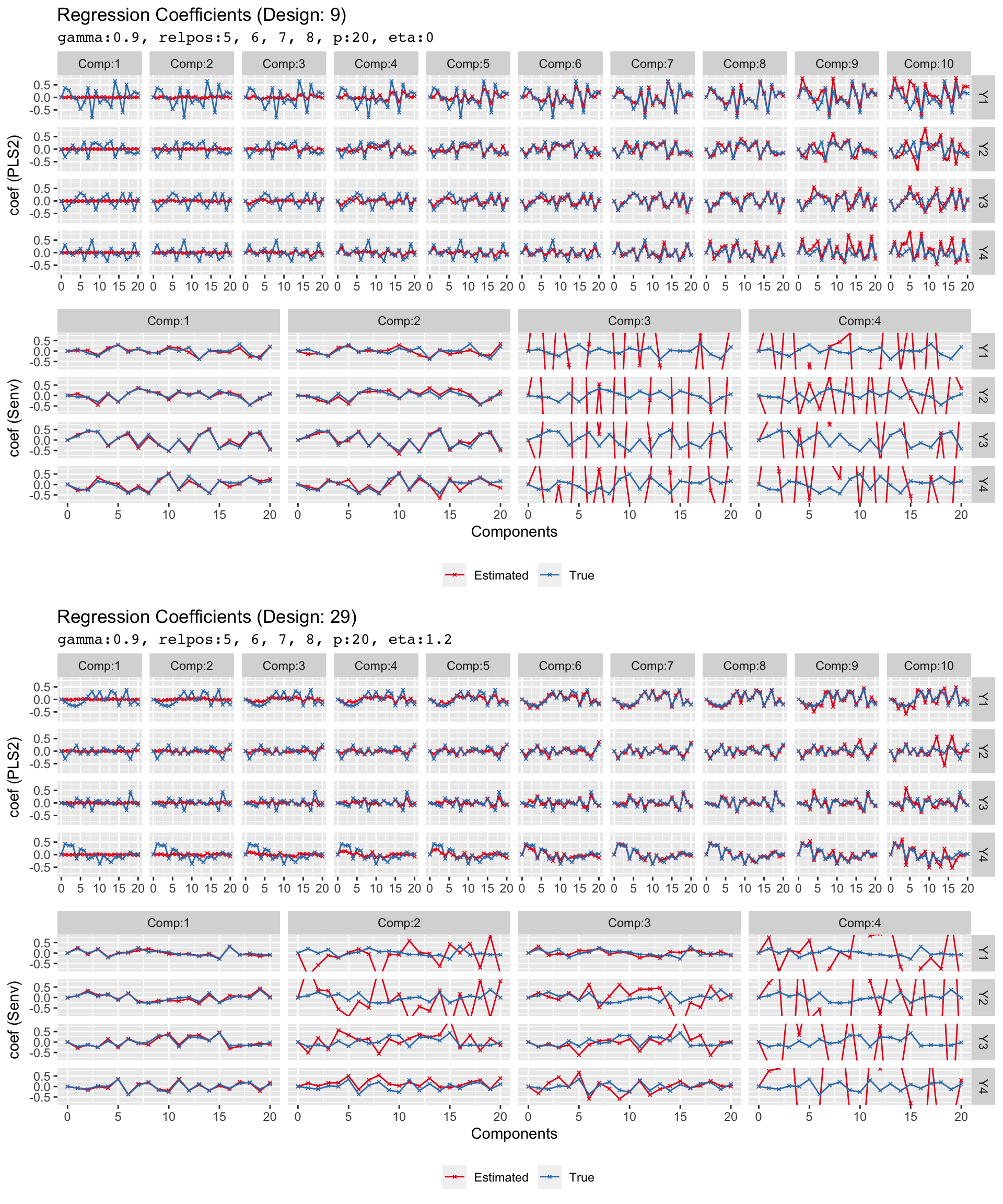 Figure 1
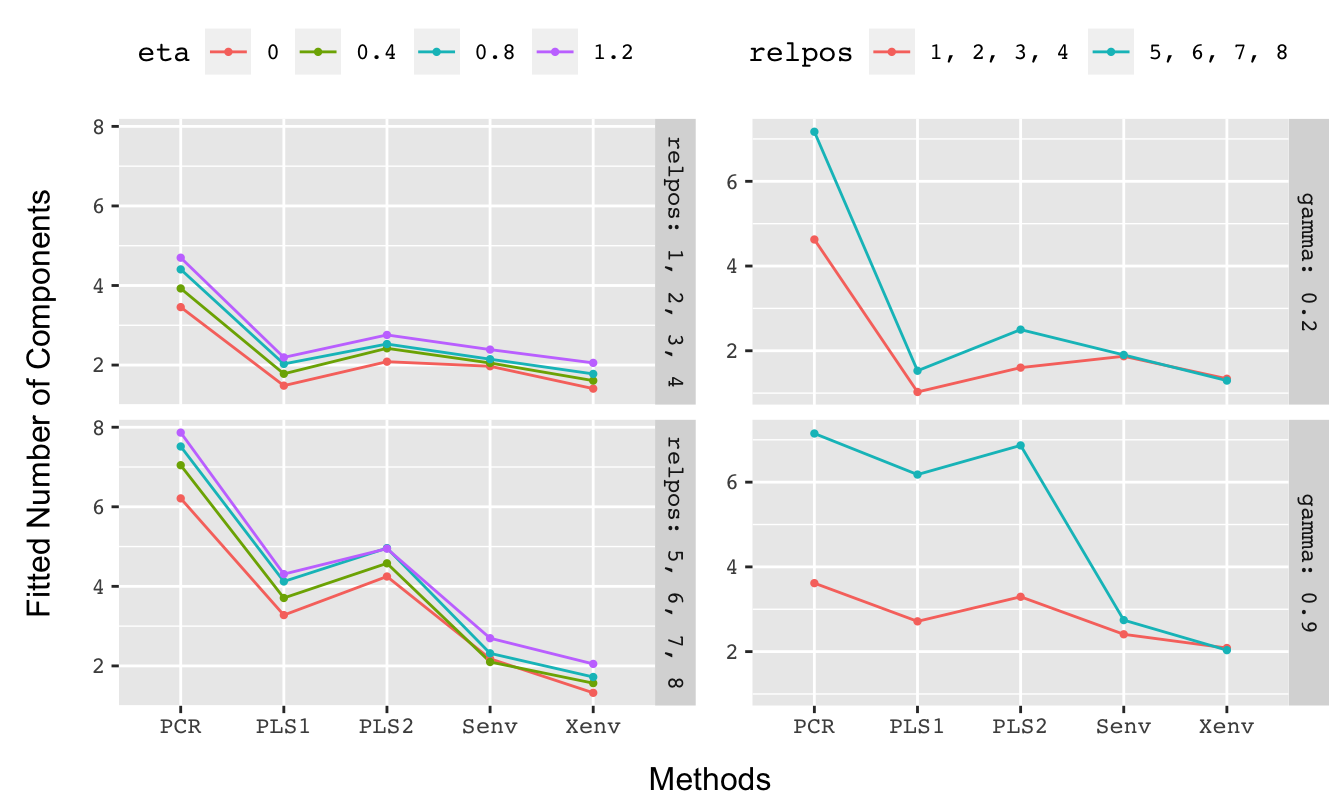 Figure 2
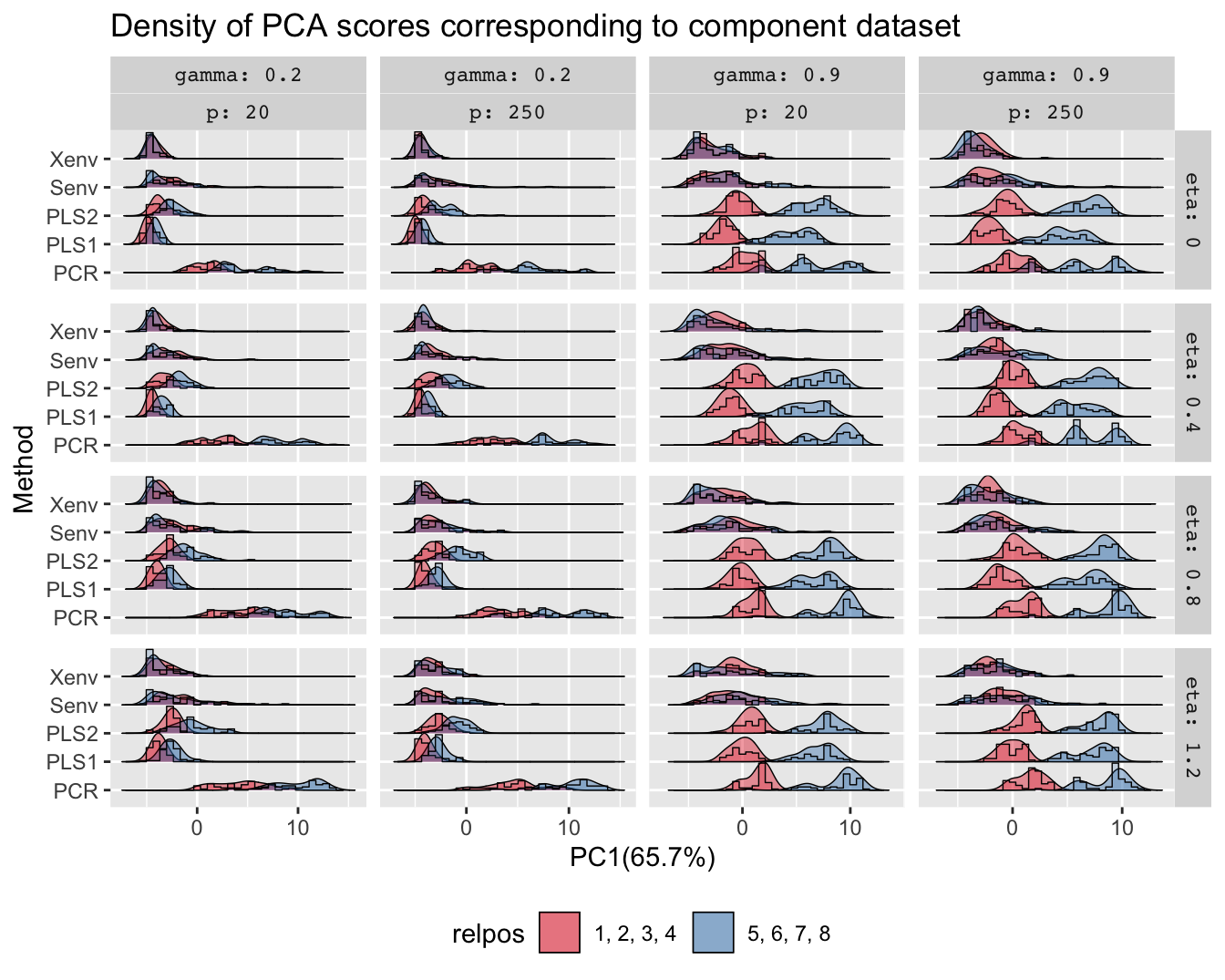 Figure 3
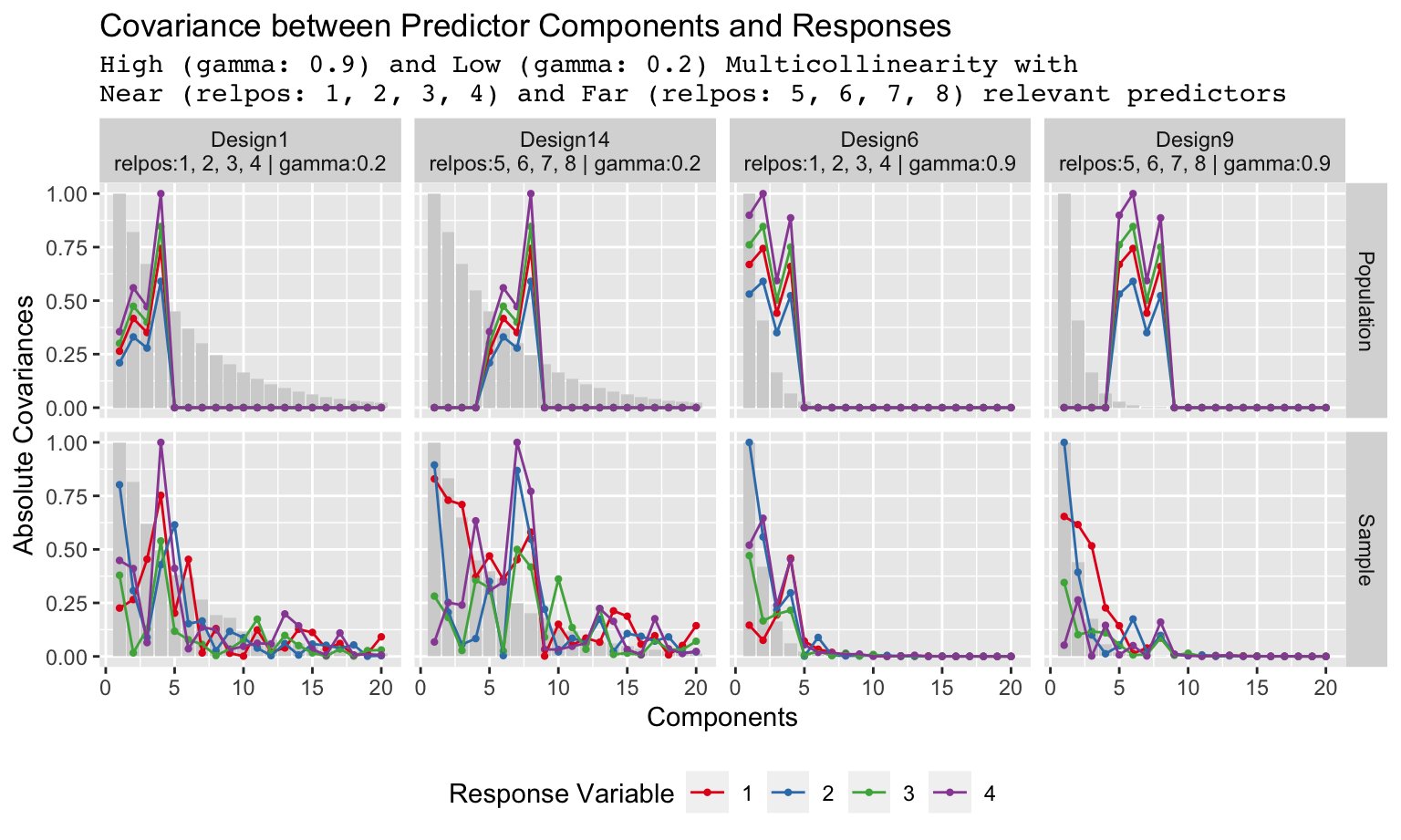 Figure 4
 Figure 5
 Figure 6
 Figure 7
 Figure 8
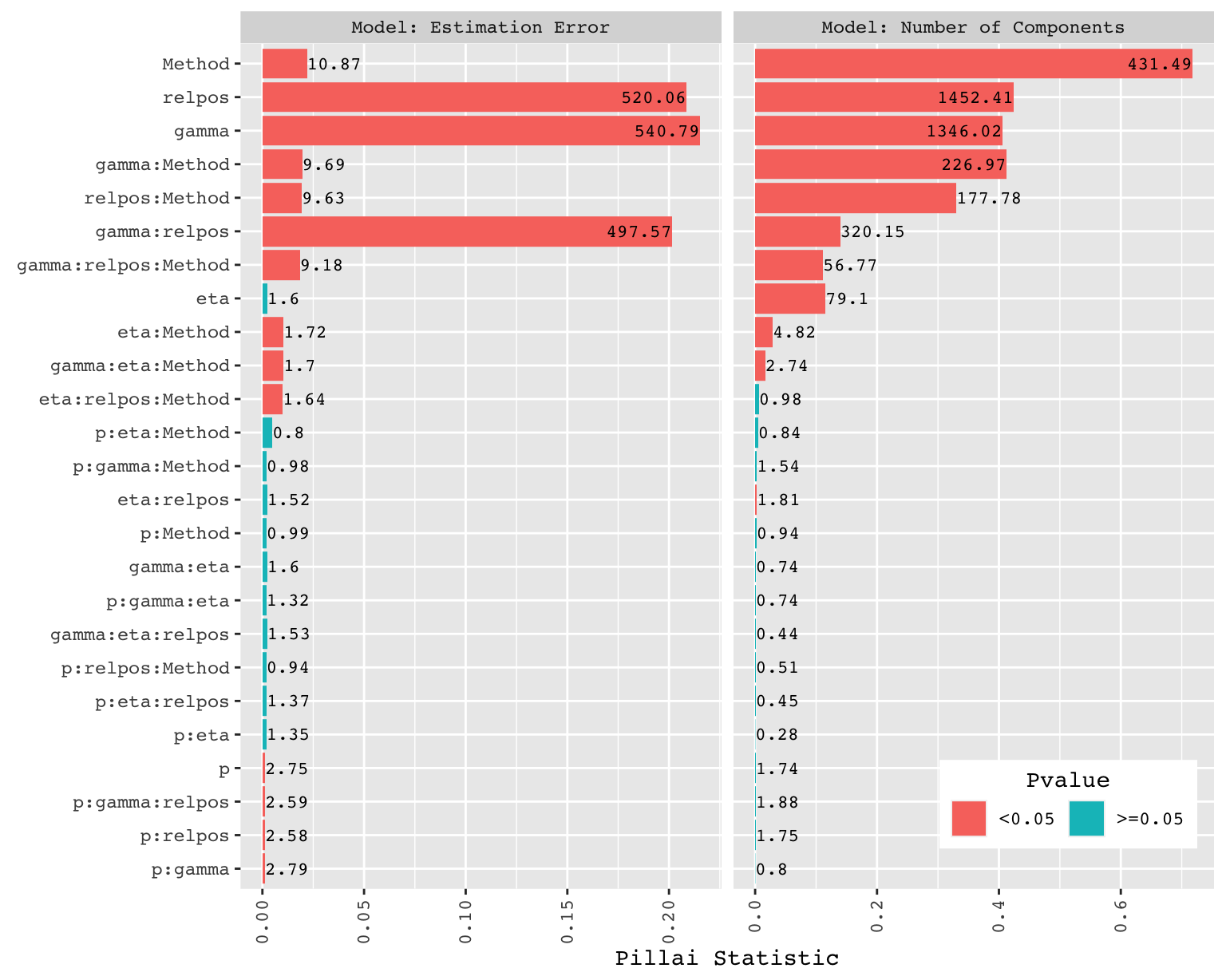 Figure 9
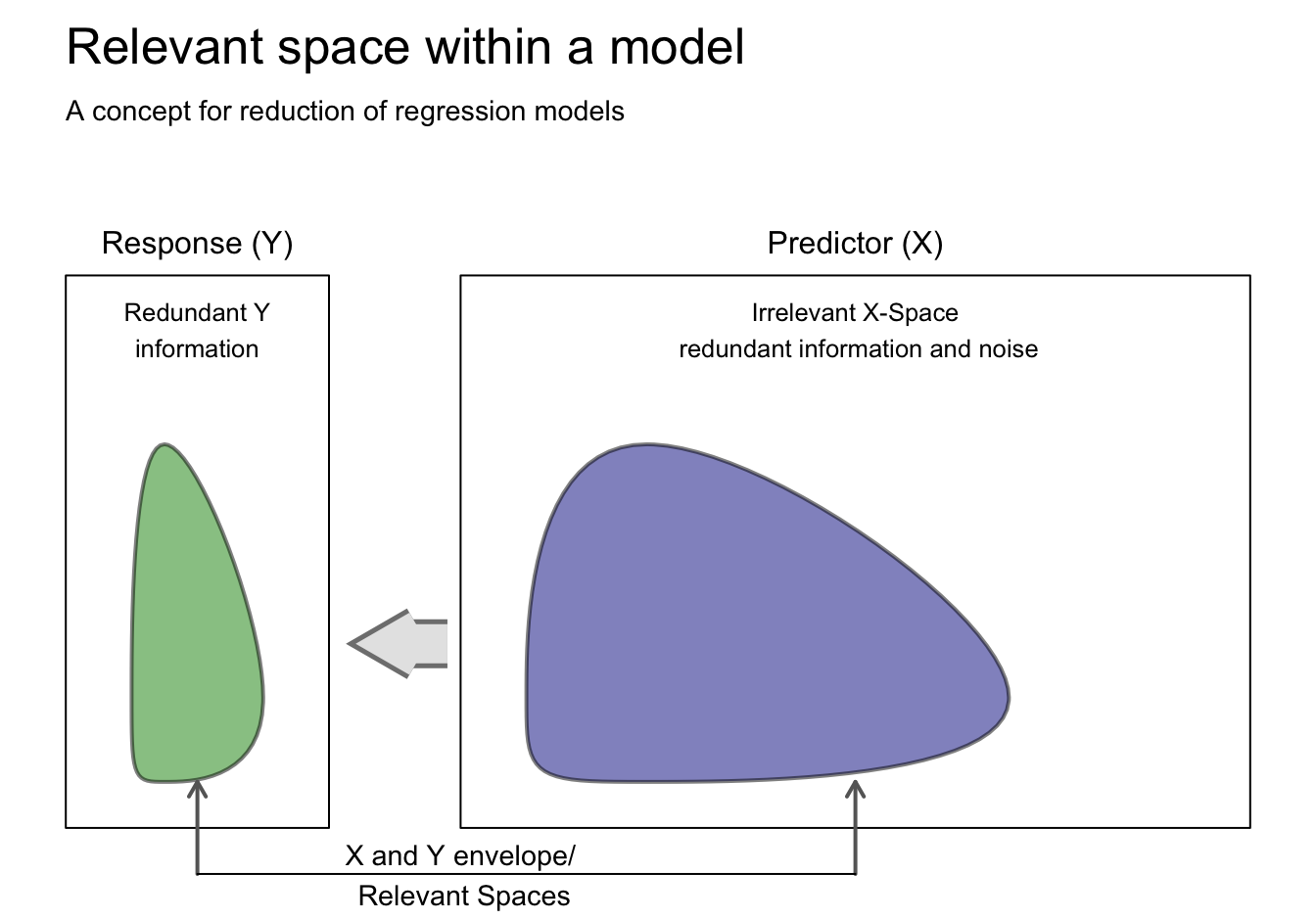 Figure 10
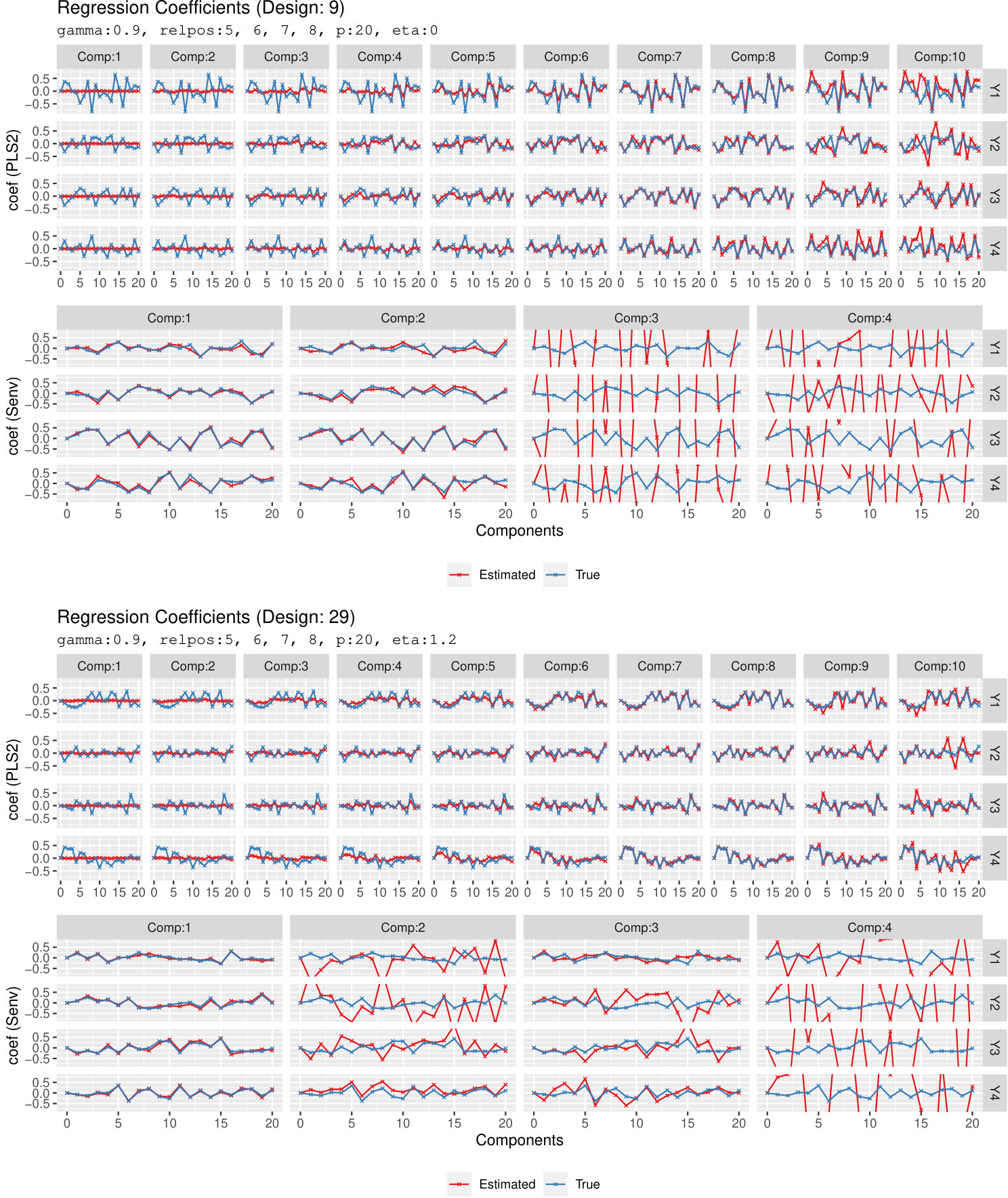 Figure 11
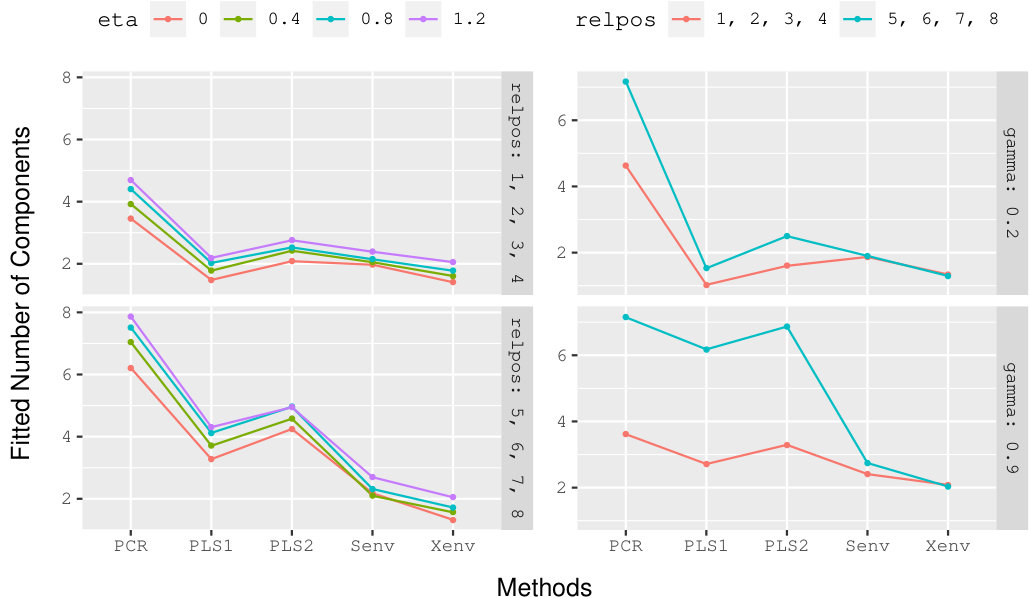 Figure 12
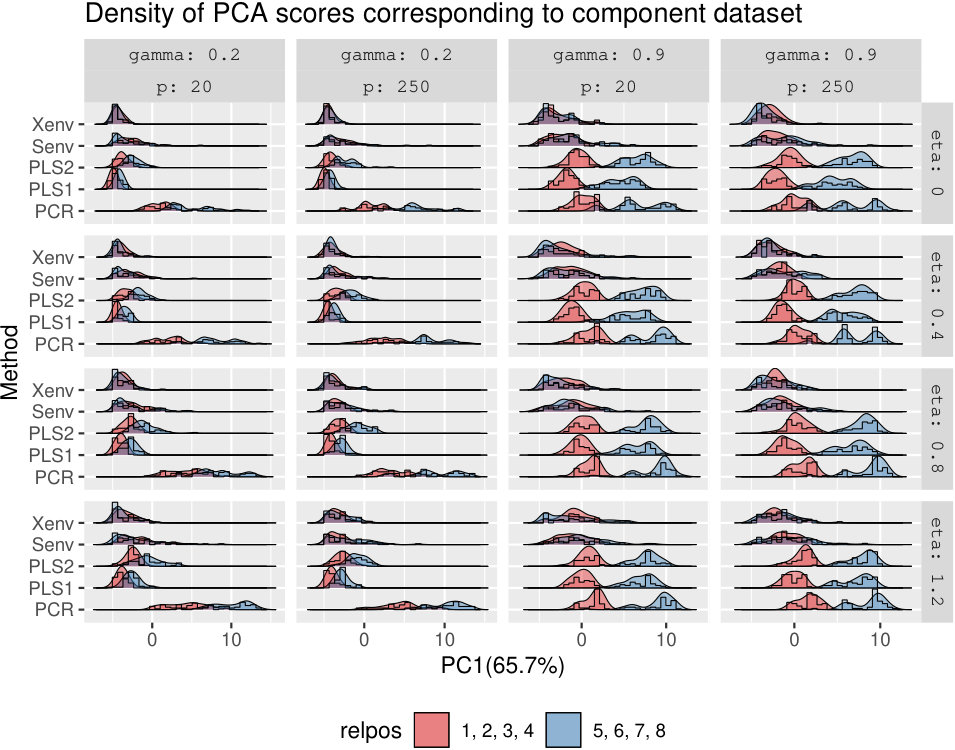 Figure 13
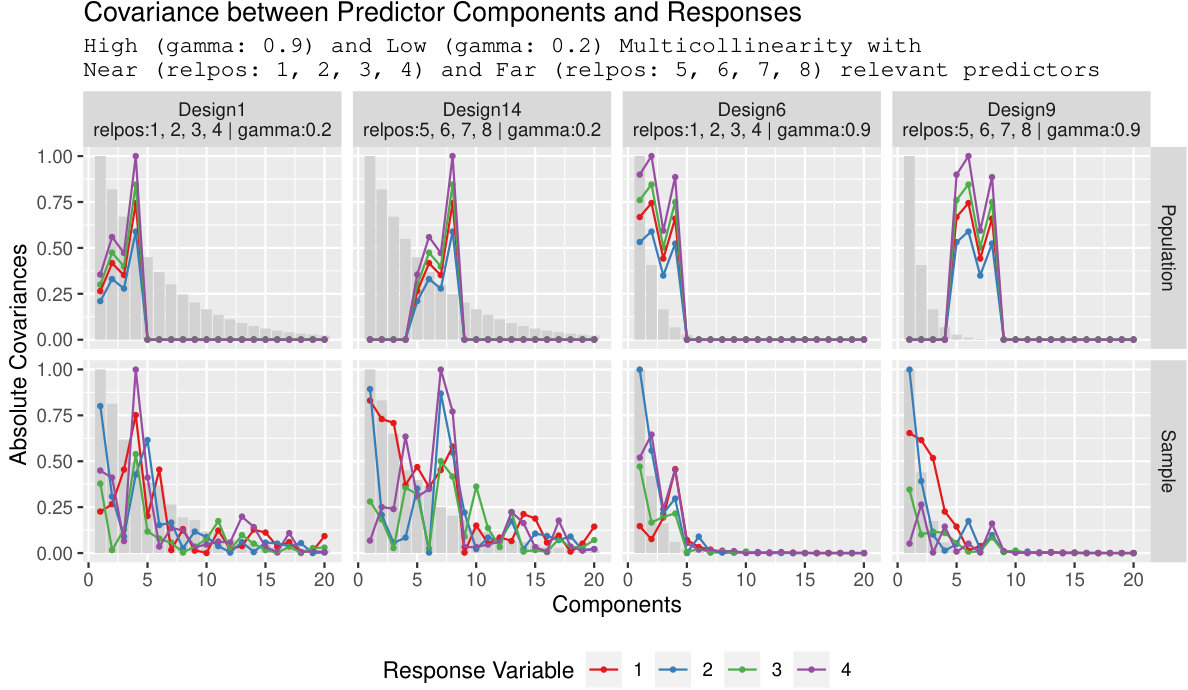 Figure 14
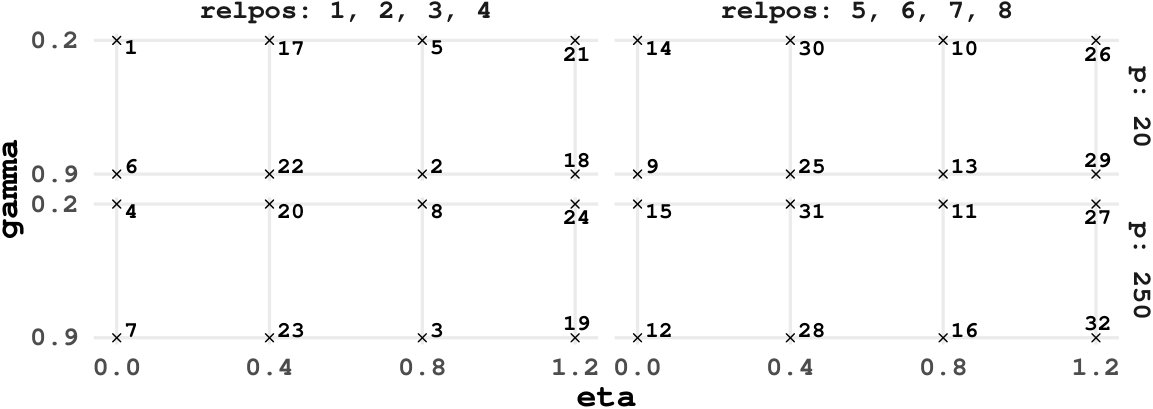 Figure 15
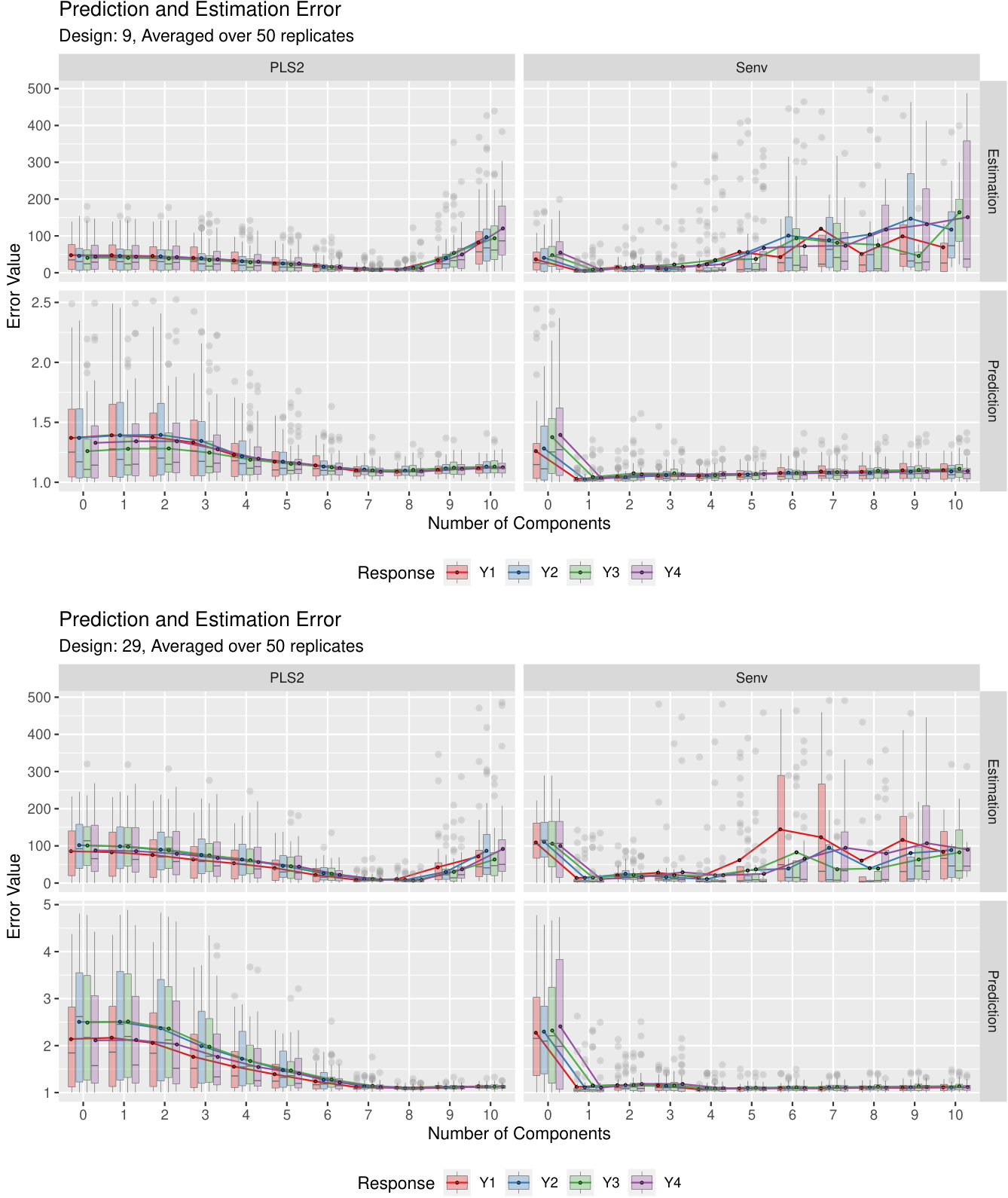 Figure 16
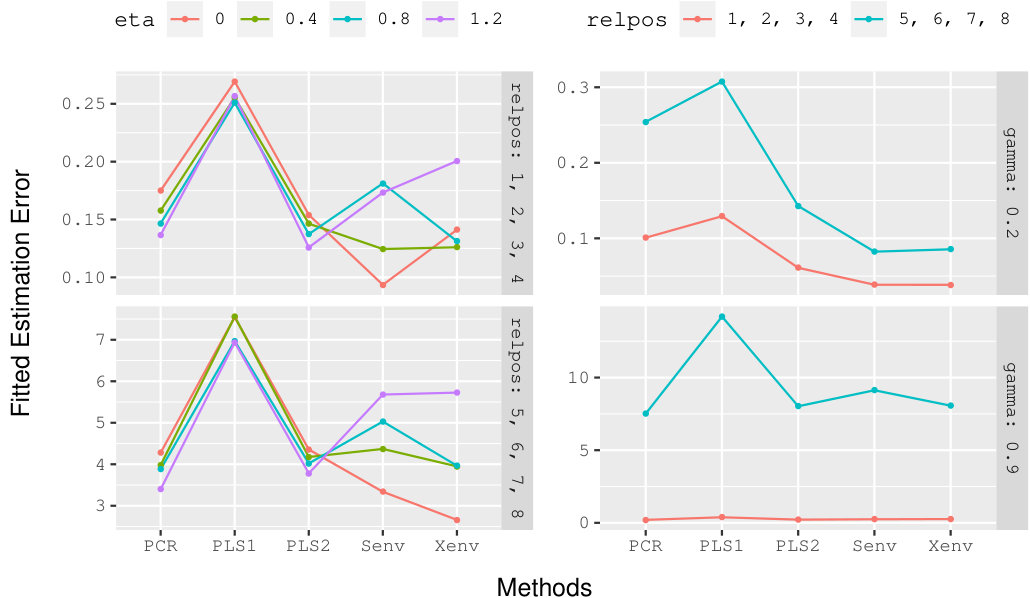 Figure 17
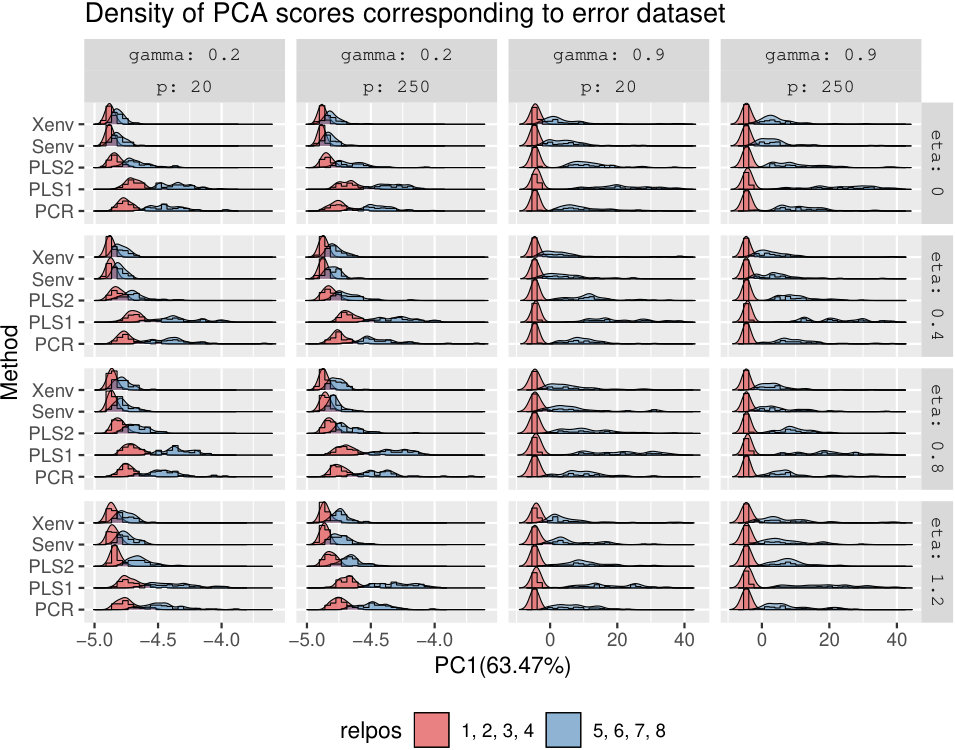 Figure 18
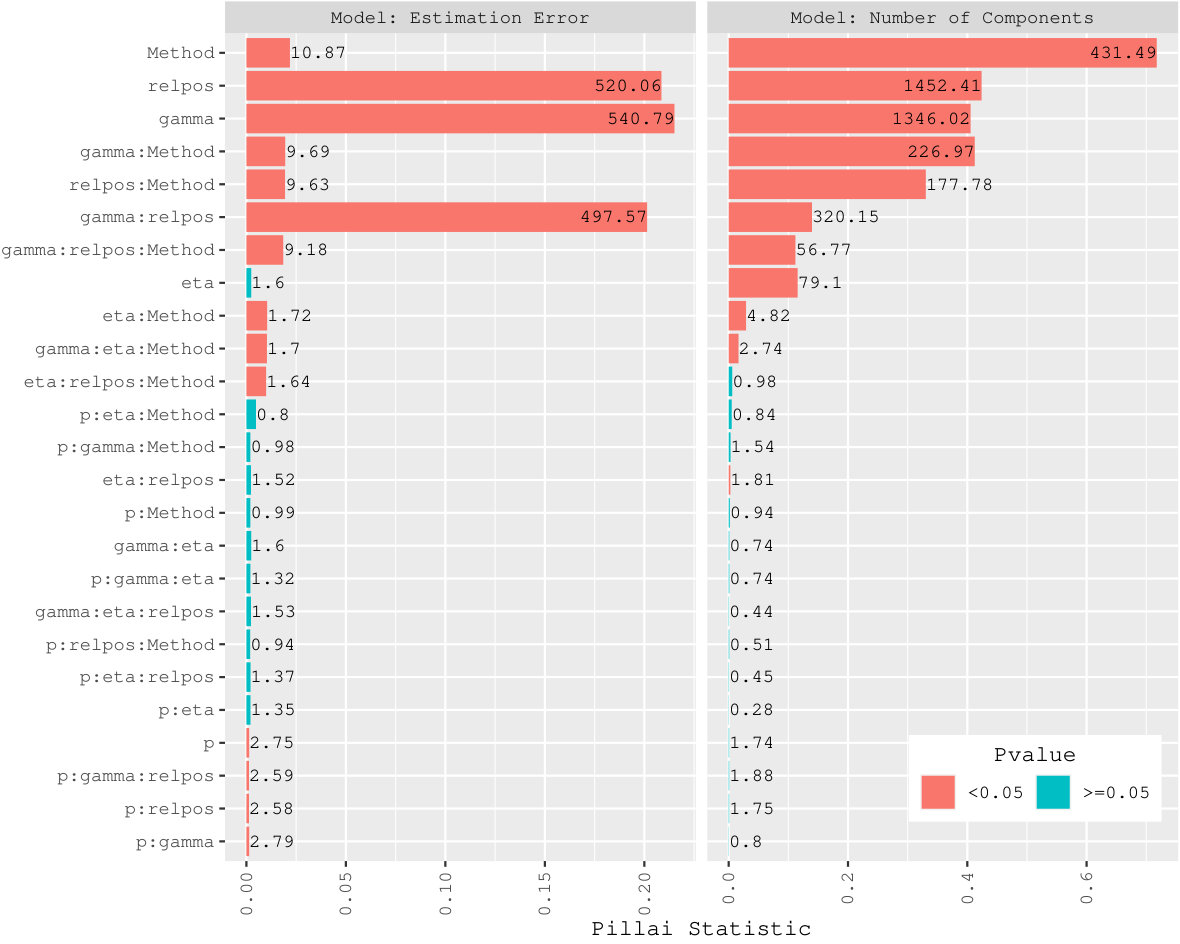 Figure 19
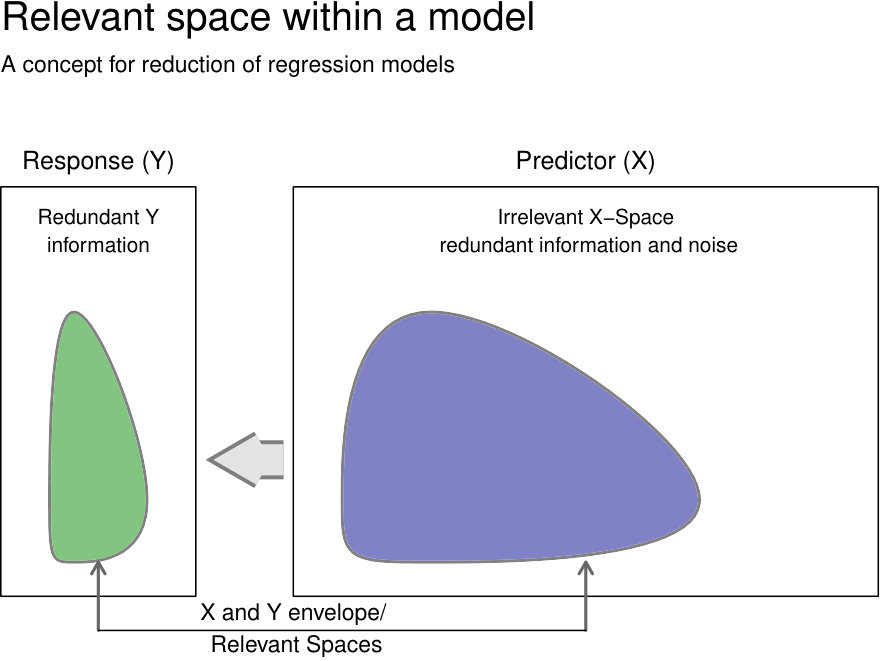 Figure 20
Peer Reviews
No public reviews on file for this paper yet. If you reviewed it on a platform where reviews are public (OpenReview, ICLR, NeurIPS, ICML), you can paste yours below so the community can read it here.
Videos
No videos yet. Explain this paper in a talk, walkthrough, or lecture? Add one.