Ab initio Study of Ground-State CS Photodissociation Via Highly Excited Electronic States
Zhongxing Xu, Nan Luo, S.R. Federman, William M. Jackson, Cheuk-Yiu, Ng, Lee-Ping Wang, Kyle N. Crabtree

TL;DR
This study provides detailed ab initio calculations of CS photodissociation, revealing higher rates than previous estimates, which improves astrochemical modeling of sulfur-bearing molecules in interstellar environments.
Contribution
The paper introduces new high-accuracy ab initio potential energy curves and cross sections for CS photodissociation, significantly refining the rate calculations used in astrochemical models.
Findings
Photodissociation rate of CS is 2.9e-9 s^-1 under standard interstellar radiation.
The C-X (0-0) transition contributes 57% to the total photodissociation rate.
The calculated rate is three times higher than previous database values.
Abstract
Photodissociation by ultraviolet radiation is the key destruction pathway for CS in photon-dominated regions, such as diffuse clouds. However, the large uncertainties of photodissociation cross sections and rates of CS, resulting from a lack of both laboratory experiments and theoretical calculations, limit the accuracy of calculated abundances of S-bearing molecules by modern astrochemical models. Here we show a detailed \textit{ab initio} study of CS photodissociation. Accurate potential energy curves of CS electronic states were obtained by choosing an active space CAS(8,10) in MRCI+Q/aug-cc-pV(5+d)Z calculation with additional diffuse functions, with a focus on the \(B\) and \(C\,^1\Sigma^+\) states. Cross sections for both direct photodissociation and predissociation from the vibronic ground state were calculated by applying the coupled-channel method. We found that the \(C-X\)…
Click any figure to enlarge with its caption.
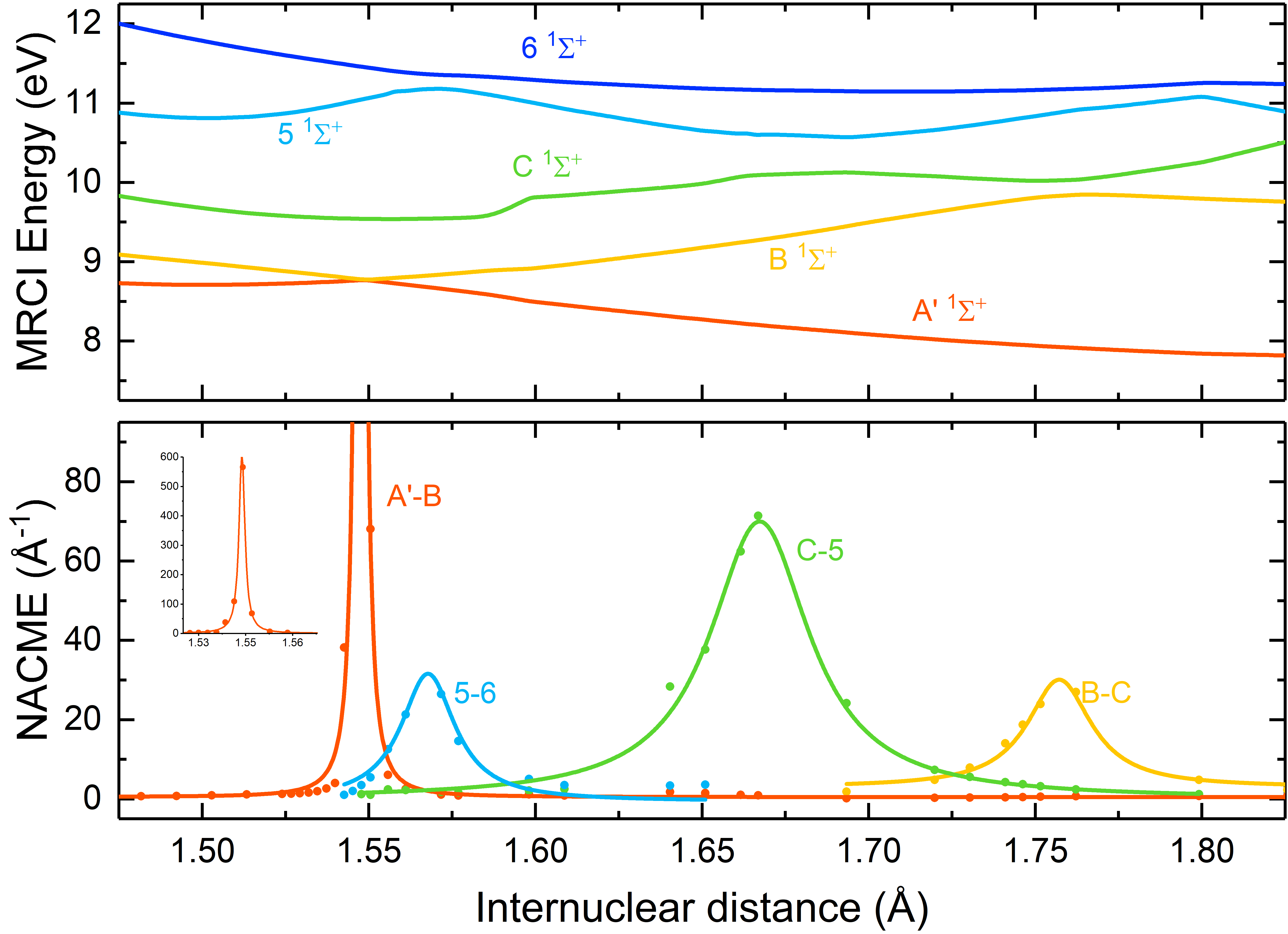 Figure 1
 Figure 2
 Figure 3
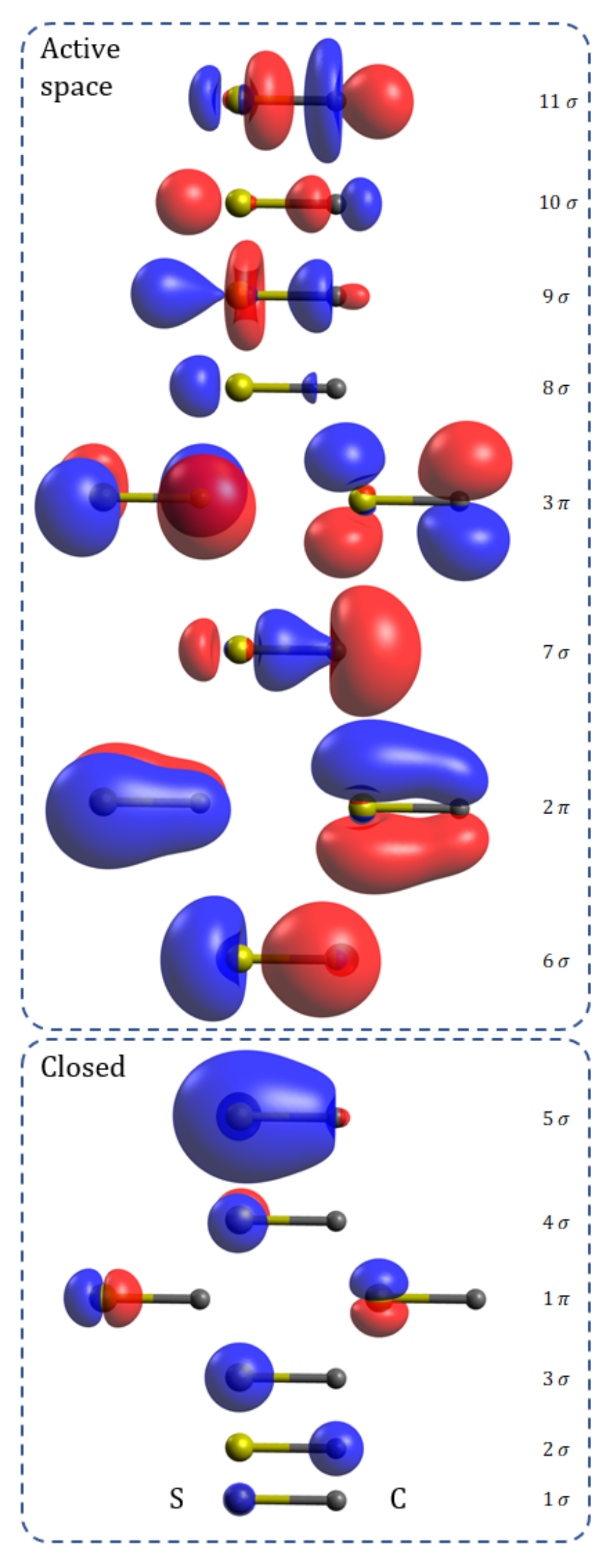 Figure 4
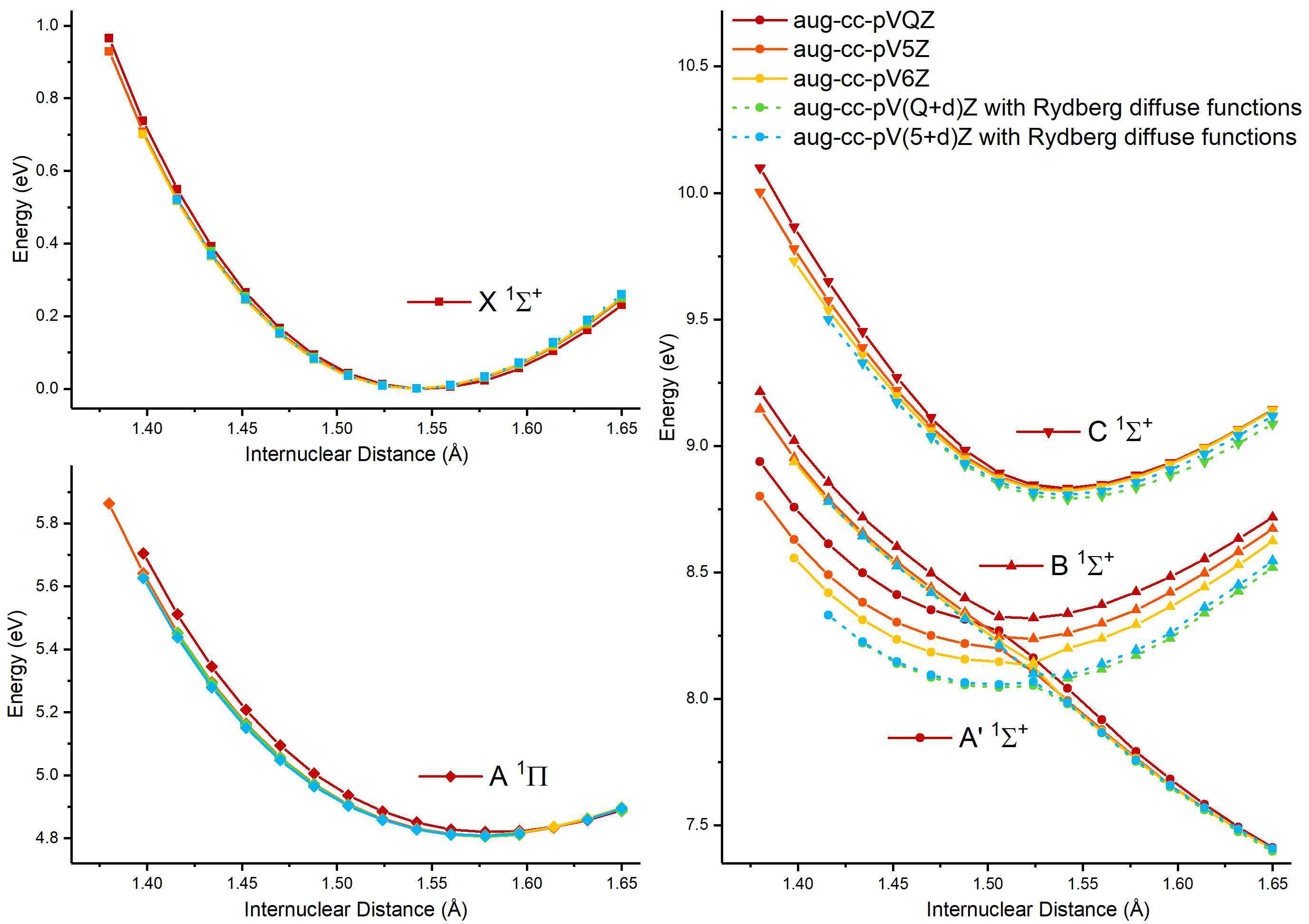 Figure 5
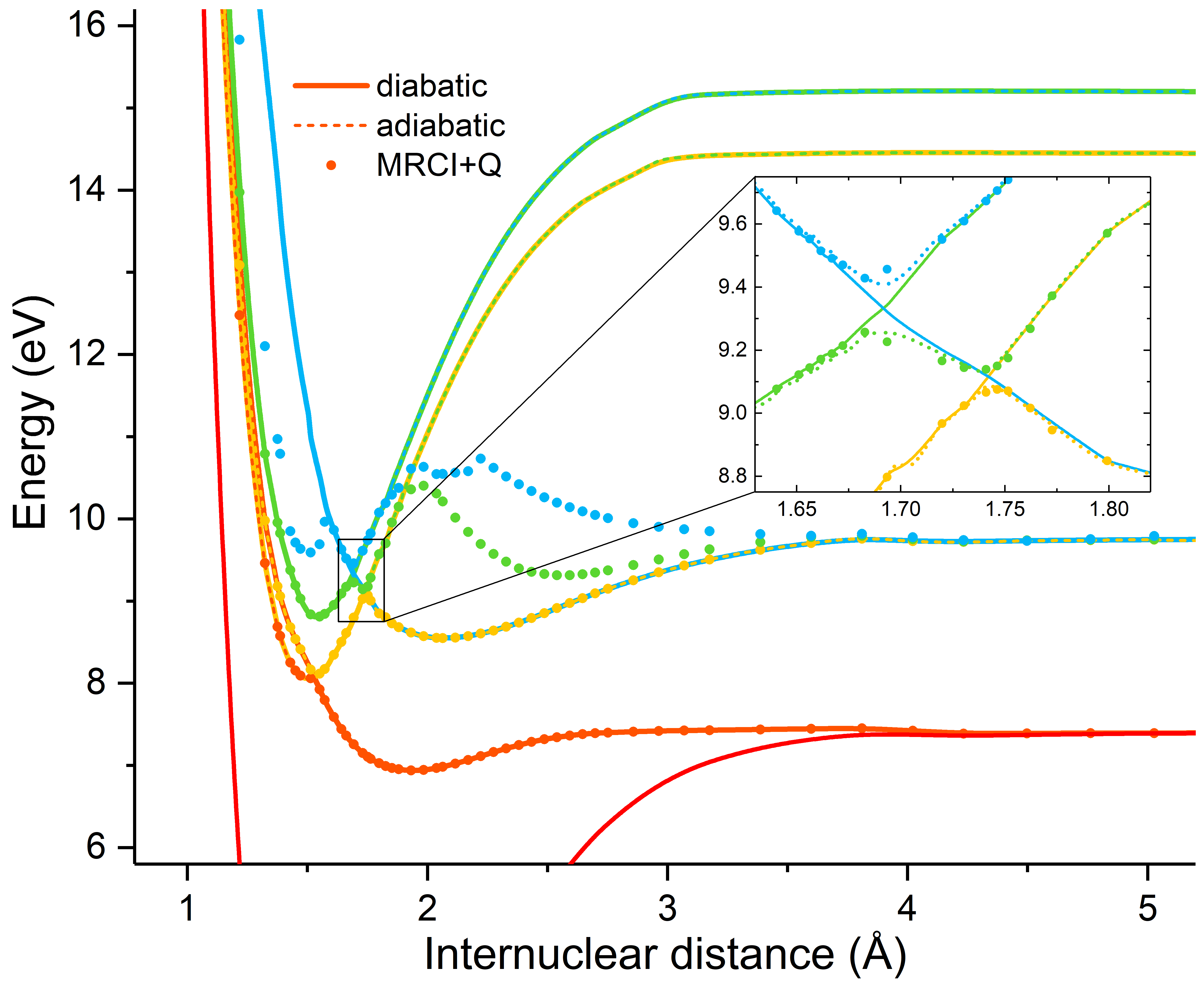 Figure 6
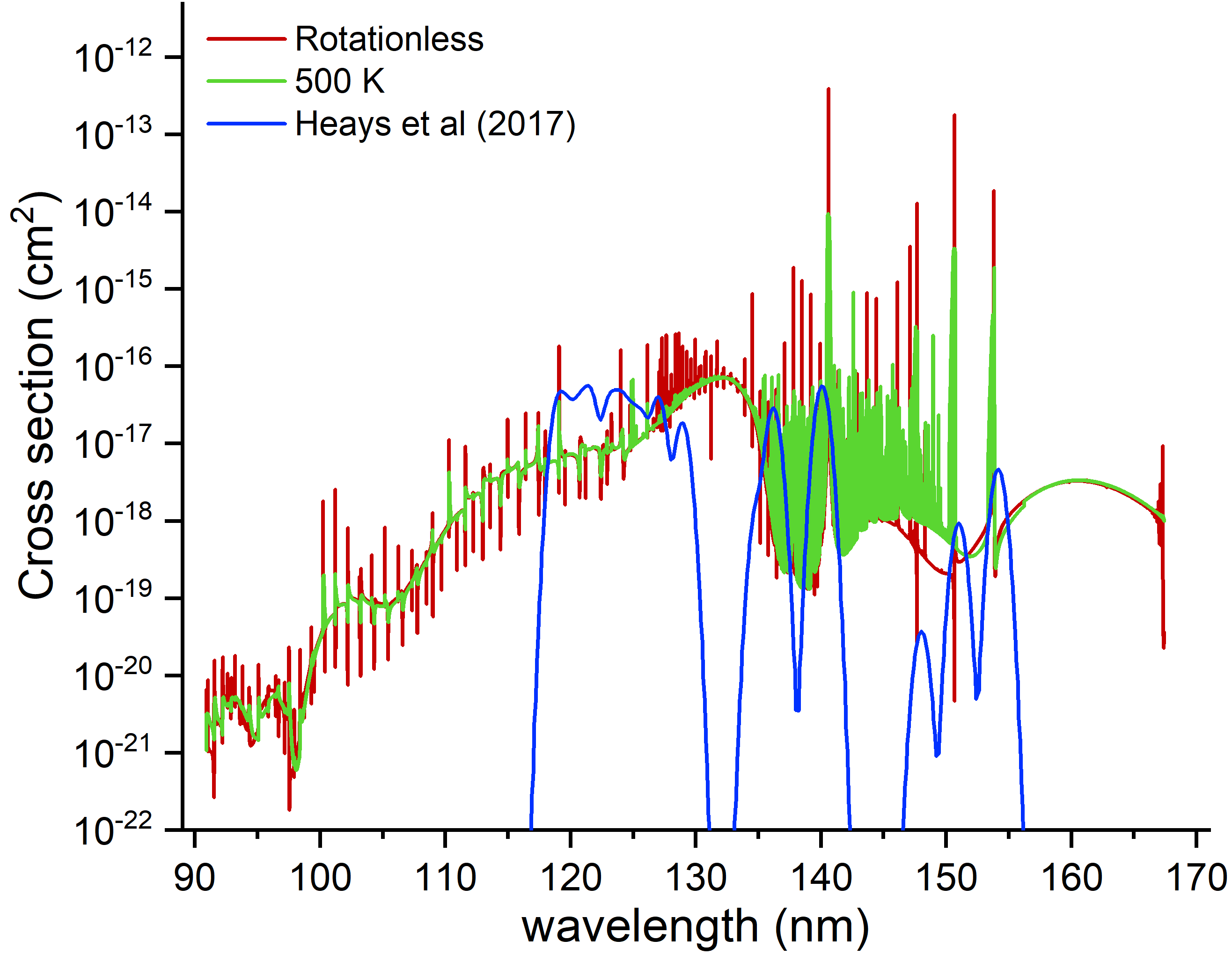 Figure 7
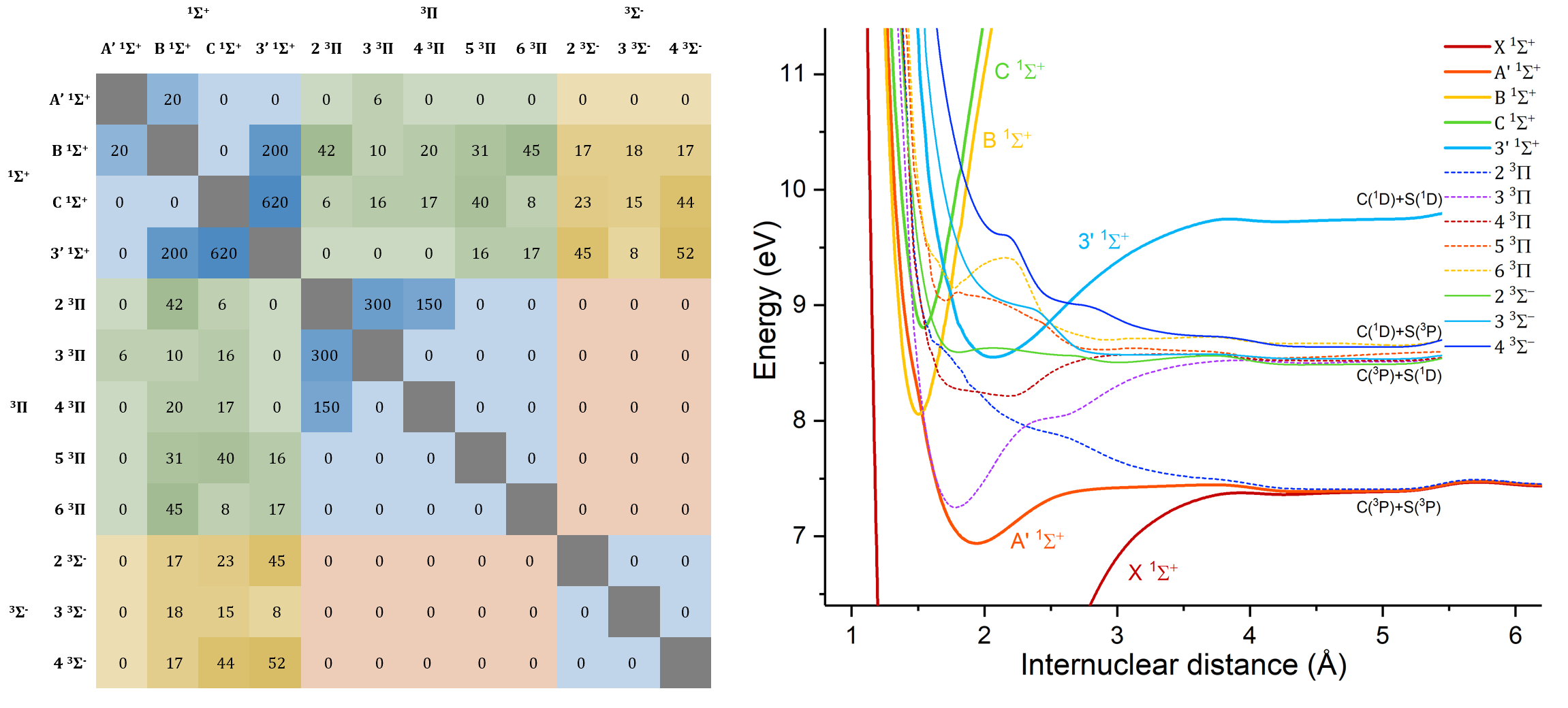 Figure 8
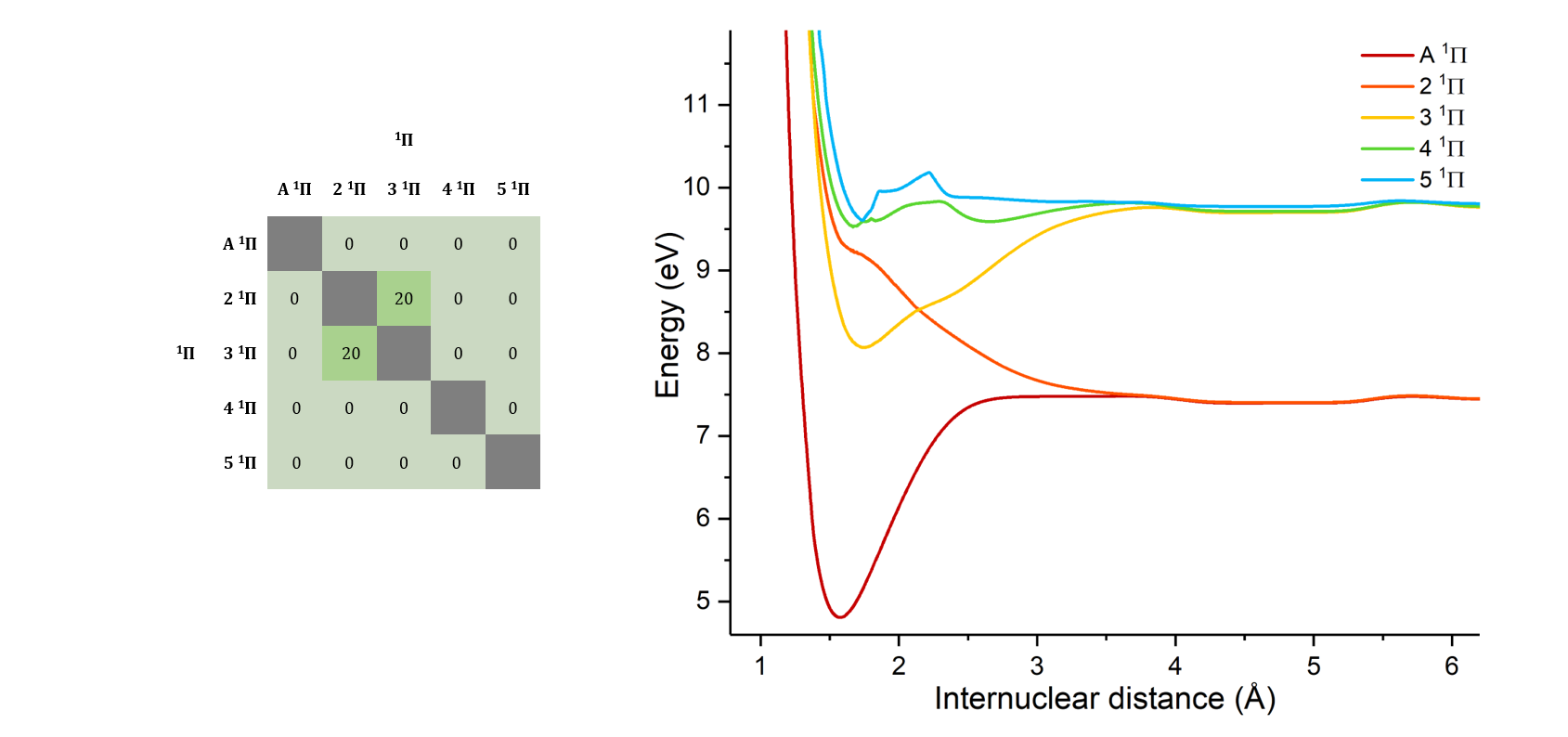 Figure 9
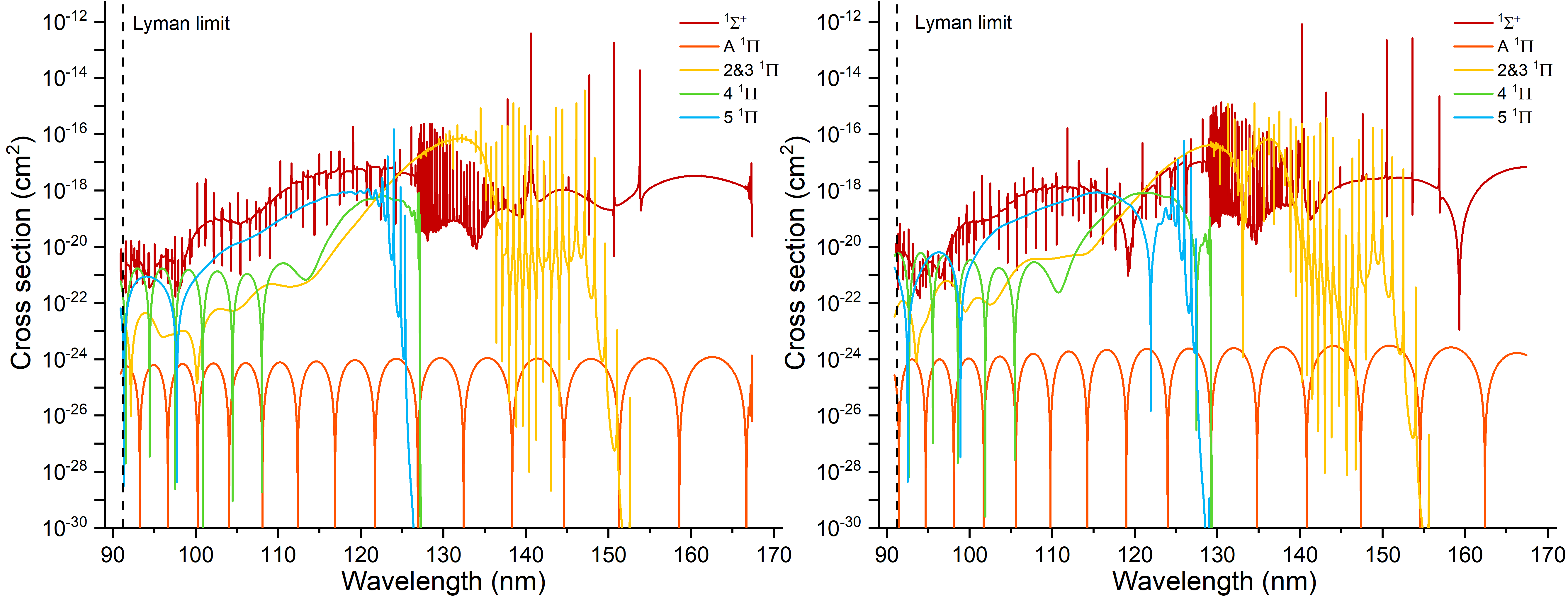 Figure 10
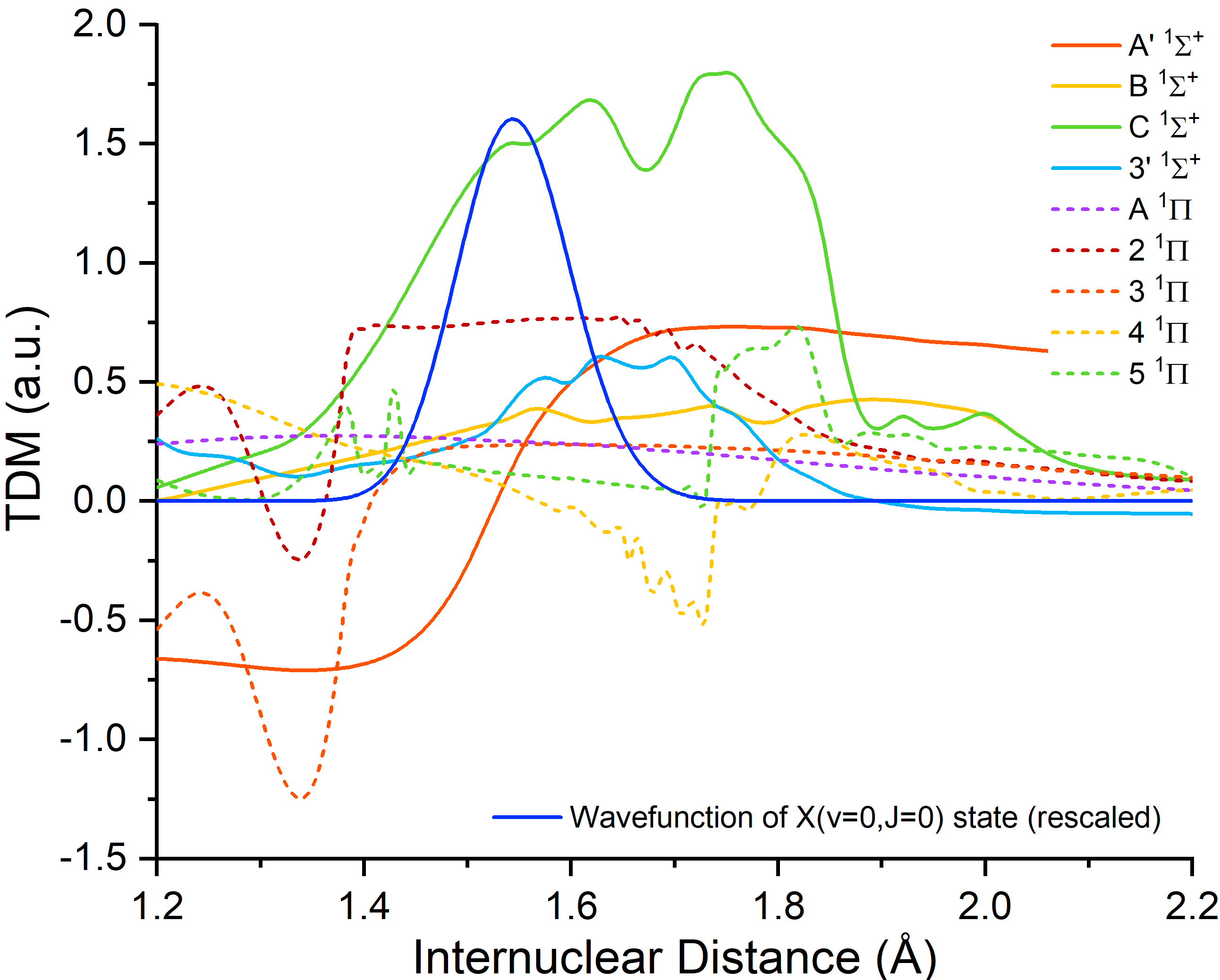 Figure 11
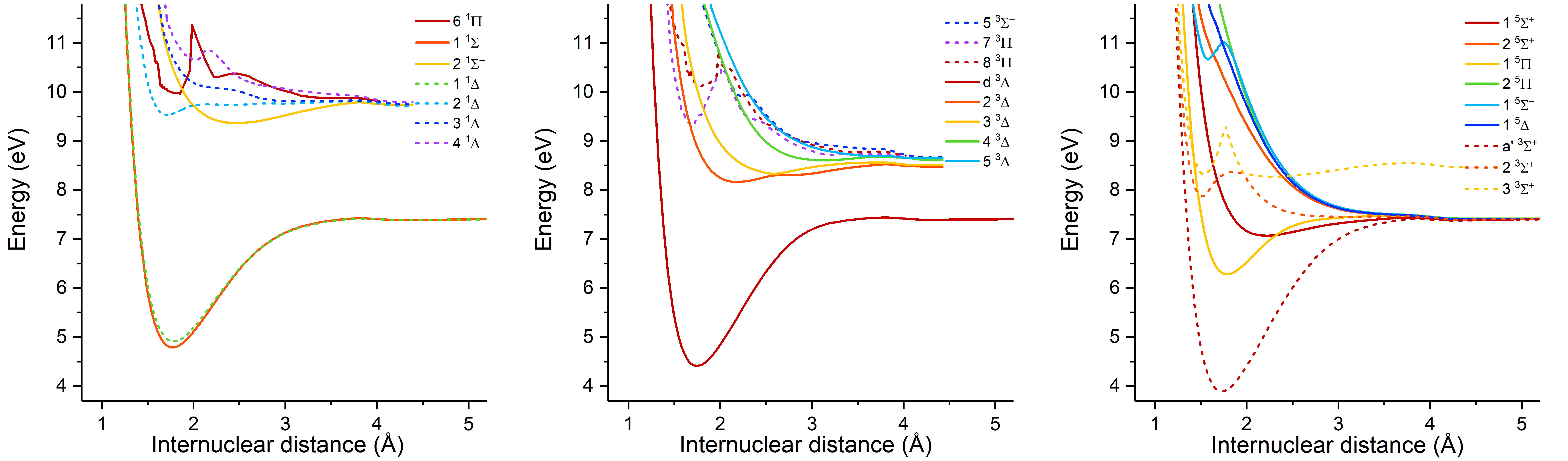 Figure 12
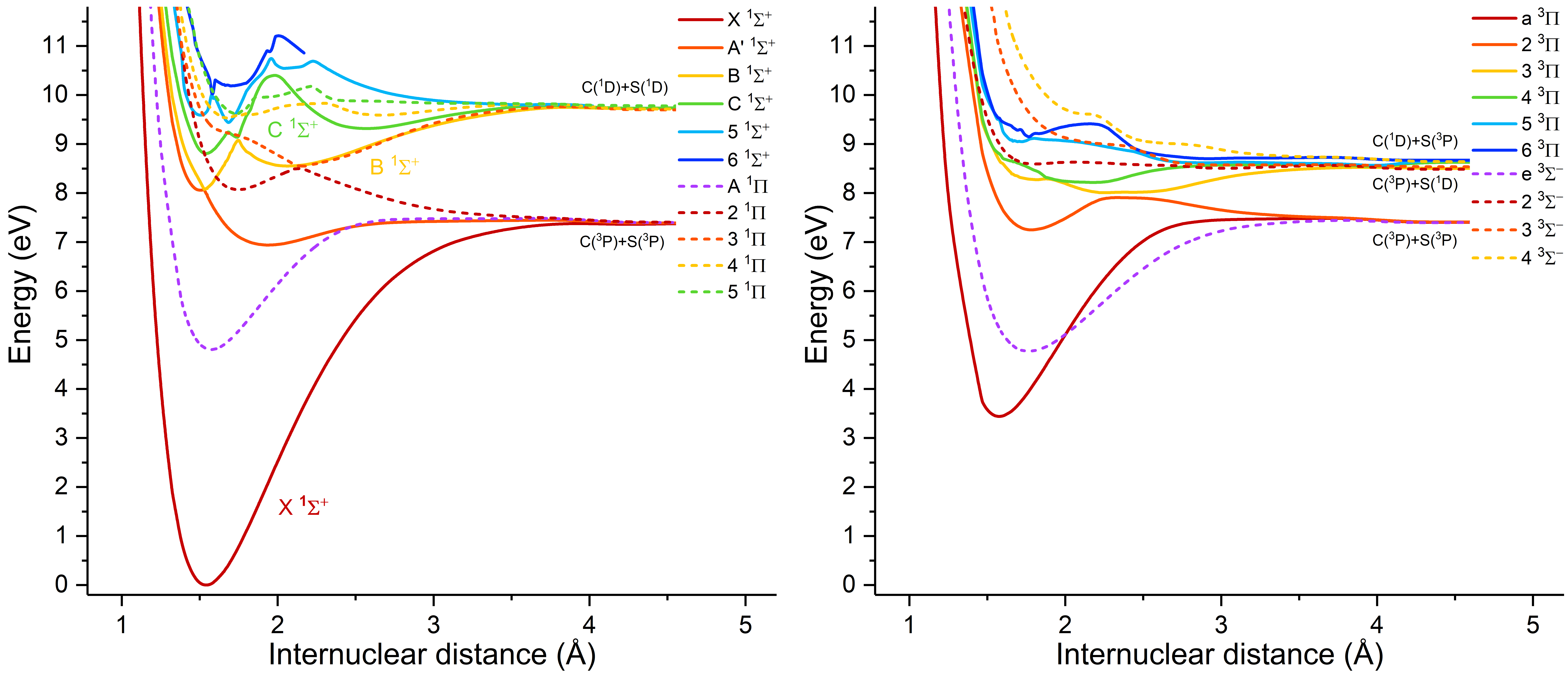 Figure 13
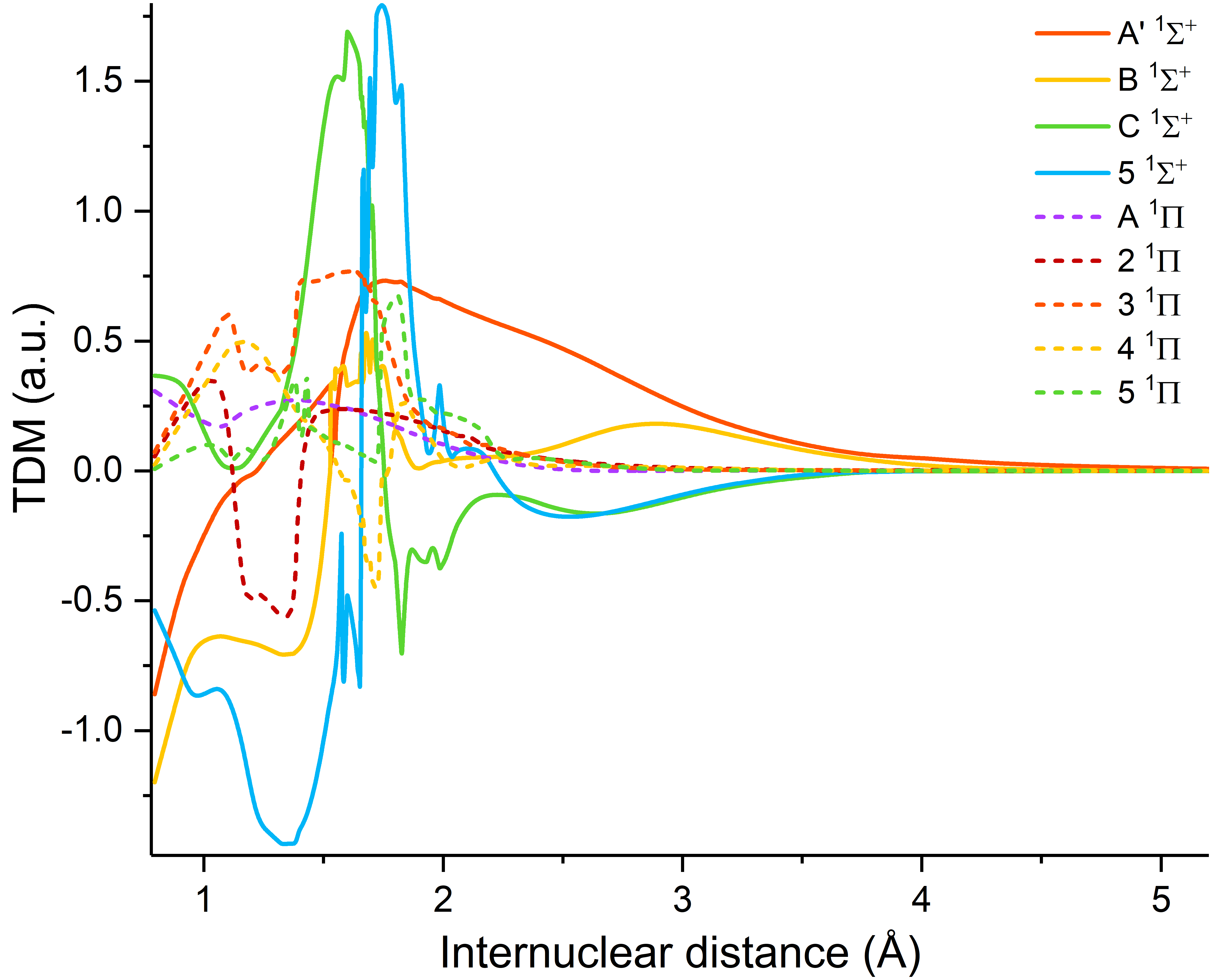 Figure 14
Peer Reviews
No public reviews on file for this paper yet. If you reviewed it on a platform where reviews are public (OpenReview, ICLR, NeurIPS, ICML), you can paste yours below so the community can read it here.
Videos
No videos yet. Explain this paper in a talk, walkthrough, or lecture? Add one.