Multivariate Modeling of Natural Gas Spot Trading Hubs Incorporating Futures Market Realized Volatility
Michael Weylandt, Yu Han, Katherine B. Ensor

TL;DR
This paper introduces a joint modeling approach using high-frequency data and Bayesian estimation to improve volatility prediction and risk management in LNG spot markets, especially for less liquid hubs.
Contribution
It develops a novel multivariate model that leverages liquid hub data to enhance volatility estimates for illiquid hubs, with robust Bayesian estimation techniques.
Findings
Model outperforms traditional methods in predictive accuracy.
Effective in markets with sparse and irregular data.
Applicable to other commodities with similar data patterns.
Abstract
Financial markets for Liquified Natural Gas (LNG) are an important and rapidly-growing segment of commodities markets. Like other commodities markets, there is an inherent spatial structure to LNG markets, with different price dynamics for different points of delivery hubs. Certain hubs support highly liquid markets, allowing efficient and robust price discovery, while others are highly illiquid, limiting the effectiveness of standard risk management techniques. We propose a joint modeling strategy, which uses high-frequency information from thickly-traded hubs to improve volatility estimation and risk management at thinly traded hubs. The resulting model has superior in- and out-of-sample predictive performance, particularly for several commonly used risk management metrics, demonstrating that joint modeling is indeed possible and useful. To improve estimation, a Bayesian estimation…
Click any figure to enlarge with its caption.
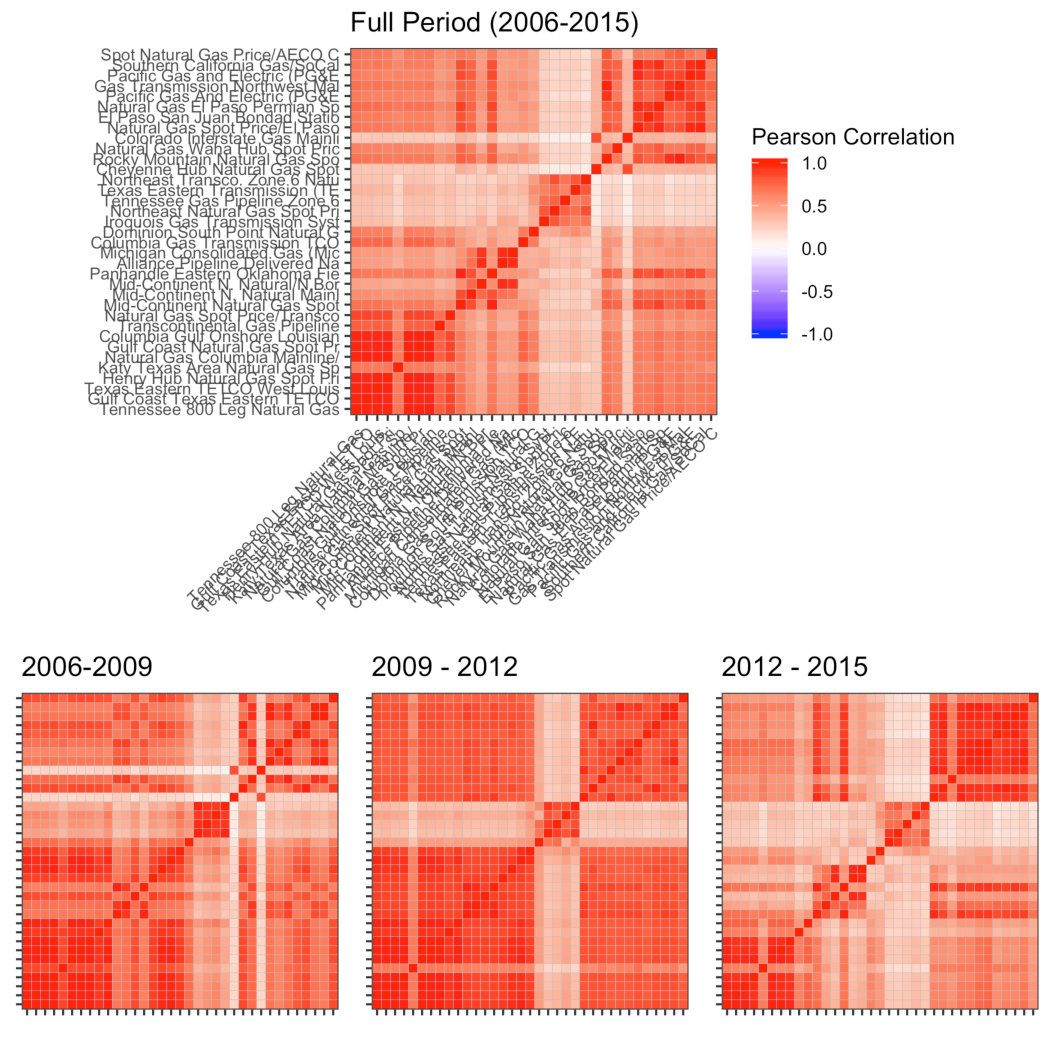 Figure 1
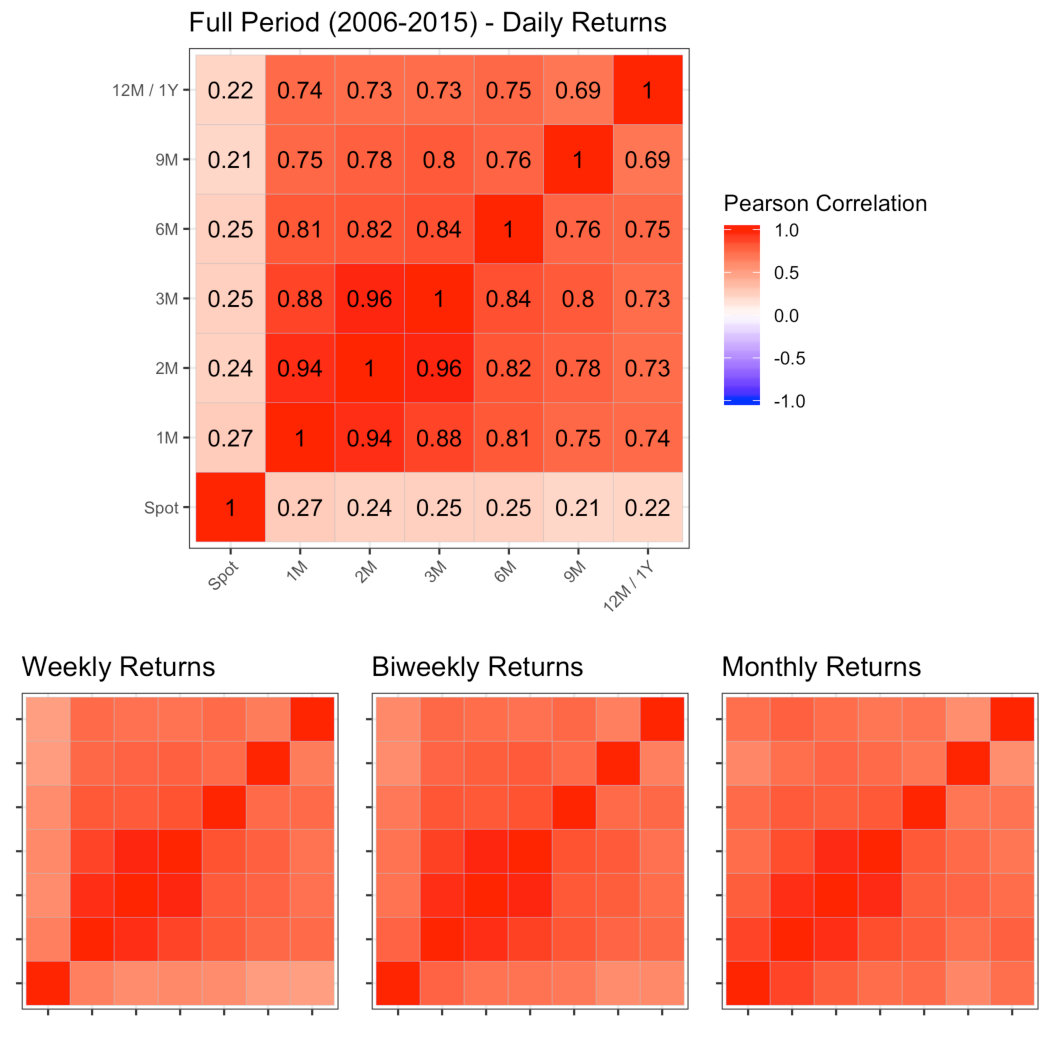 Figure 2
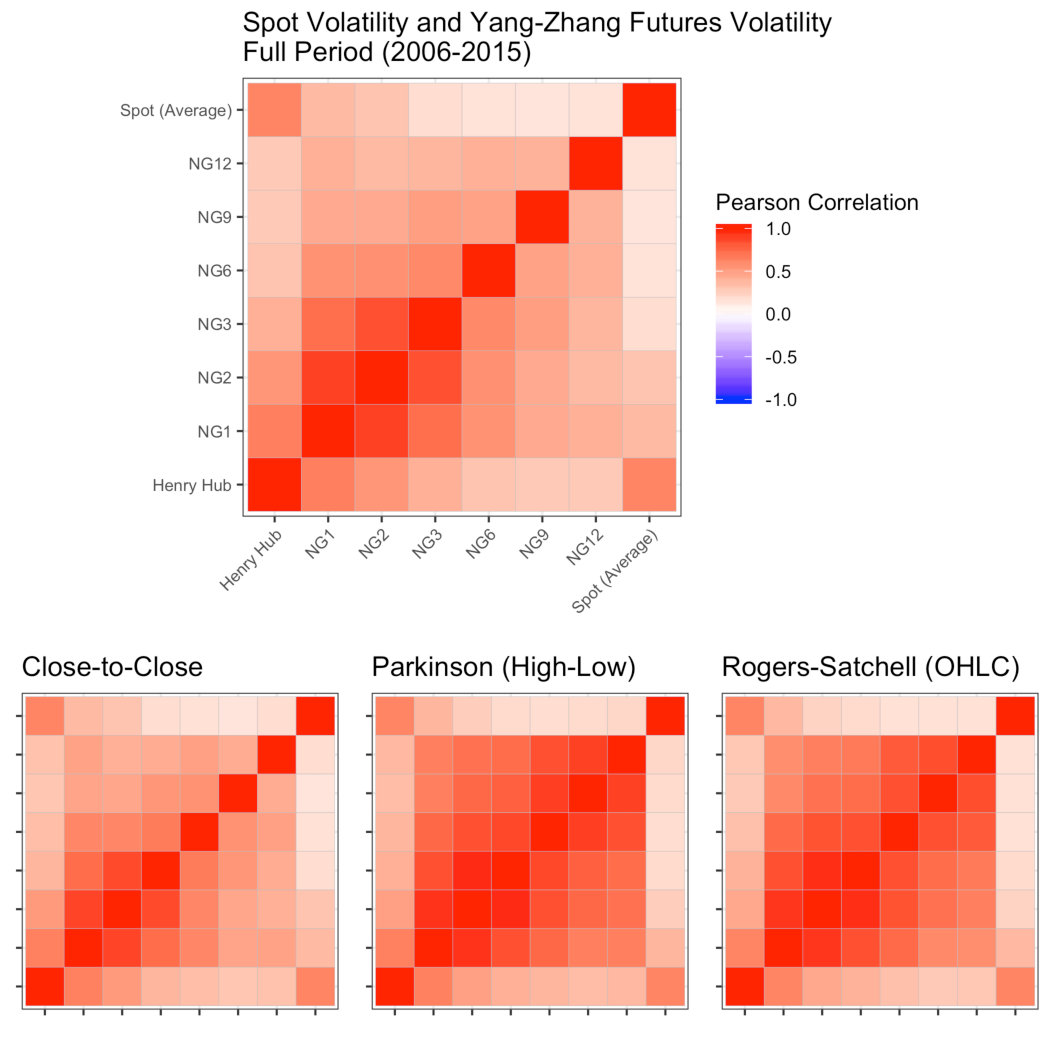 Figure 3
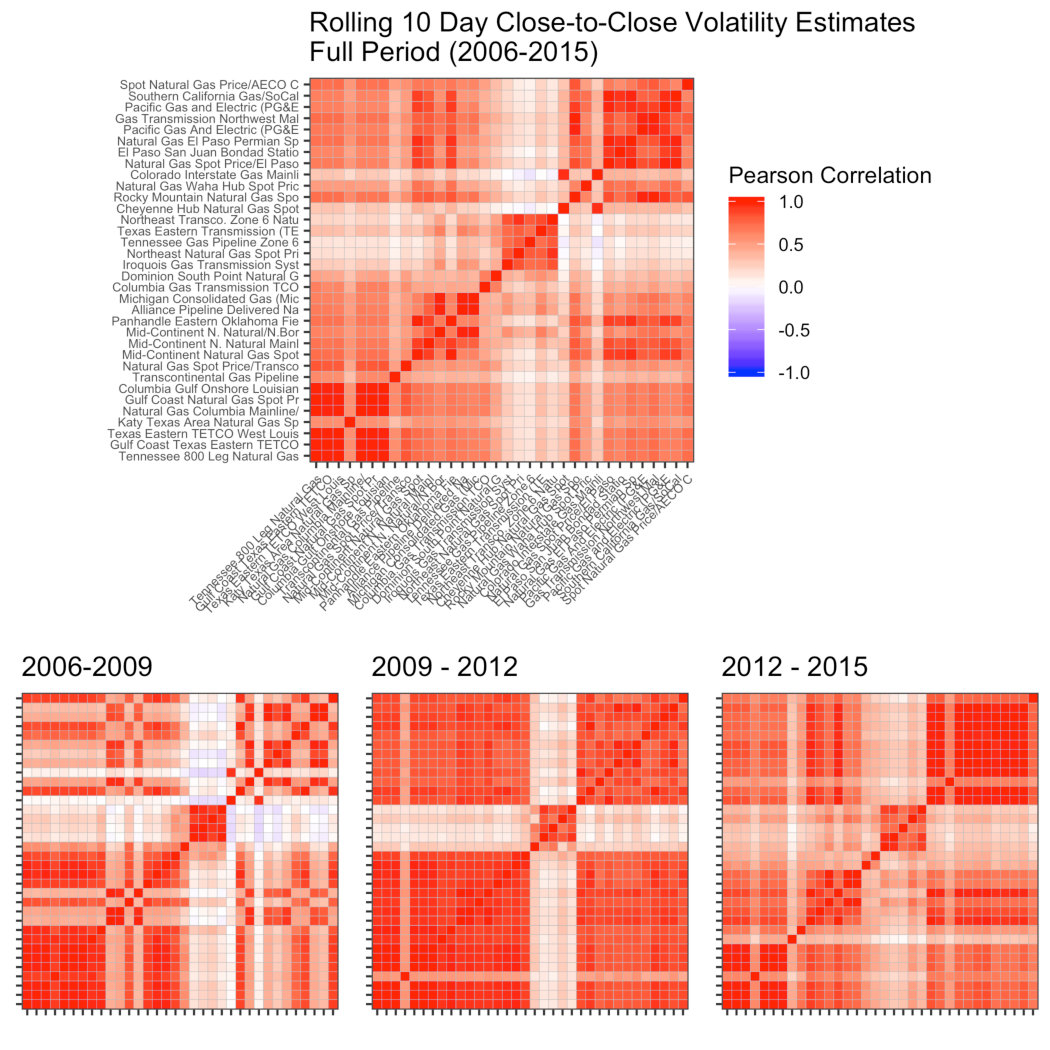 Figure 4
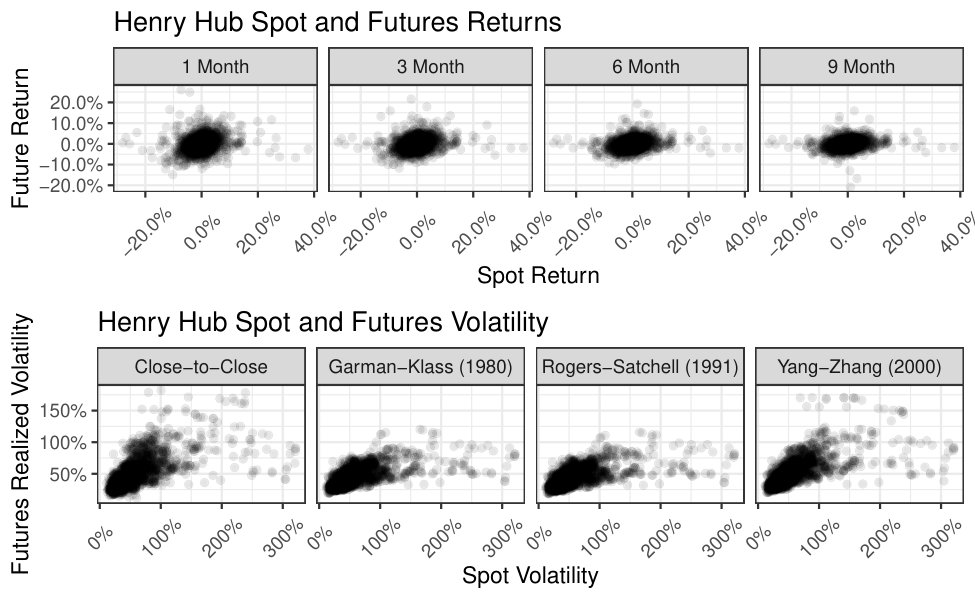 Figure 5
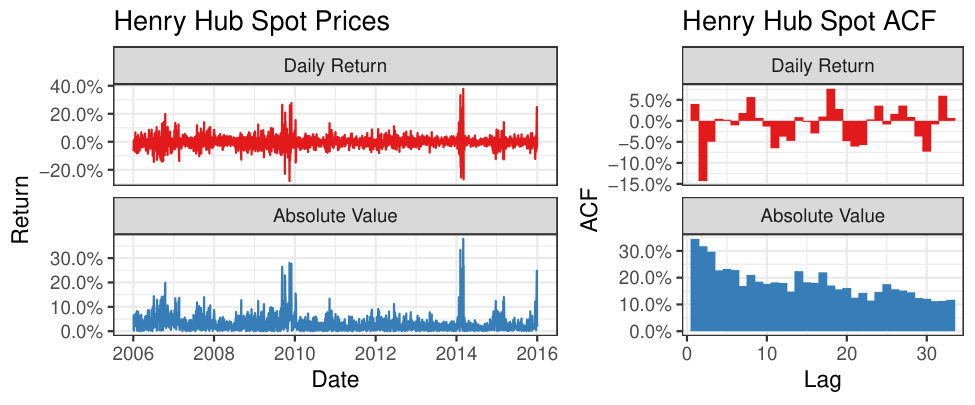 Figure 6
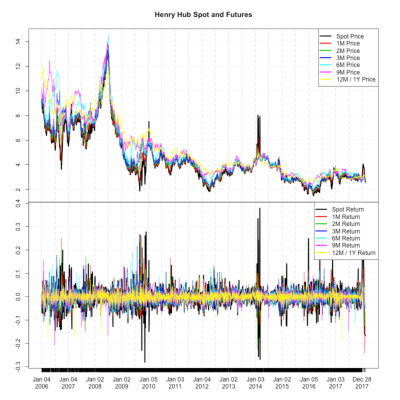 Figure 7
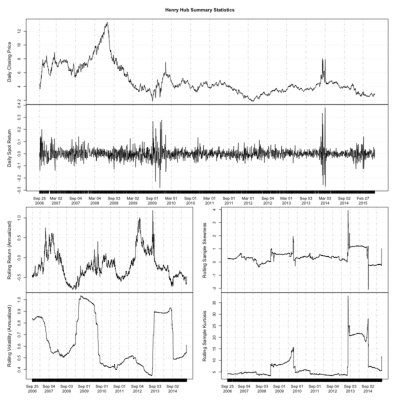 Figure 8
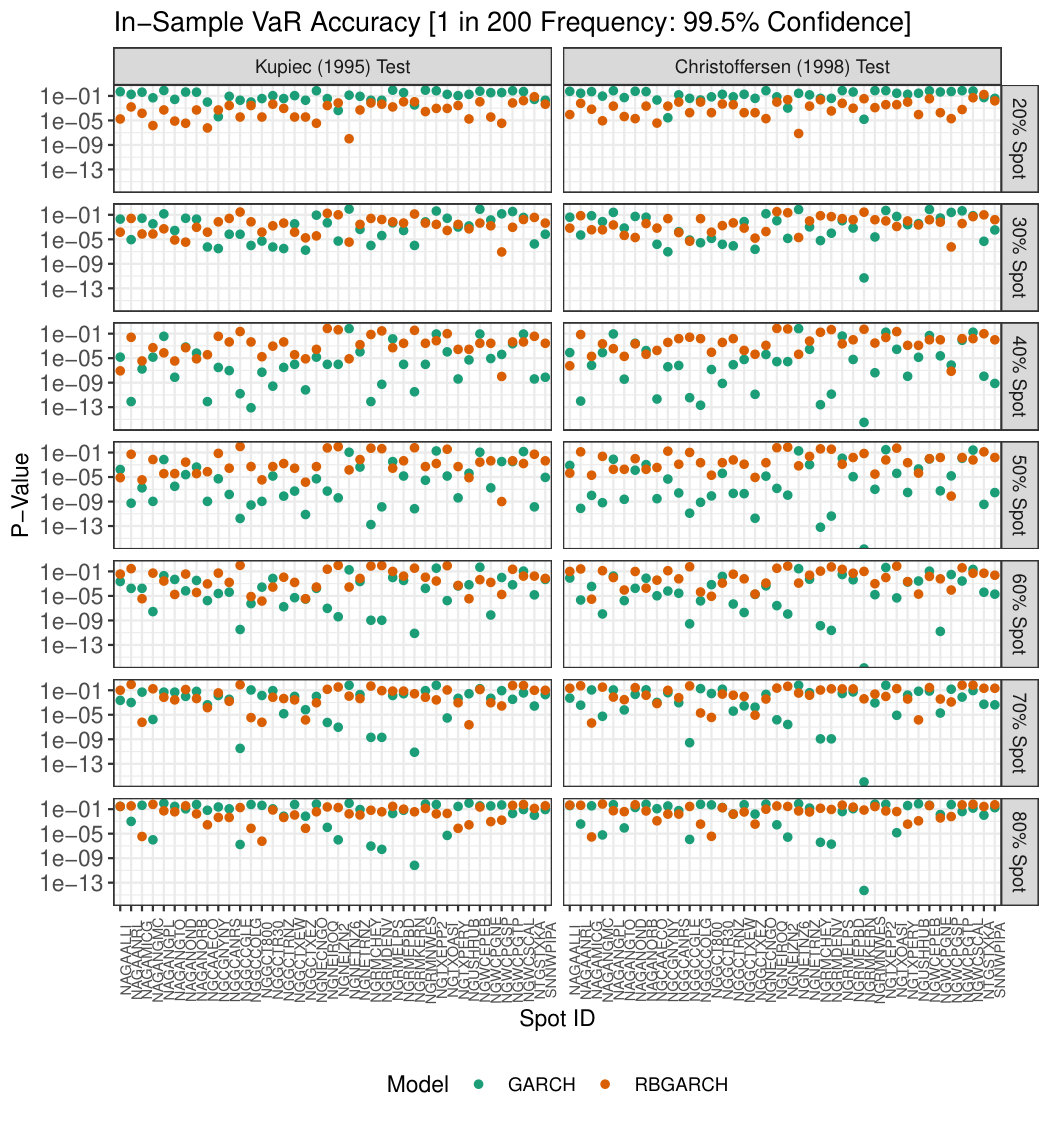 Figure 9
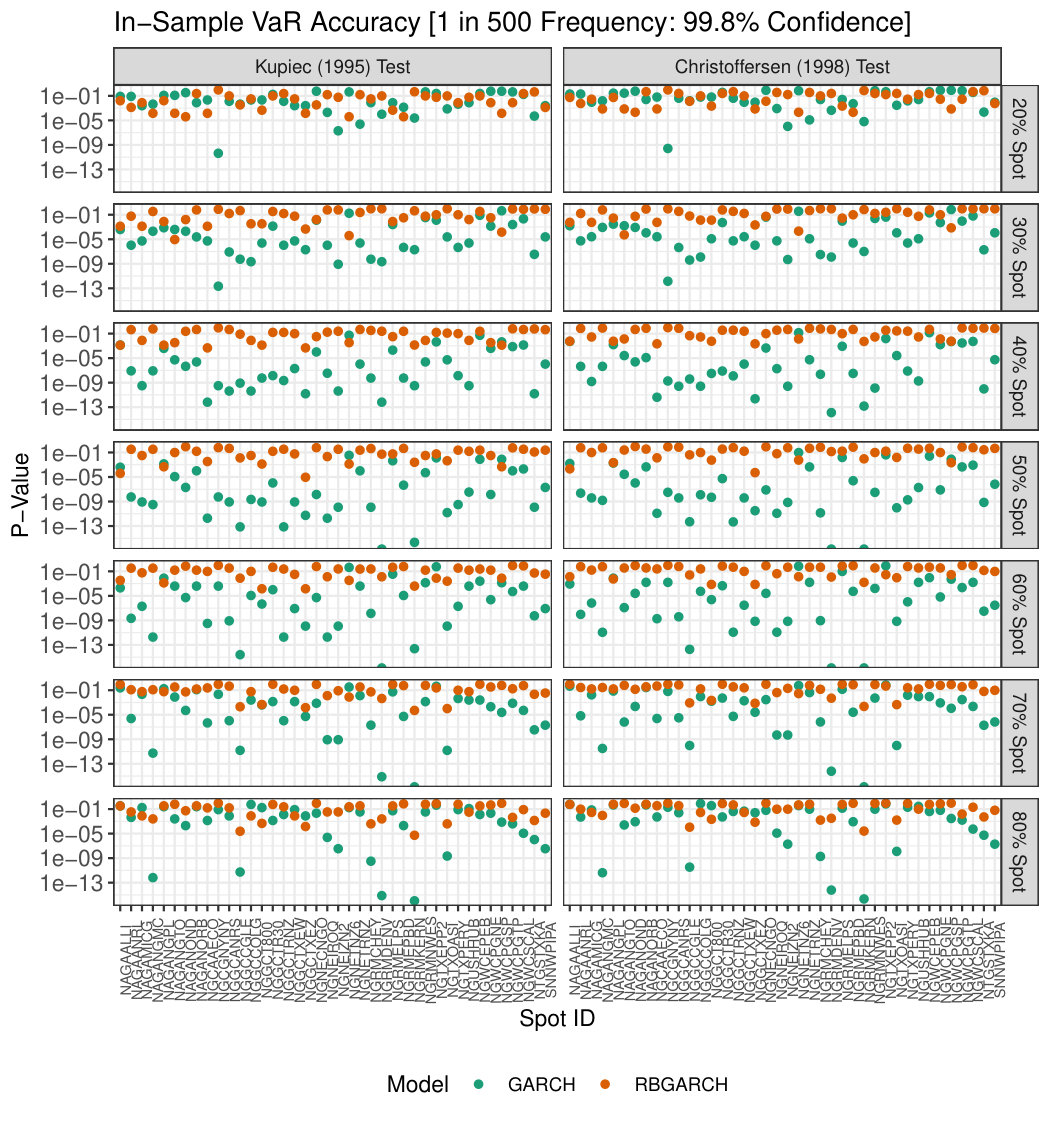 Figure 10
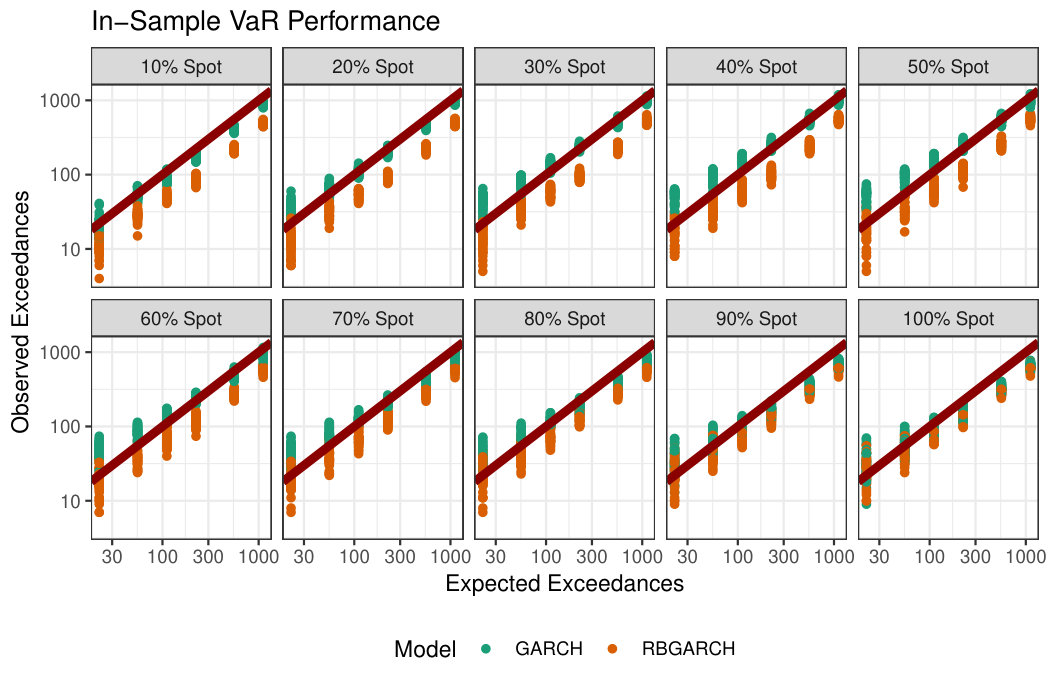 Figure 11
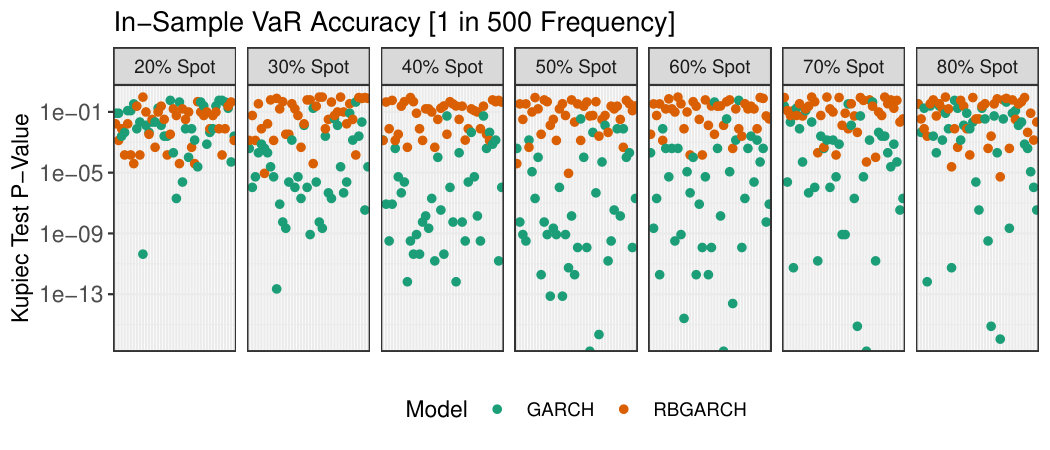 Figure 12
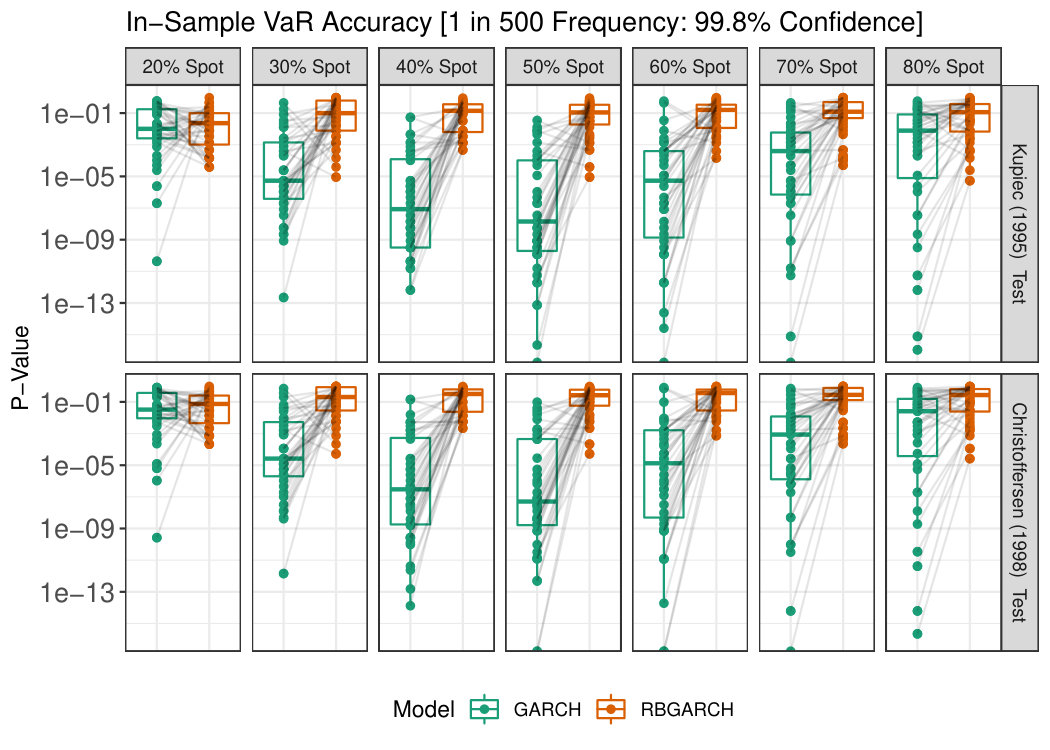 Figure 13
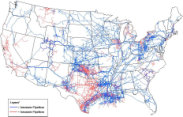 Figure 14
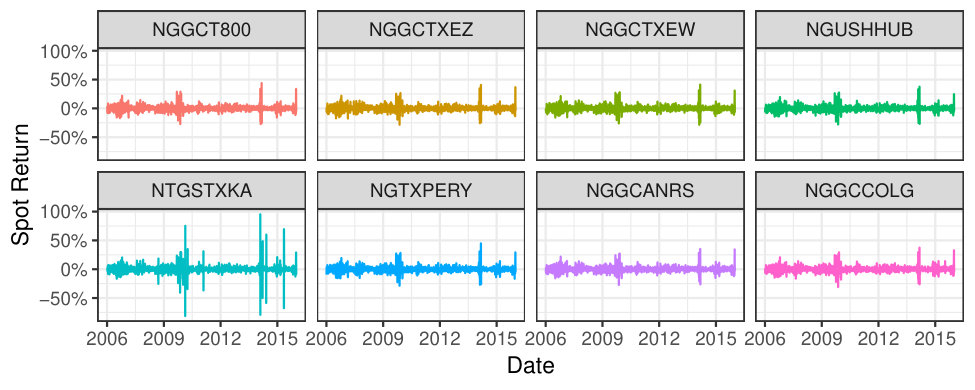 Figure 15
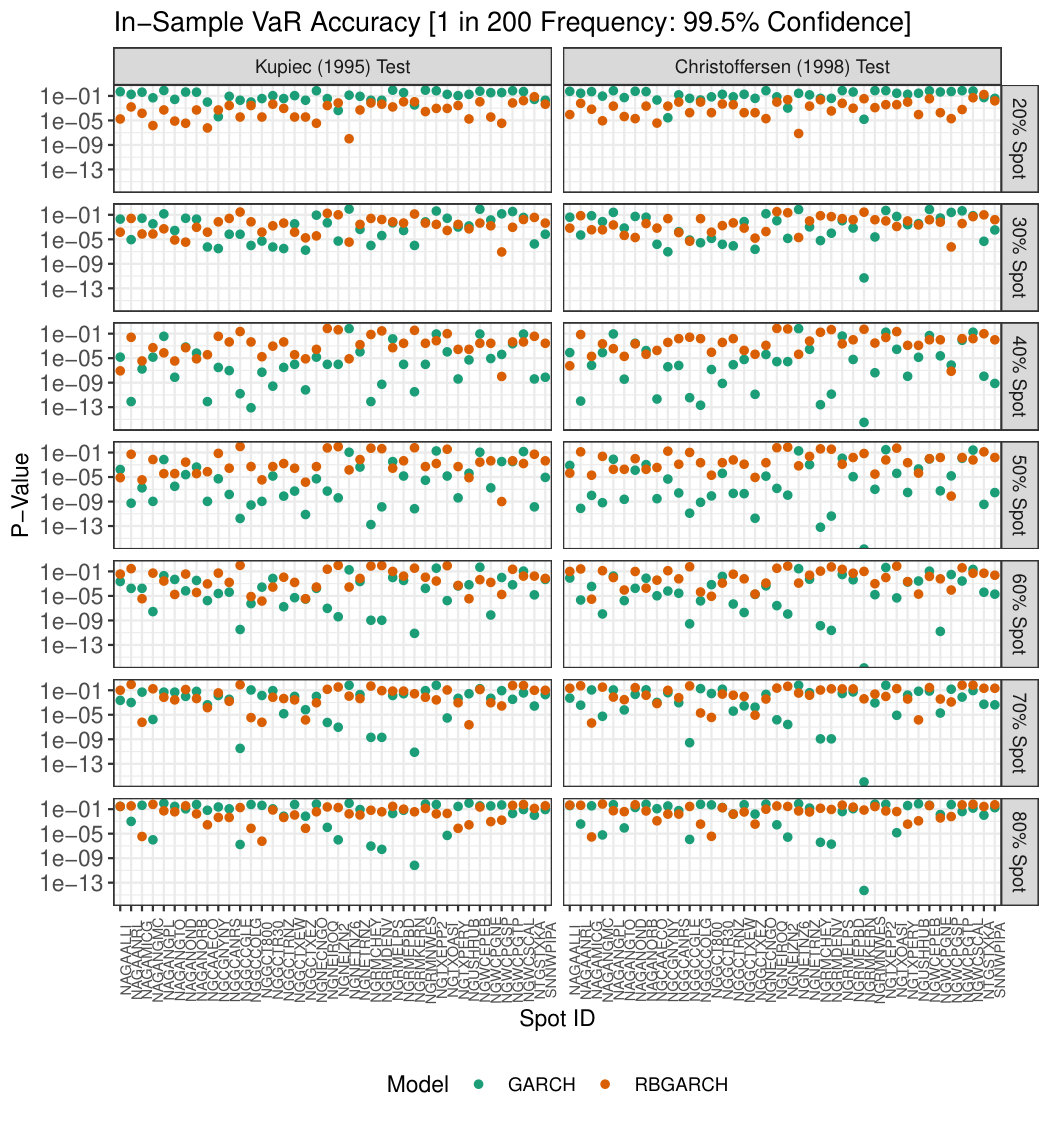 Figure 16
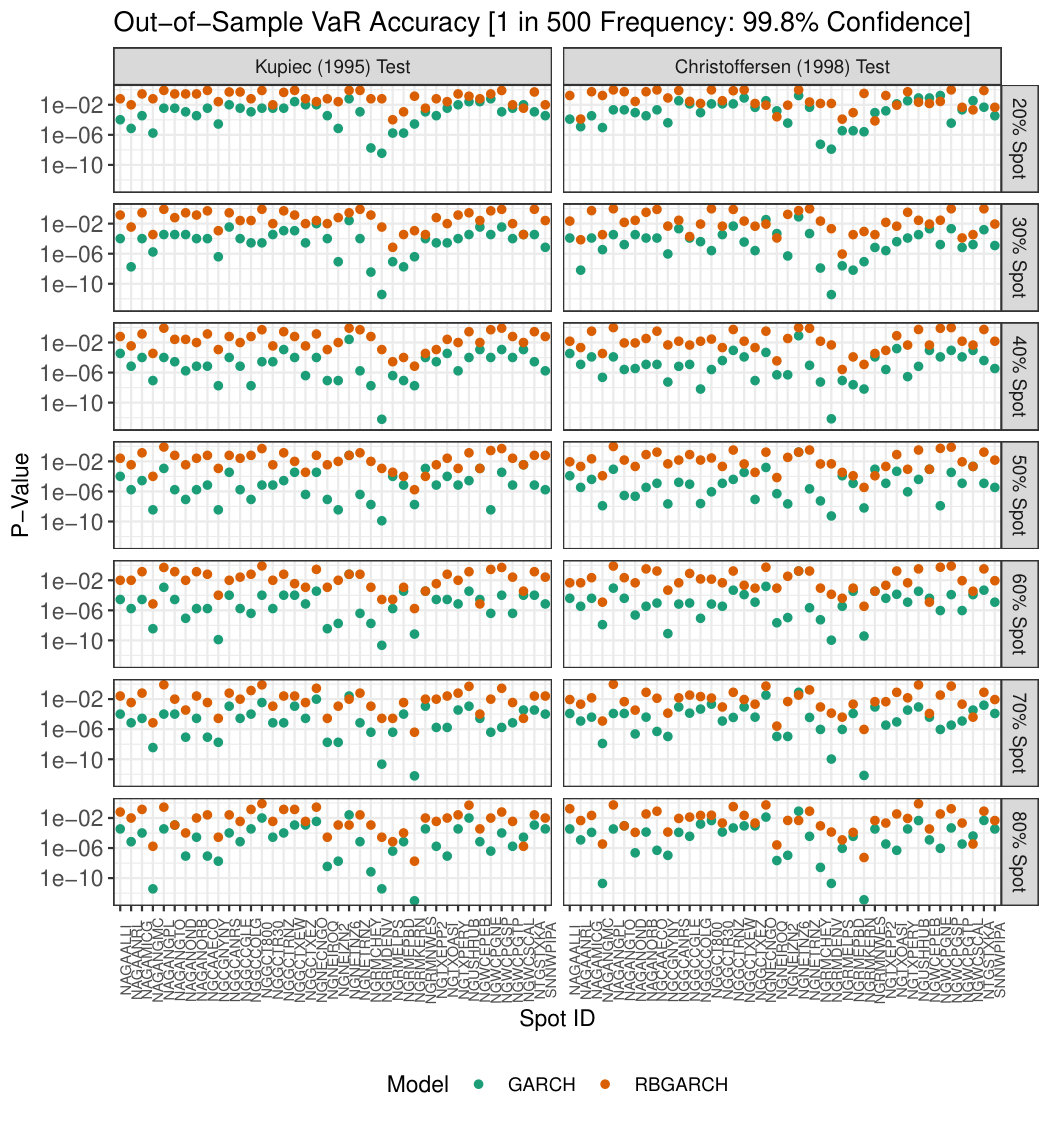 Figure 17
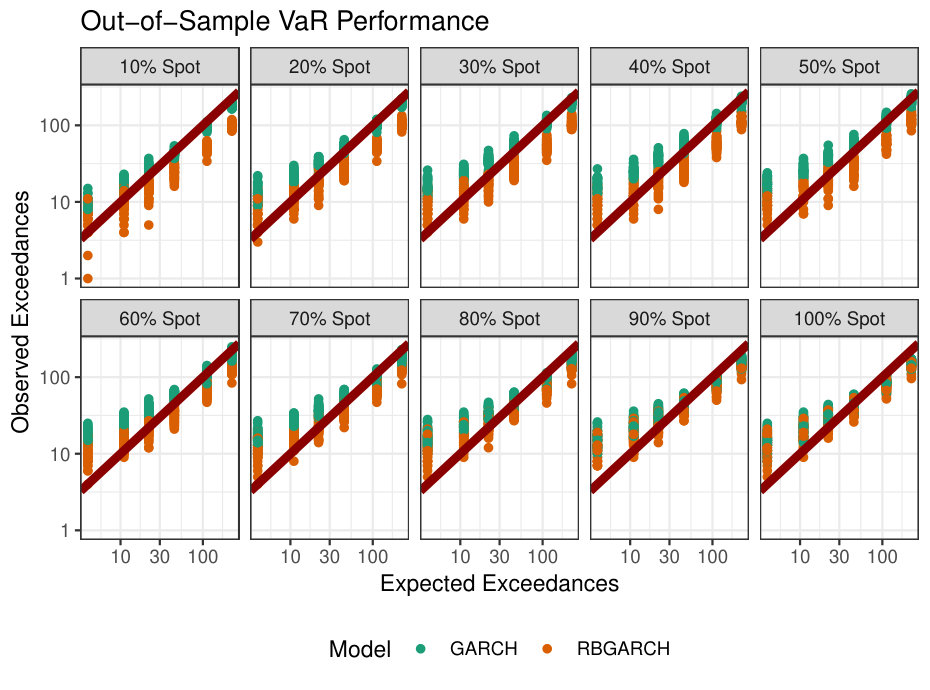 Figure 18
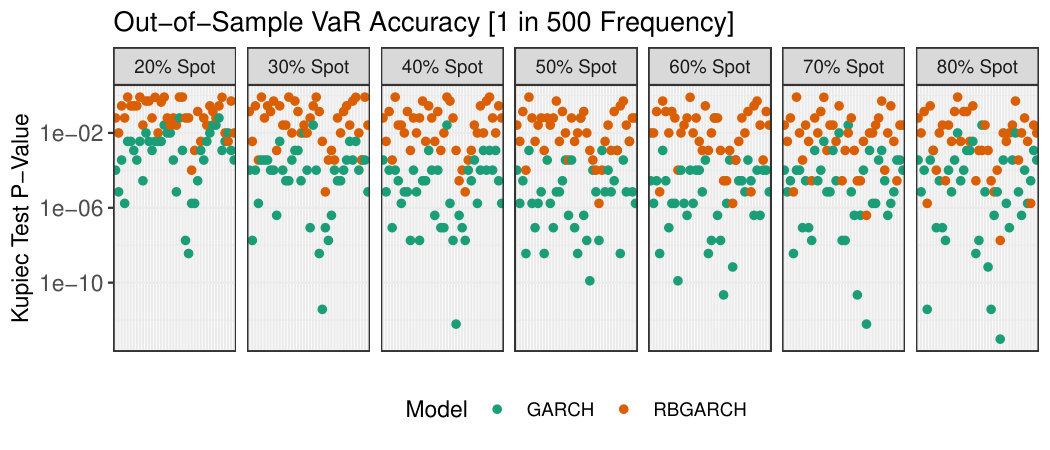 Figure 19
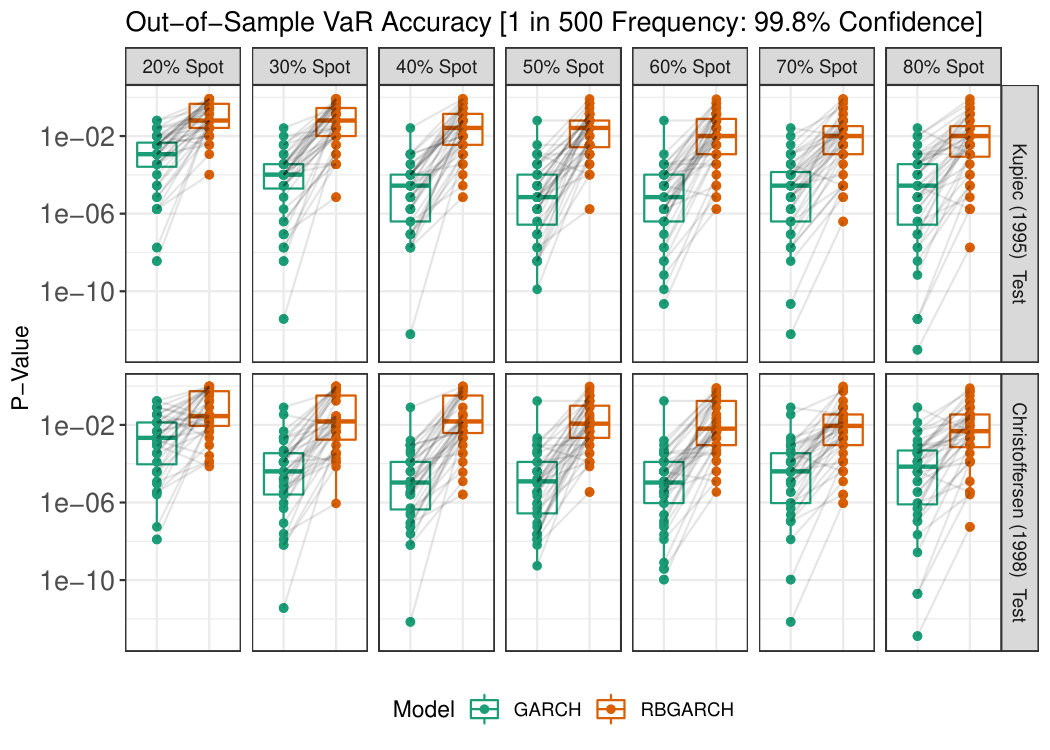 Figure 20
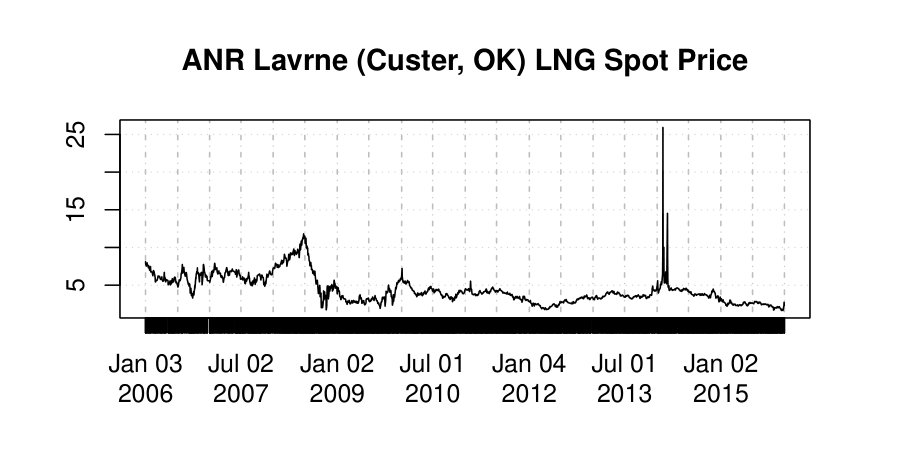 Figure 21
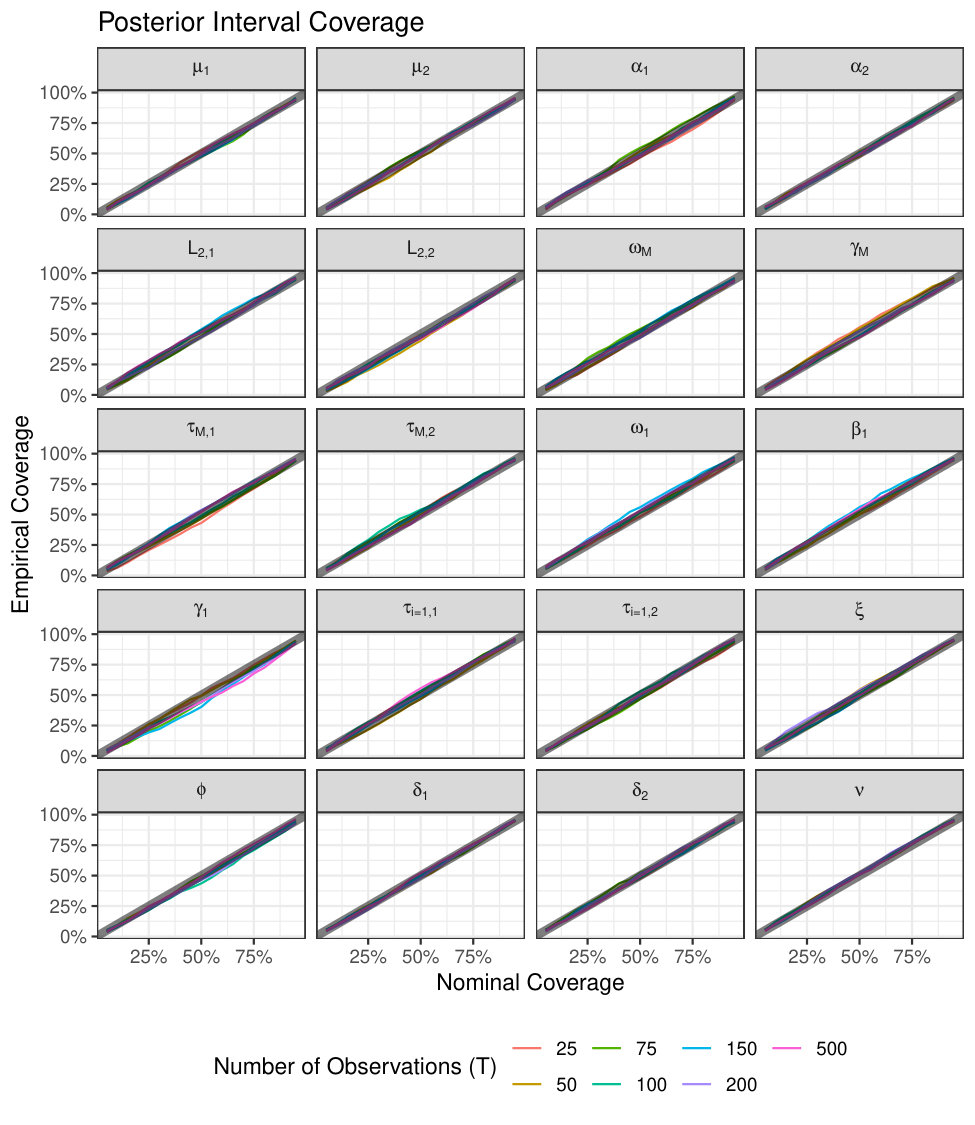 Figure 22
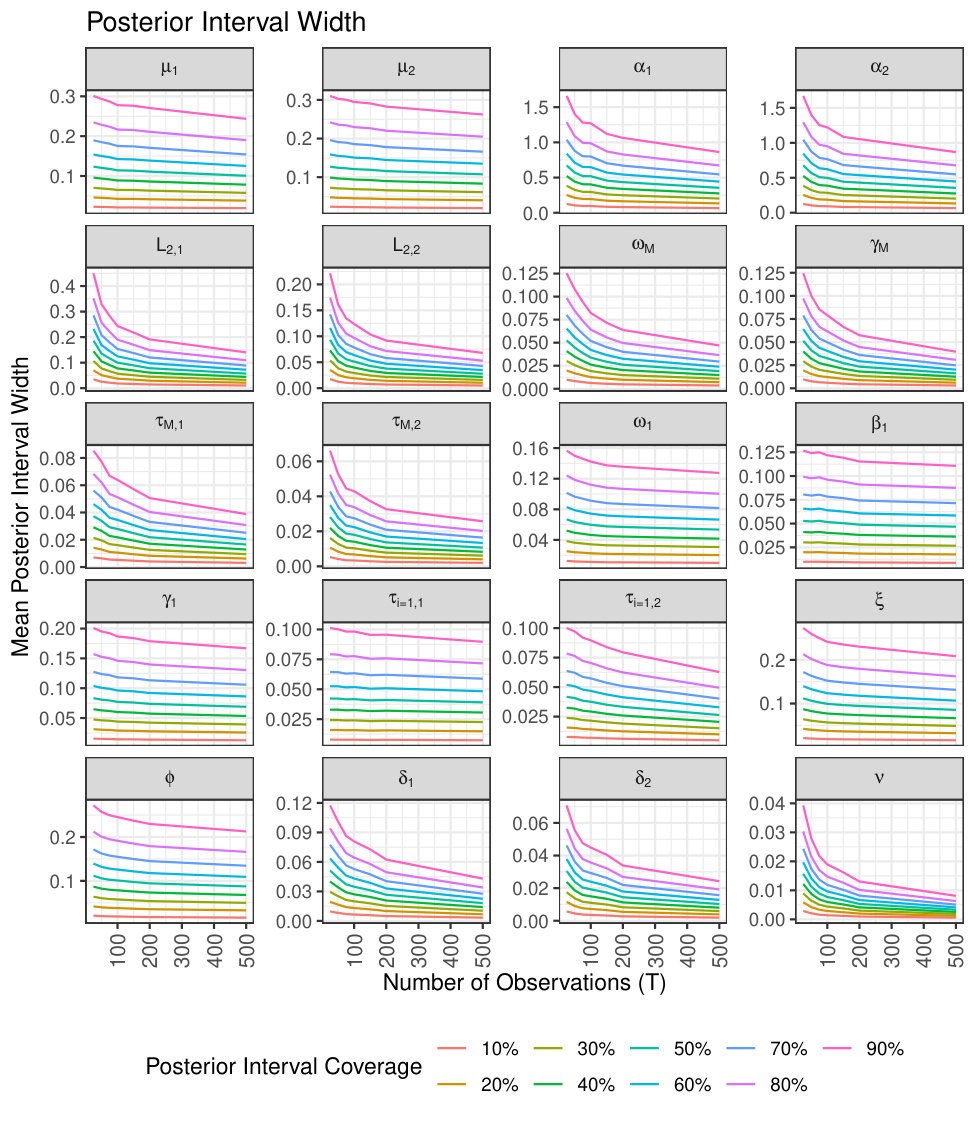 Figure 23
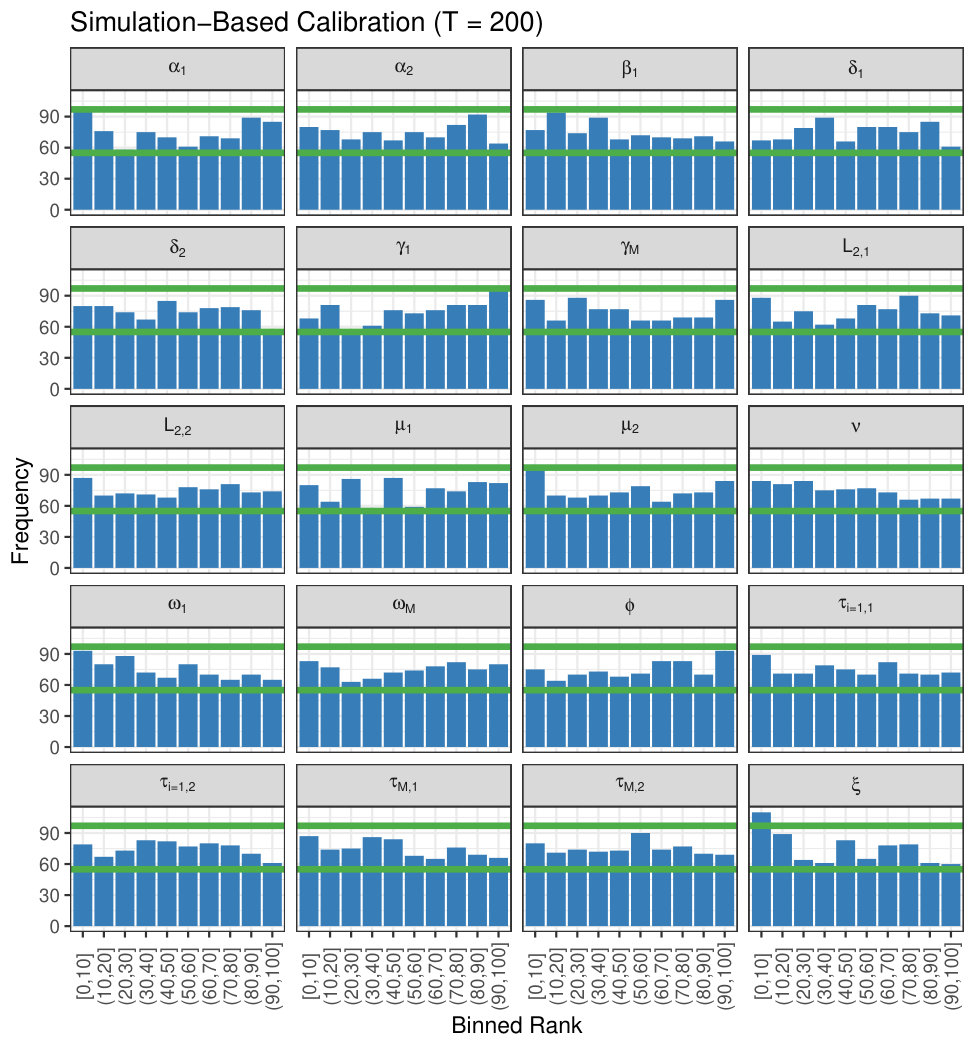 Figure 24
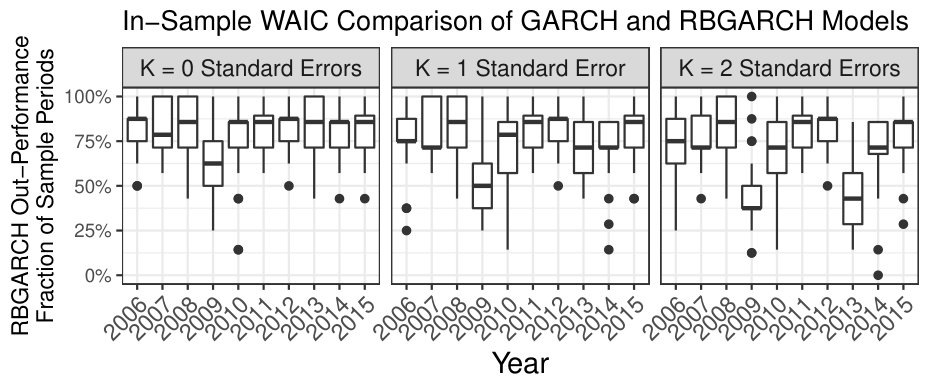 Figure 25
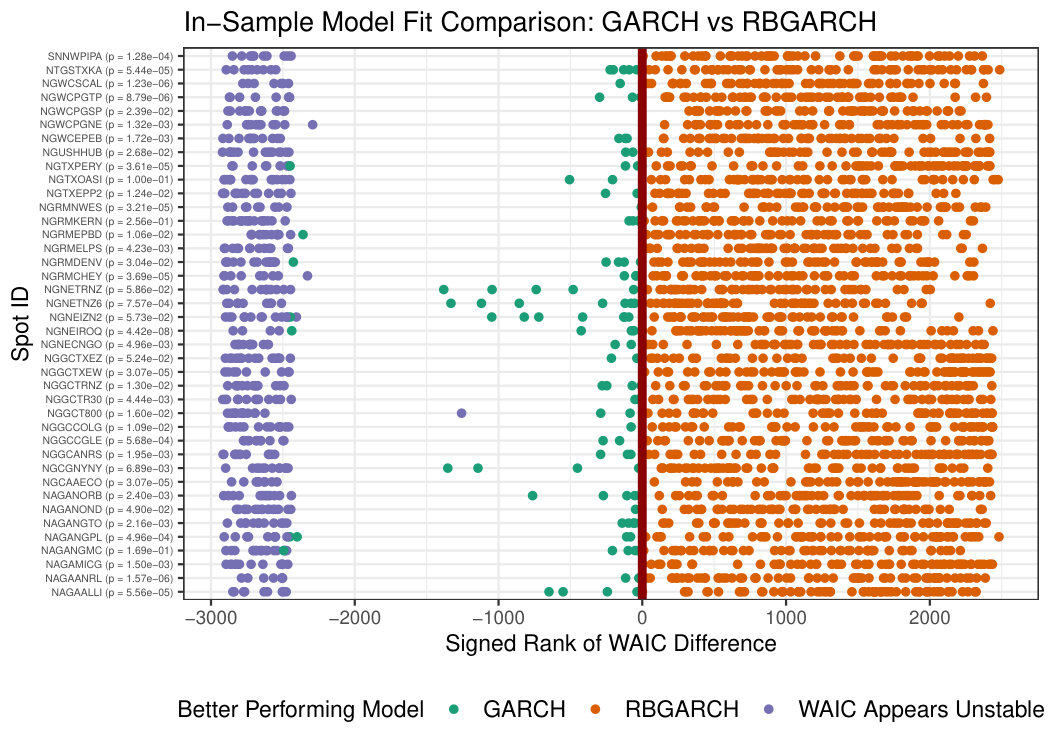 Figure 26
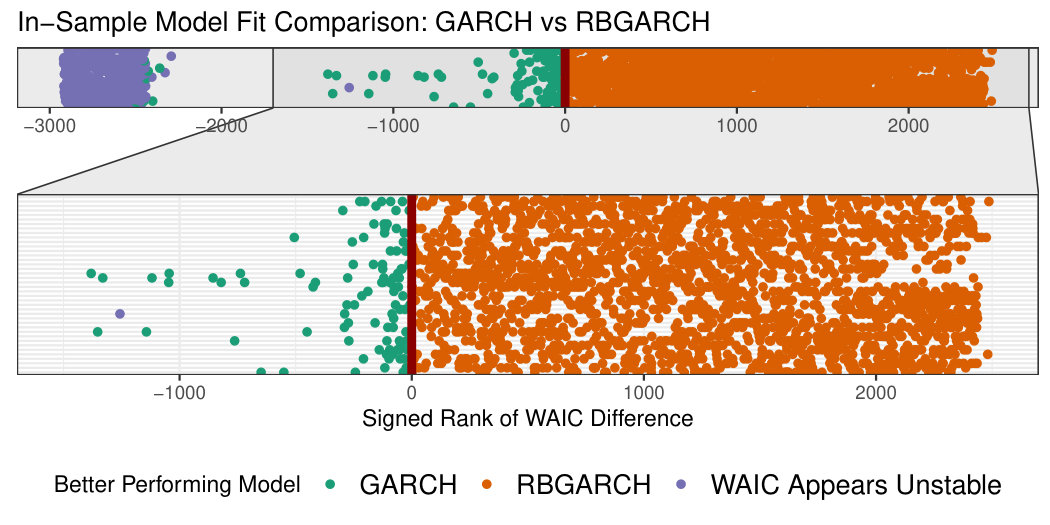 Figure 27
Peer Reviews
No public reviews on file for this paper yet. If you reviewed it on a platform where reviews are public (OpenReview, ICLR, NeurIPS, ICML), you can paste yours below so the community can read it here.
Videos
No videos yet. Explain this paper in a talk, walkthrough, or lecture? Add one.
Taxonomy
TopicsMarket Dynamics and Volatility · Monetary Policy and Economic Impact · Reservoir Engineering and Simulation Methods
\xpatchbibmacro
name:andothers\bibstringandothers\bibstring[*]*andothers
11affiliationtext: Department of Statistics, Rice University 22affiliationtext: Center for Computational Finance and Economic Systems, Rice University
Multivariate Modeling of Natural Gas Spot Trading Hubs Incorporating Futures Market Realized Volatility
Michael Weylandt111To whom correspondence should be addressed: [email protected].
Yu Han
Katherine B. Ensor
(Last Updated: )
Abstract
Financial markets for Liquified Natural Gas (LNG) are an important and rapidly-growing segment of commodities markets. Like other commodities markets, there is an inherent spatial structure to LNG markets, with different price dynamics for different points of delivery hubs. Certain hubs support highly liquid markets, allowing efficient and robust price discovery, while others are highly illiquid, limiting the effectiveness of standard risk management techniques. We propose a joint modeling strategy, which uses high-frequency information from thickly-traded hubs to improve volatility estimation and risk management at thinly traded hubs. The resulting model has superior in- and out-of-sample predictive performance, particularly for several commonly used risk management metrics, demonstrating that joint modeling is indeed possible and useful. To improve estimation, a Bayesian estimation strategy is employed and data-driven weakly informative priors are suggested. Our model is robust to sparse data and can be effectively used in any market with similar irregular patterns of data availability.