Solitary Wave Formation under the Interplay between Spatial Inhomogeneity and Nonlocality
Konstantinos Dragonas, Yannis Kominis

TL;DR
This paper investigates how spatial inhomogeneity and nonlocal nonlinearities interact to influence the formation and propagation of solitary waves, revealing conditions for different wave types and their potential for advanced applications.
Contribution
It provides analytical conditions for solitary wave existence considering inhomogeneity and nonlocality, and explores their dynamic behaviors through numerical simulations.
Findings
Existence of discrete Bright SW and continuous Kink SW families.
Stable and oscillatory propagation regimes identified.
Transformations between different SW types demonstrated.
Abstract
The presence of spatial inhomogeneity in a nonlinear medium restricts the formation of Solitary Waves (SW) on a discrete set of positions whereas a nonlocal nonlinearity tends to smooth the medium response by averaging over neighboring points. The interplay of these antagonistic effects is studied in terms of SW formation and propagation. Formation dynamics is analyzed under a phase space approach and analytical conditions for the existence of either discrete families of Bright SW or continuous families of Kink SW are obtained in terms of Melnikov's method. Propagation dynamics are studied numerically and cases of stable and oscillatory propagation as well as dynamical transformation between different types of SW are shown. The existence of different types and families of SW in the same configuration, under appropriate relations between their spatial width and power with the…
Click any figure to enlarge with its caption.
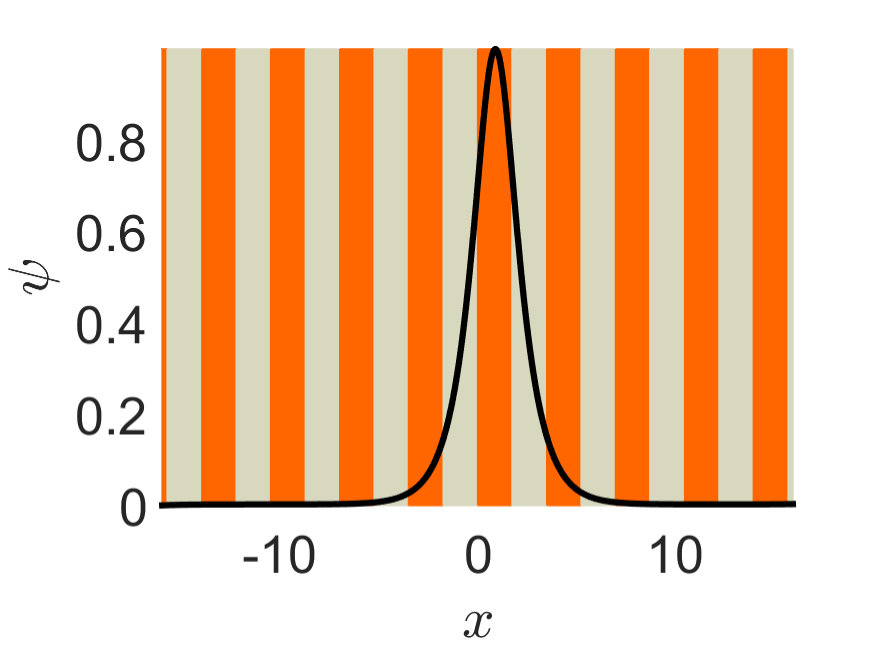 Figure 1
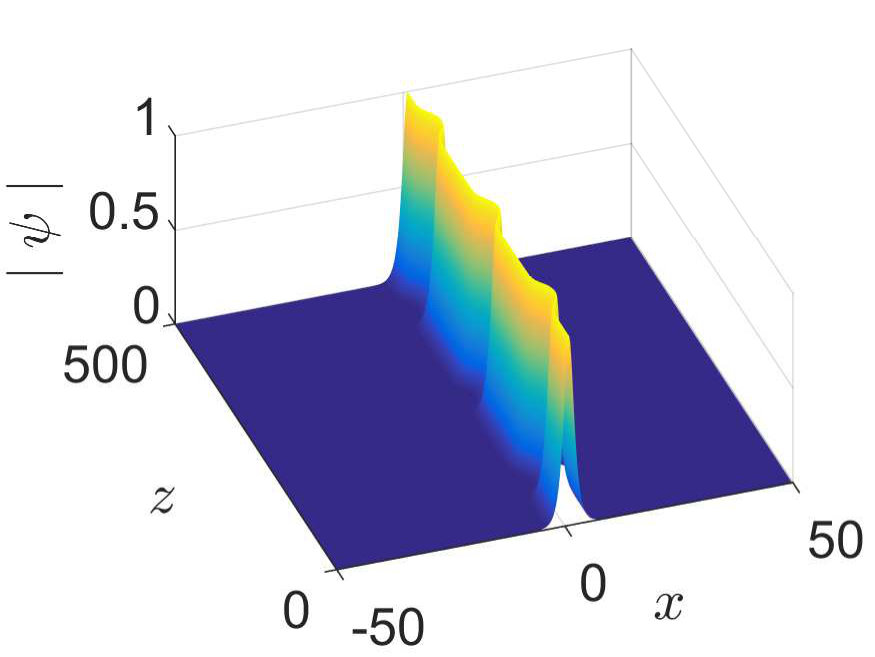 Figure 2
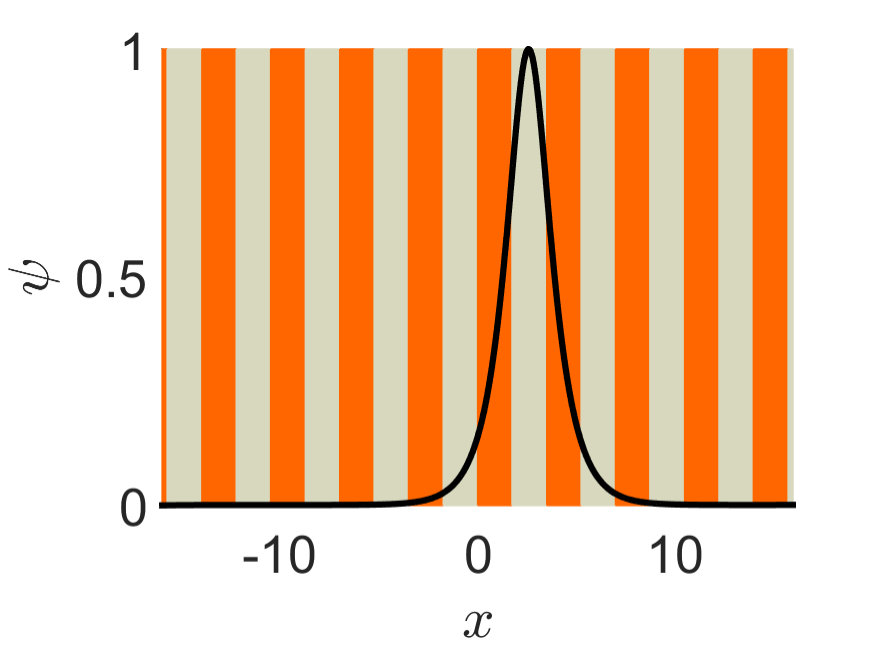 Figure 3
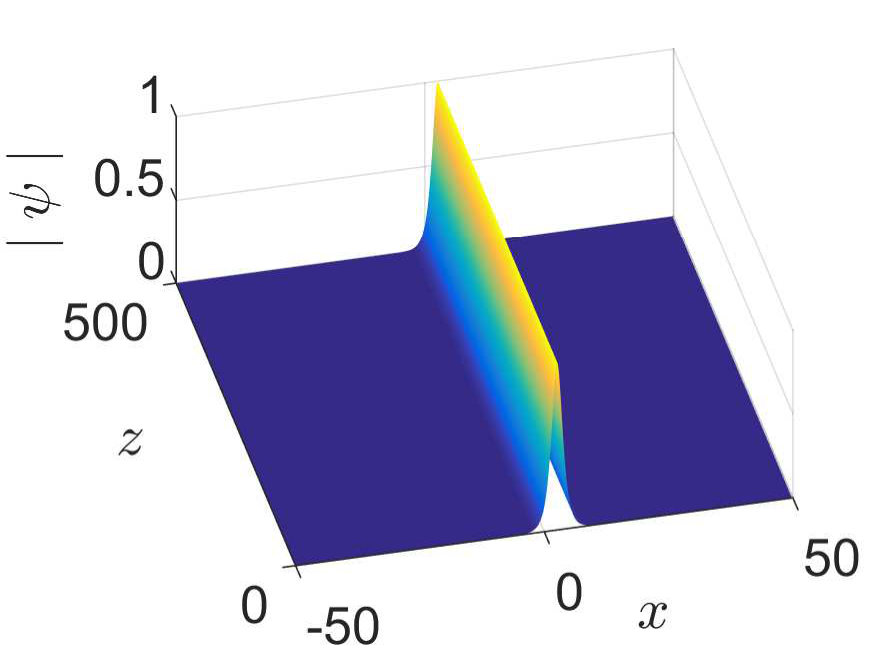 Figure 4
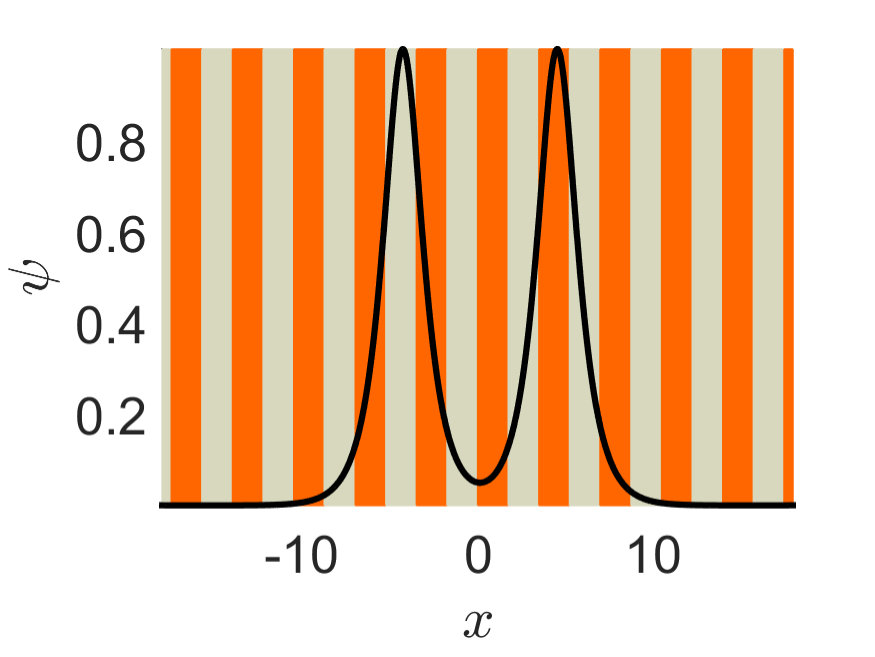 Figure 5
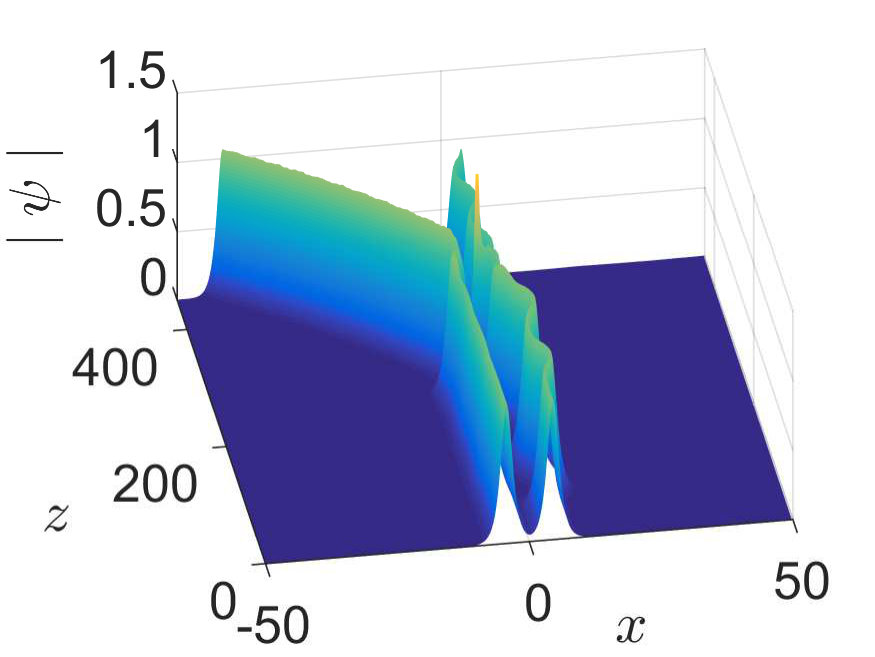 Figure 6
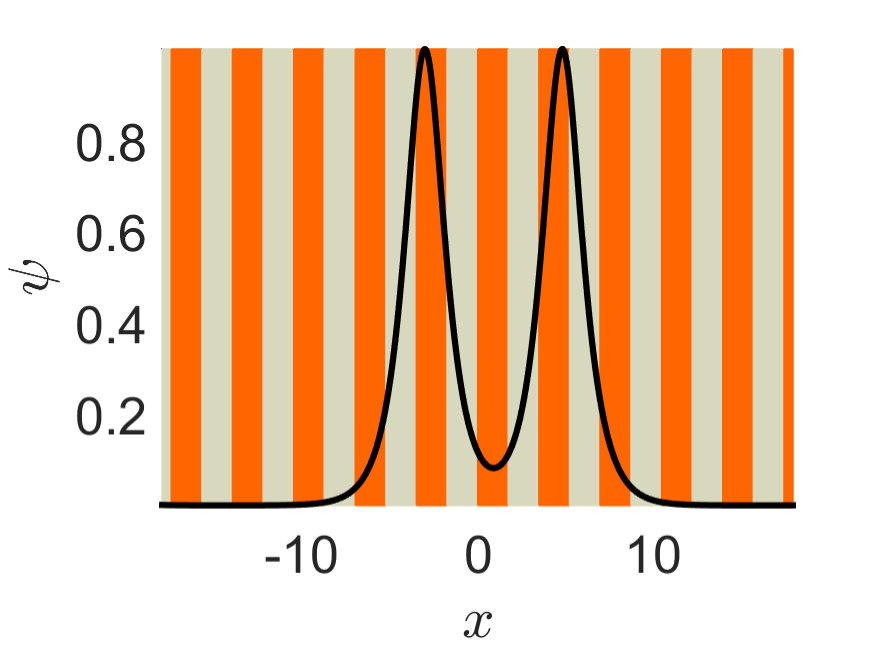 Figure 7
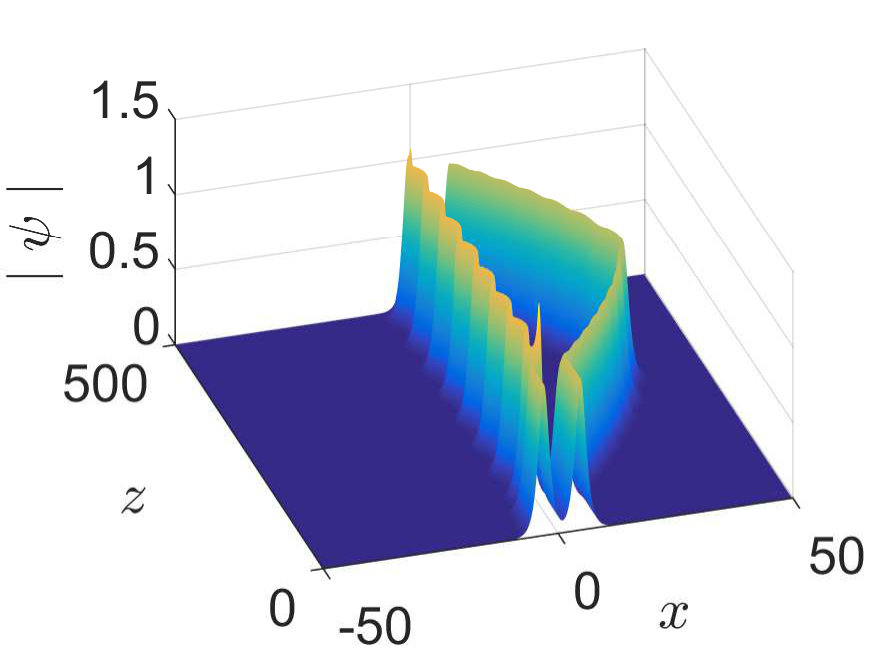 Figure 8
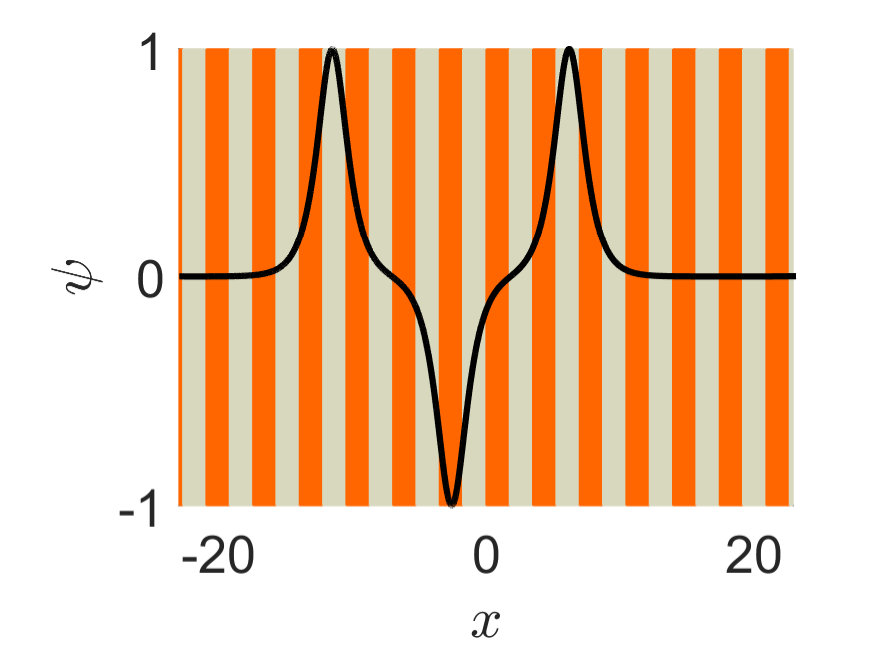 Figure 9
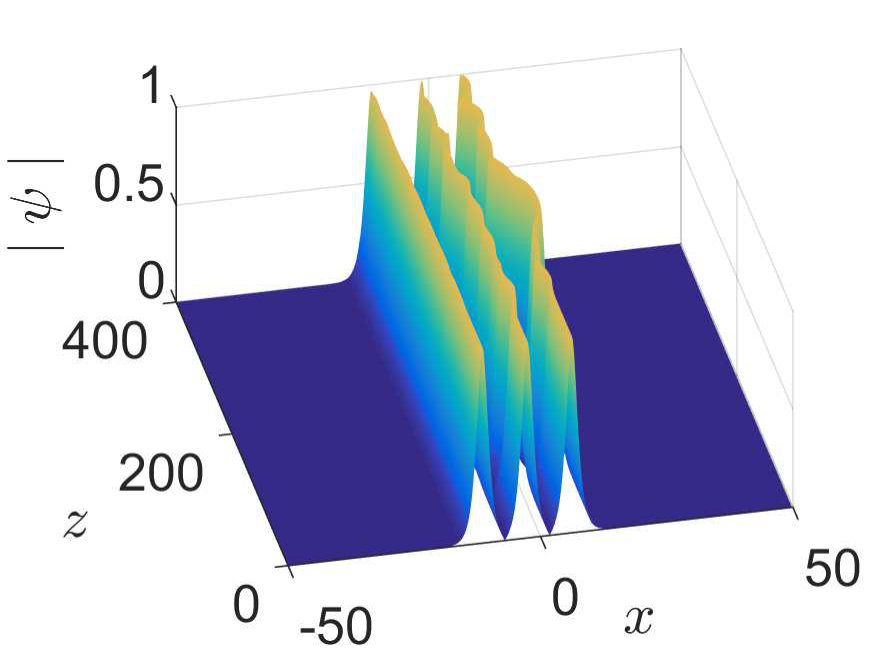 Figure 10
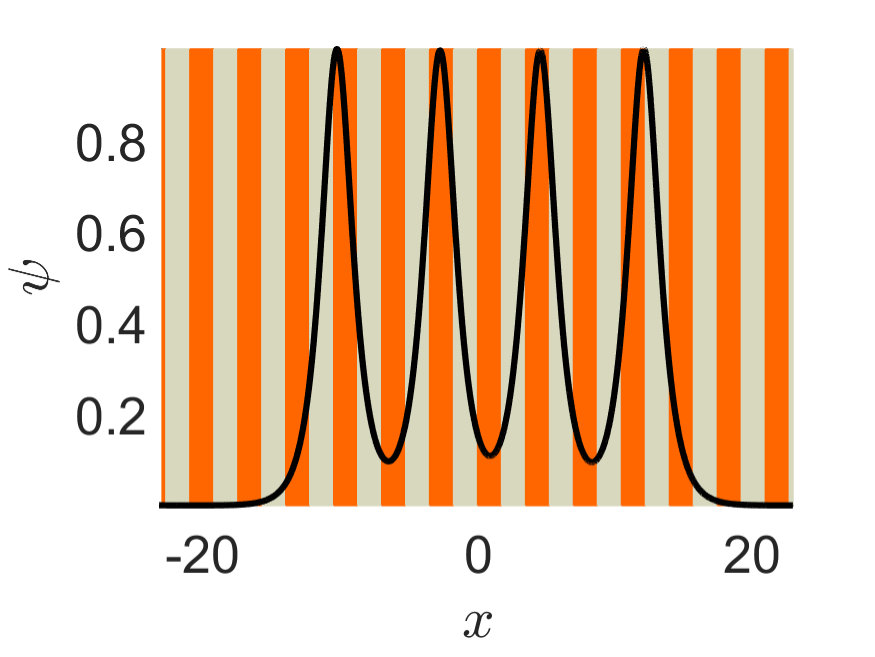 Figure 11
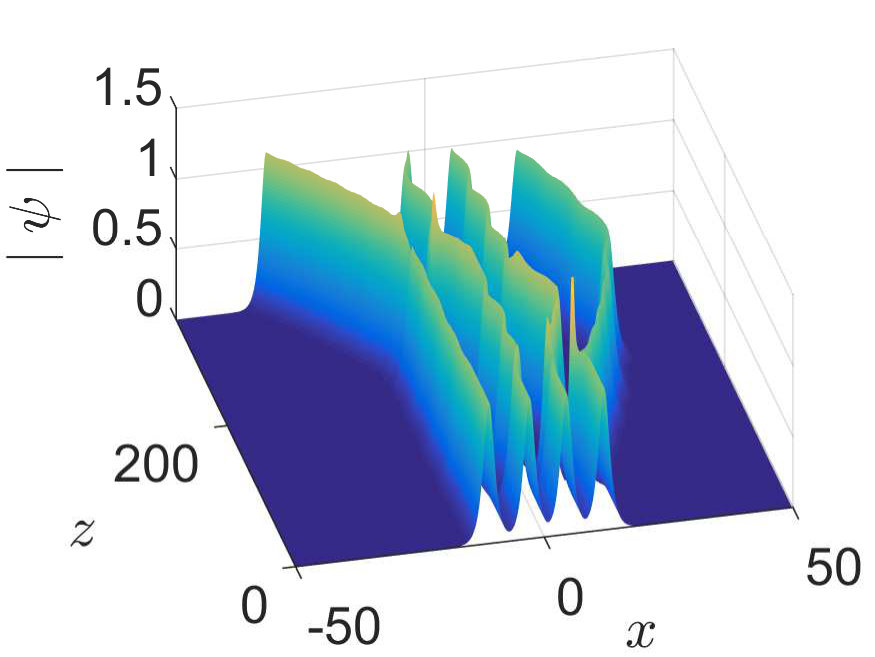 Figure 12
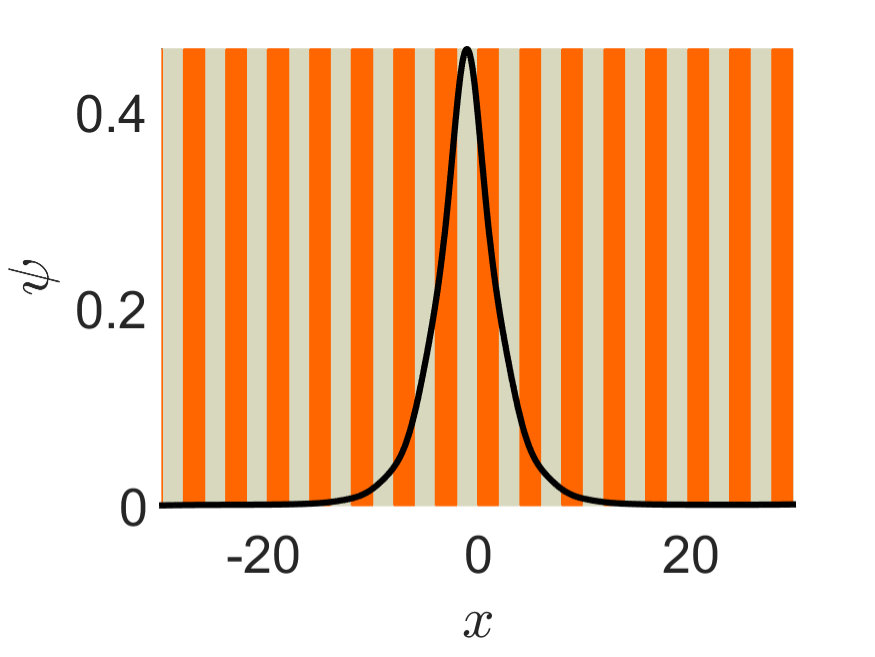 Figure 13
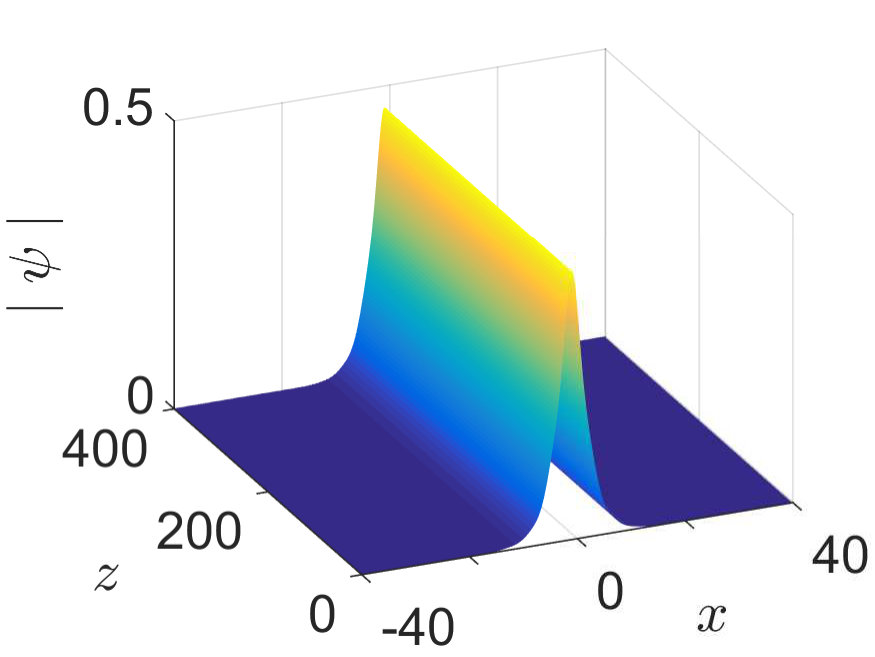 Figure 14
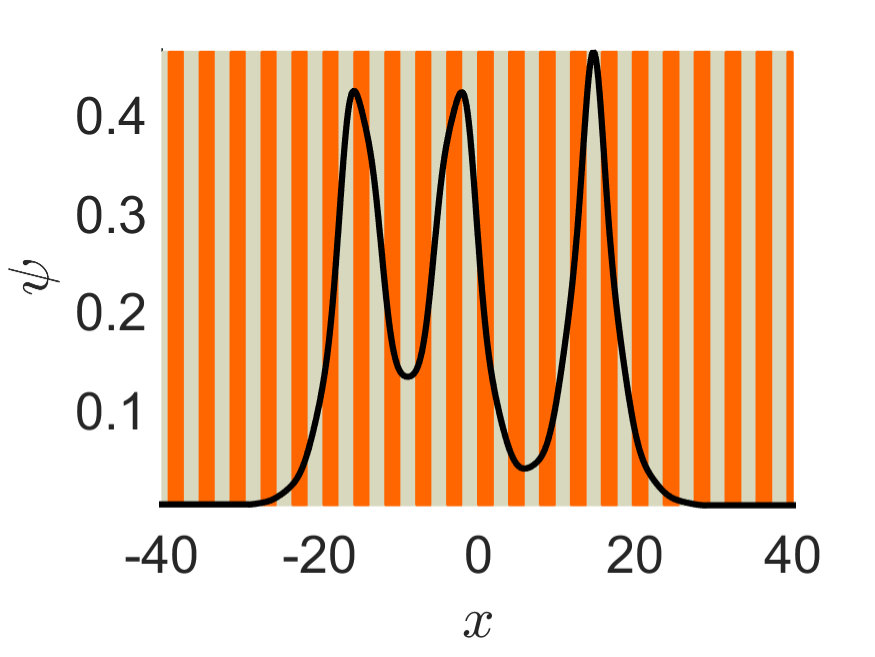 Figure 15
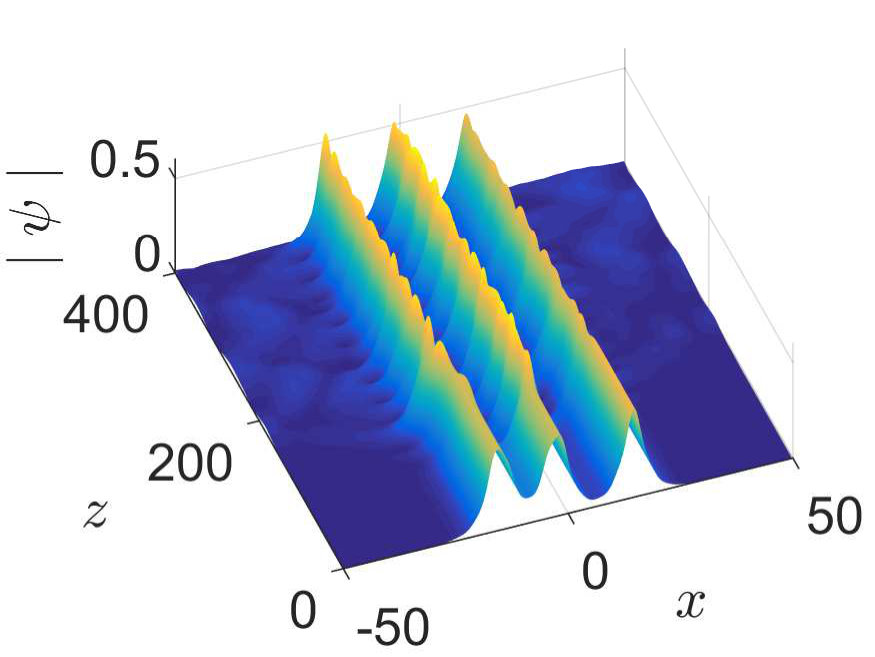 Figure 16
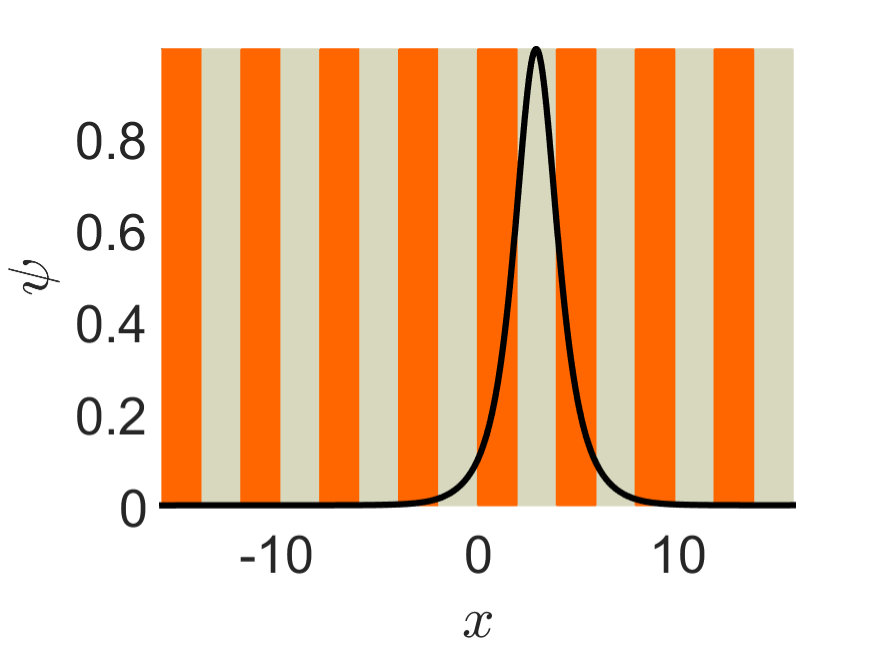 Figure 17
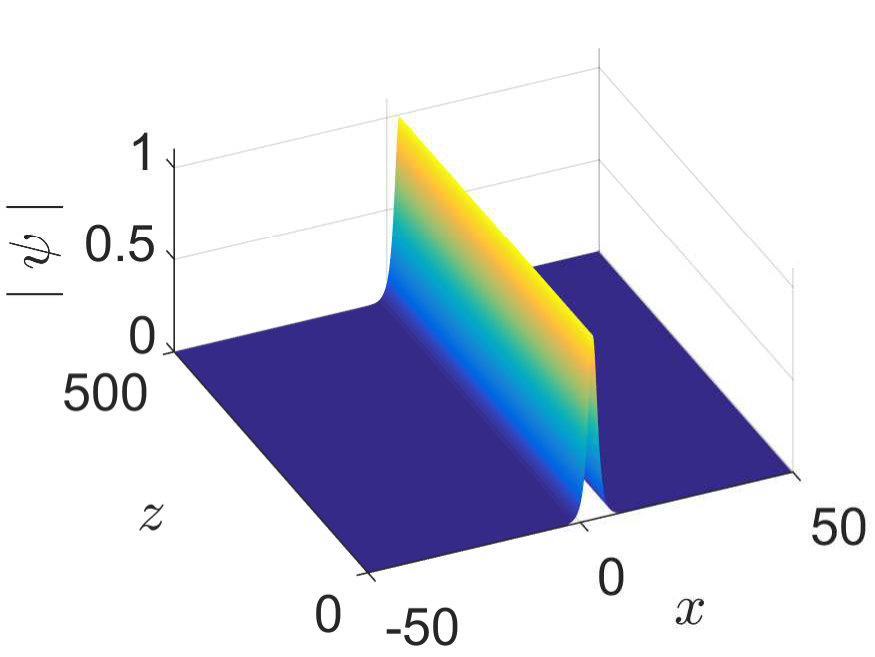 Figure 18
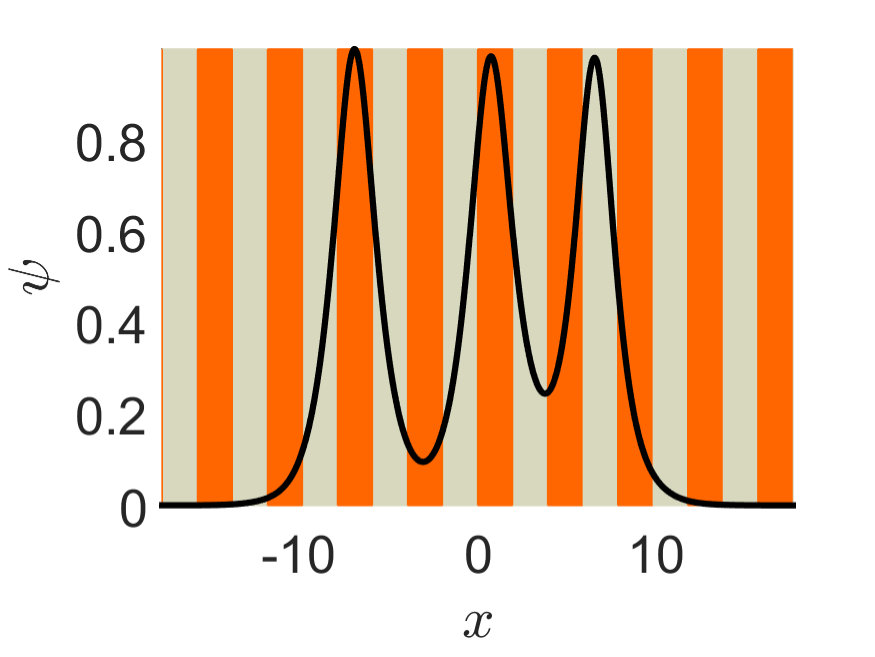 Figure 19
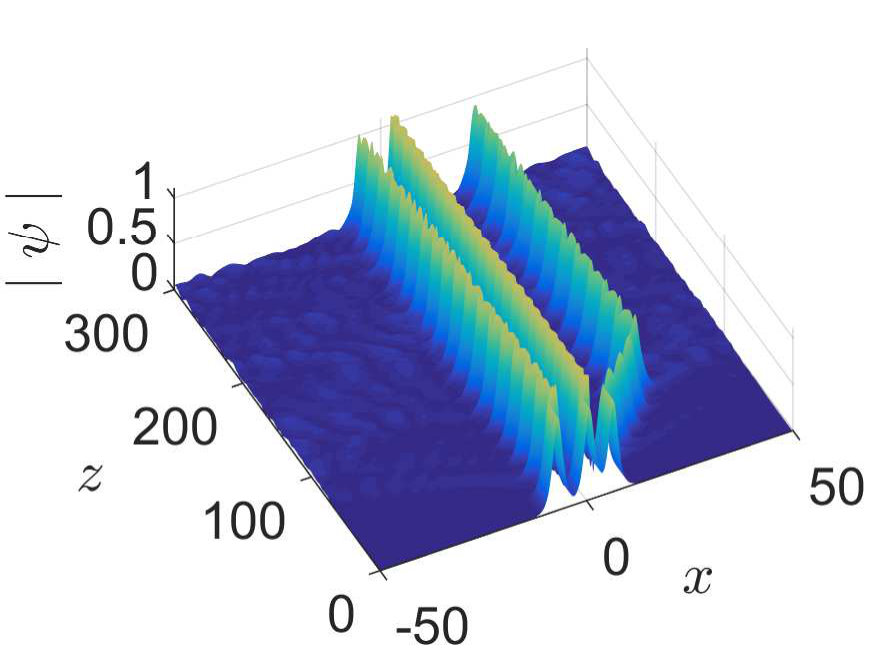 Figure 20
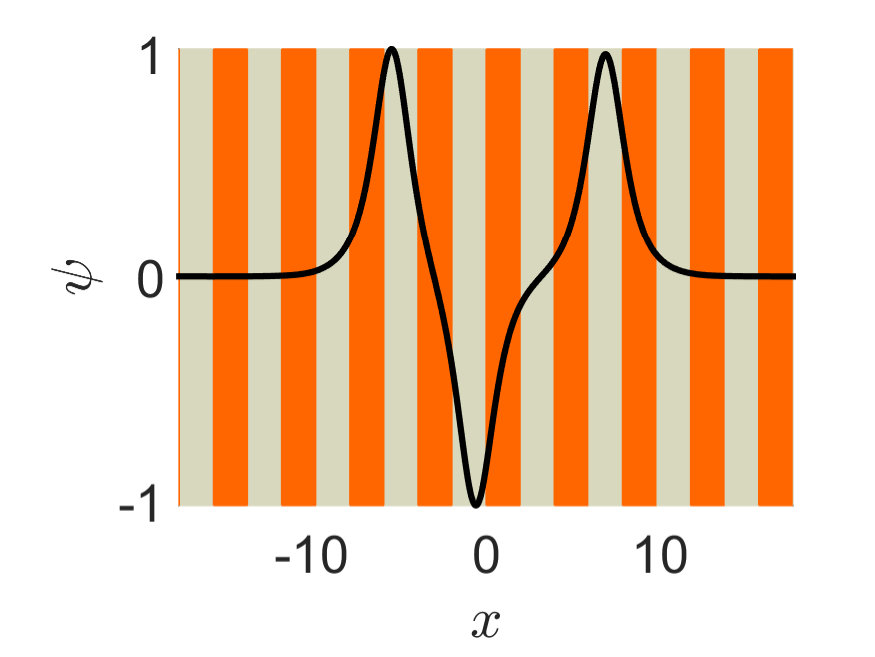 Figure 21
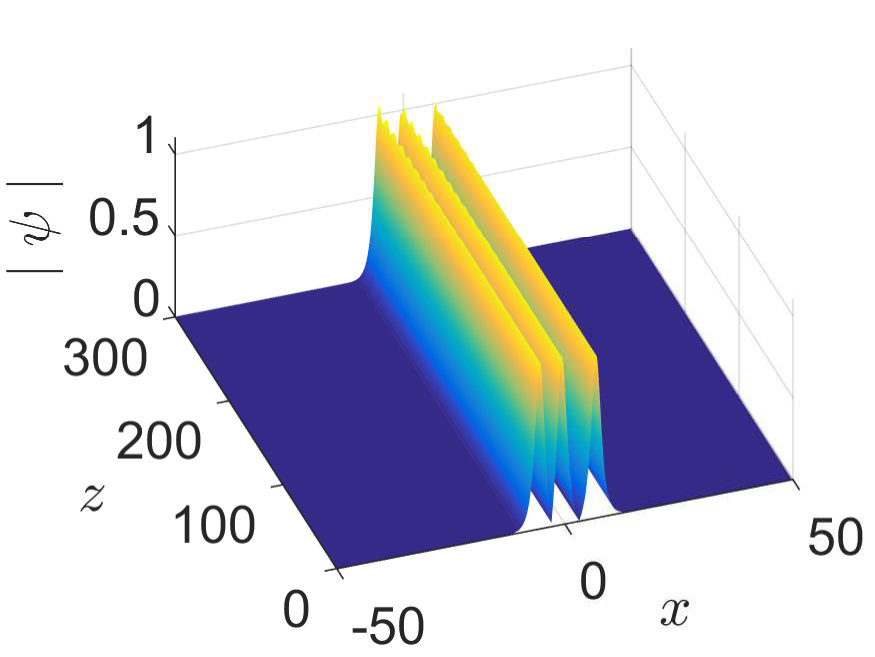 Figure 22
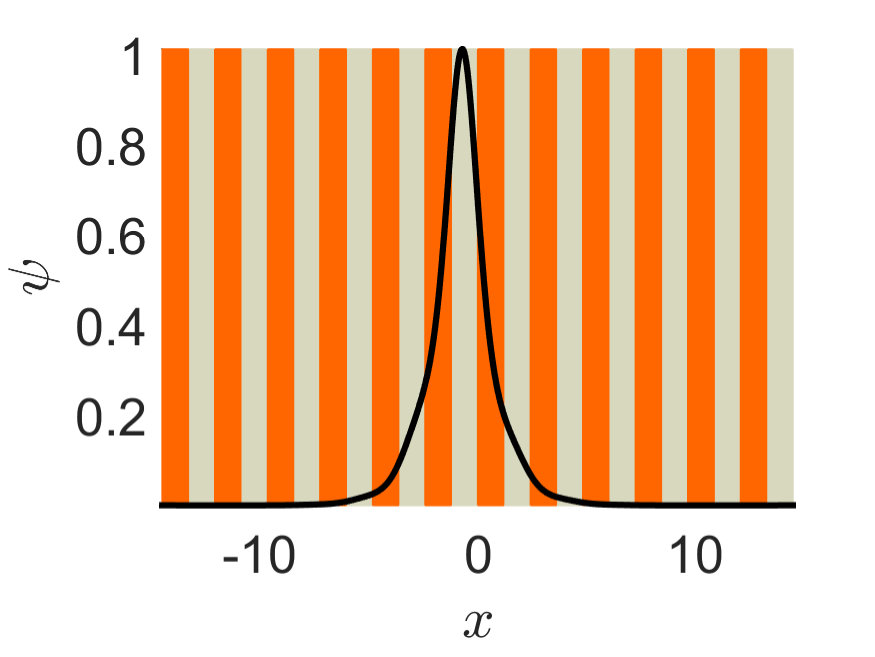 Figure 23
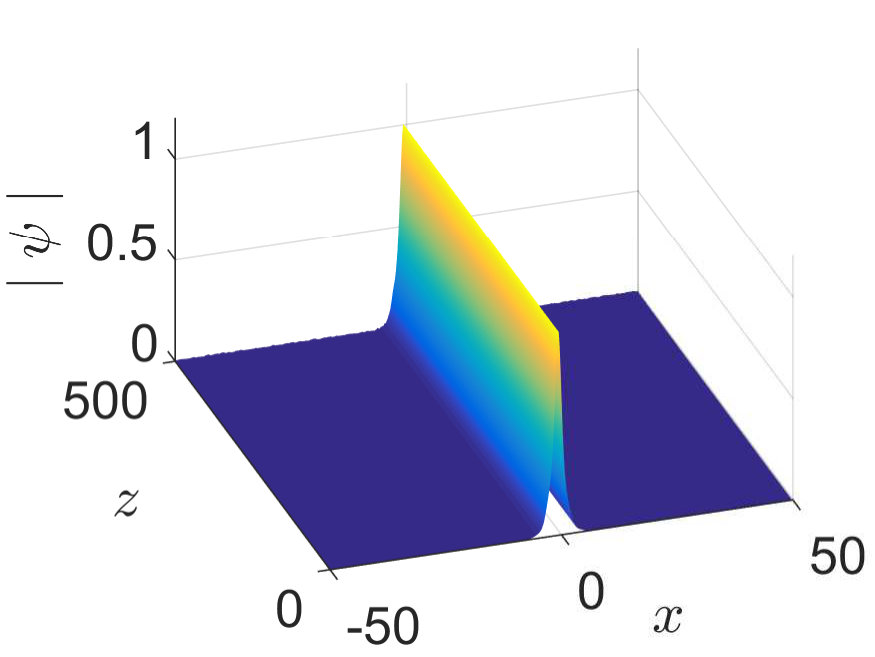 Figure 24
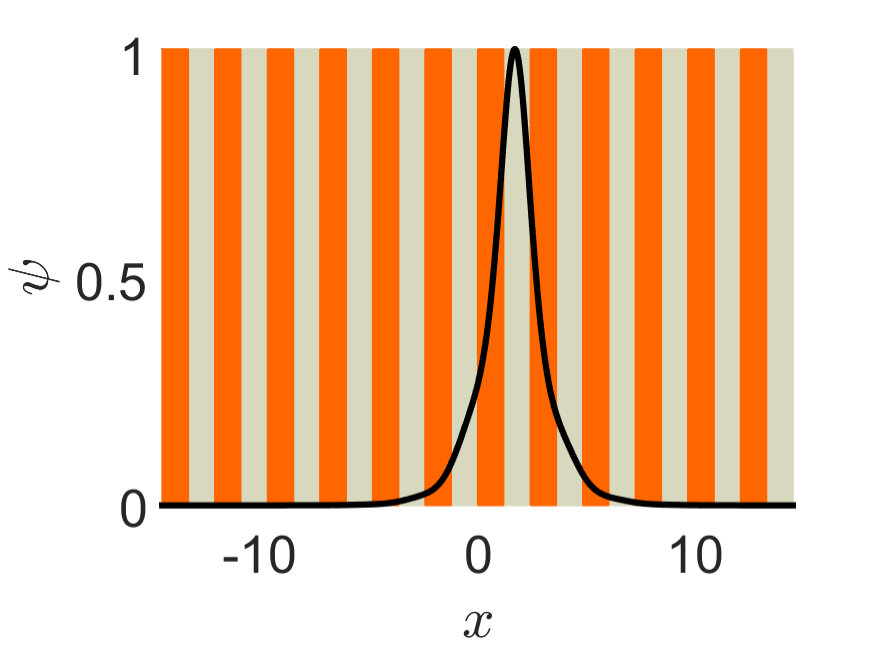 Figure 25
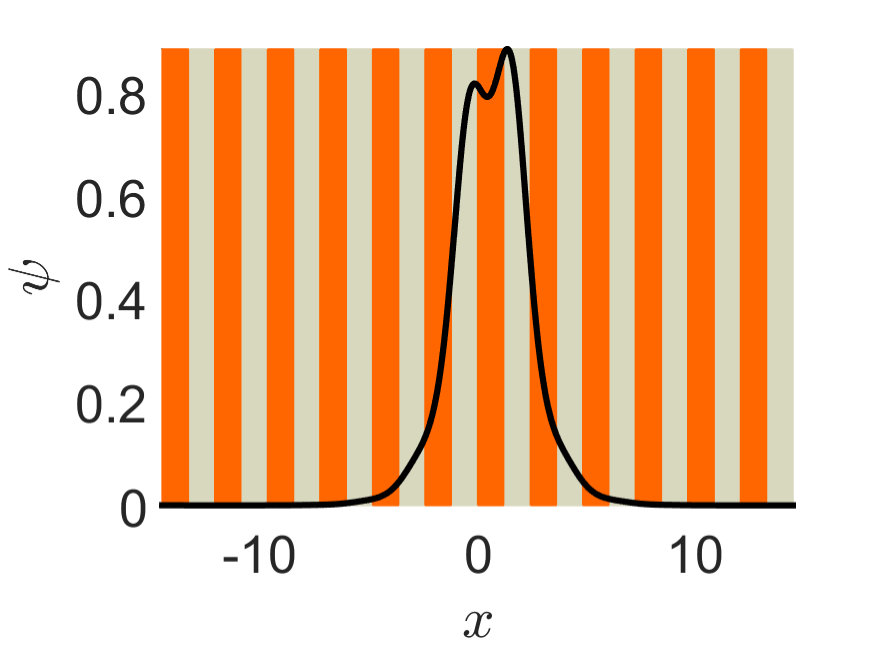 Figure 26
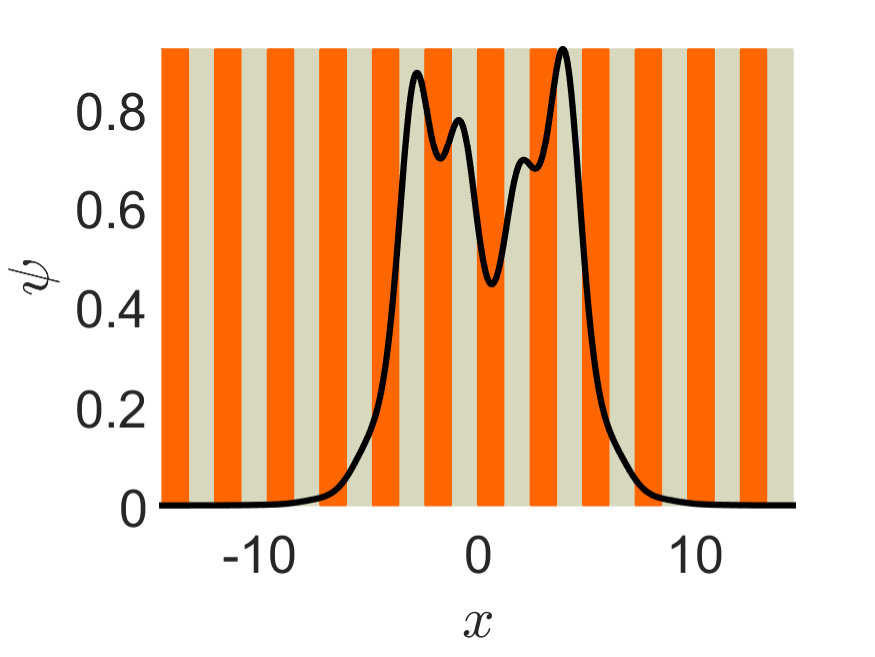 Figure 27
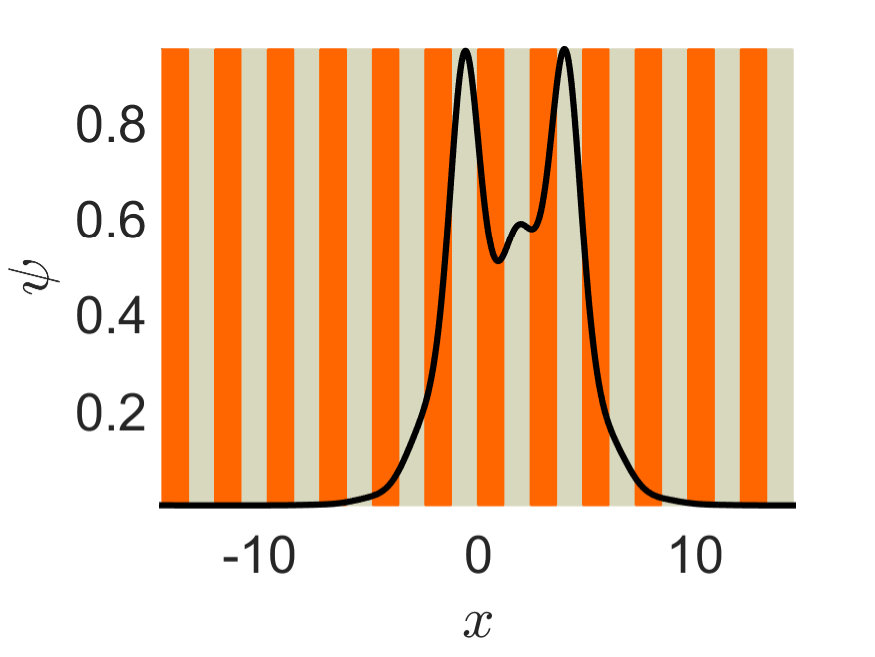 Figure 28
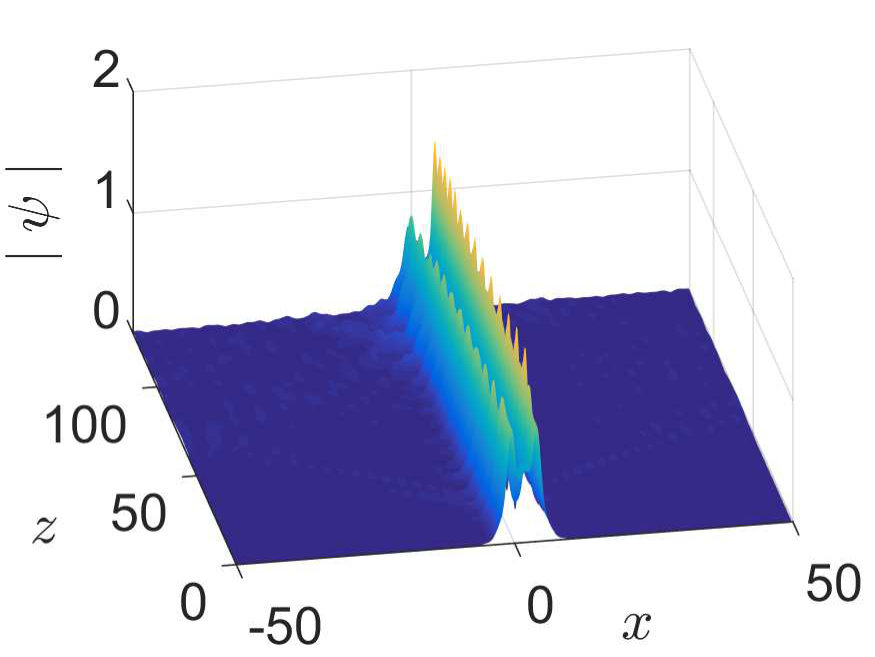 Figure 29
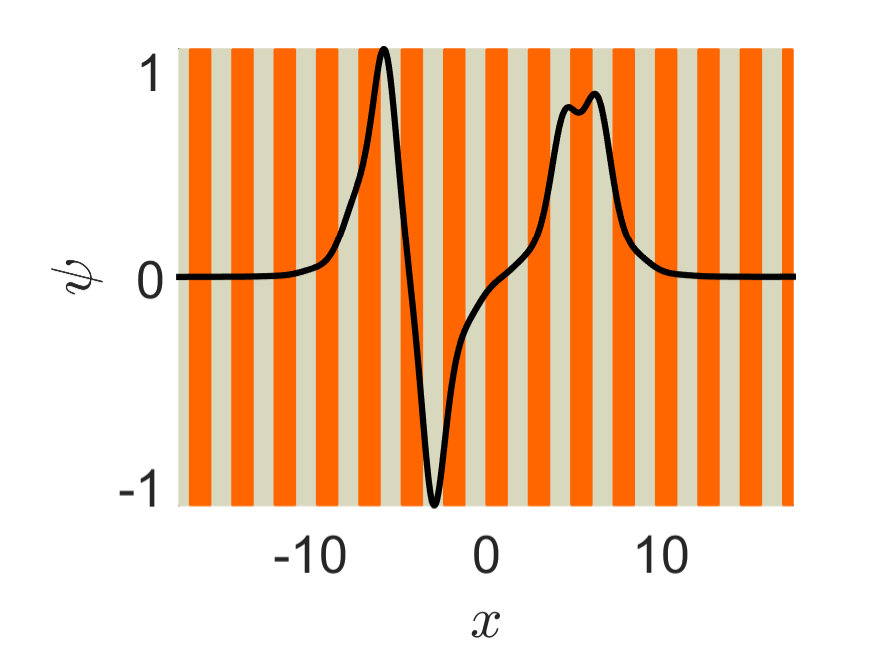 Figure 30
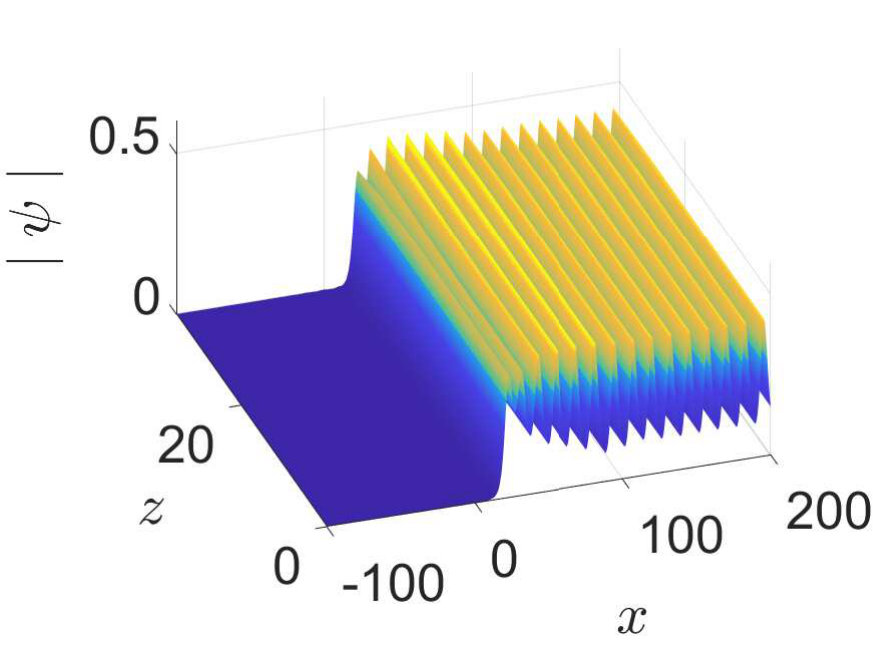 Figure 31
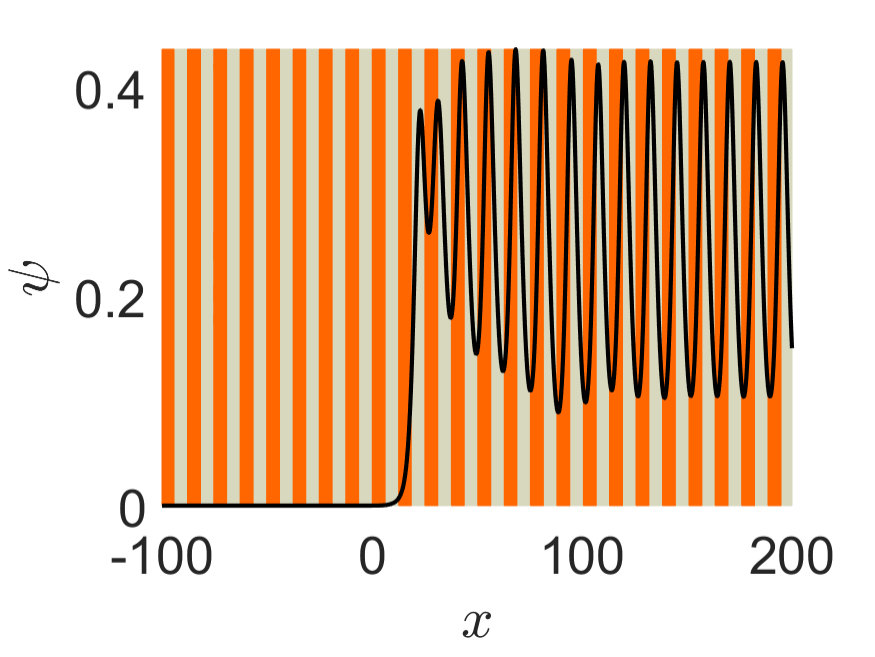 Figure 32
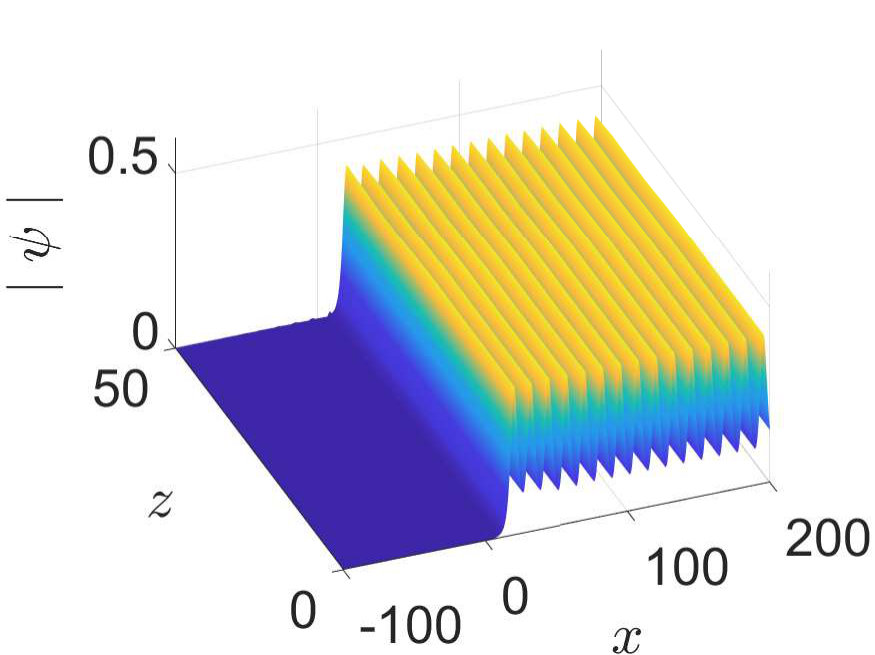 Figure 33
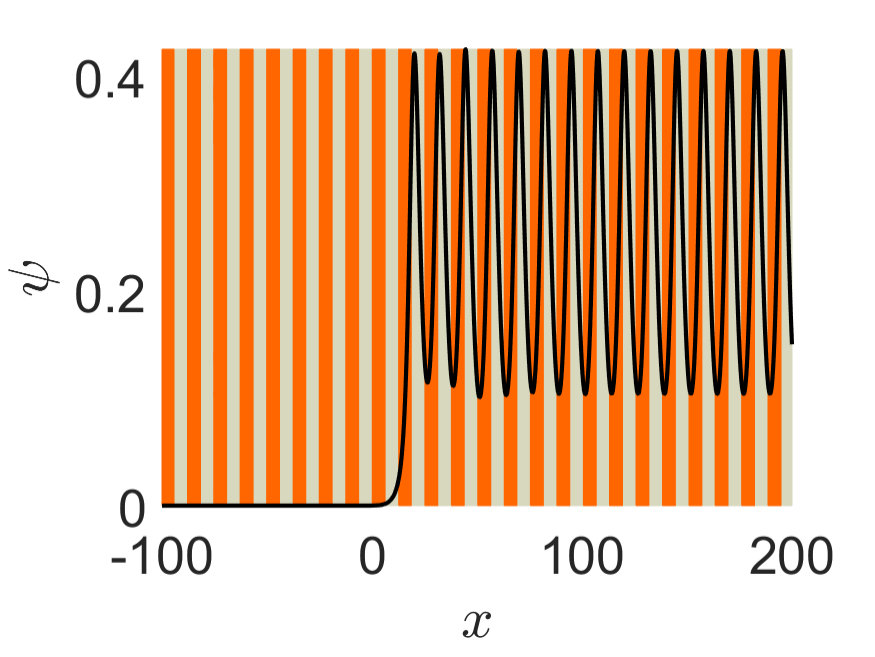 Figure 34
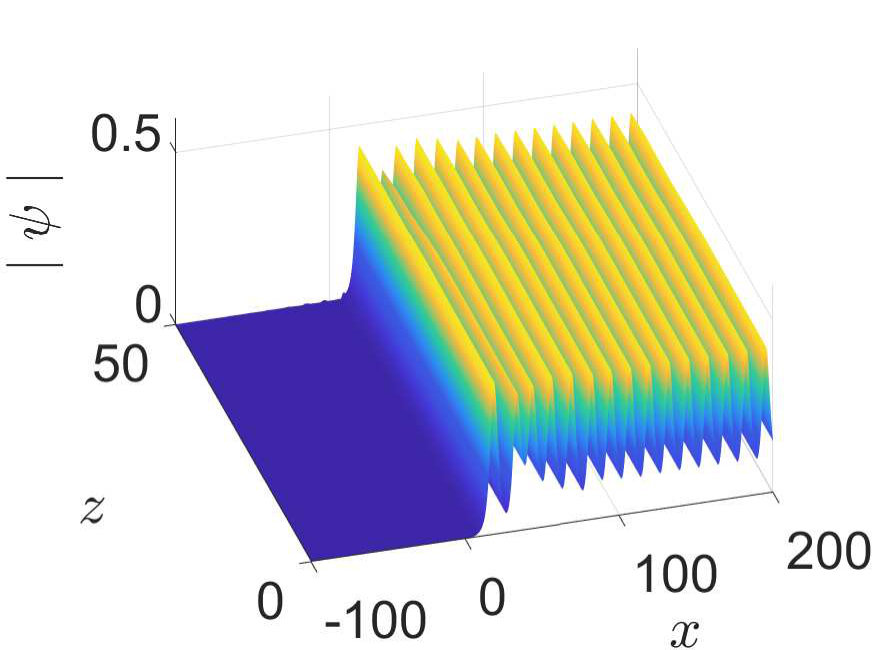 Figure 35
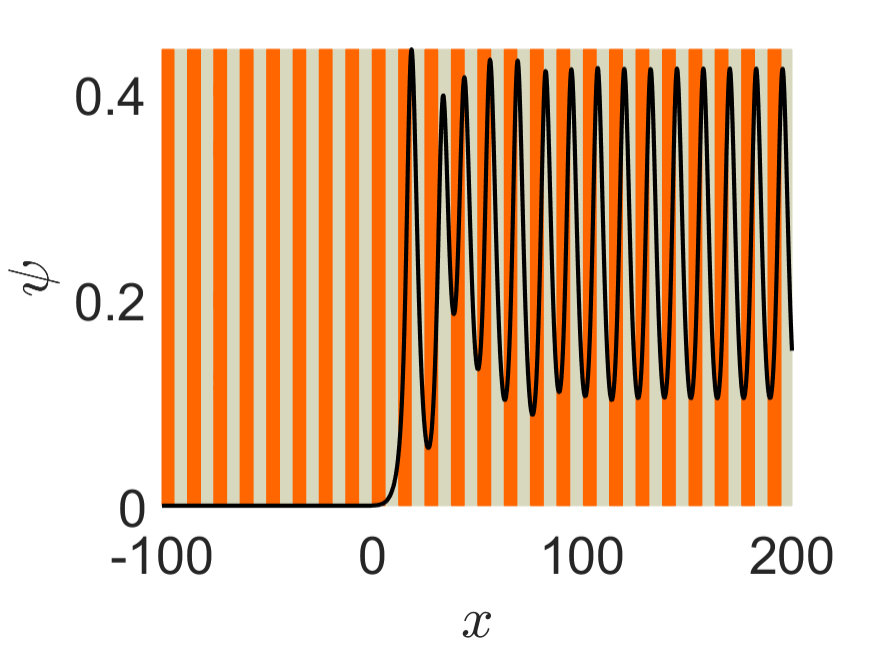 Figure 36
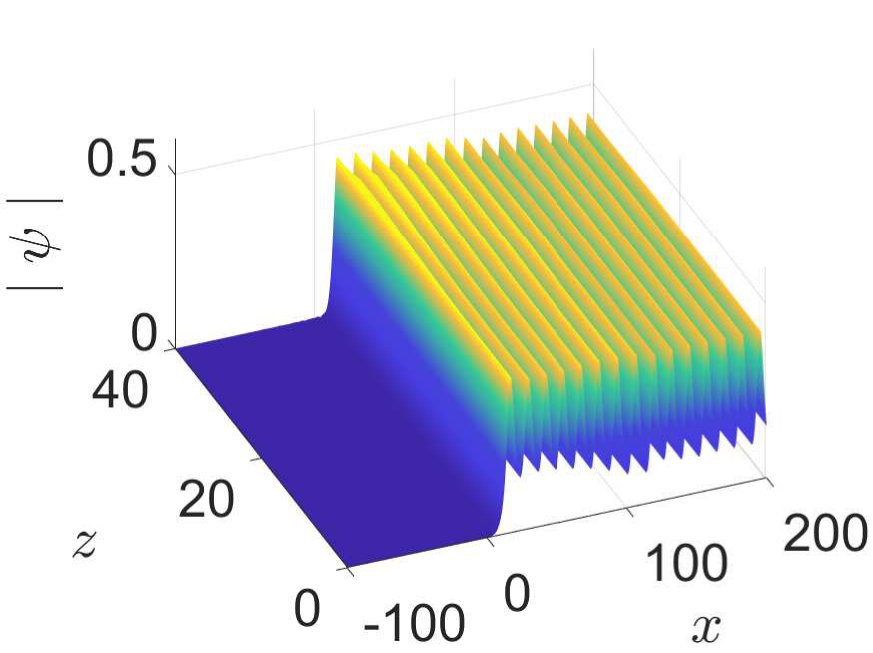 Figure 37
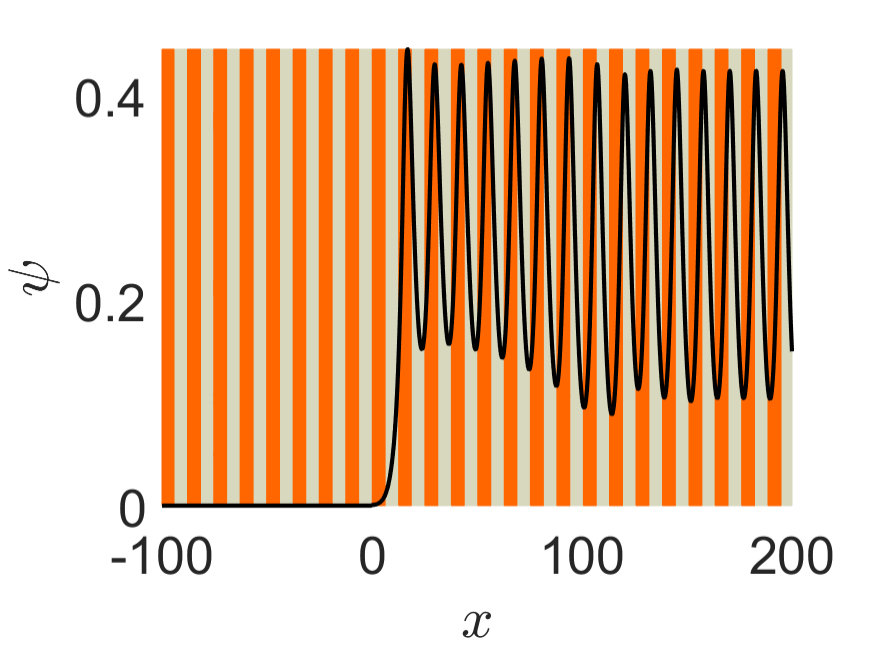 Figure 38
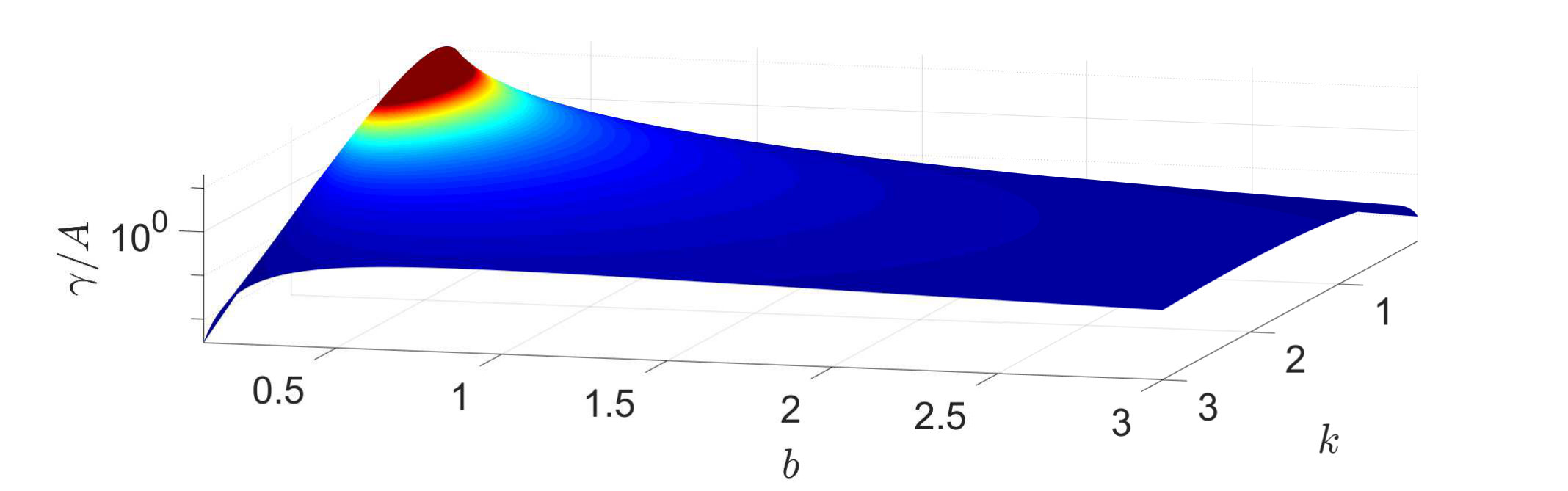 Figure 39
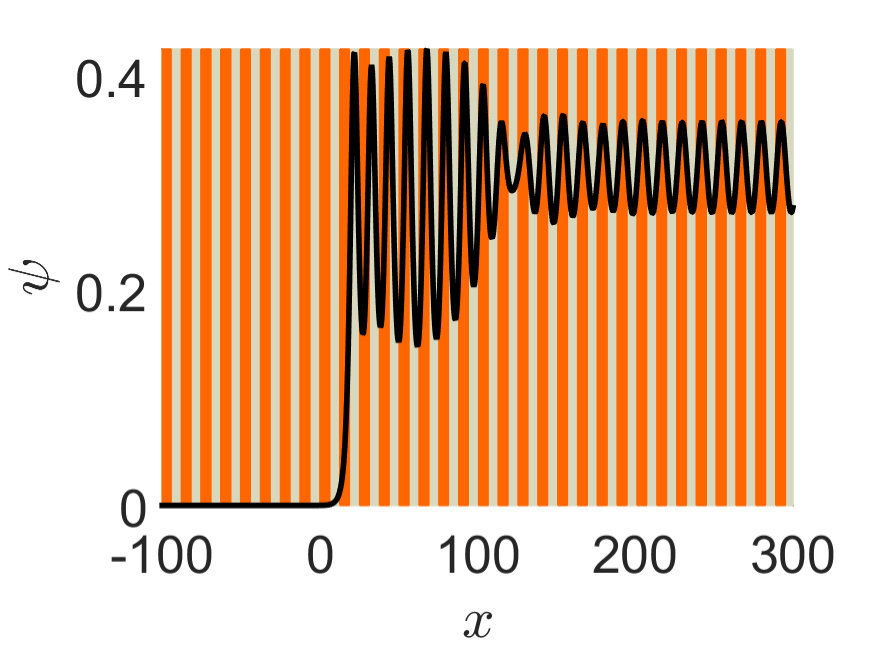 Figure 40
Peer Reviews
No public reviews on file for this paper yet. If you reviewed it on a platform where reviews are public (OpenReview, ICLR, NeurIPS, ICML), you can paste yours below so the community can read it here.
Videos
No videos yet. Explain this paper in a talk, walkthrough, or lecture? Add one.