Mode Selective Image Upconversion over Turbulence
He Zhang, Santosh Kumar, Yu-Ping Huang

TL;DR
This paper presents a nonlinear optical method for selectively upconverting structured images affected by turbulence, using pump modulation to improve signal fidelity without direct image modulation, beneficial for communication and imaging applications.
Contribution
It introduces a turbulence-robust, pump-modulated nonlinear upconversion technique that enhances image selectivity and noise suppression compared to existing adaptive optics methods.
Findings
Achieves ~40 dB extinction without turbulence
Maintains ~20 dB extinction under strong turbulence
Demonstrates selective upconversion of Laguerre-Gaussian modes
Abstract
We experimentally study a nonlinear optical approach to selective manipulation and detection of structured images mixed with turbulent noise. Unlike any existing adaptive-optics method by applying compensating modulation directly on the images, here we account for the turbulence indirectly, by modulating only the pump driving the nonlinear process but not the images themselves. This indirect approach eliminates any signal modulation loss or noise, while allowing more flexible and capable operations. Using specifically sum frequency generation in a lithium niobate crystal, we demonstrate selective upconversion of Laguerre-Gaussian spatial modes mixed with turbulent noise. The extinction reaches 40 dB without turbulence, and maintains 20 dB in the presence of strong turbulence. This technique could find utilities in classical and quantum communications, compressive imaging,…
Click any figure to enlarge with its caption.
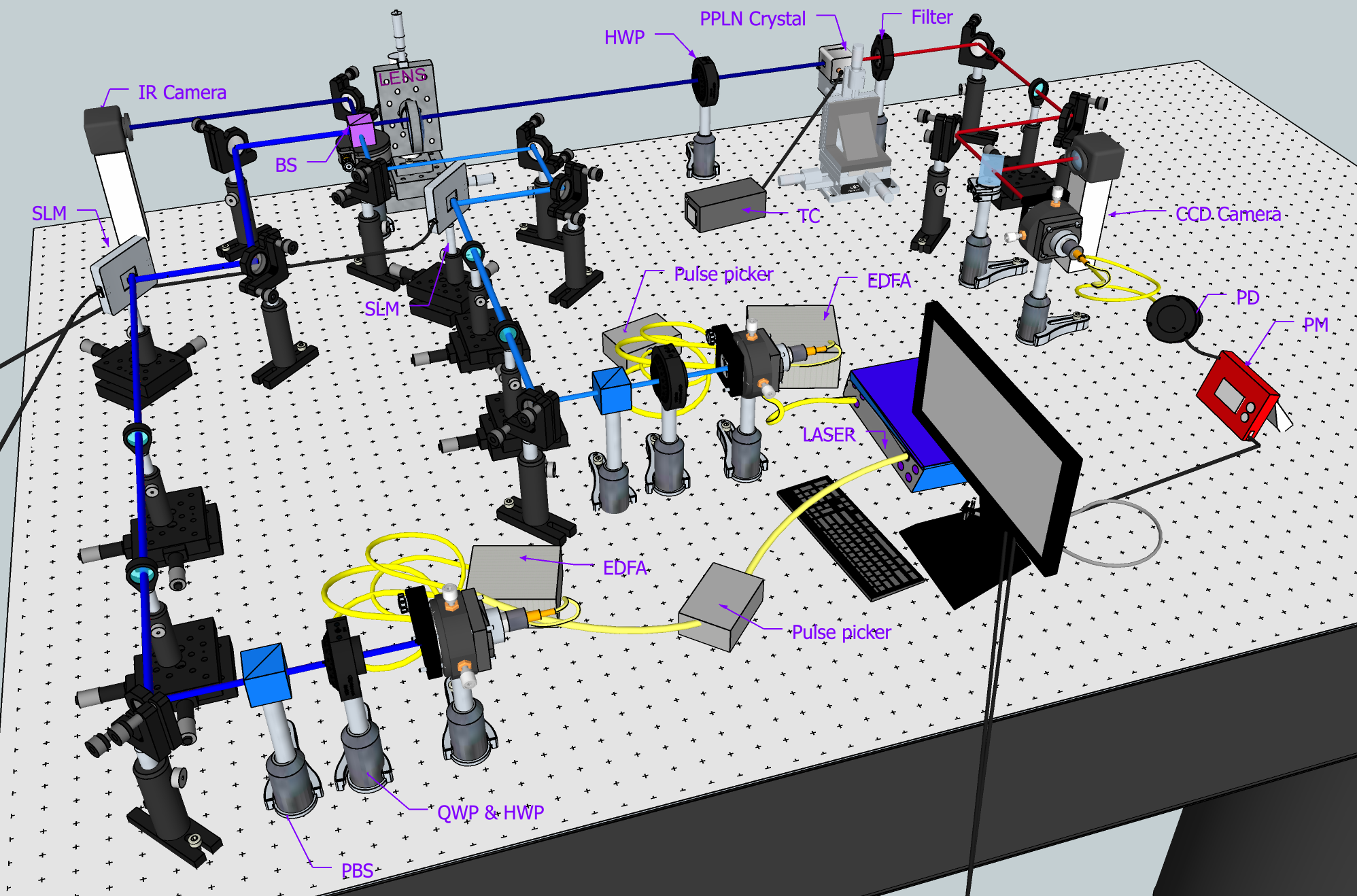 Figure 1
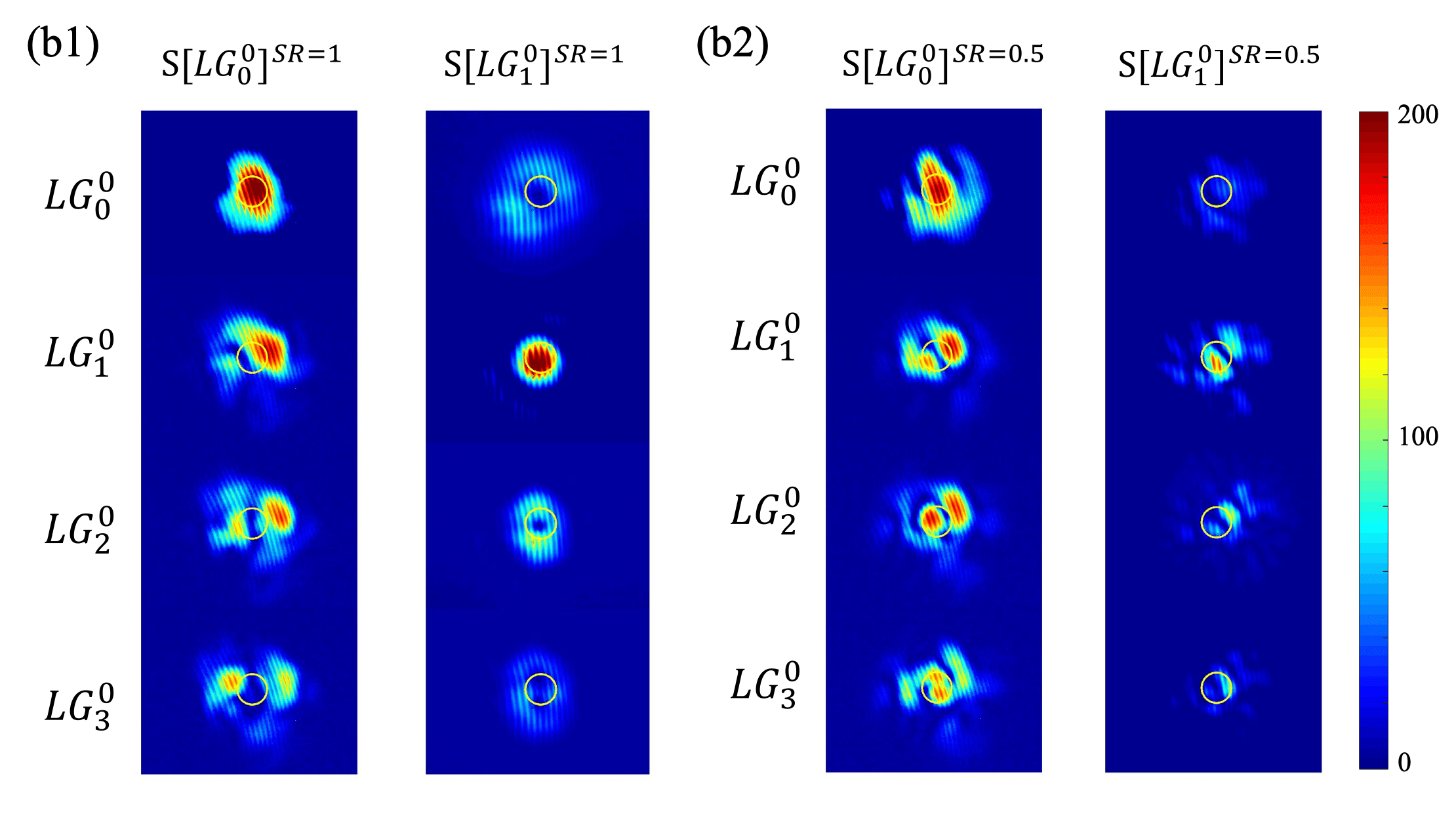 Figure 2
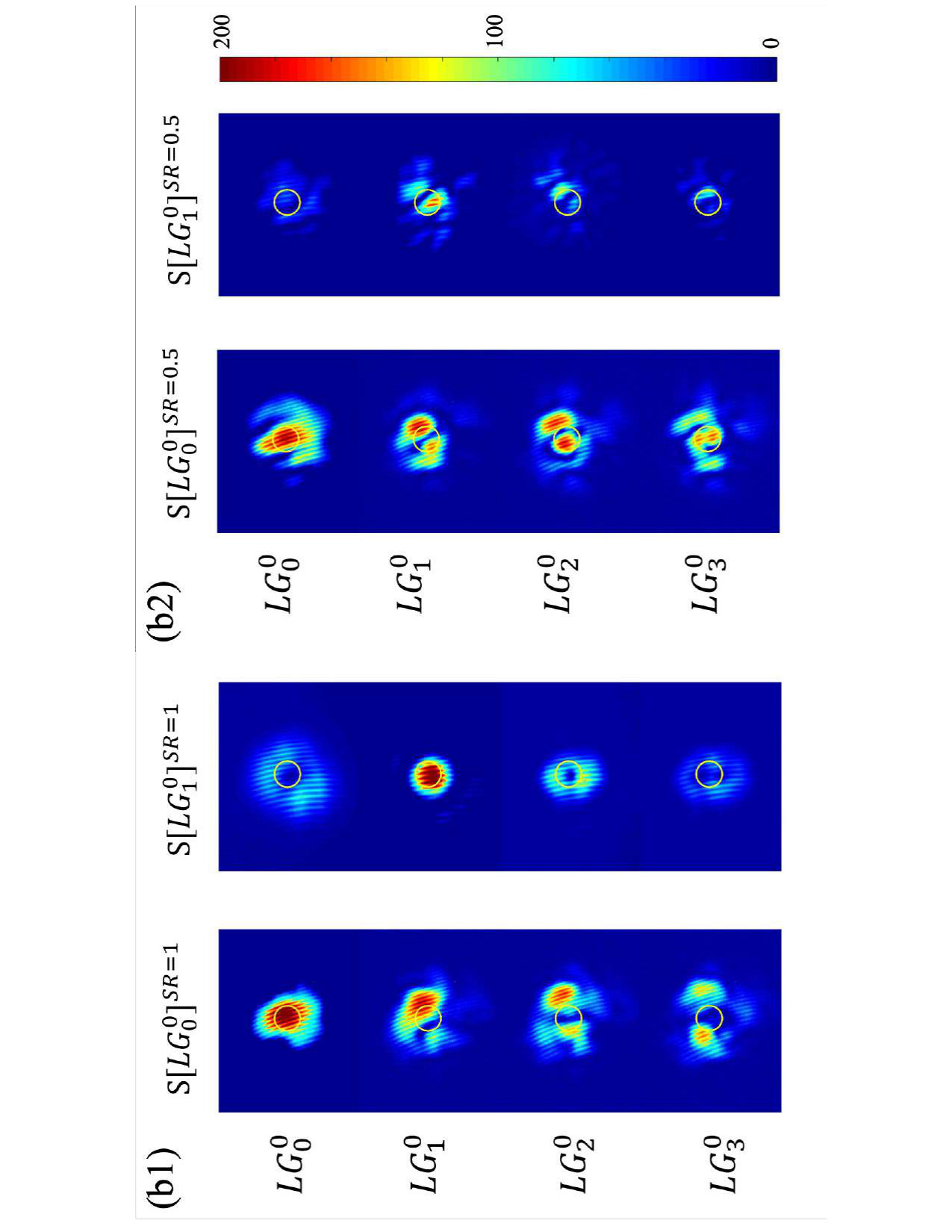 Figure 3
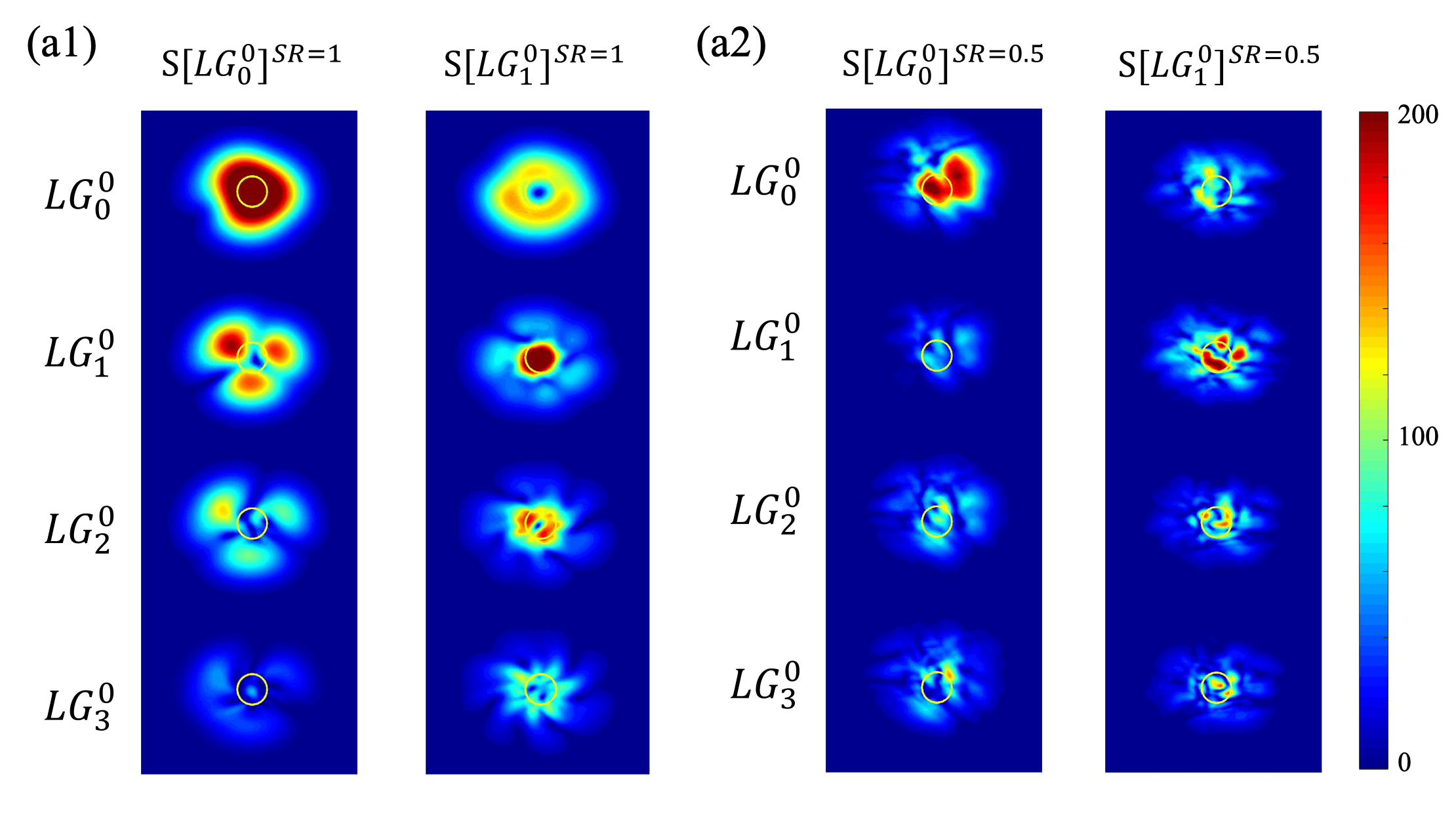 Figure 4
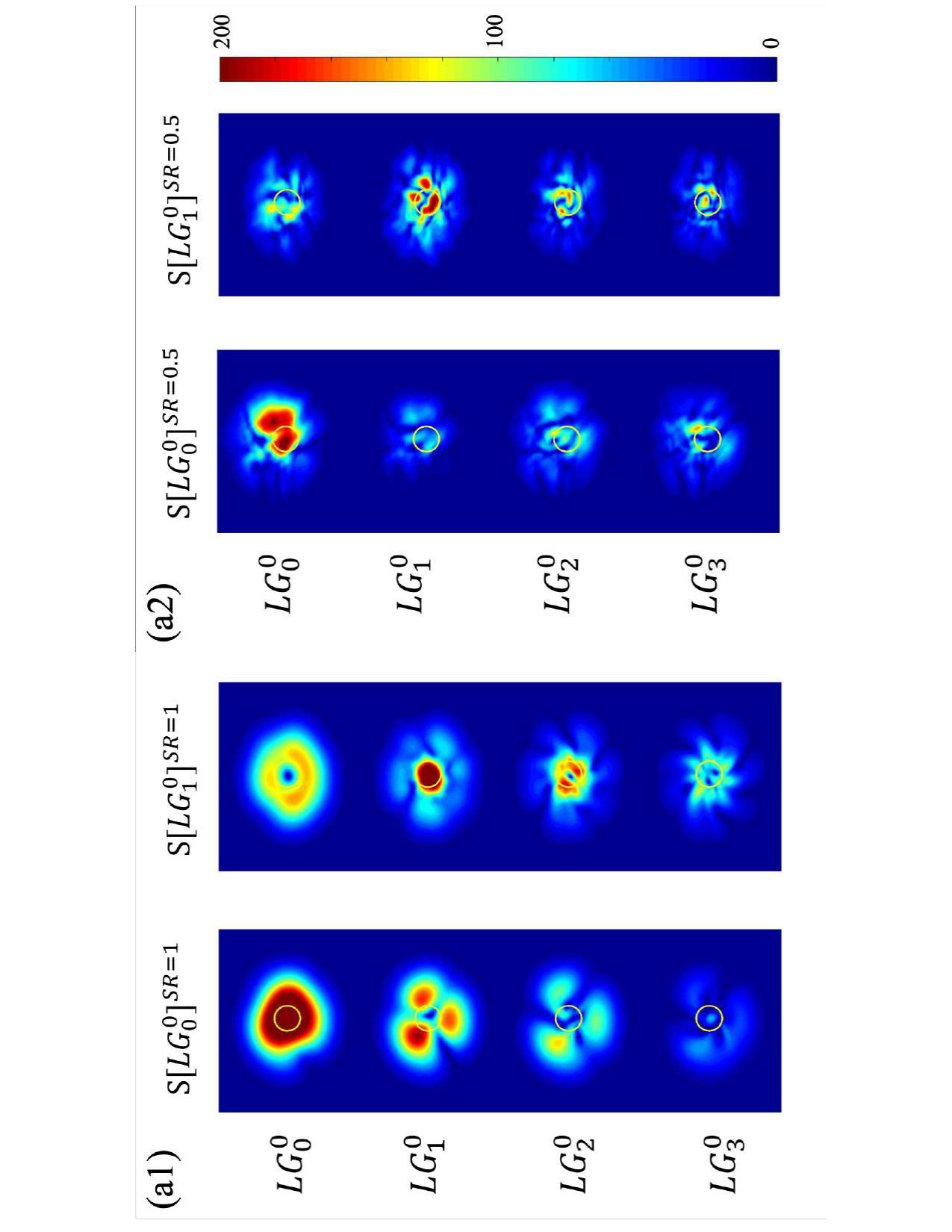 Figure 5
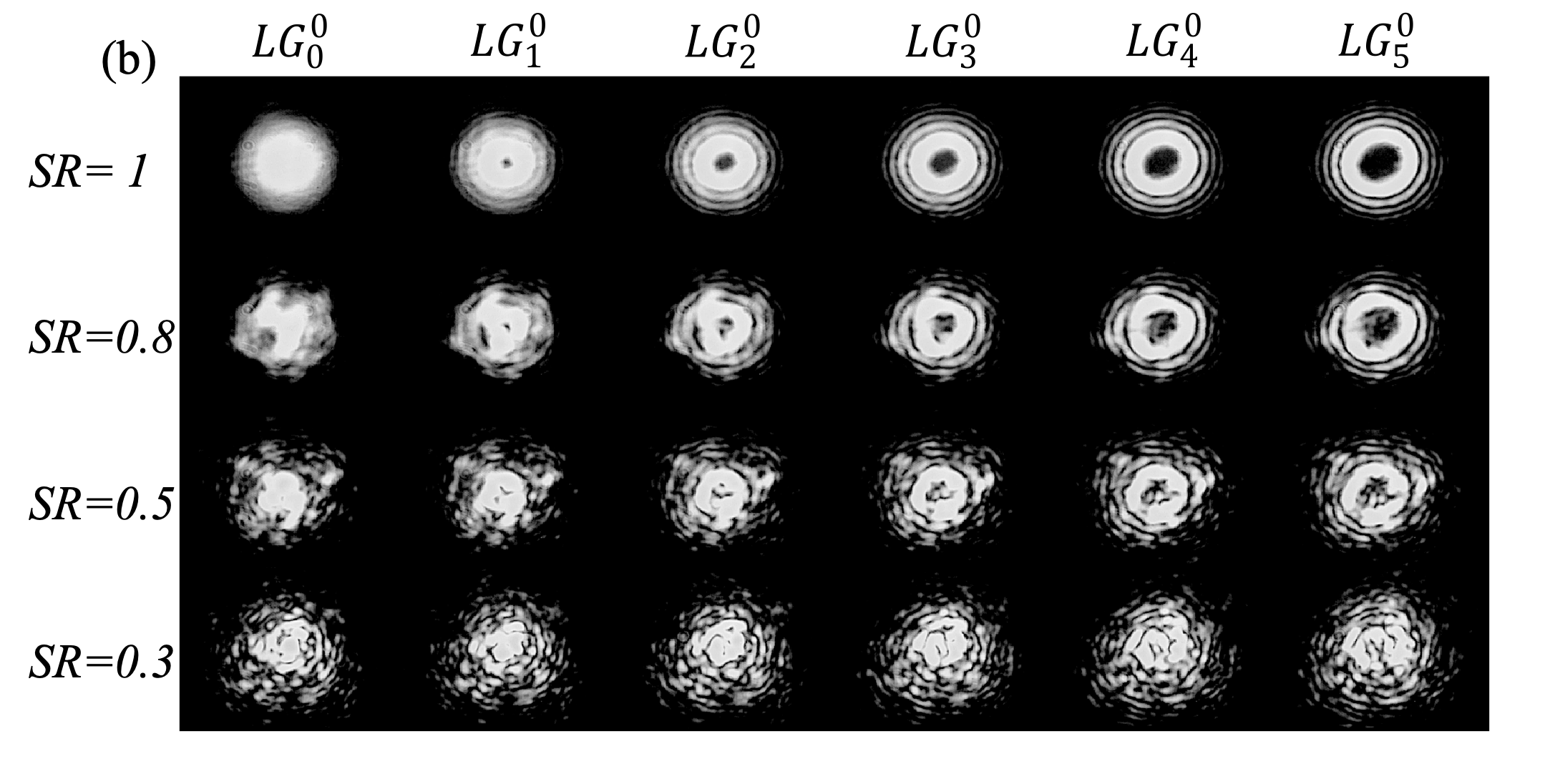 Figure 6
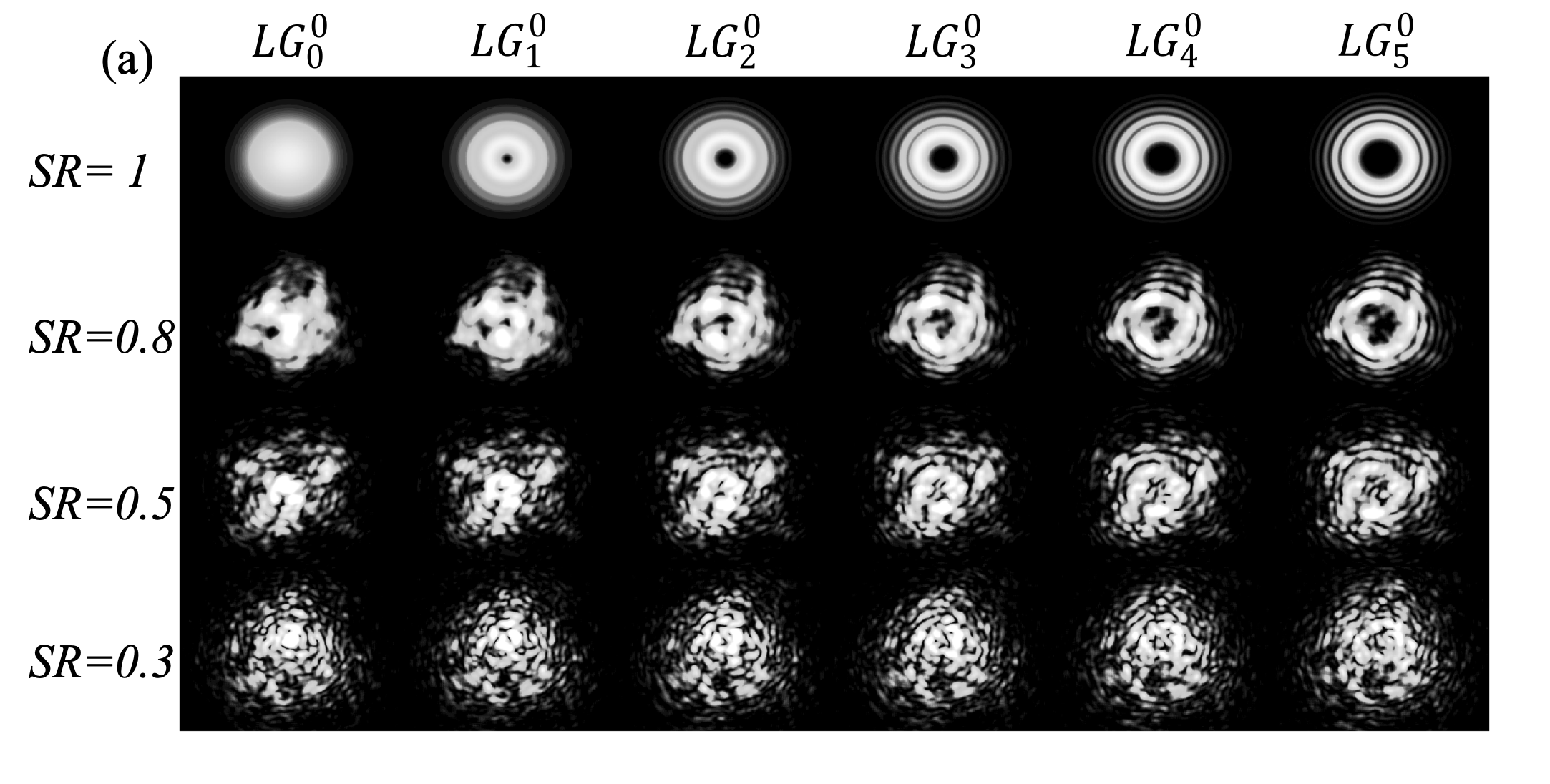 Figure 7
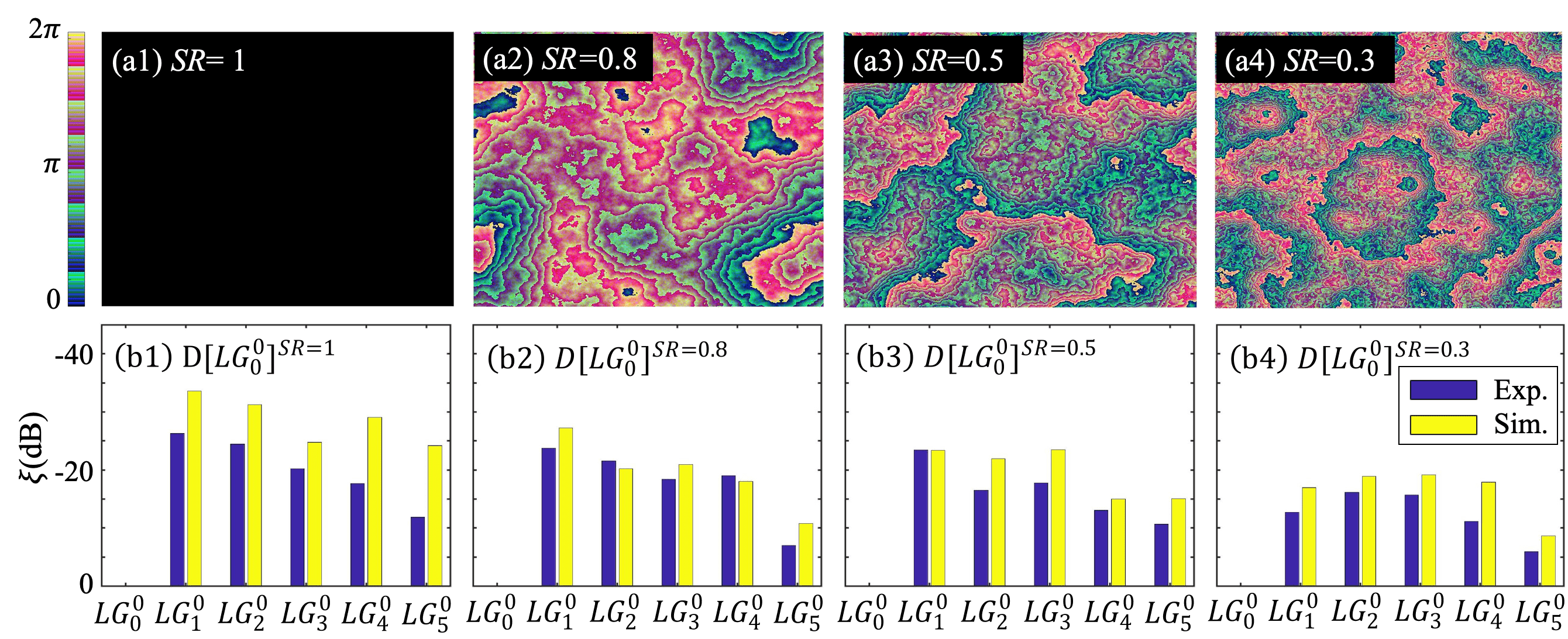 Figure 8
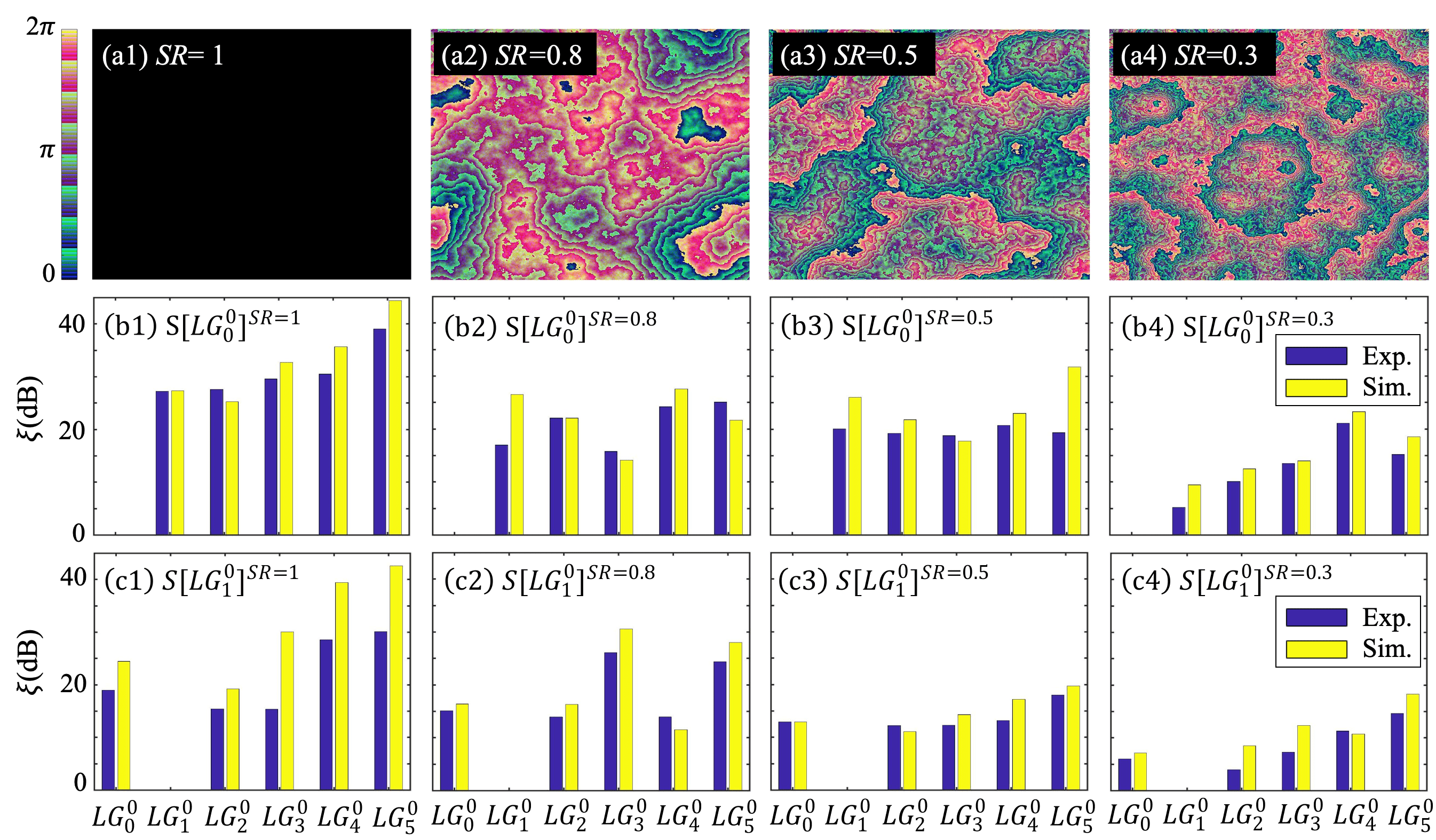 Figure 9
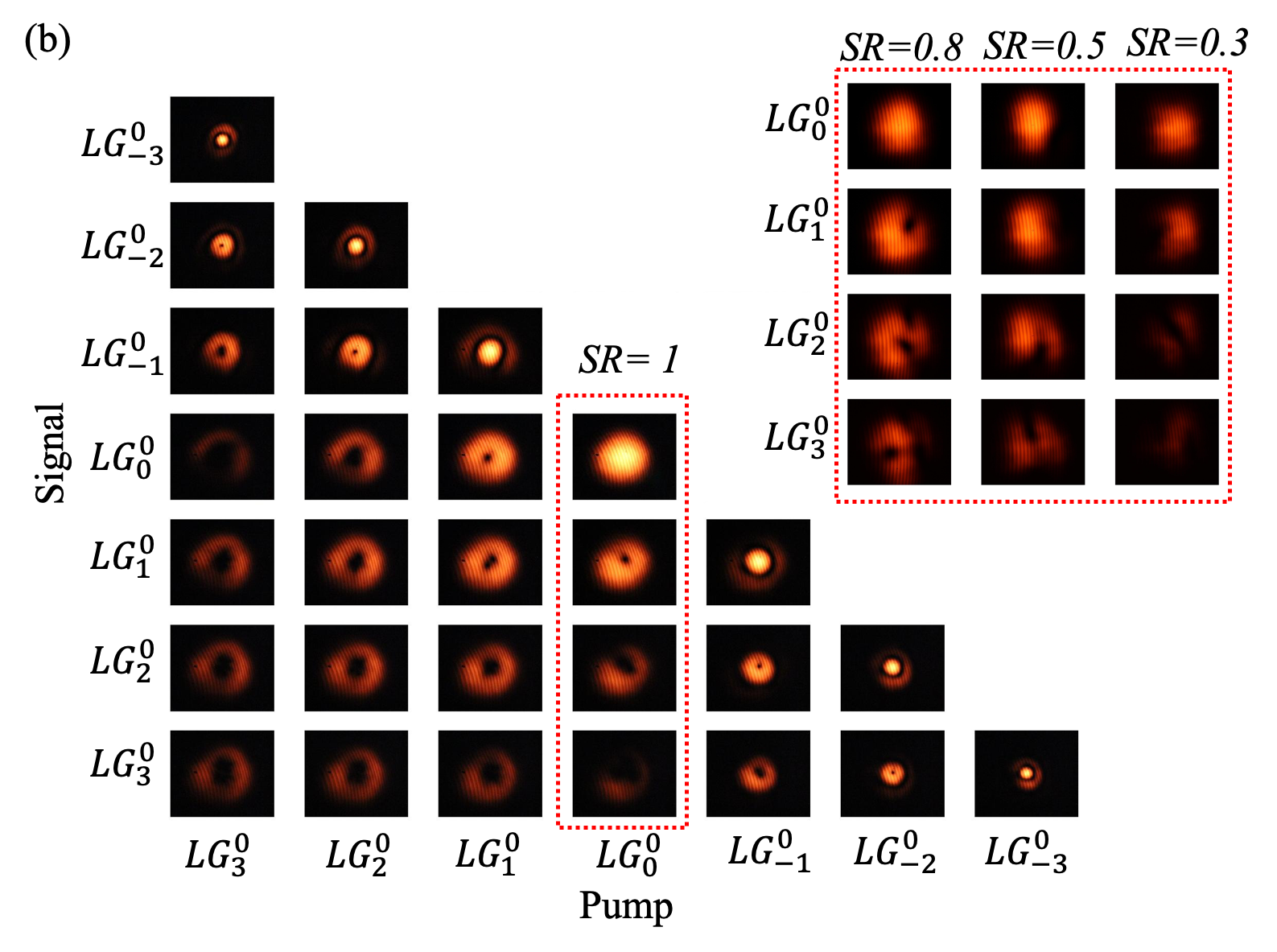 Figure 10
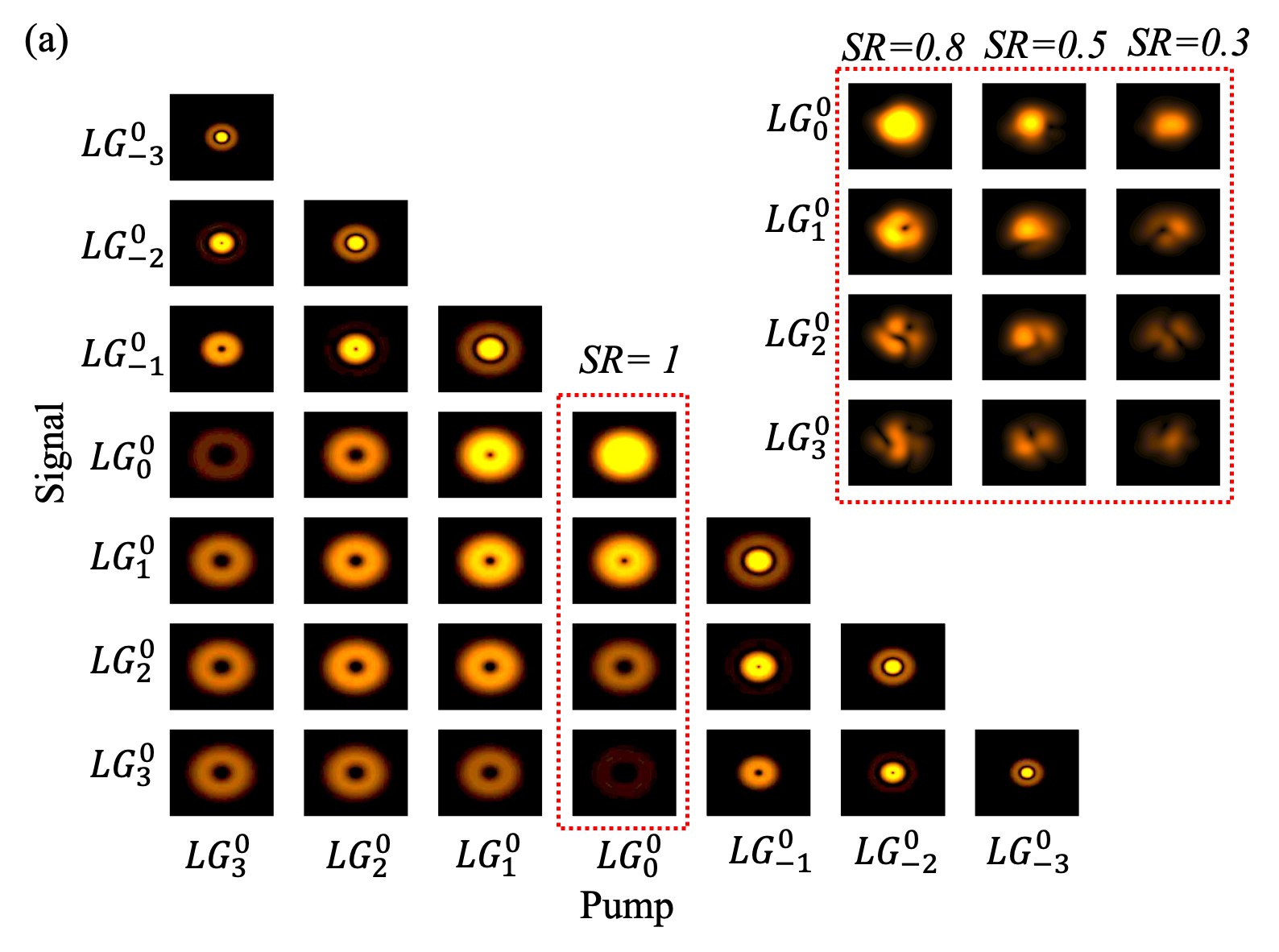 Figure 11
Peer Reviews
No public reviews on file for this paper yet. If you reviewed it on a platform where reviews are public (OpenReview, ICLR, NeurIPS, ICML), you can paste yours below so the community can read it here.
Videos
No videos yet. Explain this paper in a talk, walkthrough, or lecture? Add one.
\dates
Compiled
Mode Selective Image Upconversion over Turbulence
He Zhang
Department of Physics, Stevens Institute of Technology, Hoboken, NJ, 07030, USA
Center for Quantum Science and Engineering, Stevens Institute of Technology, Hoboken, NJ, 07030, USA
Santosh Kumar
Department of Physics, Stevens Institute of Technology, Hoboken, NJ, 07030, USA
Center for Quantum Science and Engineering, Stevens Institute of Technology, Hoboken, NJ, 07030, USA
Yu-Ping Huang
Department of Physics, Stevens Institute of Technology, Hoboken, NJ, 07030, USA
Center for Quantum Science and Engineering, Stevens Institute of Technology, Hoboken, NJ, 07030, USA
Corresponding author: [email protected]
Abstract
We experimentally study a nonlinear optical approach to selective manipulation and detection of structured images mixed with turbulent noise. Unlike any existing adaptive-optics method by applying compensating modulation directly on the images, here we account for the turbulence indirectly, by modulating only the pump driving the nonlinear process but not the images themselves. This indirect approach eliminates any signal modulation loss or noise, while allowing more flexible and capable operations. Using specifically sum frequency generation in a lithium niobate crystal, we demonstrate selective upconversion of Laguerre-Gaussian spatial modes mixed with turbulent noise. The extinction reaches 40 dB without turbulence, and maintains 20 dB in the presence of strong turbulence. This technique could find utilities in classical and quantum communications, compressive imaging, pattern recognition, and so on.
1 Introduction
Nonlinear optics (NLO) underpins optical parametric oscillation [1, 2], parametric downconversion [3, 4], harmonic generation [5, 6], sum-frequency generation [7, 8], four wave mixing [9, 10], etc., with wide applications in optical communications [11, 12], biomedical engineering [13], metrology [14], and quantum information [15]. For optical signal processing and detection, NLO techniques can offer significant advantages over their linear-optics counterparts [5, 16, 17], as demonstrated repeatedly in temporal mode-selective frequency conversion [18, 19, 20, 21, 22, 23, 24], lossless photon shaping [25], spiral phase contrast imaging of the edges [26], and field-of-view enhancement [8, 27]. To capitalize on the rich spatial features of light, frequency upconversion has been utilized for mode-selective detection of spatially orthogonal signals in few-mode waveguides [7, 28], and more recently in nonlinear crystals to selectively convert overlapping Laguerre-Gaussian (LG) and Hermite-Gaussian (HG) modes [29, 30].
In this paper, we further those studies towards field applications and demonstrate mode-selective upconversion and detection of overlapping images mixed with strong turbulence noise. Spatially structured signals, such as those in LG and HG modes, are useful for quantum information processing, remote sensing, and so on [12, 22, 31, 32]. Yet they are quite susceptible to multiscattering and turbulence [33, 34, 35, 36]. The ability to distinguish and separately detect or manipulate those disturbed modes is essential to recover the information they carry, as critical for pattern recognition [37, 38], free-space communications [39, 40, 7, 41, 38, 28], compressive sensing [42, 43], and LiDAR [44]. To this end, a variety of phase compensation methods [45, 46] have been demonstrated using adaptive optics [47, 48, 49, 50], via feedback [34], feed-forward, or machine learning [51, 52]. All of them rely on applying phase or amplitude modulations directly onto the signals, which could induce excessive noise and noise while subject to limited capabilities.
Here, we explore a rather distinct, indirect approach via turbulence-compensating upconversion. Instead of modulating the images, we account for the turbulence using mode-modulated pump to drive the image upconversion, which can select overlapping images despite strong turbulence. This indirect compensation approach avoids any modulation loss or noise added to the signals while allowing more flexible operations.
As a concrete example, here we utilize sum frequency (SF) generation in a lithium niobate crystal, where the signal and pump interact while experiencing strong diffraction. By preparing the pump in an optimized mode, overlapping signals can be upconverted selectively according to their orthogonal spatial modes. As any turbulence can be described by a unitary linear-optical transformation, distinct modes passing through turbulence will have distorted profiles but will nonetheless remain orthogonal. This allows us to design the pump via adaptive feedback control, to selectively upconvert certain modes over others, even when their intensity profiles are strongly distorted by turbulence to totally unrecognizable. We demonstrate the selective upconversion of one LG modes against another with up to 40 dB extinction without turbulence, and up to 21 dB under strong turbulence. Our experimental results match fairly well with numerical simulations without using any fitting parameter.
2 Theory
The LG modes can be written in the cylindrical coordinate system as [53]
[TABLE]
where is the radial coordinate, is the azimuthal coordinate, is a normalization constant, = is the beam radius at , is the beam waist, = is the Rayleigh range, = is the curvature radius of the beam, are the generalized Laguerre polynomials with the azimuthal mode index and the radial index , = is the wave number, and is the Gouy phase at .
The SF is described under the slowly-varying-envelope approximation as:
[TABLE]
[TABLE]
[TABLE]
where is the momentum mismatching. , and are the wave numbers of signal, pump and SF light, respectively. is the second-order nonlinear susceptibility and is the poling period of the nonlinear crystal. , and are the electric fields for the signal, pump, and SF, respectively. The energy in the frequency upconversion process is conserved i.e., . We use the standard split-step Fourier and adaptive step size methods to numerically solve Eqs.(2)-(4) [54].
The total SF power is where is the permittivity and c is the speed of light in vacuum. In our experiment, however, the SF light is first coupled into a single mode fiber before detection. This is necessary to achieve both high selectivity and high collection efficiency, as critical for photon-starving and/or cascaded quantum applications [44, 55]. The conversion extinction of two modes is then defined as the ratio of their converted SF power coupled into the fiber by the same pump.
To study the turbulence effects, we use the Kolmogorov model to simulate the refractive index variation in the atmospheric turbulence [37]. The power spectral density for the refractive-index fluctuations can be defined as
[TABLE]
with . Here is the scalar wave number, and are the outer and inner scales for the turbulence, respectively and is the structure constant of the atmosphere at the propagation distance . The strength of the turbulence is then approximately defined by Strehl ratio () as
[TABLE]
where D is the diameter of the optical beam, is the Fried’s parameter, with [37, 34]. varies between 0 and 1, with = 0 indicating the maximum turbulence and =1 no turbulence.
3 Experimental Set Up
The experimental setup is shown in Fig. 1. We create the pump and signal pulses by electro-optically modulating the outputs of continuous lasers, each at 1544.9 nm and 1558.5 nm. Those pulses are synchronized to a common reference radio-frequency source. Each pulse has a 200-ps full width at half maximum (FWHM) and 10-MHz repetition rate. The pulses are amplified using two separate Erbium-Doped Fiber Amplifiers (EDFAs). The pump’s average power is 40 mW and peak power is 20 W. The signal’s average power is 35 mW and peak power is 17.5 W. We use a half waveplate (HWP) and a quarter waveplate (QWP) with polarizing beam splitters (PBS’s) on both arms to select the horizontal polarization for the pump and signal beams. The beams are then magnified by telescopes to 2.6 mm FWHM for the signal and 2.8 mm for the pump. Afterwards, they are incident on SLMs (Santec SLM-100) with the angle of incidences of and , respectively [29]. The total phase pattern for converting the input Gaussian beam into the beam is given as , with as a unit step function. The phase value is wrapped in the interval between 0 and to express on the SLMs.
The signal and pump beams are then combined at a beam splitter (BS) and focused (=200 mm) inside a temperature-stabilized PPLN crystal with a poling period of 19.36 m (5 mol.% MgO doped PPLN, 10 mm length, 3 mm width, and 1 mm height from HC Photonics) for frequency conversion process. HWP is used to ensure the vertically polarized light parallel to the crystal’s optical axis. The beam waist of the signal and pump, both in Gaussian spatial modes, inside the crystal are 45 m and 41 m, respectively. We also fine tune the time delay between the signal and pump arm to obtain good temporal overlap of their pulses. The output is then passed through two short-pass filters to select the SF light and remove any residual light [24]. The central wavelength of the SF light is 775.85 nm with FWHM of 0.05 nm. The other arm of the BS is used to monitor the spatial mode of the pump and signal beams using a near-infrared FIND-R-SCOPE camera. The same arm can also be used to monitor the intensity fluctuation on an high speed oscilloscope (not shown in the figure). The SF light is split in two parts using a flip-able BS. A lens placed at one arm of the flip-able BS is used to image the collimated SF light on a CCD camera with a sensor size of 22.3 mm 14.9 mm and a pixel pitch of 4.3 m. The other arm of the SF light is coupled into a single mode fiber and detected by the power meter sensor (Thorlabs PM-100D with sensor S130C). This measurement is sent to the computer via a MATLAB interface for the adaptive feedback control process. It updates the phase mask on pump SLM to optimize the selectivity among the signal modes. The effect of the turbulence on the signal is simulated by adding turbulence phase noises to the original phase mask for the LG modes.
4 RESULTS AND DISCUSSIONS
To illustrate the turbulence effects, in Fig. 2 we plot the resulting LG modes at 1558.5 nm under turbulence of different strengths. From Eq.(6), as decreases, the strength of the turbulence increases, and the spatial coherence degrades to give distorted intensity distribution. At , all modes become illegible. In the figure, the appearance of narrow outer rings is a consequence of the phase only modulation [56].
In Fig. 3 we show the spatial profiles of the upconverted SF lights for different combinations of signal and pump modes without turbulence (=1). The numerical results in Fig. 3 (a) are evaluated by solving Eqs.(2)-(4) for . In a previous work, we have studied the selective upconversion of overlapping spatial modes in the non-diffraction regime with the same helicity for the signal and pump beams [29]. Here, we consider azimuthal indices from to for both signal and pump beams. When , the SF mode has a central Gaussian bright spot and thick outer rings, as expected. The Insets of Fig. 3 show the SF modes for a Gaussian pump with turbulent signal modes. As seen, turbulence significantly reduce the total power and distort the intensity profiles of the generated SF modes. Our simulated SF modes exhibit similar features with the measured results.
Unlike previous studies where the SF power were directly measured at an image plane [7, 29, 30], here we couple the SF lights into a single mode fiber. The fiber acts as a spatial mode filter on the SF light to improve to detection extinction [57, 58, 59], while also providing convenience for subsequent processing of the SF light. For instance, by measuring the total SF power, our previous experiment achieved 5.6 dB selectivity between two signal modes and with an un-optimized pump in mode [29]. With the same pump, the extinction is increased to 15.9 dB by measuring the fiber-coupled SF power. In the current setup, the fiber coupling efficiency is 60% for the SF light created by a Gaussian signal and a Gaussian pump. In comparison, in a recent study [30], the extinction was derived by selecting the only on-axis SF intensity of the central pixel on a CCD camera. Thus the effective detection efficiency is rather low. In contrast, the current setup can achieve both high extinction and high detection efficiency at the same time, which is critical for classical and quantum communications in practical settings.
To further improve the selectivity, the particle swarm optimization algorithm is used to numerically optimize the pump spatial profiles for the target signal modes [29]. We then apply these numerically optimized phase masks on SLM to create the pump. However, due to the inevitable phase errors in the SLM and imperfect alignment of the optical beam, the measured selectivity is significantly lower than achievable in simulation. To mitigate the errors and imperfections, we apply an adaptive feedback loop in our experiment to fine tune the pump’s phase masks.
Table 1 shows the selectivity performance for the target spatial mode over other orthogonal modes, where the dB ratio of fiber-coupled SF power of the mode to mode with the same pump. Here, the pump is optimized to selectively upconvert signal mode while simultaneously suppressing , , , , and without turbulence (=1), and with the same turbulence noise (=0.5). In numerical simulations, without turbulence the extinction reaches 44.4 dB, while the best experimental result gives 39.1 dB. As we add the turbulence, the selectivity obtained using the same pump drops significantly, with the extinction reduced by about 23 dB on average in simulation, and up to 18 dB in experiment. This signifies the strong distortion of the signal modes by the turbulence. To overcome it, we then create re-optimized pump mode using the same feedback method to recover the high extinctions. As a result, the extinctions increase significantly by as high as 24 dB in simulation and 15 dB in experiment. Note that in experiment, while the re-optimization significantly improves the measured extinction for the first LG modes, it gives less improvement on the higher-order LG modes. This is because our current optimization method emphasizes on increasing the lowest extinction to achieve high extinction of the mode over all of the other LG modes. As the extinction against those higher-order modes remain high despite turbulence, the re-optimization improves them only marginally. In practice, higher performance can be achieved by tailoring the optimization to take advantage of any prior information of the modes to be detected.
To understand those re-optimization results, in Fig. 4 we plot the resulting spatial profile of the SF modes with the optimized pump. Here, the optimized pumps is designed to selectively upconvert while simultaneously suppressing all others three modes, for the cases of with turbulence (=0.5) and without turbulence (=1). The yellow circle highlights the effective region of the SF light coupled into the single mode fiber. As seen, the (re-)optimization significantly increases the optical power inside the fiber-coupled mode area for the target mode, but not the others. Our experimental results for the optimized pump qualitatively agree with the simulations.
Figure 5 presents a series of examples on the selective upconversion of spatial modes with re-optimized pump for various turbulence. Figure 5 (a1)-(a4) display the phase masks added to the phase pattern of the LG modes to simulate the turbulence effects. Figure 5 (b) and (c) compare the numerical and experimental extinctions for selectively upconverting and modes, respectively, under various turbulence. As shown in Fig. 5 (b1)-(b4), when the turbulence increases, the extinction drops. However, even for quite strong turbulence at SR=0.3, the average extinction still reaches an average of 16 dB and 13 dB for numeric and experimental results, respectively. For the mode, we obtain similar results, as shown in Fig. 5 (c1)-(c4), with the average extinction drops to 12 dB and 9 dB in simulation and experiment.
The above shows the results to selectively upconvert a certain mode over others. With straightforward modification of the convergence condition in the optimization algorithm, the same technique can be employed for other operations, including mode deselection, where a certain mode is dropped, rather than picked, from other overlapping modes. Figure 6 shows some de-selection results in the presence of different turbulent strengths. Opposite to for selection, now the optimized pump is designed to avoid converting one undesired mode while increasing converting other overlapping modes with high efficiency. Figure 6 (b) shows the simulated and measured extinctions for the signal modes by using individually optimized pump modes. Here, a large negative extinction means a much lower conversion efficiency of the target mode versus others, which is desirable. In Fig. 6, the optimized pump gives the numerically evaluated extinctions -33.6 dB, -31.2 dB, -24.8 dB, -29.0 dB, and -24.2 dB and experimentally observed extinctions -26.3 dB, -24.4 dB, -20.2 dB, -17.7 dB, and -11.9 dB for the signal modes , , , , and , respectively. In experiment, the use of re-optimized pump modes for turbulence give extinctions of (b2) -23.7 dB, -21.6 dB, -18.4dB, -19.0 dB, and -7.0 dB for ; (b3) -23.5 dB, -16.5 dB, -17.7 dB, -13.0 dB, and -10.7 dB for ; and (b4) -12.7 dB, -16.2 dB, -15.7 dB, -11.1 dB, and -3.9 dB , respectively. In comparison, simulated results are (b2) -26.5 dB, -22.1 dB, -14.1 dB, -27.5 dB, and -21.7 dB; (b3) -26.1 dB, -21.8 dB, -17.8 dB, -23.0 dB, and -31.8 dB; (b4) -9.5 dB, -12.5 dB, -14.0 dB, -23.3 dB, and -18.5 dB for and , respectively. Those results highlight good deselection performance.
All of our experimental results are in good agreement with the numerical simulations. In the case of strong turbulence, the extinctions are less recovered by pump re-optimization. This is because the initial fiber-coupled SF power is significantly less, so that the feedback control algorithm works less well. This can be improved in the future with more robust algorithms, or by pushing up the conversion efficiency similarly to our previous work in the time-frequency domain [24]. These will be subjects of our future efforts.
5 Conclusion
In conclusion, we have numerically and experimentally demonstrated mode selective up-conversion of structured spatial modes mixed with turbulent noise. Unlike any existing adaptive optics method that applies compensating modulation directly to the signal, here the turbulence is accounted for indirectly by modultating the pump modes that drives the upconverison, but not the signal. Hence, it fundamentally eliminates the signal modulation noise or loss, while also allowing exceptional flexibility and capabilities in manipulating and detecting overlapping signals, including quantum light at a single photon level. Our experimental results have achieved 40 dB extinction under no turbulence, and 20 dB even in the presence of strong turbulence. The latter is expected to be significantly increased by using better optimization algorithm and higher pump power to enhance the conversion, which will be a subject of our future studies.
We have also demonstrated the selection and de-selection of a particular mode amongst overlapping modes. The same technique applies to superposition modes, as they correspond a new set of modes in different spatial profiles. Favorably, any signal mode that are not converted will remain in its original wavelength and quantum state. They can thus be recycled for cascaded operations to realize complex functionalities. For example, by using a serial or optical-loop setup similar to that in [21], efficient quantum state tomography can be implemented on signals in high-order optical angular momentum states [60]. All of those unique capabilities may prove useful for remote sensing [61], phase encryption and decryption [62], compressive imaging [42, 43], quantum free-space optical communication [63], and so on.
Funding
This research was supported in part by National Science Foundation (Award No. 1842680).
The reference list from the paper itself. Each links out to its DOI / PubMed record.
- 1[1] J. Giordmaine and R. Miller, “Tunable coherent parametric oscillation in linbo 3 at optical frequencies,” \Journal Title Phys. Rev. Lett. 14 , 973 (1965).
- 2[2] R. B. Rodrigues, J. Gonzales, B. P. da Silva, J. A. O. Huguenin, M. Martinelli, R. M. de Araujo, C. E. R. Souza, and A. Z. Khoury, “Orbital angular momentum symmetry in a driven optical parametric oscillator,” \Journal Title Opt. Lett. 43 , 2486–2489 (2018).
- 3[3] Z. Zhou, Y. Li, D. Ding, W. Zhang, S. Shi, B. Shi, and G. Guo, “Orbital angular momentum photonic quantum interface,” \Journal Title Light Sci. Appl. 5 , e 16019 (2016).
- 4[4] Y. M. Sua, H. Fan, A. Shahverdi, J. Chen, and Y.-P. Huang, “Direct generation and detection of quantum correlated photons with 3.2 um wavelength spacing,” \Journal Title Sci. Rep. 7 , 17494 (2017).
- 5[5] V. Delaubert, M. Lassen, D. R. N. Pulford, H. a. Bachor, and C. C. Harb, “Spatial mode discrimination using second harmonic generation,” \Journal Title Opt. Express 15 , 5815–5826 (2007).
- 6[6] L. J. Pereira, W. T. Buono, D. S. Tasca, K. Dechoum, and A. Z. Khoury, “Orbital-angular-momentum mixing in type-ii second-harmonic generation,” \Journal Title Phys. Rev. A 96 , 053856 (2017).
- 7[7] M. Vasilyev, Y. B. Kwon, and Y.-P. Huang, “Spatial-mode-selective quantum frequency conversion in a χ ( 2 ) superscript 𝜒 2 \chi^{(2)} slab waveguide,” \Journal Title OSA Technical Digest (online), paper JWA.52 2 (2014).
- 8[8] H. Maestre, A. J. Torregrosa, C. R. Fernández-Pousa, and J. Capmany, “Ir-to-visible image upconverter under nonlinear crystal thermal gradient operation,” \Journal Title Opt. Express 26 , 1133–1144 (2018).