Exploring the link between crystal defects and non-affine displacement fluctuations
Pankaj Popli, Sayantani Kayal, Peter Sollich, Surajit Sengupta

TL;DR
This paper develops a formalism to analyze thermal displacement fluctuations in crystals, identifying non-affine modes linked to defect precursors and deformation mechanisms, with results applicable across various crystal types.
Contribution
It introduces a harmonic theory framework to decompose atomic displacements into affine and non-affine modes, revealing dominant defect precursor modes in different crystal structures.
Findings
Non-affine modes form a separated degenerate set in crystals.
Dominant non-affine modes are linked to defect precursors.
Framework applies to various crystal geometries and interaction details.
Abstract
We generalize, and then use, a recently introduced formalism to study thermal fluctuations of atomic displacements in several two and three dimensional crystals. We study both close packed as well as open crystals with multi atom bases. Atomic displacement fluctuations in a solid, once coarse-grained over some neighborhood may be decomposed into two mutually orthogonal components. In any dimension there are always {\em affine} displacements representing local strains and rotations of the ideal reference configuration. In addition, there exists a number of {\em non-affine} localized displacement modes that cannot be represented as strains or rotations. The number of these modes depends on and the size of the coarse graining region. All thermodynamic averages and correlation functions concerning the affine and non-affine displacements may be computed within a harmonic…
Click any figure to enlarge with its caption.
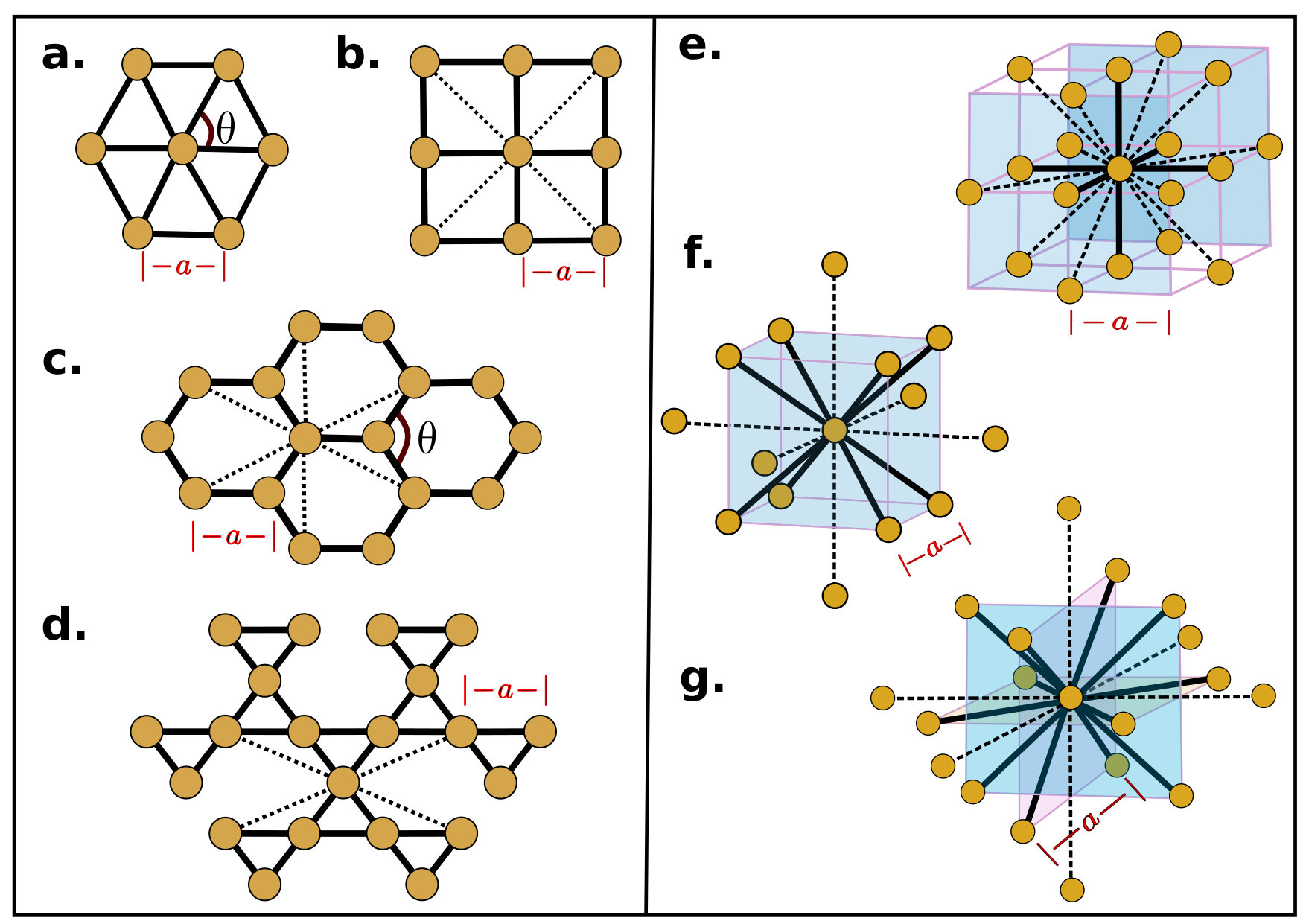 Figure 1
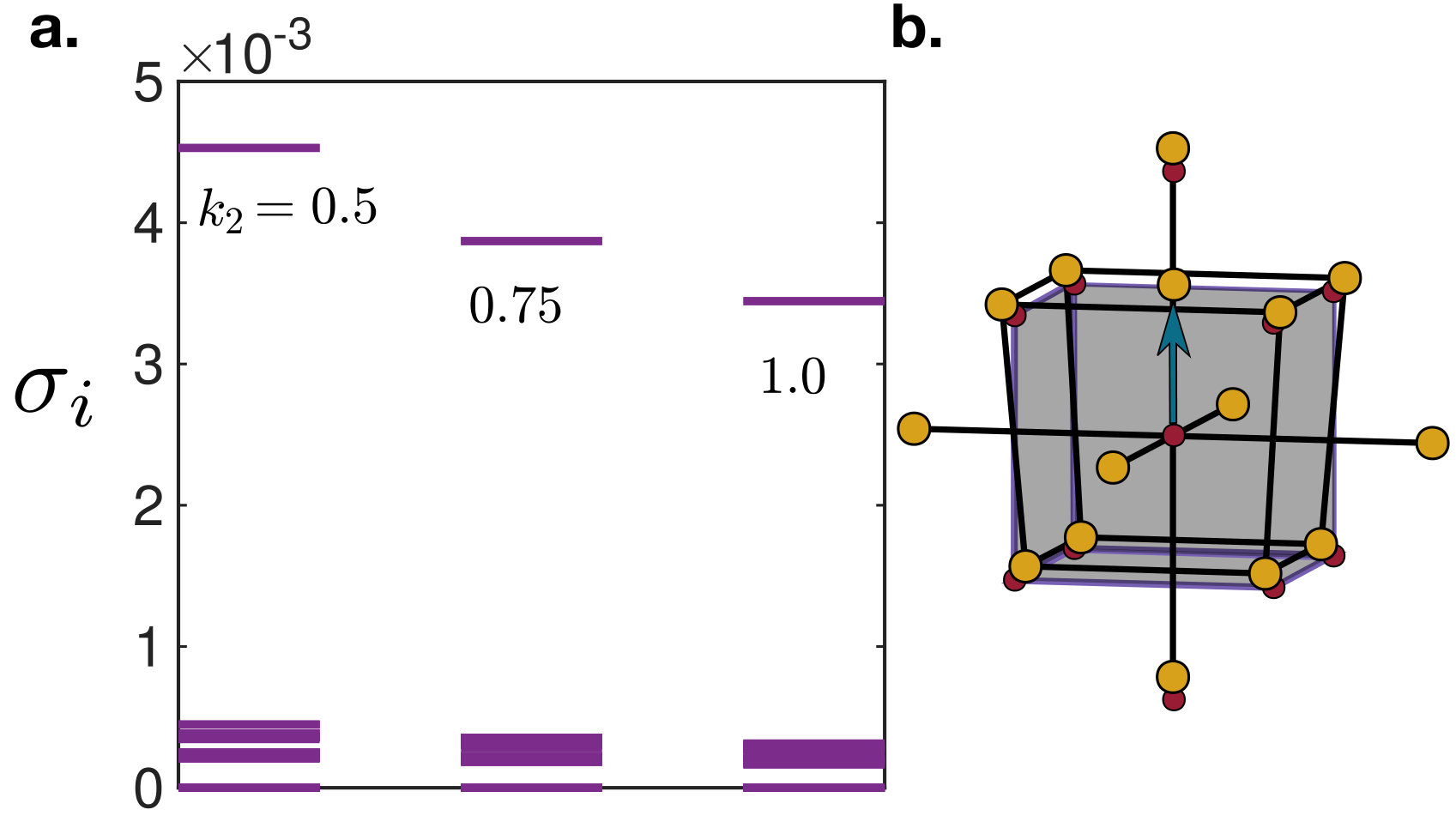 Figure 10
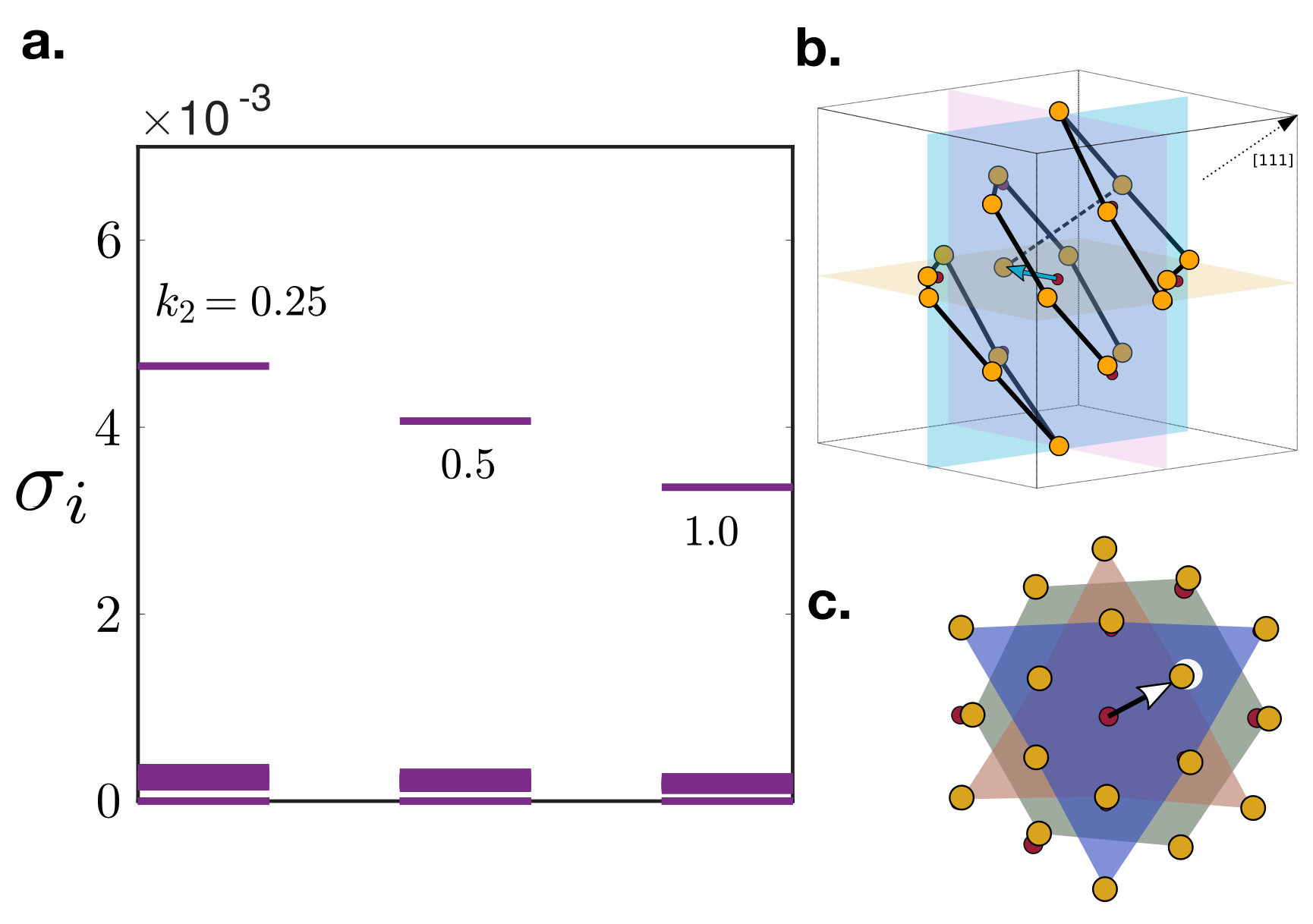 Figure 11
 Figure 12
 Figure 13
 Figure 14
 Figure 15
 Figure 16
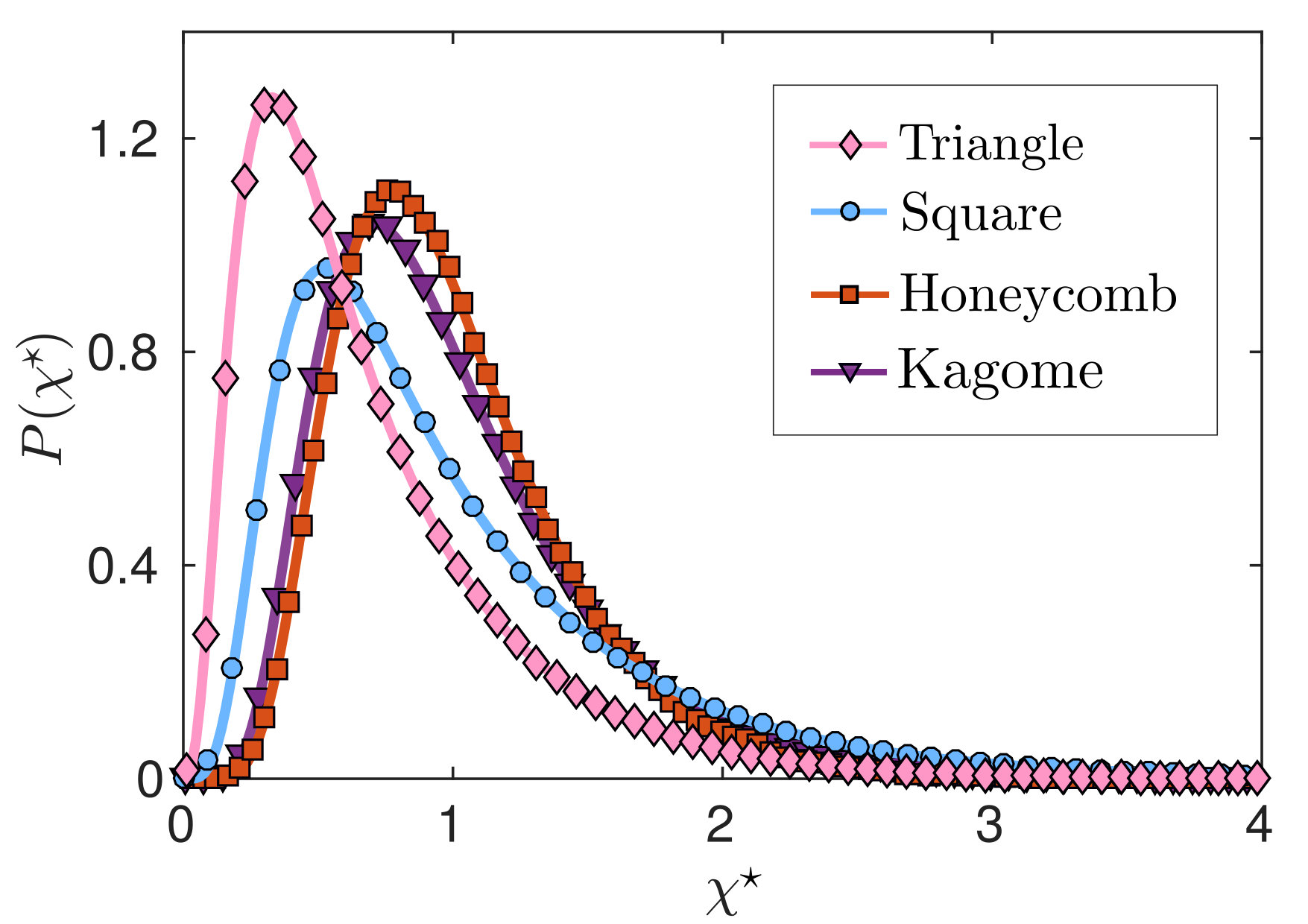 Figure 2
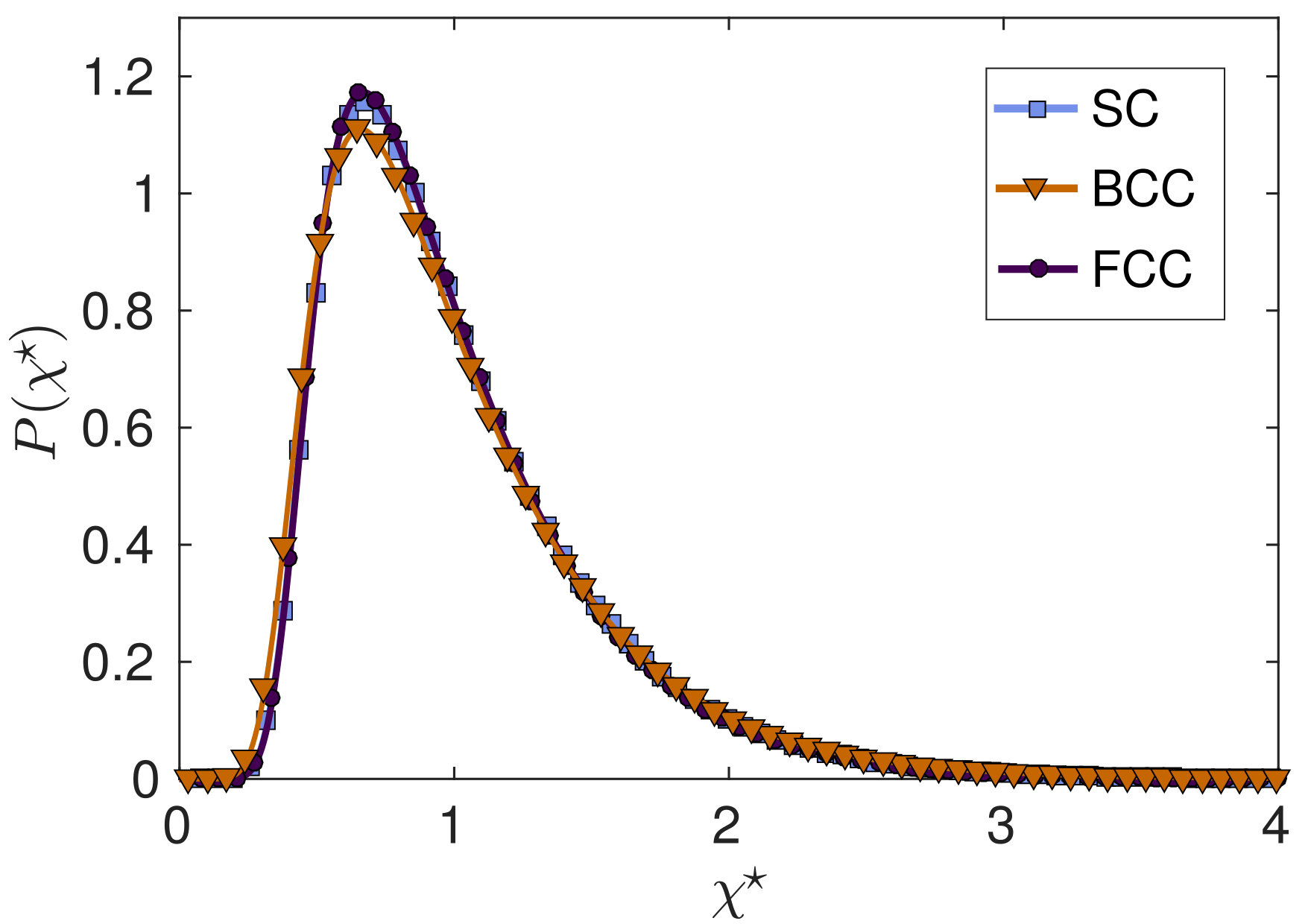 Figure 3
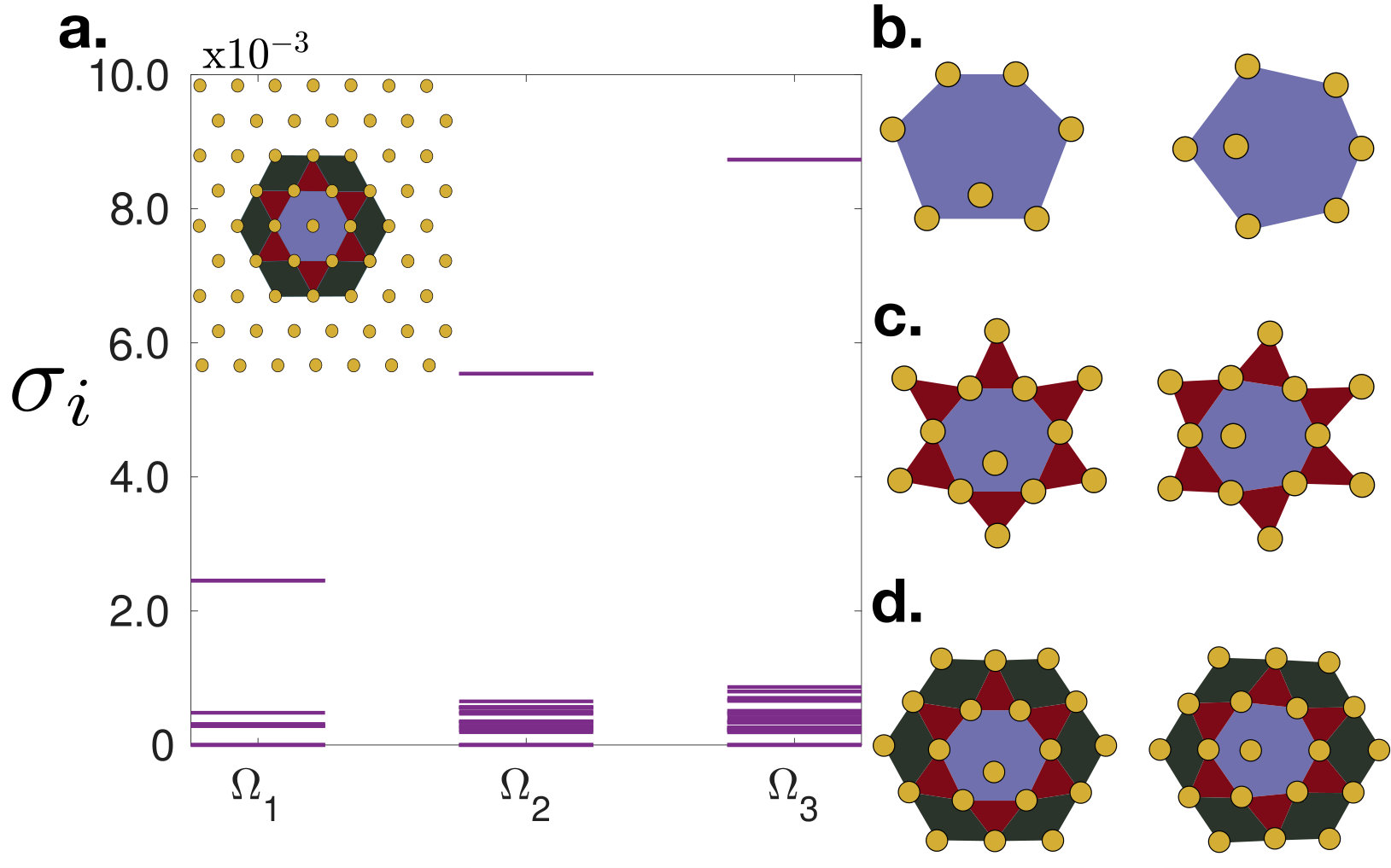 Figure 4
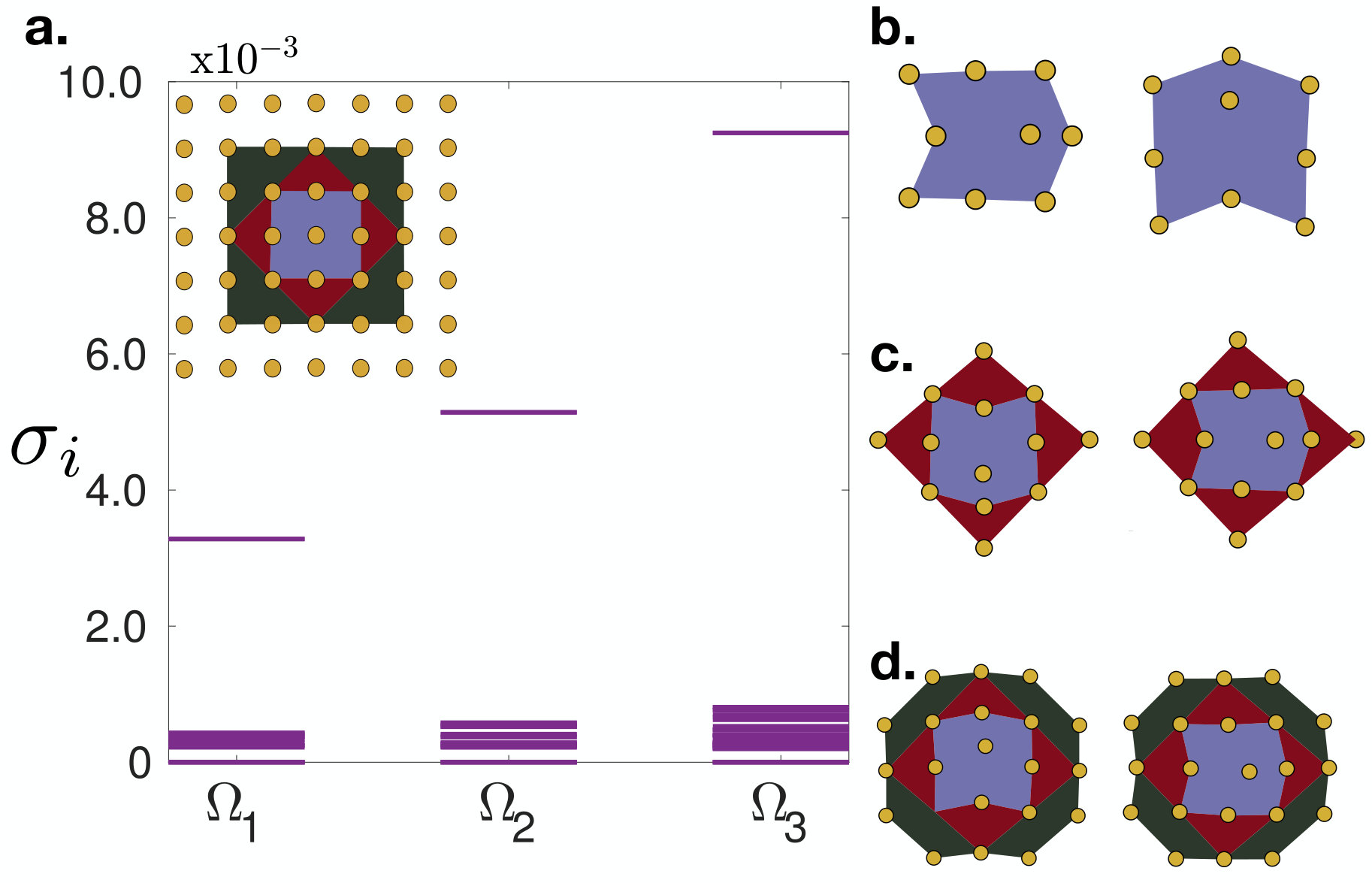 Figure 5
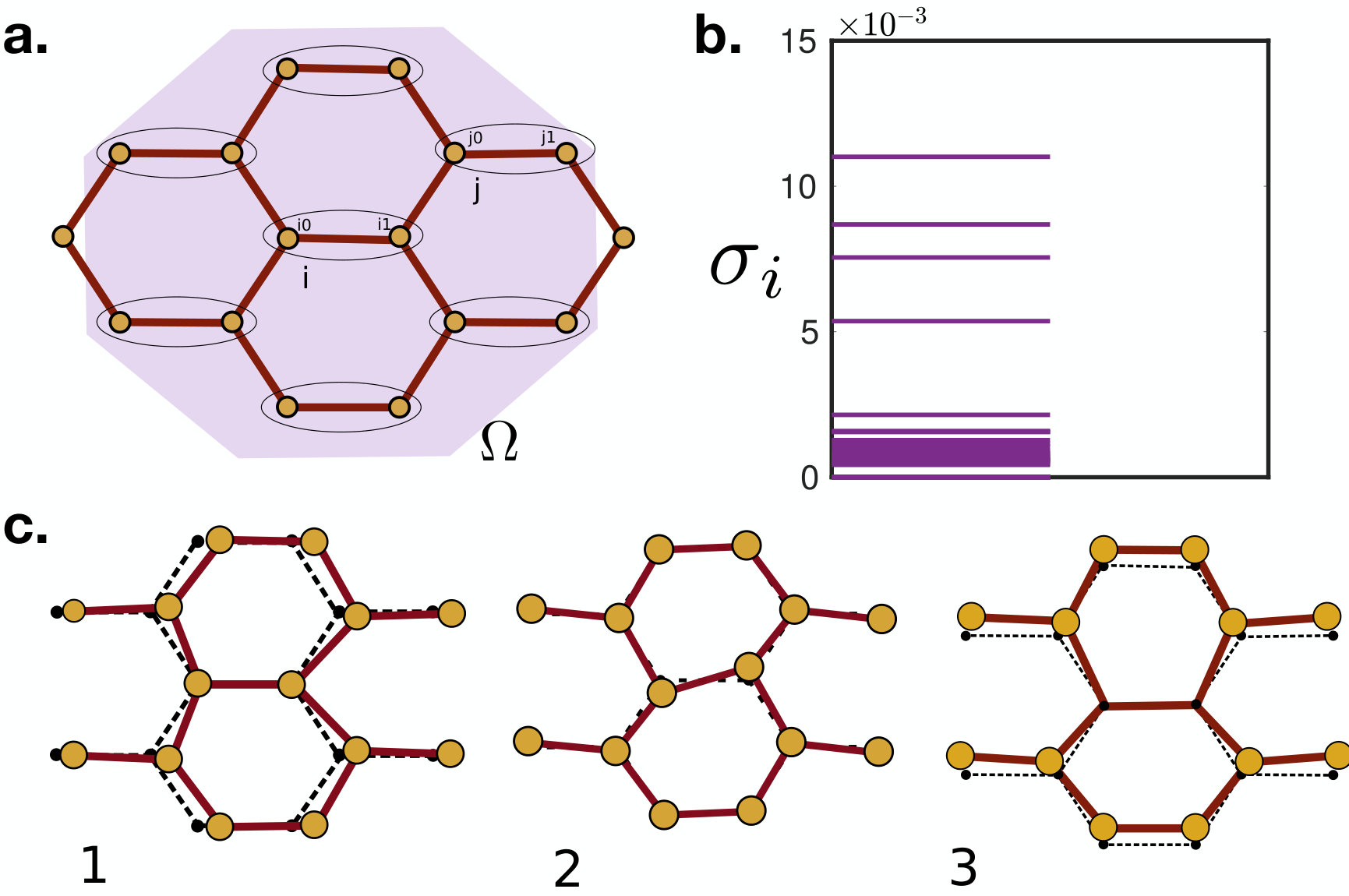 Figure 6
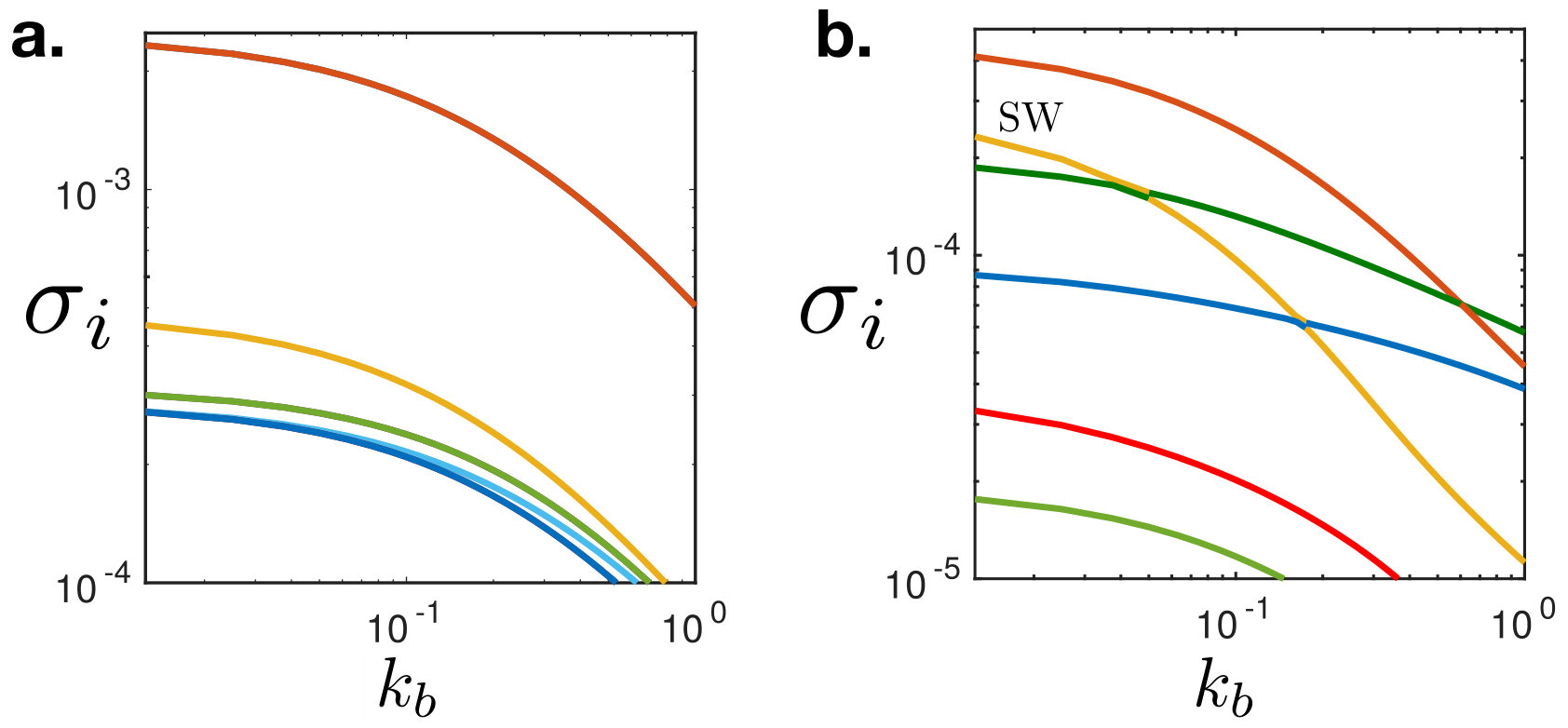 Figure 7
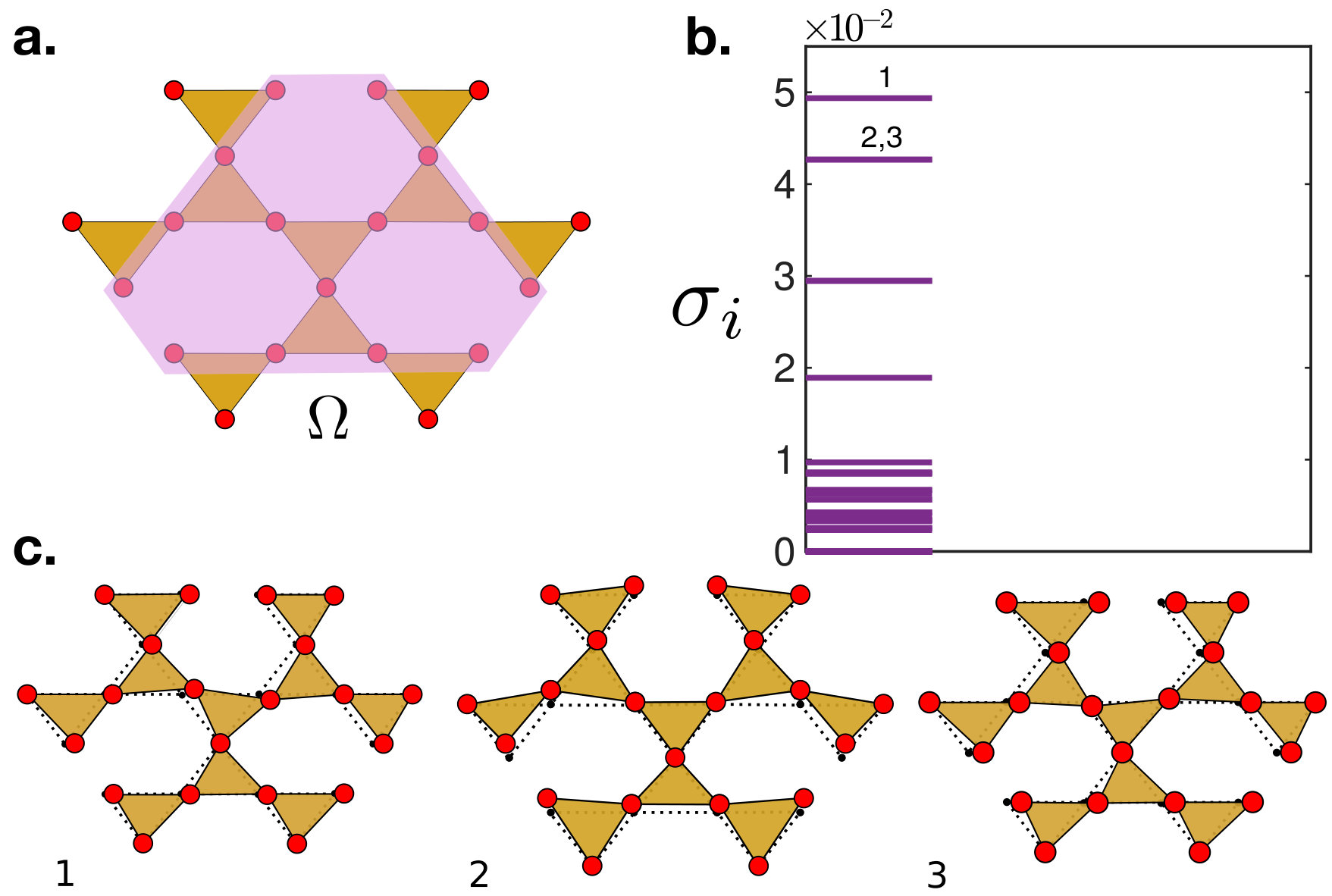 Figure 8
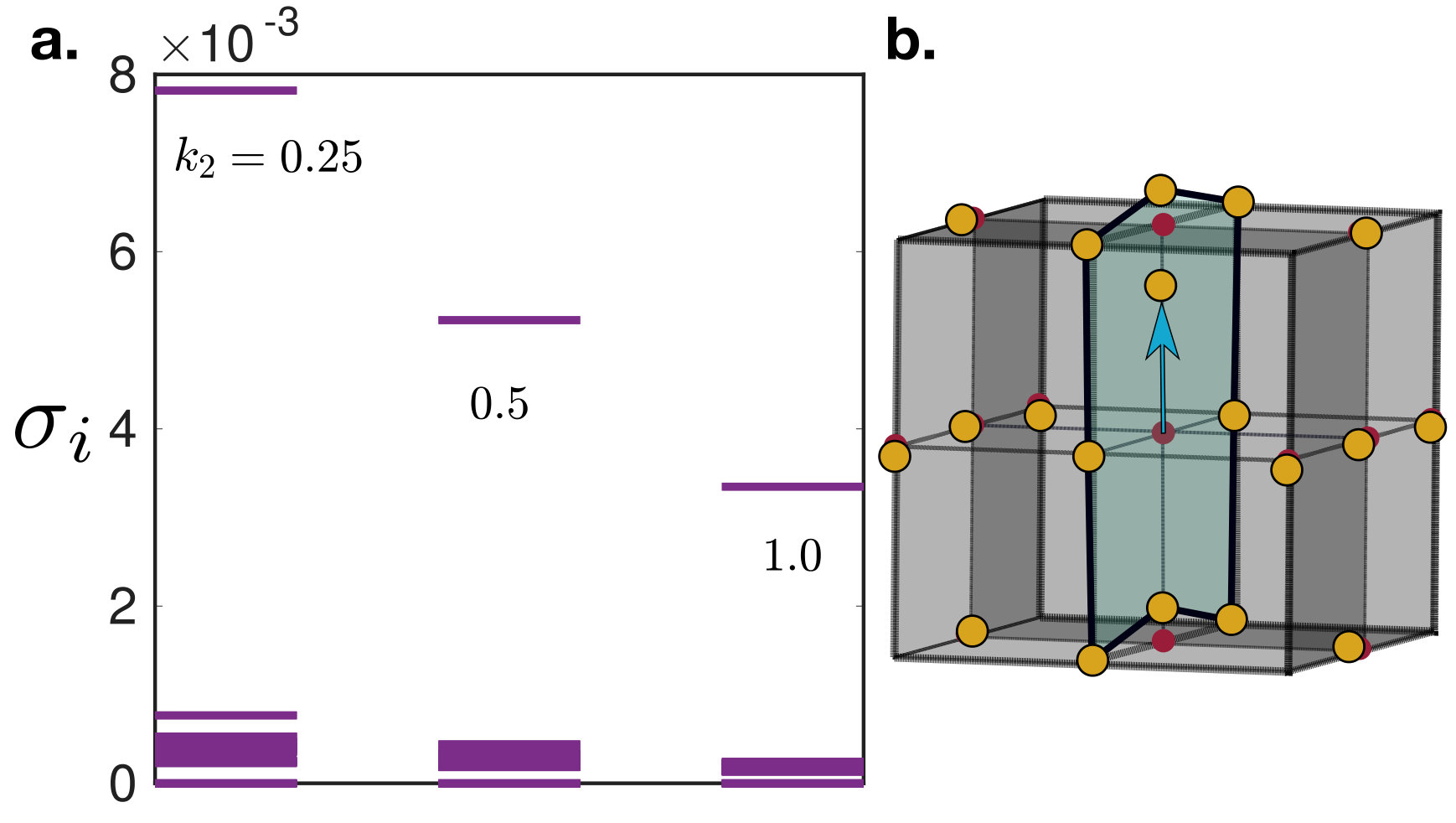 Figure 9
Peer Reviews
No public reviews on file for this paper yet. If you reviewed it on a platform where reviews are public (OpenReview, ICLR, NeurIPS, ICML), you can paste yours below so the community can read it here.
Videos
No videos yet. Explain this paper in a talk, walkthrough, or lecture? Add one.