Quantum Switch for the Quantum Internet: Noiseless Communications through Noisy Channels
Marcello Caleffi, Angela Sara Cacciapuoti

TL;DR
This paper explores how a quantum switch can enhance quantum teleportation by enabling noiseless communication through noisy channels, leveraging indefinite causal order to improve reliability in quantum networks.
Contribution
It provides a theoretical analysis demonstrating the performance benefits of using a quantum switch in quantum teleportation, a novel approach in quantum communication engineering.
Findings
Quantum switch increases the probability of noiseless teleportation with higher channel noise.
Employing a quantum switch can make quantum communication more robust against noise.
The analysis shows counter-intuitive benefits of indefinite causal order in quantum channels.
Abstract
Counter-intuitively, quantum mechanics enables quantum particles to propagate simultaneously among multiple space-time trajectories. Hence, a quantum information carrier can travel through different communication channels in a quantum superposition of different orders, so that the relative time-order of the communication channels becomes indefinite. This is realized by utilizing a quantum device known as quantum switch. In this paper, we investigate, from a communication-engineering perspective, the use of the quantum switch within the quantum teleportation process, one of the key functionalities of the Quantum Internet. Specifically, a theoretical analysis is conducted to quantify the performance gain that can be achieved by employing a quantum switch for the entanglement distribution process within the quantum teleportation with respect to the case of absence of quantum switch. This…
Click any figure to enlarge with its caption.
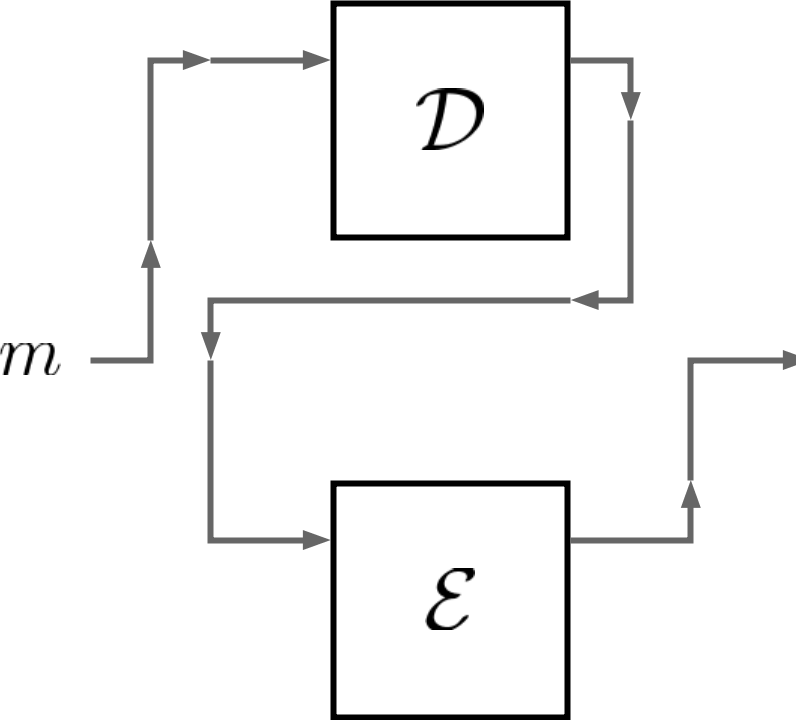 Figure 1
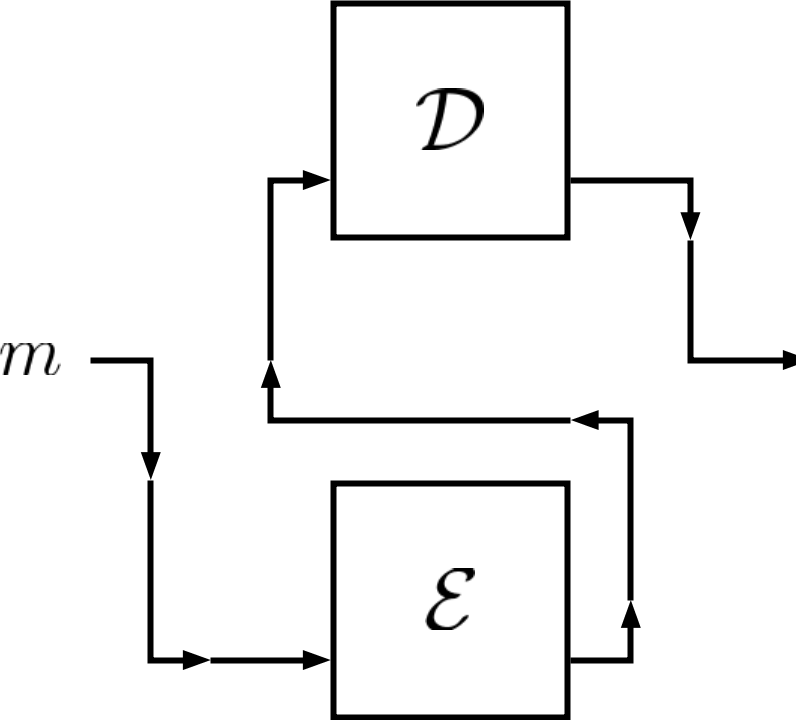 Figure 2
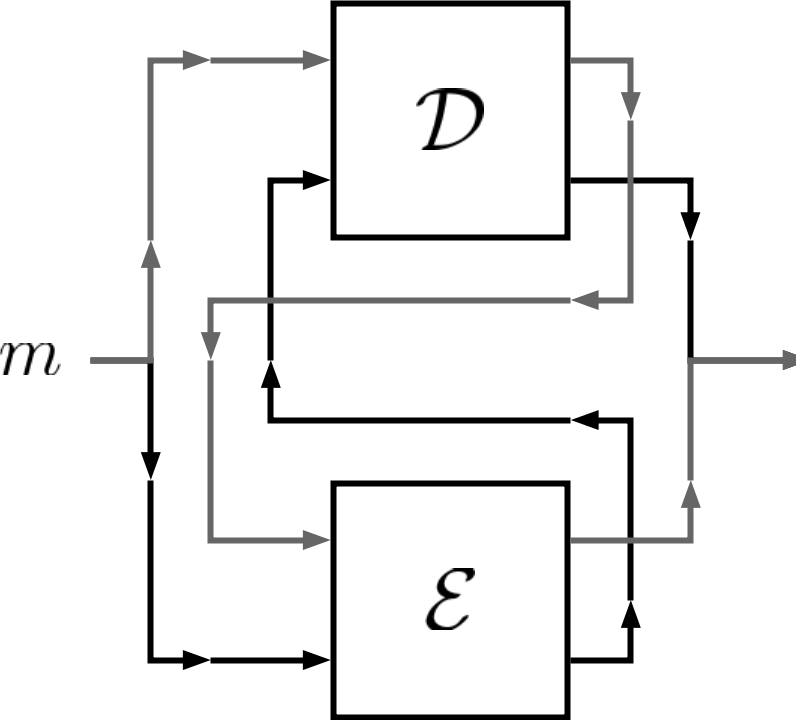 Figure 3
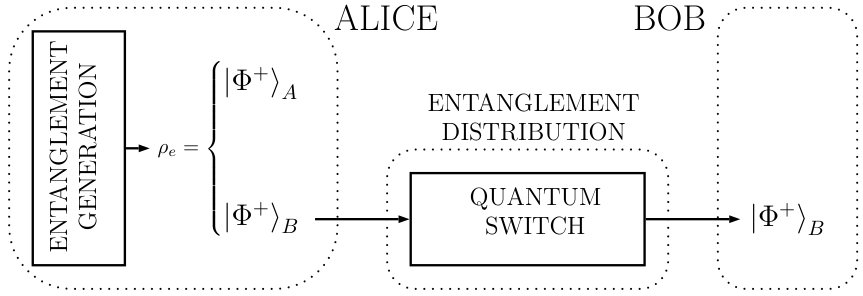 Figure 5
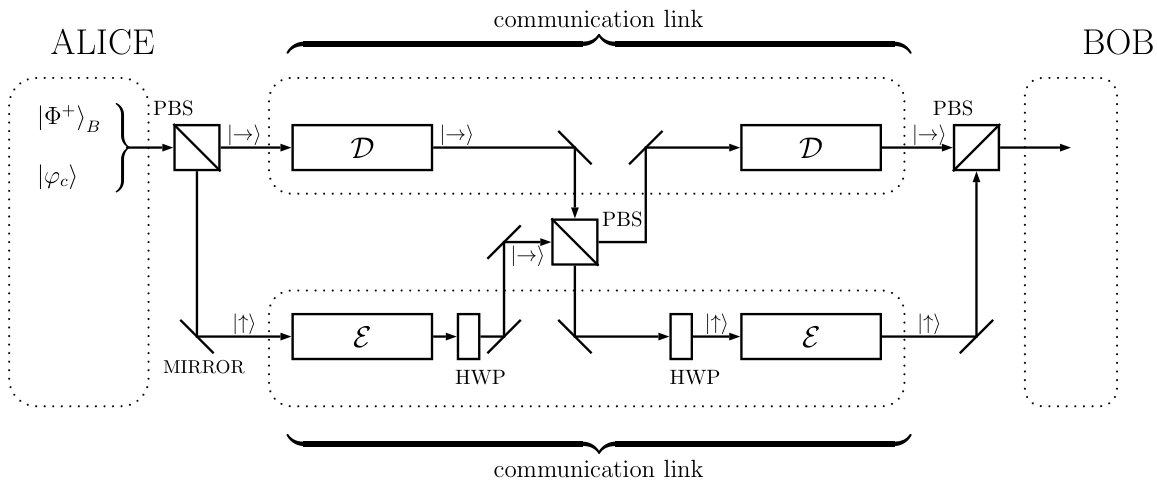 Figure 7
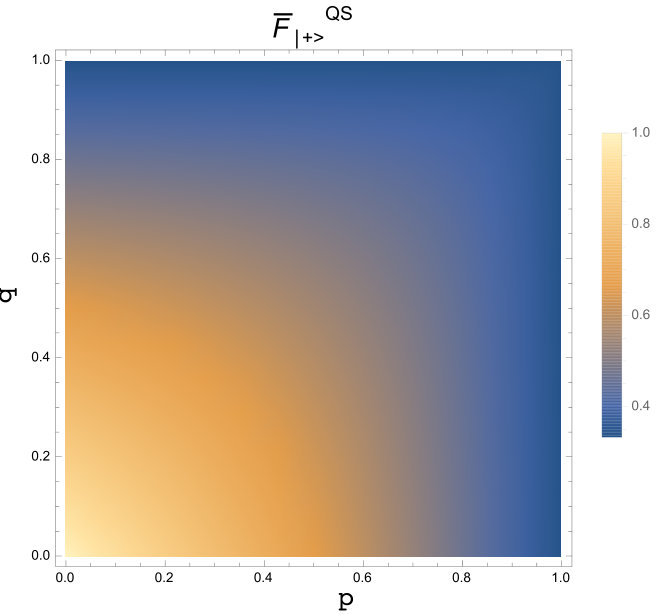 Figure 9
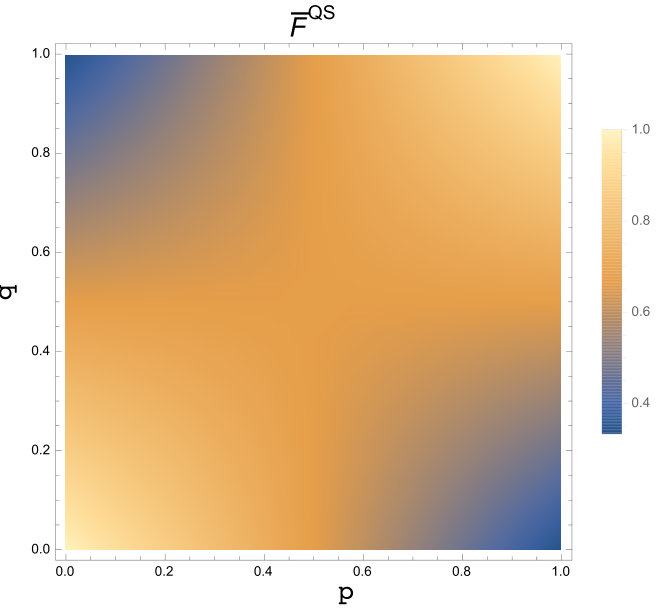 Figure 10
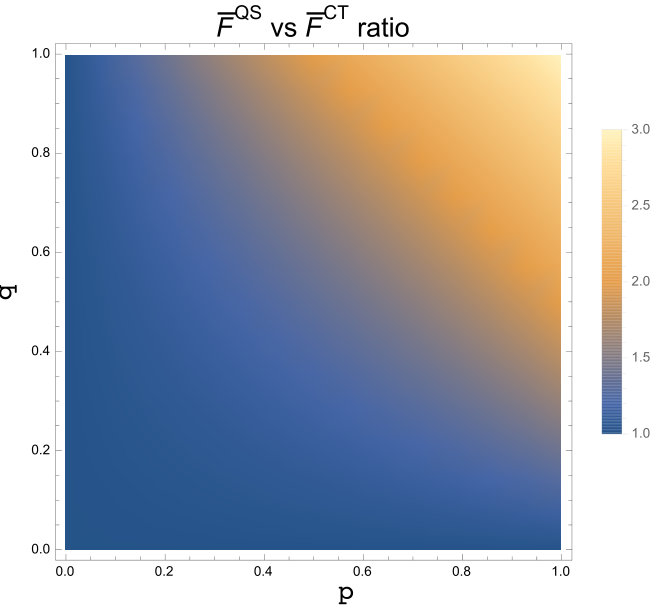 Figure 12
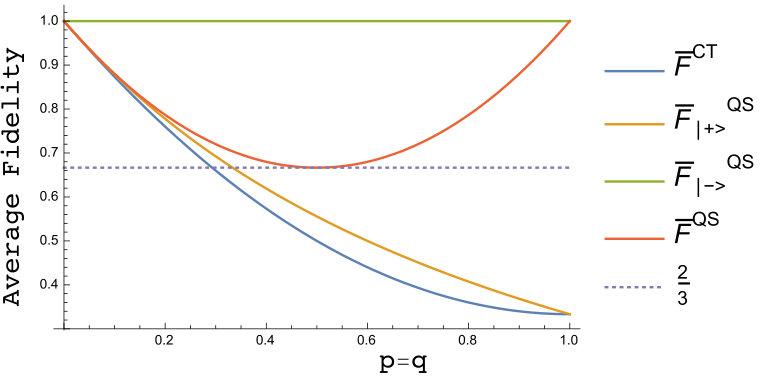 Figure 13
 Figure 10
 Figure 11
Peer Reviews
No public reviews on file for this paper yet. If you reviewed it on a platform where reviews are public (OpenReview, ICLR, NeurIPS, ICML), you can paste yours below so the community can read it here.
Videos
No videos yet. Explain this paper in a talk, walkthrough, or lecture? Add one.